Creating an inclusive childcare environment fundamentally shapes child development and builds the foundation for a more equitable society. Within today’s diverse educational landscape, childcare programs must intentionally embrace five distinct types of diversity: cultural, linguistic, socioeconomic, ability-based, and family structure diversity. These dimensions work together to create rich learning environments where every child feels valued, represented, and empowered to thrive.
Modern childcare settings serve as microcosms of our global society, making it crucial for educators to understand and implement comprehensive diversity strategies. When children experience different perspectives, traditions, and ways of being during their formative years, they develop essential social-emotional skills and cultural competencies that will serve them throughout their lives. This article explores the key characteristics of each diversity type and provides practical strategies for creating truly inclusive early learning centre environments that celebrate and support all children and families.
Join us as we delve into actionable approaches for fostering these five fundamental types of diversity, ensuring your childcare program reflects and serves your entire community while preparing children for success in our interconnected world.
Cultural and Ethnic Diversity

Implementing Cultural Activities
Celebrate cultural diversity through engaging, hands-on activities that make learning meaningful and inclusive. Start by creating a cultural calendar that highlights different holidays and celebrations throughout the year. Invite families to share their traditions through storytelling sessions, cooking demonstrations, or cultural artifact displays.
Incorporate multicultural elements into daily activities by using diverse musical instruments, adding books in multiple languages to your reading corner, and displaying artwork from various cultures. Create themed weeks where children can explore different countries through age-appropriate crafts, songs, and games.
Organize cultural potlucks or festivals where families can showcase their traditional foods, clothing, and customs. Use dramatic play areas to represent different cultural settings, such as international markets or homes with culturally specific items. Remember to rotate cultural materials regularly and ensure representations are authentic and respectful.
Encourage children to share their own cultural experiences through show-and-tell activities or family heritage projects. This creates opportunities for meaningful discussions and helps build cultural awareness and appreciation among all children in your care.
Supporting Multilingual Learning
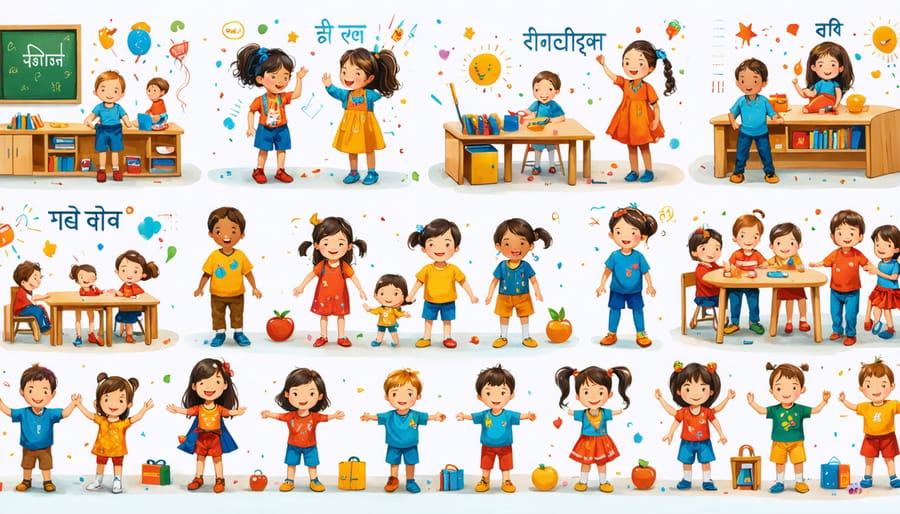
Supporting language diversity in childcare programs creates an enriching environment where all children feel valued and included. Start by incorporating bilingual labels and signs throughout the classroom, making different languages visible and accessible. During circle time, teach simple greetings and songs in various languages represented in your classroom community.
Partner with families to learn key phrases and cultural expressions, creating a bridge between home and school environments. Use visual aids, gestures, and multiple languages during storytelling to enhance understanding and engagement. Consider implementing a “Language of the Week” program where children learn basic words and cultural elements from different linguistic backgrounds.
Keep a collection of multilingual books and audio materials in your reading corner, and encourage children to share stories from their home languages. Use technology thoughtfully to provide translation support and interactive language learning experiences. Remember to celebrate language differences as strengths and create opportunities for children to become comfortable with multiple ways of communication and expression.
Family Structure Diversity

Inclusive Family Representation
In today’s diverse society, childcare programs must actively recognize and celebrate various family structures. This includes single-parent households, same-sex parents, grandparent-led families, adoptive families, and blended families. Create an inclusive environment by displaying diverse family images throughout your space and incorporating books that represent different family compositions in your reading materials.
During family-oriented activities and celebrations, use inclusive language that acknowledges all caregivers, not just traditional parent roles. For example, use “families” or “caregivers” instead of “mom and dad.” Ensure your enrollment forms and communication materials reflect this inclusive approach by providing options for different family structures and multiple guardian entries.
Organize family events that welcome all family members and create opportunities for families to share their unique stories and traditions. This helps children understand and appreciate different family compositions while making all families feel valued and respected within your program community.
Family Engagement Strategies
Developing effective family involvement strategies is crucial for creating an inclusive childcare environment. Start by hosting multicultural events where families can share their traditions, foods, and customs with the entire community. Create a family resource center with materials in multiple languages and establish regular communication channels through newsletters, apps, or messaging platforms that accommodate language preferences. Invite family members to volunteer as cultural ambassadors, sharing stories, songs, or activities from their heritage during special program days. Schedule parent meetings at varying times to accommodate different work schedules, and offer virtual participation options when possible. Consider creating a diverse family advisory committee to provide input on program decisions and curriculum development. These engagement opportunities help build strong partnerships between educators and families while celebrating the unique characteristics each family brings to the program.
Ability and Learning Style Diversity
Adaptive Learning Environments
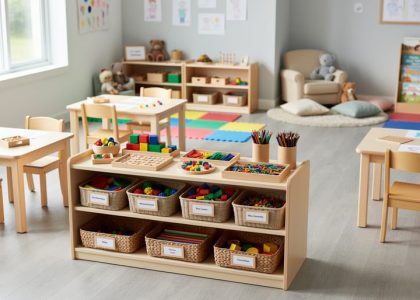
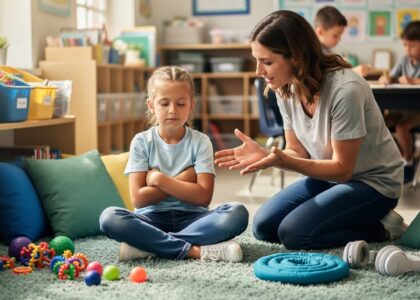
Creating adaptive learning spaces means designing environments that support children of all abilities and learning styles. This includes adjustable furniture heights, accessible play areas, and multi-sensory learning stations. Consider incorporating quiet zones for children who need reduced stimulation, along with clearly defined activity areas marked by visual cues and labels. Storage should be within reach of all children, and pathways should accommodate mobility devices. Include materials that can be manipulated in different ways, such as building blocks with varying textures and sizes. Flexible seating options, like floor cushions, therapy balls, and traditional chairs, allow children to choose positions that help them learn best. Remember to regularly assess and modify the environment based on your children’s evolving needs and feedback from families.

Differentiated Learning Strategies
Implement multiple learning approaches to accommodate diverse learning styles in your childcare program. Use visual aids like charts and pictures for visual learners, incorporate songs and rhymes for auditory learners, and provide hands-on activities for kinesthetic learners. Create learning stations that allow children to explore concepts through different methods, such as building blocks for mathematical concepts or dramatic play for social skills development.
Consider using technology thoughtfully, incorporating interactive games and educational apps that support different learning preferences. Offer quiet spaces for individual work alongside collaborative areas for group activities. Regularly observe and document how each child responds to different teaching methods, adjusting your approach accordingly. Remember to provide clear instructions in multiple formats and allow children to demonstrate their understanding through various means, whether through verbal explanation, artistic expression, or physical demonstration.
Socioeconomic Diversity
Resource Access
Equitable access to program resources ensures every child has the opportunity to fully participate and thrive in the childcare environment. This means providing materials, activities, and learning tools that reflect and support children from all backgrounds. Consider offering multilingual books, multicultural art supplies, and adaptive equipment for children with different abilities. Create flexible seating arrangements and ensure play areas are accessible to children of all physical capabilities.
Implement a fair rotation system for popular activities and equipment, ensuring every child gets equal time with desired resources. Make modifications when needed, such as providing larger pencils for children developing fine motor skills or offering visual schedules for children who benefit from picture-based communication. Regular assessment of resource distribution helps identify and address any access gaps, ensuring no child feels excluded from learning opportunities.
Inclusive Activities
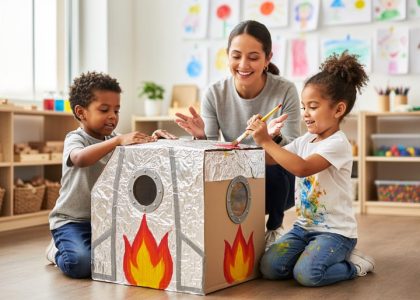
Create engaging activities that cater to all families by incorporating diverse cultural elements, languages, and abilities. Consider hosting multicultural celebrations where families can share traditional foods, music, and customs. Design art projects that explore different cultural traditions and provide materials that represent various skin tones and ethnicities. Include books and educational materials featuring diverse families, abilities, and backgrounds in your daily curriculum.
Make activities adaptable for children with different physical and cognitive abilities by offering multiple ways to participate. For example, provide both standing and seated options during movement activities, or offer various tools for art projects to accommodate different grip strengths and motor skills. Consider religious and cultural dietary restrictions when planning cooking activities or celebrations involving food.
Remember to communicate activity plans clearly to all families, using multiple languages when necessary, and be open to feedback and suggestions for making activities more inclusive.
Religious and Belief System Diversity
Religious Inclusion Practices
Religious inclusion in childcare settings requires thoughtful consideration and respect for diverse belief systems. Create a welcoming environment by acknowledging major religious celebrations and incorporating them into learning activities. Invite families to share their traditions through storytelling, music, or cultural presentations. Maintain a calendar that marks different religious observances and plan activities that celebrate these special days without promoting any specific faith.
Consider dietary restrictions and accommodate them during meal times and special events. Provide alternative activities for children who don’t participate in certain celebrations due to religious beliefs. Train staff to respond appropriately to children’s questions about different religions and to use inclusive language that respects all faiths.
Partner with families to understand their religious practices and any specific accommodations needed. This collaborative approach ensures all children feel valued and represented in your program while fostering mutual understanding and respect among the entire childcare community.
Creating Respectful Environments
Creating a respectful environment begins with modeling inclusive behavior and establishing clear expectations for all children and staff. Encourage open discussions about different beliefs, traditions, and celebrations while maintaining appropriate boundaries. Set up cultural sharing opportunities where families can contribute stories, foods, or customs from their heritage in a welcoming atmosphere.
Implement classroom practices that acknowledge and celebrate differences, such as incorporating diverse materials, books, and learning resources that represent various belief systems. Train staff to respond thoughtfully to children’s questions about different beliefs and practices, using these moments as opportunities for learning rather than judgment.
Regular communication with families helps understand their specific beliefs and any accommodations needed. This might include dietary requirements, holiday observations, or activity modifications. Remember that respect goes beyond mere tolerance – it involves actively creating spaces where every child feels their beliefs and background are valued and understood.
Implementing diverse practices in childcare programs creates a foundation for lifelong learning and acceptance that benefits all children. By embracing cultural, linguistic, ability-based, socioeconomic, and family structure diversity, we create environments where every child feels valued and represented. These five types of diversity work together synergistically to foster inclusive spaces that prepare children for success in our increasingly interconnected world.
When children experience diversity early in life, they develop critical social-emotional skills, including empathy, cultural competence, and respect for differences. This exposure helps reduce bias and stereotypes while promoting positive identity development. Moreover, diverse childcare settings enhance cognitive development through exposure to different perspectives, languages, and problem-solving approaches.
For educators and caregivers, implementing these diversity types requires ongoing commitment and continuous learning. Success comes from creating authentic connections with families, maintaining culturally responsive practices, and regularly evaluating and adjusting programs to meet evolving community needs. Remember that small, consistent steps toward inclusion can lead to significant positive changes in children’s development and well-being.
As we look to the future of early childhood education, embracing these various forms of diversity isn’t just beneficial – it’s essential. By creating environments that celebrate differences and promote understanding, we prepare children to become compassionate, adaptable, and successful members of our global society. The investment we make in diverse, inclusive childcare programs today shapes the inclusive leaders and citizens of tomorrow.