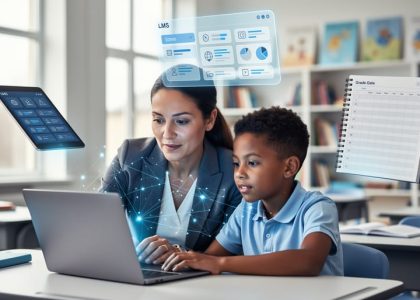
Adaptive education revolutionizes traditional classroom dynamics by transforming student success through personalized learning pathways. In today’s diverse classrooms, where every student brings unique strengths, challenges, and learning speeds, one-size-fits-all approaches no longer suffice. Modern adaptive learning technologies, powered by artificial intelligence and data analytics, continuously adjust to each student’s progress, creating dynamic learning experiences that evolve in real-time.
This innovative approach represents a fundamental shift from traditional education models, empowering educators to move beyond standardized instruction toward truly personalized learning journeys. By automatically adjusting difficulty levels, providing immediate feedback, and identifying knowledge gaps, adaptive education ensures every student progresses at their optimal pace. For teachers, this means more time focusing on meaningful student interactions and less time struggling to differentiate instruction manually.
As we navigate an increasingly complex educational landscape, adaptive education stands as a beacon of hope for creating more equitable, effective, and engaging learning environments. This transformative approach doesn’t just improve academic outcomes—it fundamentally reimagines how we understand and support student learning in the 21st century.
How Adaptive Learning Technology Works in K-12 Classrooms
Real-Time Performance Analysis
Real-time performance analysis in adaptive education systems acts as a continuous feedback loop, providing teachers with valuable insights into student learning patterns and progress. These systems collect data on various aspects of student interaction, including time spent on tasks, response accuracy, and learning path choices.
As students work through assignments, the system tracks not just right or wrong answers, but also learning velocity, areas of struggle, and preferred learning styles. Teachers can access detailed dashboards showing individual and class-wide performance metrics, helping them identify trending topics that might need additional attention.
The analysis goes beyond simple grading, incorporating pattern recognition to spot early warning signs of student disengagement or potential learning gaps. This allows for timely interventions before small challenges become major obstacles. The system can also highlight unexpected success stories, where students show remarkable improvement or master concepts ahead of schedule.
For group instruction, these analytics help teachers form effective study groups based on complementary skill levels and learning needs. Regular progress reports can be automatically generated, saving teachers time while providing more comprehensive insight into student achievement and growth areas.
Personalized Learning Paths
Personalized learning paths allow educators to create tailored educational experiences that adapt to each student’s unique needs, abilities, and learning pace. By implementing differentiated instruction strategies, teachers can ensure that every student receives the support they need to succeed.
These adaptive pathways typically begin with an initial assessment that determines the student’s current knowledge level, learning style, and areas for improvement. The system then creates a customized learning sequence that adjusts in real-time based on student performance and engagement. For instance, if a student excels in geometry but struggles with algebra, the system will provide more practice opportunities and support in algebraic concepts while maintaining an appropriate challenge level in geometry.
Teachers can monitor student progress through detailed analytics and adjust the learning path as needed. This dynamic approach ensures that advanced learners remain challenged while struggling students receive additional support and alternative explanations. The system can also incorporate various learning modalities – visual, auditory, and kinesthetic – to match each student’s preferred learning style, making the educational experience more engaging and effective for everyone.

Key Benefits for Students and Teachers
Student Engagement and Achievement
Adaptive education has shown remarkable success in helping boost student engagement and academic performance across diverse learning environments. When students receive personalized learning experiences that match their individual needs and pace, they demonstrate increased motivation and ownership of their learning journey.
Research indicates that students using adaptive learning systems show an average of 20-30% improvement in test scores compared to traditional teaching methods. This improvement stems from the technology’s ability to provide immediate feedback, adjust difficulty levels in real-time, and offer targeted support when students struggle with specific concepts.
Beyond academic achievements, adaptive education nurtures essential social-emotional skills. Students develop greater self-confidence as they master concepts at their own pace, reducing anxiety and frustration commonly associated with one-size-fits-all approaches. The personalized nature of adaptive learning also helps maintain student interest by presenting challenges that are neither too easy nor too difficult.
Teachers report that students using adaptive learning tools demonstrate:
– Increased class participation
– Better retention of material
– Higher completion rates for assignments
– Greater willingness to tackle challenging problems
– Improved self-directed learning skills
These positive outcomes are particularly notable among struggling learners and those who previously showed limited engagement in traditional classroom settings. The combination of personalized content delivery and continuous assessment creates an environment where every student can experience success and maintain momentum in their learning journey.

Teacher Efficiency and Intervention
Adaptive technology empowers teachers to become more efficient and effective in their intervention strategies. By leveraging data-driven insights, educators can identify struggling students earlier and provide targeted support when it matters most. The technology tracks student progress in real-time, allowing teachers to focus their attention where it’s needed most instead of trying to monitor every student manually.
Teachers can use adaptive platforms to create personalized learning paths, automatically adjusting content difficulty based on student performance. This automation frees up valuable time that can be spent on one-on-one interactions with students who need additional support. The system’s analytics help teachers identify common misconceptions and learning gaps across the classroom, enabling them to adjust their teaching strategies proactively.
For intervention purposes, adaptive technology provides detailed reports that help teachers make informed decisions about student support. These insights can be particularly valuable during parent-teacher conferences and when developing individualized education plans. Teachers can also use the data to form effective study groups and pair students who might benefit from peer learning opportunities.
To maximize the benefits of adaptive technology, teachers should:
– Review performance data regularly
– Set clear learning objectives
– Use the system’s recommendations to guide intervention strategies
– Combine technology-driven insights with personal observation
– Maintain consistent communication with students about their progress
Remember that adaptive technology is meant to enhance, not replace, teacher expertise. It serves as a powerful tool that allows educators to provide more targeted and timely support to their students.
Implementing Adaptive Learning in Your Classroom

Getting Started with Adaptive Tools
Implementing adaptive tools in your classroom doesn’t have to be overwhelming. Start by selecting one subject area or unit where students typically show varied performance levels. This focused approach allows you to experiment with adaptive learning without feeling overwhelmed.
Begin with a simple diagnostic assessment to understand your students’ current knowledge levels. Many adaptive learning platforms offer built-in assessment tools that can help establish this baseline. Use these results to create small learning groups based on similar needs and abilities.
Next, introduce one adaptive tool at a time. Popular starting points include math programs that adjust problem difficulty based on student performance or reading platforms that modify text complexity according to comprehension levels. Allow students time to familiarize themselves with the tool through guided practice sessions.
Monitor student progress regularly through the platform’s analytics dashboard. Look for patterns in learning gaps and achievements. Use this data to adjust your teaching strategies and provide targeted support where needed.
Remember to establish clear expectations and routines for using adaptive tools. Create a schedule that balances adaptive learning with traditional instruction. Consider setting up peer mentoring systems where tech-savvy students can help others navigate new tools.
Start small, celebrate progress, and gradually expand your use of adaptive tools as both you and your students become more comfortable with this approach. Regular feedback from students about their experience can help you fine-tune implementation strategies.
Best Practices for Success
To successfully implement adaptive education in your classroom, start by setting clear learning objectives and establishing baseline assessments for each student. Regular progress monitoring is essential – use a combination of formal assessments and informal observations to track student growth and adjust instruction accordingly.
Create a flexible classroom environment that supports different learning styles. Arrange your space to accommodate both individual work and small group activities. Maintain a digital resource library with materials at various difficulty levels to support personalized learning paths.
Embrace the power of technology, but remember it’s a tool, not a solution. Choose adaptive learning platforms that align with your curriculum goals and provide meaningful data. Take time to familiarize yourself with the technology before introducing it to students.
Communication is key to success. Keep parents informed about their child’s progress and involve them in the learning process. Establish regular check-ins with students to discuss their learning journey and make adjustments based on their feedback.
Build a support network with fellow educators implementing adaptive strategies. Share experiences, resources, and best practices. Remember that transition takes time – start small with one subject or unit, then gradually expand your adaptive teaching approach.
Document what works and what doesn’t. Create a portfolio of successful strategies and lesson modifications that you can reference and share with colleagues. Most importantly, maintain flexibility and patience throughout the implementation process.
Overcoming Common Challenges
While implementing adaptive education brings tremendous benefits, educators often face several common challenges. Understanding and proactively addressing these obstacles is crucial for successful implementation.
Resource constraints are frequently cited as a primary concern. Many schools struggle with limited technology access or budget restrictions. Solutions include seeking educational grants, implementing bring-your-own-device policies, or starting with small-scale pilot programs. Addressing digital equity challenges requires creative approaches and community partnerships.
Teacher preparation and training can also present hurdles. Educators may feel overwhelmed by new technology or unsure how to integrate adaptive tools effectively. Professional development workshops, mentor programs, and collaborative learning communities can help build confidence and competency. Starting with simple adaptive strategies and gradually expanding implementation often proves more successful than attempting wholesale changes.
Student engagement varies significantly, particularly when introducing new learning methods. Some students may resist change or struggle with self-paced learning. Building a supportive classroom culture, celebrating individual progress, and providing clear guidance helps students adapt to this new learning approach.
Data management and privacy concerns need careful consideration. Establishing clear protocols for data collection, storage, and usage while maintaining transparent communication with families helps build trust and ensure compliance with privacy regulations.
Remember that challenges are natural parts of any educational innovation. By approaching them as opportunities for growth and maintaining open dialogue with all stakeholders, educators can develop effective solutions that work for their unique classroom contexts.
Adaptive education represents a powerful shift in how we approach teaching and learning in today’s diverse classrooms. By embracing these student-centered strategies and technologies, educators can create more inclusive, effective, and engaging learning environments that truly meet each student where they are. Remember that implementing adaptive education doesn’t require an immediate overhaul of your entire teaching approach. Start small, perhaps with one subject area or class period, and gradually expand as you and your students become more comfortable with the process. The journey toward adaptive education is ongoing, and every step forward makes a difference in student outcomes. Your commitment to understanding and implementing these practices can transform not just individual student experiences, but the entire educational landscape. Together, we can create learning environments where every student has the opportunity to thrive and succeed.