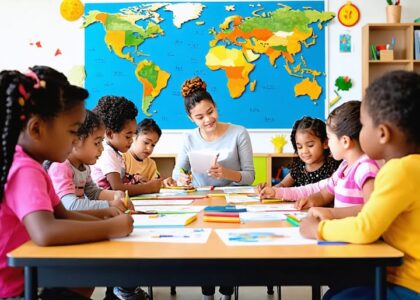
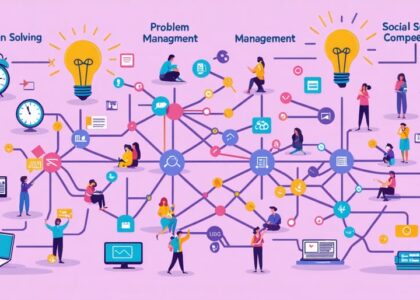
Adaptive behavior assessment transforms educational outcomes when approached as a dynamic, ongoing process rather than a one-time evaluation. By systematically observing students’ social skills, daily living abilities, and practical competencies, educators gain crucial insights that drive individualized learning strategies. Modern assessment frameworks now recognize adaptive behavior as a cornerstone of student development, encompassing everything from classroom interactions to self-care routines.
Real-world functionality – not just academic performance – determines a student’s true preparedness for life beyond school walls. Effective adaptive behavior assessment considers cultural contexts, environmental factors, and developmental stages while measuring a student’s ability to meet age-appropriate expectations. This comprehensive approach enables educators to identify strengths, pinpoint areas for growth, and develop targeted interventions that support both immediate progress and long-term success.
By understanding the nuanced relationship between adaptive skills and academic achievement, teachers can create more inclusive, supportive learning environments that celebrate diverse paths to competency. This evidence-based framework empowers educators to move beyond traditional metrics and embrace a more holistic view of student development.
Understanding Adaptive Behavior in the Classroom
Key Components of Adaptive Behavior
Adaptive behavior encompasses three fundamental skill domains that work together to support a student’s successful functioning in daily life. The social domain includes interpersonal relationships, social responsibility, and self-esteem development. Students demonstrate these skills through their ability to maintain friendships, follow school rules, and show appropriate emotional responses in various situations.
Practical skills involve daily living activities and self-care capabilities. These include personal hygiene, time management, safety awareness, and the ability to complete routine tasks independently. In the classroom setting, practical skills might manifest as organizing materials, following schedules, or maintaining personal space.
The conceptual domain covers cognitive and academic skills, including reading, writing, math concepts, and problem-solving abilities. This area also encompasses communication skills, such as understanding and following directions, expressing needs, and participating in classroom discussions.
Each component plays a vital role in a student’s overall adaptive functioning, and strengths or challenges in one area often influence performance in others. Understanding these interconnected domains helps educators create targeted support strategies and meaningful learning opportunities that promote comprehensive skill development.

The Connection to Academic Success
Adaptive behavior plays a crucial role in students’ academic achievement, serving as a foundation for successful learning experiences. When students possess strong adaptive skills, they’re better equipped to navigate classroom routines, manage their materials, and participate effectively in learning activities. These skills directly impact their ability to follow instructions, complete assignments, and interact productively with peers and teachers.
Research shows that students with well-developed adaptive behavior typically demonstrate better time management, organization, and study habits. They’re more likely to ask for help when needed, adapt to changes in routine, and handle academic challenges with resilience. These capabilities contribute significantly to improved academic outcomes across all subject areas.
For example, a student with strong adaptive skills can transition smoothly between activities, maintain an organized workspace, and complete homework independently. These behaviors create a positive learning environment and allow students to focus more effectively on academic content rather than struggling with basic classroom functions.
Teachers who understand this connection can better support their students by incorporating adaptive skill development into their daily instruction, creating an environment that promotes both academic and functional success.
Effective Assessment Methods
Observation Techniques
Effective observation of adaptive behavior requires systematic approaches that provide reliable and meaningful data. Start by establishing clear observation schedules during different times of the day and across various settings, such as classroom activities, lunch periods, and social interactions.
Use a combination of structured and naturalistic observation methods. Structured observations involve predetermined checklists or rating scales focusing on specific adaptive skills, while naturalistic observations capture spontaneous behaviors in everyday situations. Both approaches provide valuable insights into a student’s functional capabilities.
Document observations using detailed, objective notes that focus on observable behaviors rather than interpretations. For example, instead of writing “student was uncooperative,” note specific actions like “student did not follow three consecutive verbal directions during math class.”
Consider using technology tools like behavioral tracking apps or digital observation forms to streamline the documentation process. These tools can help organize data and identify patterns over time. Remember to maintain consistent recording methods across different observation periods to ensure reliable comparisons.
Involve multiple observers when possible, including other teachers, support staff, and specialists. This multi-perspective approach helps validate observations and provides a more comprehensive view of the student’s adaptive behavior across different contexts and relationships.
Always maintain student privacy and confidentiality when conducting and documenting observations. Share findings only with appropriate educational team members and use secure methods for storing observation records.

Assessment Tools and Rubrics
Several effective assessment tools are available to help educators evaluate adaptive behavior in students. The Vineland Adaptive Behavior Scales (VABS-3) remains one of the most widely used standardized instruments, offering comprehensive insights into communication, daily living skills, socialization, and motor skills.
The Adaptive Behavior Assessment System (ABAS-3) provides another valuable option, featuring both teacher and parent rating forms to gather multiple perspectives on student behavior. This tool is particularly helpful in creating a complete picture of a student’s functional capabilities across different environments.
For more customizable approaches, behavior rating scales and checklists can be developed to match specific classroom needs. These might include:
– Daily observation logs
– Skills-based checklists
– Progress monitoring sheets
– Goal achievement trackers
– Peer interaction records
When selecting assessment methods, consider using a combination of formal and informal tools. Structured observations during regular classroom activities can provide valuable supplementary data to standardized assessments. Remember to document both strengths and areas for growth, focusing on skills that promote independence and successful classroom participation.
Regular reassessment helps track progress and adjust support strategies as needed. Involving parents and other team members in the assessment process ensures a more comprehensive understanding of the student’s adaptive behavior across different settings.
Data Collection Strategies
Collecting meaningful data about adaptive behavior requires a systematic and multi-faceted approach. Start by establishing clear observation schedules during different times of the day and across various settings, such as classroom activities, lunch periods, and social interactions. Use a combination of methods to gather comprehensive information:
Direct observation is your primary tool. Keep a detailed log of specific behaviors, noting both challenges and successes. Consider using checklists or behavior tracking apps to streamline this process and maintain consistency in your documentation.
Collaborative input is essential. Connect with other teachers, specialists, and support staff who interact with the student. Their observations can provide valuable insights into how adaptive behaviors may vary across different contexts and with different people.
Parent interviews and questionnaires offer crucial information about behavior patterns at home and in the community. Create simple, structured forms that focus on daily living skills, social interactions, and problem-solving abilities.
Student self-reporting, when age-appropriate, can reveal important perspectives on their own adaptive functioning. Use rating scales or guided reflection activities that are accessible and engaging for the student.
Remember to document both quantitative data (frequency of behaviors) and qualitative observations (quality of interactions, level of independence). Organize this information in a way that helps identify patterns and track progress over time, making it easier to adjust support strategies as needed.
Implementing Adaptive Assessment Strategies
Creating Supportive Learning Environments
Creating an environment conducive to accurate adaptive behavior assessment requires thoughtful preparation and attention to various environmental factors. The physical space should be comfortable, well-lit, and free from unnecessary distractions, allowing students to demonstrate their true capabilities. Consider arranging the classroom to facilitate natural social interactions and establish collaborative learning environments where students can showcase their adaptive skills authentically.
Temperature, noise levels, and seating arrangements play crucial roles in student comfort and performance. Ensure that students have access to any necessary accommodations or supports they typically use in their daily activities. This might include communication devices, visual schedules, or other assistive tools that help them function at their best.
Establishing clear routines and expectations helps students feel secure and confident during assessment activities. Create a schedule that allows for regular observation periods throughout the day, incorporating both structured and unstructured times. This variety provides a more comprehensive view of students’ adaptive behaviors across different contexts.
Building trust is essential for accurate assessment. Develop positive relationships with students through consistent, supportive interactions. When students feel safe and valued, they’re more likely to demonstrate their true capabilities rather than showing anxiety-influenced behaviors.
Remember to consider cultural perspectives and individual differences when setting up the environment. What works for one student may not work for another, so maintain flexibility in your approach and be ready to adjust environmental conditions based on individual needs and preferences.
Differentiating Assessment Approaches
Effective assessment of adaptive behavior requires recognizing that each student presents unique challenges and opportunities for growth. By tailoring assessment approaches to individual student needs, educators can gather more accurate and meaningful data about students’ functional capabilities.
Consider using a combination of assessment methods to create a comprehensive picture of student abilities. Direct observation during natural classroom activities provides authentic insights into how students navigate daily challenges. Structured assessments can help measure specific adaptive skills, while informal interviews with students, parents, and other teachers offer valuable contextual information.
Technology can be particularly helpful in customizing assessment approaches. Digital tools allow for real-time tracking of student progress and can be adjusted based on student responses and comfort levels. Some students might demonstrate their adaptive skills better through interactive applications, while others may prefer traditional paper-based assessments.
Cultural sensitivity is crucial when differentiating assessments. What might be considered adaptive behavior in one cultural context may differ in another. Ensure that assessment methods respect and account for students’ cultural backgrounds, family dynamics, and community values.
Remember to maintain consistent documentation while allowing flexibility in how students demonstrate their abilities. This balanced approach helps create a supportive environment where students can authentically showcase their adaptive skills while providing educators with reliable data for instructional planning and progress monitoring.
Using Assessment Results
Developing Individualized Learning Plans
After gathering comprehensive adaptive behavior assessment data, the next crucial step is transforming these insights into actionable learning strategies. Begin by identifying key areas of strength and needed support from the assessment results. These findings should form the foundation of an individualized learning plan that addresses both academic and functional skills.
Create specific, measurable goals that target identified areas for development while building upon existing capabilities. For example, if assessment data shows strong visual learning but challenges with social interaction, incorporate visual supports into social skills instruction. Remember to establish both short-term objectives and long-term goals to maintain motivation and track progress effectively.
Collaborate with other educators, support staff, and families to ensure the learning plan is comprehensive and consistently implemented across different environments. Regular progress monitoring helps adjust strategies as needed, ensuring the plan remains responsive to the student’s evolving needs.
Consider incorporating various learning modalities and assistive technologies when appropriate, and document successful approaches to share with the educational team. This dynamic approach to planning helps create a supportive learning environment that promotes student success and independence.

Progress Monitoring and Adjustment
Regular monitoring and adjustment of adaptive behavior assessments are crucial for ensuring student success. Create a systematic schedule for reviewing student progress, typically every 4-6 weeks, and document both achievements and areas needing additional support. Use data collection tools like behavior charts, digital tracking apps, or observation logs to maintain consistent records.
When reviewing progress, look for patterns in behavior changes across different settings and activities. If a student isn’t meeting expected milestones, consider adjusting your assessment methods or intervention strategies. This might involve modifying the complexity of tasks, changing the environment, or introducing new support tools.
Collaborate with other educators, specialists, and families to gather comprehensive feedback. Their insights can help identify whether current approaches are effective or need refinement. Remember that progress isn’t always linear – some students may show rapid improvement in certain areas while needing more time in others.
Be flexible and ready to modify your assessment strategy based on student responses. Sometimes small adjustments, like changing the time of day for certain activities or breaking tasks into smaller steps, can lead to better outcomes and more accurate assessments.
Assessing adaptive behavior is a crucial component of supporting student success, and implementing effective assessment strategies can significantly impact student outcomes. By focusing on observation, documentation, and collaboration with stakeholders, educators can create comprehensive evaluations that paint an accurate picture of students’ adaptive skills. Remember to regularly review and adjust your assessment methods, keeping cultural sensitivity and individual differences in mind. Moving forward, start by selecting one or two assessment tools that align with your classroom needs, and gradually expand your assessment toolkit. Join professional learning communities or online forums to share experiences and learn from colleagues. Most importantly, maintain open communication with students, families, and support staff to ensure your adaptive behavior assessments truly serve their intended purpose of supporting student growth and development. Together, we can create more inclusive and effective learning environments that recognize and nurture each student’s unique adaptive capabilities.