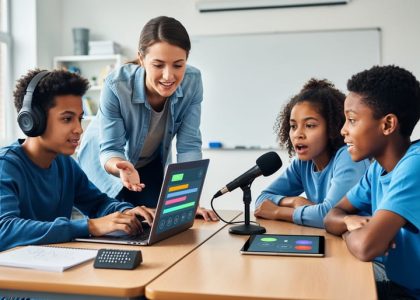
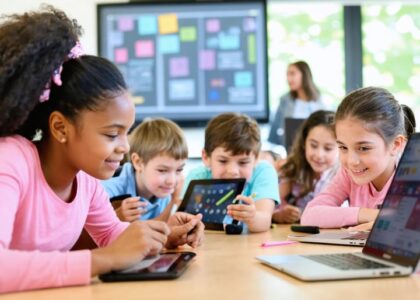
Transform your classroom into a dynamic learning environment with AI-powered strategies that adapt to each student’s unique learning journey. Today’s educational technology offers unprecedented opportunities to personalize instruction, turning the one-size-fits-all approach into a tailored experience that meets students where they are and guides them to where they need to be.
Imagine a classroom where real-time data drives instruction, where students progress at their optimal pace, and where technology seamlessly supports both struggling learners and those ready for additional challenges. This isn’t a future scenario – it’s happening now in classrooms across the country, as educators harness artificial intelligence to create responsive learning environments that maximize student potential.
The integration of AI in education isn’t just about implementing new tools; it’s about fundamentally reimagining how we can better serve every student’s educational needs. Through adaptive assessments, intelligent tutoring systems, and personalized learning pathways, we’re entering an era where technology amplifies rather than replaces the teacher’s role, providing insights and opportunities that were previously impossible to achieve at scale.
As we explore the practical applications of AI in personalized learning, we’ll focus on actionable strategies that any educator can implement, regardless of their technical expertise. The goal is simple: to help you create a more effective, engaging, and equitable learning environment where every student can thrive.
How AI Transforms Individual Learning Paths
Real-Time Assessment and Adaptation
AI-powered personalized learning systems excel at providing continuous, real-time feedback through sophisticated monitoring and assessment capabilities. These adaptive learning technology platforms constantly collect and analyze data about student performance, engagement, and learning patterns.
As students work through assignments and activities, the AI system tracks multiple indicators, including response time, error patterns, and problem-solving approaches. This ongoing assessment goes beyond traditional right-or-wrong evaluations, considering factors such as the student’s learning pace, preferred learning style, and areas where they might be struggling or excelling.
The real power lies in how these systems respond to this information. When a student consistently struggles with certain concepts, the AI automatically adjusts the difficulty level, provides additional support materials, or changes the presentation format. Conversely, when a student demonstrates mastery, the system introduces more challenging content to maintain engagement and promote growth.
Teachers receive regular updates through easy-to-understand dashboards, highlighting areas where students need additional support or enrichment. This real-time feedback loop enables educators to make informed decisions about classroom instruction and provide targeted interventions when necessary, ensuring that every student receives the support they need to succeed.

Smart Content Delivery
AI-powered content delivery revolutionizes the traditional one-size-fits-all approach by adapting to individual learning preferences and styles. When a student interacts with the system, AI algorithms analyze their engagement patterns and responses to determine their optimal learning format. Some students might grasp concepts better through visual presentations, while others may excel with text-based explanations or hands-on interactive exercises.
For example, when teaching a science concept like photosynthesis, the AI system might present the same information in multiple formats: visual learners receive animated diagrams and infographics, auditory learners get narrated explanations and podcast-style content, and kinesthetic learners engage with interactive simulations. This multimodal approach ensures that every student can access and understand the material in their preferred way.
The system continuously refines its delivery method based on student performance and engagement metrics. If a student struggles with one format, the AI automatically adjusts, perhaps combining different presentation styles or introducing new approaches. This dynamic adaptation extends beyond format preferences to include pace, complexity level, and even the time of day when students are most receptive to learning.
Teachers can monitor these adaptations through user-friendly dashboards, helping them understand how their students learn best and informing their in-person instruction methods. This blend of AI-driven content delivery and teacher insight creates a more inclusive and effective learning environment where every student has the opportunity to succeed.
Practical Implementation in Your Classroom
Getting Started with AI Learning Platforms
Embarking on your AI personalized learning journey begins with selecting the right platform for your classroom needs. Start by following our practical implementation roadmap to ensure a smooth transition into AI-enhanced teaching.
First, evaluate your classroom’s specific requirements. Consider factors like your students’ grade levels, subject areas, and existing technology infrastructure. Many platforms offer free trial periods, which are perfect for testing their functionality and user-friendliness before making a commitment.
Popular starter platforms include Khan Academy’s AI tutor, Carnegie Learning’s MATHia, and DreamBox Learning. These systems offer built-in assessment tools and readily available curriculum alignments, making them ideal for first-time AI implementation.
When setting up your chosen platform, begin with these essential steps:
– Create a class profile and input basic student information
– Set learning objectives and customize content parameters
– Familiarize yourself with the dashboard and reporting features
– Schedule a practice session with a small group of students
Remember to start small and gradually expand. Many educators find success by implementing AI tools in one subject area or with a single class before scaling up. Take advantage of available training resources, including tutorial videos, webinars, and user communities.
Most importantly, connect with other educators who are using the same platform. Many AI learning systems have active teacher communities where you can share experiences, ask questions, and gather valuable insights. These connections can provide ongoing support and inspiration as you develop your AI-enhanced teaching practice.
Monitoring and Supporting Student Progress
Effective monitoring of student progress in AI-powered learning environments requires a balanced approach combining technology-driven insights with thoughtful educator oversight. AI-enhanced learning systems provide real-time data analytics that help teachers track individual student achievement, identify learning gaps, and adjust instruction accordingly.
Key strategies for monitoring student progress include establishing clear learning objectives, regularly reviewing performance metrics, and maintaining open communication channels with students. Dashboard tools within AI platforms typically offer visual representations of student progress, making it easier to spot trends and areas needing attention.
To support student success, educators should:
– Review progress reports daily or weekly to identify students who may need additional support
– Use AI-generated insights to create targeted intervention plans
– Schedule regular check-ins with students to discuss their learning journey
– Adjust difficulty levels and learning paths based on performance data
– Celebrate achievements and milestone completions to maintain motivation
Remember that while AI provides valuable data, the human element remains crucial. Combine automated progress tracking with personal observations and student feedback to create a complete picture of each learner’s development. Consider implementing peer support systems and group discussions to foster a collaborative learning environment where students can share experiences and strategies.
Regular communication with parents about their child’s progress in the AI learning environment helps create a supportive network that extends beyond the classroom. This collaborative approach ensures that all stakeholders are aligned in supporting student success.
Addressing Common Challenges
Technology Integration Issues
While AI personalized learning offers tremendous potential, educators often encounter several common technical challenges during implementation. The good news is that most of these issues have practical solutions that can be readily applied in your classroom.
One frequent challenge is limited or inconsistent internet connectivity. To address this, consider implementing offline modes for learning applications and creating backup lesson plans that don’t rely entirely on technology. Downloading content during periods of strong connectivity can ensure continuous learning even when internet access is spotty.
Device compatibility and access present another hurdle. Many schools face the reality of mixed devices or shared computers. Solution-focused approaches include adopting cloud-based platforms that work across different devices and creating rotating schedules for device access. Some schools have found success with BYOD (Bring Your Own Device) policies combined with school-provided devices for students who need them.
Data security and privacy concerns often worry educators and parents alike. Addressing these involves carefully vetting AI learning platforms for compliance with educational privacy laws, maintaining transparent communication with families about data usage, and establishing clear protocols for data handling within your school.
Technical support limitations can slow implementation. Building a peer support network within your school, designating tech-savvy teachers as AI learning champions, and creating simple troubleshooting guides can help address common issues quickly without always requiring IT support.

Maintaining the Human Element
While AI technology offers powerful personalization capabilities, it’s crucial to remember that education is fundamentally a human endeavor. The most effective implementation of AI personalized learning maintains a careful balance between automation and meaningful human interaction.
Teachers remain irreplaceable in providing emotional support, building relationships, and offering nuanced guidance that AI cannot replicate. Consider AI as a supportive tool that frees up time for more meaningful student-teacher interactions rather than a replacement for human connection. When teachers are relieved of repetitive tasks like grading and basic assessment, they can focus on providing personalized mentorship and emotional support.
To maintain this balance, establish regular check-in sessions with students, even when using AI-driven platforms. These face-to-face interactions help ensure that learners feel supported and connected. Create opportunities for group discussions and collaborative projects that foster peer-to-peer relationships, which are essential for social-emotional development.
Remember to regularly assess how AI tools impact classroom dynamics. If students seem increasingly isolated or disconnected, adjust the balance between technology and human interaction. The goal is to use AI to enhance, not diminish, the human elements that make learning meaningful and engaging.
Consider implementing a hybrid approach where AI handles personalized content delivery and progress tracking, while you focus on facilitating discussions, providing emotional support, and guiding higher-order thinking skills.
Measuring Success and Impact
Measuring the impact of AI personalized learning requires a multi-faceted approach that combines both quantitative and qualitative assessment methods. Student progress tracking through built-in analytics tools provides valuable data on academic achievement, completion rates, and learning pace. Regular assessments, including both formative and summative evaluations, help gauge knowledge retention and skill development over time.
Beyond traditional metrics, educators should monitor student engagement levels through participation rates, time spent on tasks, and the frequency of accessing learning resources. Learning analytics dashboards can reveal patterns in student behavior, highlighting areas where intervention may be needed or where teaching strategies are particularly effective.
Feedback collection is equally important. Regular surveys and discussions with students can provide insights into their learning experience, satisfaction levels, and areas for improvement. Parents’ feedback adds another valuable perspective on how the personalized learning approach affects their children’s educational journey.
For a comprehensive evaluation, consider tracking:
– Individual student growth trajectories
– Skill mastery rates
– Adaptive assessment results
– Student self-assessment outcomes
– Engagement metrics
– Time-to-mastery comparisons
– Learning path effectiveness
Remember to document unexpected outcomes and challenges, as these insights can help refine the implementation strategy. Creating benchmark reports at regular intervals (monthly or quarterly) helps track progress systematically and makes it easier to identify trends and make necessary adjustments to the learning experience.
Success in AI personalized learning isn’t just about academic achievements—it’s also about developing independent learning skills, improving student confidence, and fostering a positive attitude toward education. Including these qualitative measures in your evaluation framework provides a more complete picture of the program’s effectiveness.
As we’ve explored throughout this article, AI-powered personalized learning represents a transformative opportunity for education. By embracing these tools thoughtfully and strategically, we can create more engaging, effective, and inclusive learning environments for all students.
Remember that implementing AI personalization doesn’t require an immediate complete overhaul of your teaching methods. Start small by selecting one or two areas where personalized learning could benefit your students most. Whether it’s using adaptive quizzing software or implementing intelligent tutoring systems, each step forward makes a difference.
The key to success lies in maintaining a balance between technology and human connection. As educators, your expertise, empathy, and guidance remain irreplaceable. AI tools are here to enhance your teaching capabilities, not replace your vital role in students’ development.
Consider joining online communities of fellow educators who are also implementing AI personalized learning. Share your experiences, learn from others’ successes and challenges, and continue growing together. Remember that every classroom is unique, and what works for one may need adjustment for another.
As you move forward, stay focused on your students’ needs and regularly assess the impact of AI tools on their learning outcomes. Your commitment to embracing innovative approaches while maintaining meaningful connections with your students will help create a more dynamic and effective educational experience for everyone involved.
Let’s take this journey together, one step at a time, toward a more personalized and inclusive future of education.