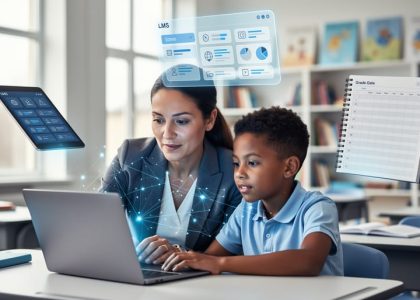
Technology is revolutionizing education at an unprecedented pace, transforming traditional classrooms into dynamic learning environments where students and teachers collaborate in entirely new ways. From artificial intelligence-powered tutoring systems to virtual reality field trips, today’s educational technology offers solutions that were unimaginable just a decade ago. These innovations aren’t just changing how we teach—they’re fundamentally reshaping what’s possible in education, making learning more accessible, engaging, and effective for students of all backgrounds and abilities.
As educators navigate this digital transformation, understanding and implementing these new technologies has become crucial for preparing students for an increasingly digital future. Whether it’s using adaptive learning platforms that personalize instruction, leveraging augmented reality for immersive learning experiences, or implementing learning management systems that streamline classroom administration, these tools are creating opportunities for more individualized, interactive, and impactful educational experiences. The key lies not just in adopting these technologies, but in using them thoughtfully to enhance teaching and learning outcomes while ensuring equitable access for all students.
Artificial Intelligence in Education
Adaptive Learning Platforms
Adaptive learning platforms represent a groundbreaking shift in educational technology, using artificial intelligence to create personalized learning experiences for each student. These intelligent systems continuously analyze student performance, learning pace, and engagement patterns to adjust content difficulty and teaching methods in real-time.
When students interact with these platforms, the AI monitors their responses, time spent on different topics, and areas where they struggle or excel. This data helps create a unique learning pathway that adapts to each student’s needs. For instance, if a student masters multiplication quickly but needs extra practice with division, the platform automatically provides more division exercises while moving forward with advanced multiplication concepts.
Teachers benefit from detailed insights into student progress through comprehensive dashboards and progress reports. These tools help identify learning gaps, suggest intervention strategies, and track improvement over time. Many platforms also include features like gamification elements and interactive exercises to maintain student engagement.
Popular adaptive learning platforms now offer subject-specific content across math, reading, and science, with some systems even adapting to different learning styles – visual, auditory, or kinesthetic – to maximize student success.
Intelligent Tutoring Systems
Intelligent Tutoring Systems (ITS) are revolutionizing personalized learning by providing students with one-on-one virtual support tailored to their unique needs. These AI-powered systems analyze student responses, learning patterns, and progress in real-time, offering customized feedback and adjusting instruction accordingly.
Today’s ITS platforms use sophisticated algorithms to identify knowledge gaps and create personalized learning paths. For example, when a student struggles with fraction multiplication, the system can break down the concept into smaller, more manageable steps and provide additional practice exercises focused on specific areas of difficulty.
These virtual tutors are available 24/7, allowing students to learn at their own pace without feeling pressured or judged. They can offer instant feedback, celebrate progress, and provide encouraging prompts to maintain student engagement. Many systems also include interactive features like virtual whiteboards, speech recognition, and animated explanations to make learning more engaging.
For teachers, ITS platforms provide valuable insights through detailed progress reports and learning analytics, helping them make data-driven decisions about classroom instruction and individual student support needs.

Virtual and Augmented Reality
Virtual Field Trips
Virtual field trips powered by VR technology are revolutionizing how students explore and learn about the world beyond their classroom walls. As VR enables experiential learning, students can visit historical sites, explore marine ecosystems, or walk through ancient civilizations without leaving their seats. These immersive experiences make abstract concepts tangible and memorable.
Teachers can now guide their students through the pyramids of Egypt, dive into the Great Barrier Reef, or explore the International Space Station in real-time. The technology allows for interactive elements where students can manipulate objects, conduct virtual experiments, and engage with their environment in ways previously impossible. This hands-on approach particularly benefits visual and kinesthetic learners, making complex subjects more accessible and engaging.
Many platforms now offer ready-to-use virtual field trip packages complete with lesson plans and assessment tools, making implementation straightforward for educators at all technology comfort levels.
AR Learning Tools
Augmented Reality (AR) learning tools are revolutionizing classroom experiences by overlaying digital content onto the physical world. Teachers can now use AR applications to create immersive learning environments that bring abstract concepts to life. For example, students can explore 3D models of the solar system, examine human anatomy in detail, or interact with historical events through AR visualizations.
Popular AR educational apps like Merge Cube and Google Expeditions allow students to manipulate virtual objects and take virtual field trips, making learning more engaging and memorable. Science teachers particularly benefit from AR tools that demonstrate complex molecular structures or chemical reactions in a safe, controlled environment.
These tools support different learning styles and help students better retain information through hands-on interaction. Many AR applications also include built-in assessment features, enabling teachers to track student progress and understanding in real-time. As AR technology becomes more accessible, schools are finding creative ways to integrate these tools across various subjects, from mathematics to language arts.

Collaborative Learning Technologies
Cloud-Based Learning Platforms
Cloud-based learning platforms have revolutionized how teachers and students collaborate, making education more accessible and interactive than ever before. These digital workspaces enable seamless sharing of resources, real-time feedback, and dynamic group projects, regardless of physical location.
Popular platforms like Google Workspace for Education and Microsoft Teams for Education offer comprehensive tools for document sharing, collaborative editing, and instant communication. Students can work together on presentations, spreadsheets, and documents simultaneously, while teachers can provide immediate guidance and track individual contributions.
These platforms also facilitate flexible learning environments through features like virtual classrooms, shared calendars, and integrated assignment management. Teachers can easily organize materials, create structured learning paths, and maintain digital portfolios of student work. The auto-saving and version history features ensure that work is never lost and progress can be monitored effectively.
For schools transitioning to hybrid or remote learning models, these platforms provide essential infrastructure for maintaining educational continuity. They support various learning styles and accommodate different needs, making education more inclusive and adaptable to modern requirements.
Digital Discussion Tools
Digital discussion tools have revolutionized classroom interactions, creating dynamic spaces where students can engage in meaningful dialogue beyond traditional classroom walls. Popular platforms like Flipgrid and Padlet enable students to share video responses, written comments, and multimedia contributions, fostering a more inclusive learning environment where every voice can be heard.
Tools like Google Jamboard and Miro provide collaborative digital whiteboards where students can brainstorm together, share ideas, and build on each other’s contributions in real-time. These platforms are particularly effective for group projects and peer-to-peer learning activities.
Discussion forums within learning management systems have evolved to include features like threaded responses, emoji reactions, and multimedia integration. Tools such as Parlay and Kialo edu help facilitate structured debates and thoughtful discussions, teaching students critical thinking and respectful discourse skills.
Many of these platforms include moderation features, allowing teachers to guide conversations, provide feedback, and ensure discussions remain productive and inclusive. Analytics tools help track student participation and engagement, making it easier to assess and support student learning through meaningful dialogue.
Assessment and Feedback Innovation
Real-Time Assessment Tools
Real-time assessment tools have revolutionized how teachers evaluate student understanding and provide timely feedback. These innovative platforms allow educators to gauge learning progress instantly, making it easier to adjust teaching strategies on the fly and ensure no student falls behind.
Popular tools like Kahoot!, Quizizz, and Formative enable teachers to create engaging quizzes and assessments that students can complete using their devices. The immediate results help identify knowledge gaps and misconceptions right away, rather than waiting for traditional test results.
Many of these platforms offer features like digital exit tickets, which let students demonstrate their understanding at the end of each lesson. Teachers can quickly review responses and plan the next day’s instruction accordingly. Some tools also include built-in analytics that track student progress over time, helping identify patterns and learning trends.
Interactive polling tools such as Mentimeter and Poll Everywhere encourage whole-class participation, making it comfortable for shy students to contribute their thoughts. These platforms often include features like word clouds and multiple-choice questions, making assessment feel more like an engaging activity than a formal evaluation.
For more detailed assessment needs, platforms like Edulastic and Nearpod offer sophisticated question types and alignment with academic standards, while maintaining the benefits of instant feedback. These tools can significantly reduce grading time while providing more meaningful data about student learning.
Learning Analytics
Learning analytics represents a powerful shift in how educators can understand and support student learning. By leveraging data-driven insights, teachers can now make informed decisions about their teaching strategies while tracking student progress in real-time.
Modern learning analytics platforms collect and analyze various data points, including assignment completion rates, quiz scores, participation levels, and learning pace. These insights help teachers identify struggling students early, recognize learning patterns, and implement targeted interventions before small challenges become major obstacles.
What makes learning analytics particularly valuable is its ability to provide personalized learning experiences. Teachers can see which teaching methods work best for different students, adjust their approach accordingly, and ensure every student receives the support they need to succeed. For example, if data shows that certain students consistently struggle with specific types of math problems, teachers can provide additional resources or modify their teaching approach for those concepts.
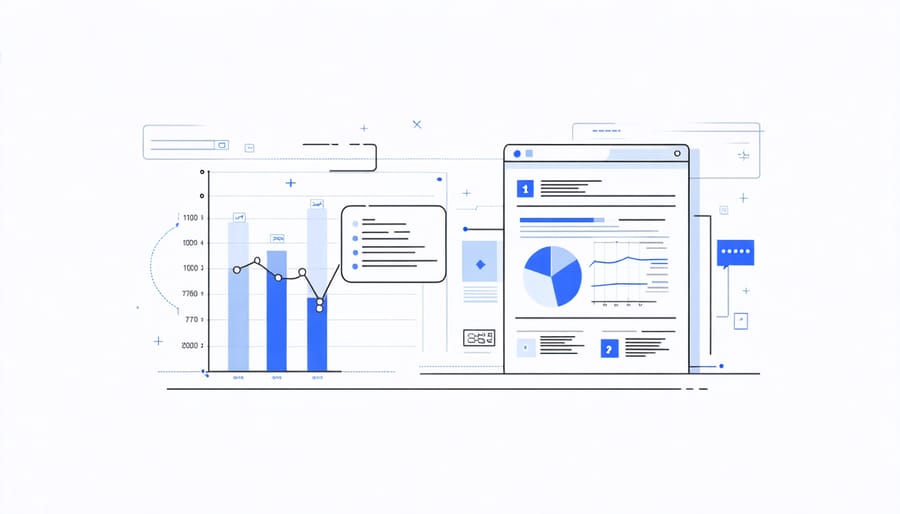
The dashboard interfaces of these tools are typically user-friendly, presenting information through easy-to-understand visualizations and reports. This accessibility means teachers can spend less time analyzing data and more time acting on insights to improve student outcomes. Many platforms also offer predictive analytics features, helping educators anticipate and address potential learning challenges before they impact student performance.
The integration of new technologies in education has fundamentally transformed the learning landscape, creating more engaging, accessible, and personalized educational experiences. From artificial intelligence-powered tutoring systems to virtual reality classrooms, these innovations have opened up unprecedented opportunities for both teachers and students. As we look to the future, we can expect to see even more sophisticated tools emerging, including advanced analytics for personalized learning paths and immersive technologies that break down geographical barriers. The key to success lies in thoughtfully implementing these technologies while maintaining the human connection that is essential to effective teaching. By embracing these digital tools while preserving core pedagogical principles, educators can create dynamic learning environments that prepare students for an increasingly digital world. The future of education technology promises to be both exciting and transformative, offering solutions that can adapt to diverse learning needs and create more equitable educational opportunities for all students.