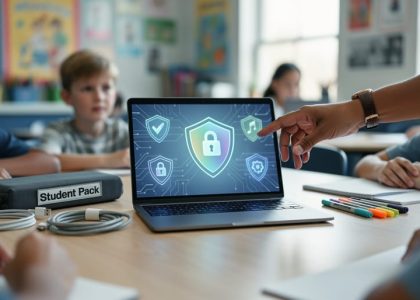
Kansas social-emotional learning standards provide clear benchmarks for teaching self-awareness, relationship skills, and responsible decision-making across all grade levels, and integrating social media literacy into these standards is not just timely but essential. Your students navigate digital spaces daily, making choices about what to share, whom to trust, and how to respond to conflict online. These moments are rich opportunities to meet SEL competencies while building skills they’ll use immediately.
The connection between Kansas SEL standards and digital citizenship is straightforward. When students evaluate the credibility of online information, they’re practicing responsible decision-making. When they consider the impact of their comments before posting, they’re applying self-management and social awareness. The standards you’re already required to address align naturally with the challenges students face on social media platforms.
You don’t need to abandon your current SEL curriculum or become a technology expert. Instead, you can weave digital literacy into existing lessons, using real scenarios your students encounter to make abstract concepts concrete. A conversation about healthy friendships becomes more relevant when you discuss how those friendships play out in group chats. A lesson on empathy gains depth when students consider the person behind the screen.
This integration addresses a gap many educators recognize: students need guidance in spaces where they spend significant time, and traditional SEL instruction sometimes feels disconnected from their lived experiences. By grounding Kansas standards in the digital contexts students know well, you create learning that sticks. The strategies ahead will show you exactly how to make this connection in your classroom, with resources designed for Kansas educators who want to meet state requirements while preparing students for the world they actually inhabit.
Understanding Kansas Social-Emotional Learning Standards
Kansas adopted its Social-Emotional Learning Standards to give students essential life skills that reach far beyond academic achievement. These standards recognize that students need more than subject knowledge, they need the ability to understand themselves, connect with others, and make thoughtful decisions in an increasingly complex world.
The Kansas SEL framework centers on five interconnected competencies that form the foundation of emotional intelligence and interpersonal effectiveness. Understanding these competencies is the first step toward recognizing how naturally they extend into the digital spaces where students spend significant time.
- Self-Awareness
- The ability to recognize one’s emotions, values, strengths, and limitations. This competency includes understanding how thoughts and feelings influence behavior in various contexts.
- Self-Management
- The capacity to regulate emotions, thoughts, and behaviors effectively across different situations. This encompasses managing stress, controlling impulses, and setting and working toward goals.
- Social Awareness
- The skill of taking perspective and empathizing with others from diverse backgrounds and cultures. Students learn to recognize social norms and identify available support systems.
- Relationship Skills
- The ability to establish and maintain healthy relationships through clear communication, active listening, cooperation, and constructive conflict resolution. These skills support collaboration in school, work, and community settings.
- Responsible Decision-Making
- The capacity to make constructive choices about personal behavior and social interactions based on ethical standards, safety concerns, and social norms. This includes evaluating consequences and considering the wellbeing of self and others.
What makes these competencies particularly relevant today is their direct application to students’ digital lives. When a student pauses before posting a heated comment online, they’re practicing self-management. When they consider how their words might affect someone reading their message, they’re demonstrating social awareness. The Kansas standards weren’t written with social media in mind, but they describe exactly the skills students need to navigate online spaces with integrity and empathy.
The framework intentionally avoids prescriptive teaching methods, giving educators flexibility to address these competencies through various subjects and contexts. This flexibility is crucial because it allows you to integrate digital citizenship naturally rather than treating it as an add-on curriculum. The standards create space for addressing the real challenges students face, including the complicated social dynamics that now play out across both physical and digital environments.
Kansas educators who embrace this framework aren’t just checking compliance boxes. They’re equipping students with transferable skills that matter in every interaction, whether face-to-face in a classroom or screen-to-screen on a social platform. The connection between SEL and digital citizenship isn’t forced, it’s organic and essential.
The Intersection of SEL and Social Media Literacy
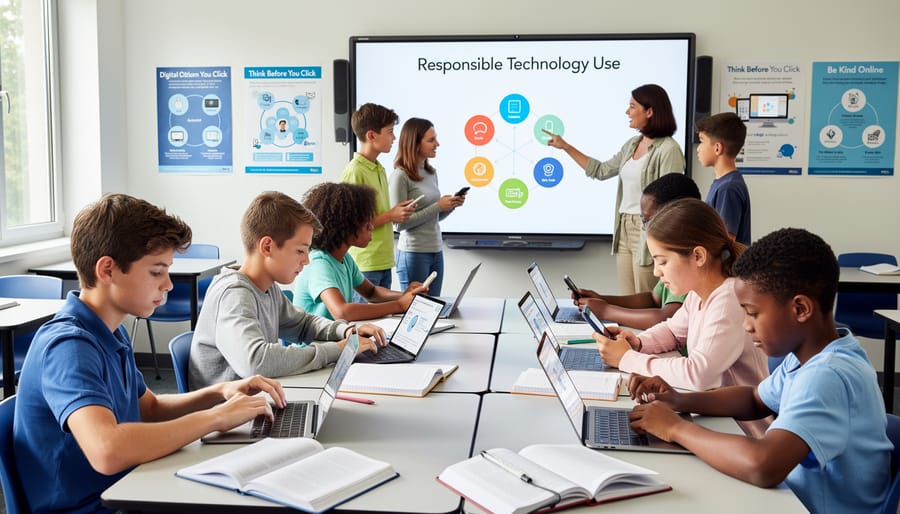
Students spend an average of seven to nine hours daily engaging with digital media, yet most K-12 curricula still treat online spaces as peripheral to “real” social and emotional development. This disconnect leaves a critical gap. When a middle schooler faces a cyberbullying incident, loses sleep scrolling through comparison-driven feeds, or shares personal information without understanding consequences, they’re encountering social-emotional challenges that demand the same skills Kansas standards aim to build.
Social media literacy isn’t a separate subject competing for instructional time. It’s where your students already practice self-awareness, relationship skills, and decision-making daily. The difference is whether they’re developing these competencies intentionally with your guidance or haphazardly through trial and error.
Consider what happens when a student posts a photo. They’re making decisions about self-presentation (self-awareness), managing impulses to seek validation through likes (self-management), interpreting comments and reactions from peers (social awareness), navigating complex group dynamics in comment threads (relationship skills), and weighing privacy against social connection (responsible decision-making). Every interaction maps directly to Kansas’s five SEL competencies.
The distinction between online and offline social-emotional skills has become artificial. Students don’t compartmentalize their identities. A conflict that starts in the cafeteria continues in group chats. Friendships form and fracture across both spaces. Self-esteem rises and falls based on digital feedback loops. Ignoring the digital dimension of SEL means addressing only half of where students actually live their social and emotional lives.
Teaching SEL without addressing digital contexts is like teaching conflict resolution but insisting students never discuss disagreements that happen outside the classroom. It renders your instruction incomplete and less relevant to the environments where students need these skills most urgently. The question isn’t whether to integrate digital citizenship into SEL, but how to do it effectively while meeting the standards you’re already required to teach.
Mapping Social Media Literacy to Kansas SEL Standards
Self-Awareness and Digital Identity
Kansas’s self-awareness standards call for students to recognize their emotions, values, and how their thoughts influence behavior, skills that translate directly to understanding digital identity. When students examine how they present themselves online, they engage in the same reflective process: What do my posts reveal about me? How do others perceive my digital persona? Do my online actions align with my values?
Teaching digital reputation strengthens self-awareness by making the abstract concrete. Ask students to audit their social media profiles as if meeting themselves for the first time. What patterns emerge? What impression would a college admissions officer or future employer form? This reflection builds metacognitive skills while addressing Kansas’s competency around recognizing personal strengths and areas for growth. Students learn that their digital footprint isn’t separate from their identity, it’s an extension of it, requiring the same intentionality they apply to face-to-face interactions.
Self-Management and Screen Time Balance
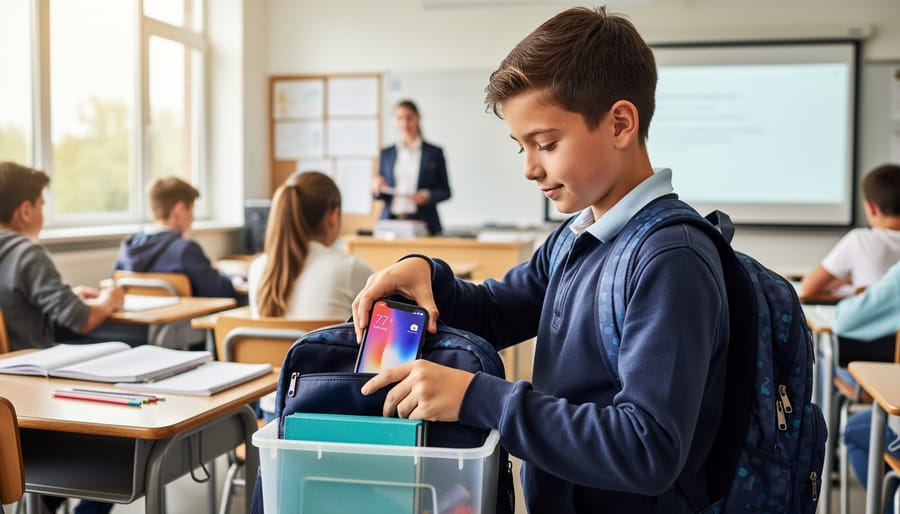
Kansas’s self-management standards focus on students’ ability to regulate emotions, control impulses, and manage stress, skills that directly apply to how they use technology. Rather than simply limiting screen time through rigid rules, educators can teach students to recognize their own patterns and make intentional choices about when, why, and how they engage with social media.
Start by helping students identify emotional triggers that lead to excessive scrolling or impulsive posting. When a student feels anxious or bored, do they automatically reach for their phone? Teaching them to pause and ask “What do I need right now?” builds the self-awareness required for impulse control. This connects directly to Kansas’s emphasis on recognizing emotions and choosing appropriate responses.
Stress management lessons naturally extend to digital habits. Students can learn to notice physical cues, tight shoulders, eye strain, restlessness, that signal they need a break from screens. Introduce simple strategies like the 20-20-20 rule (every 20 minutes, look at something 20 feet away for 20 seconds) or setting intentional boundaries around homework time. The goal isn’t restriction but helping students develop their own systems for balance.
Digital responsibility means students understand the why behind their choices, not just following external limits. When they can articulate “I’m logging off because I need to recharge” or “I’m waiting an hour before responding because I’m upset,” they’re demonstrating genuine self-management, and fulfilling Kansas SEL standards while building lifelong digital wellness habits.
Social Awareness and Online Empathy
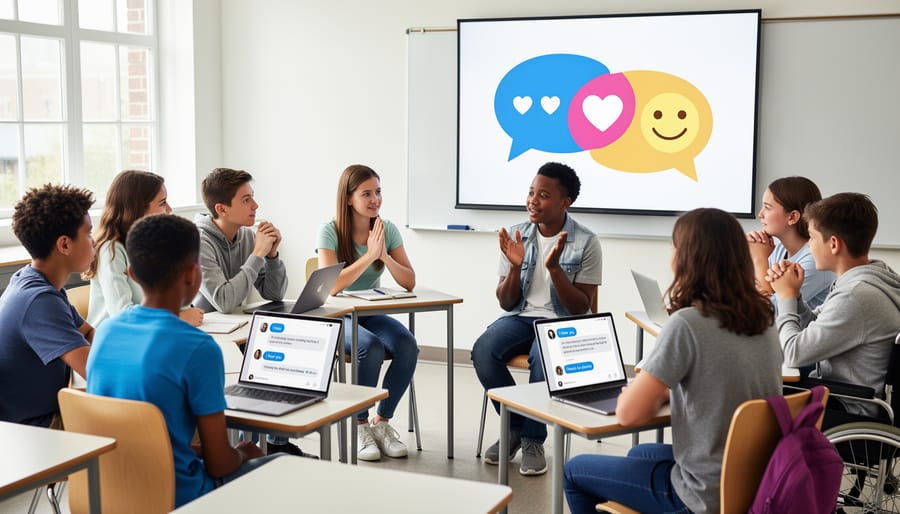
Kansas’s social awareness standards, which emphasize understanding diverse perspectives and practicing empathy, translate directly into essential online skills. When students scroll through social media, they encounter viewpoints shaped by different cultures, experiences, and identities. Teaching them to pause before reacting, consider the context behind a post, and recognize that a screen doesn’t diminish someone’s humanity builds the empathy muscle SEL prioritizes.
Classroom activities might include analyzing how tone shifts in text-only communication, discussing why certain content resonates with different communities, or exploring how algorithms can create echo chambers that limit exposure to diverse voices. Students practicing social awareness online learn to ask “What might this person be experiencing?” rather than defaulting to judgment, a skill that strengthens both their digital and face-to-face relationships.
Relationship Skills and Digital Communication
Students who master relationship skills offline still struggle when they move those interactions to screens. The Kansas SEL standards for relationship skills, including communication, cooperation, and navigating conflict, apply directly to digital spaces, but students need explicit instruction to transfer these abilities online.
Teaching students to read tone without nonverbal cues becomes essential. Help them practice adding context to messages, choosing when a video call serves better than text, and recognizing how emojis can clarify or confuse intent. Role-play scenarios where students rewrite potentially harsh comments with clarity and respect, or where they must decide whether to respond publicly or privately to a friend’s distressing post. These exercises build the muscle memory students need for healthy digital relationships, transforming abstract SEL competencies into practical skills they’ll use every day.
Responsible Decision-Making and Digital Citizenship
Responsible decision-making sits at the heart of digital citizenship. Kansas SEL standards call for students to evaluate consequences and make constructive choices, skills that translate directly to every post, share, and click online.
Teaching critical thinking about digital decisions means helping students pause before they post. What information is safe to share? Who might see this content beyond their intended audience? Does sharing this meme or message align with their values?
Privacy literacy becomes a practical application of consequence evaluation. Students learn to weigh the trade-offs of app permissions, understand how their data gets used, and recognize when “free” services come at a cost to their information.
Ethical online behavior extends beyond avoiding obvious problems like cyberbullying. It includes questioning viral misinformation, considering whether to amplify harmful content through shares, and recognizing their responsibility as digital citizens who shape online communities through their choices.
Practical Strategies for Classroom Integration
Start small and build gradually. Rather than overhauling your entire SEL curriculum, integrate social media literacy through micro-lessons that take just 5-10 minutes of class time. Before a discussion activity, spend three minutes having students practice paraphrasing online comments to build relationship skills. During morning meetings, use a quick “Would you post this?” scenario to reinforce responsible decision-making. These brief touchpoints create consistent practice without demanding additional curriculum time.
Leverage real student experiences as teaching moments. When conflicts arise from group chats or social media misunderstandings, address them through your existing SEL framework rather than as separate disciplinary issues. A sixth-grade teacher in Wichita transformed a screenshot-sharing incident into a powerful lesson on digital empathy by asking students to identify the emotions involved and brainstorm alternative responses that showed social awareness. The key is framing these moments as opportunities to practice SEL competencies in digital contexts.
Create classroom norms collaboratively using both physical and digital scenarios. Have students develop agreements for respectful communication that explicitly apply to online and offline interactions. When a class establishes “We listen without interrupting” as a norm, extend the conversation to discuss what listening looks like in digital spaces: reading full comments before responding, considering tone, avoiding all-caps. This approach reinforces that SEL skills transcend environments rather than treating digital citizenship as separate content.
Use think-alouds to model SEL competencies in digital situations. When sharing content with your class, verbalize your decision-making process: “Before I post this resource to our class page, I’m checking the source and thinking about whether it serves everyone’s learning needs.” This demonstrates self-management and responsible decision-making in action. Students need to see adults applying SEL skills to technology decisions, not just lecturing about proper behavior.
Incorporate reflection protocols that bridge online and offline experiences. A simple journal prompt like “Describe a time this week when you showed empathy online” helps students recognize they’re already practicing social awareness in digital spaces. Exit tickets asking “What self-management skill did you use when you felt frustrated by something you saw online?” reinforce the connection between their existing SEL vocabulary and their digital lives.
Partner activities work particularly well for practicing relationship skills in digital contexts. Have pairs review sample social media conversations and identify where communication broke down or succeeded, using your classroom’s SEL language. Students might label instances of active listening, perspective-taking, or conflict escalation. This collaborative analysis builds critical thinking while practicing the very skills you’re teaching.
Design authentic audience projects that require students to apply multiple SEL competencies simultaneously. Creating content for younger students about online safety demands social awareness, responsible decision-making, and relationship skills. These projects make social media literacy tangible while meeting Kansas standards through genuine application rather than theoretical discussion.
Age-Appropriate Approaches Across K-12
Teaching social media literacy through the lens of Kansas SEL standards requires careful attention to where students are developmentally. A kindergartener and a high school senior both need digital citizenship skills, but their capacity for understanding online spaces differs dramatically.
The key is meeting students where they are while building toward the same competencies. Elementary students are just beginning to grasp the permanence of digital actions, while high schoolers navigate complex issues of online identity and peer pressure. Your approach should scaffold skills across grade bands, deepening understanding as students mature.
| Grade Band | SEL Focus Areas | Example Activities |
|---|---|---|
| K-2 | Emotions online, kind words, asking for help | Role-play digital conversations, create class rules for kind online behavior, practice identifying helpful vs. hurtful messages |
| 3-5 | Digital footprint basics, privacy awareness, responsible sharing | Trace how information spreads online, discuss what’s safe to share, analyze age-appropriate scenarios about oversharing |
| 6-8 | Online reputation, peer influence, empathy in digital spaces | Examine real-world cases of digital miscommunication, practice responding to stop cyberbullying scenarios, create personal digital ethics codes |
| 9-12 | Digital identity formation, ethical decision-making, long-term consequences | Debate content moderation policies, analyze how algorithms shape perspectives, develop strategies for managing college/career digital presence |
For elementary students, focus on concrete experiences. Young learners understand “being kind” more readily than abstract concepts like digital citizenship. Use stories, puppets, or simple role-playing to demonstrate how words and pictures shared online can help or hurt others. Keep technology references general since many students won’t have personal social media accounts yet.
Middle school marks a critical transition. Most students now have smartphones and active social media presence. They’re navigating friend drama, social comparison, and identity formation, all amplified online. This is when you can dig into the messier realities: what happens when a private message gets screenshotted, how to handle being left out of group chats, or recognizing when someone needs support.
High schoolers need space to grapple with nuance. They’re making decisions about their digital footprint that will follow them to college and careers. Move beyond “do’s and don’ts” toward ethical frameworks they can apply independently. Encourage them to examine systemic issues like misinformation, echo chambers, and the responsibilities of digital creators. At this level, students should be ready to lead their own social media literacy initiatives, mentoring younger students and shaping school policy.
Addressing Common Implementation Challenges
Teaching social media literacy within your SEL curriculum might feel daunting, especially when you’re navigating district policies, parent concerns, and limited resources. You’re not alone in facing these hurdles, and most of them have workable solutions that other Kansas educators have successfully implemented.
District Policy Constraints
Many districts have strict acceptable use policies that seem to prohibit discussing social media in classrooms. Start by reframing your approach: you’re teaching critical thinking and responsible decision-making (Kansas SEL standards), not promoting social media use. Present your plans using the language of SEL competencies rather than focusing on specific platforms. If policies block access to social media sites, use screenshots, case studies, or scenario-based discussions instead of live demonstrations. Request a meeting with your technology coordinator to explain how your instruction aligns with both SEL standards and digital citizenship goals, most districts support these objectives even if their policies need clarification.
Parental Pushback
Some parents worry that classroom discussions will encourage social media use or expose younger students to inappropriate content. Address this proactively by sending home a letter explaining how your instruction supports the Kansas SEL framework and prepares students for the digital world they already inhabit. Emphasize that you’re teaching critical evaluation skills, not platform tutorials. Consider hosting a parent information session where you demonstrate age-appropriate activities and share research on why these skills matter. Most parental concerns ease once families understand you’re equipping their children with protective skills, not introducing new risks.
Resource and Time Limitations
You don’t need specialized curricula or additional class periods. Start small by embedding digital scenarios into existing SEL lessons. Replace a traditional conflict resolution scenario with a digital communication example. Use free resources from organizations like Common Sense Media that align with Kansas standards. Collaborate with colleagues to share lesson plans and divide preparation work, making implementation more manageable for everyone.
Resources and Professional Development
Finding the right resources can make all the difference when you’re ready to integrate social media literacy into your SEL instruction. Kansas educators have access to several high-quality tools designed specifically to support this work without overwhelming your already full schedule.
Start with Kansas MTSS & Alignment, the state’s official repository for social-emotional learning resources. Their SEL toolkit includes assessment tools and implementation guides that directly reference Kansas standards. The Kansas State Department of Education also offers free webinars on SEL instruction throughout the school year, often featuring Kansas teachers sharing practical classroom applications.
Common Sense Education provides one of the most comprehensive digital citizenship curricula available, with lessons explicitly mapped to SEL competencies. Their materials span K-12 and include ready-to-use presentations, student handouts, and family communication resources. The Digital Wellness Lab at Boston Children’s Hospital offers research-based lesson plans that connect perfectly to self-management and responsible decision-making standards, particularly around screen time and mental health.
For professional learning, CASEL (Collaborative for Academic, Social, and Emotional Learning) hosts regional workshops that help educators deepen their understanding of how digital citizenship fits within SEL frameworks. The International Society for Technology in Education (ISTE) offers certification programs in digital citizenship education that align well with Kansas standards.
Teach Find’s platform provides targeted support for educators navigating this integration:
- Interactive lesson plan builder that aligns social media literacy activities with specific Kansas SEL competencies
- Community forums where Kansas educators share implementation strategies and troubleshoot challenges together
- Comprehensive digital security framework that addresses privacy and safety concerns within your SEL curriculum
- Monthly virtual roundtables featuring Kansas teachers discussing real classroom successes and obstacles
Don’t overlook your own district’s instructional technology specialists. They often have access to site licenses for premium resources and can help you navigate any district-specific policies around social media education. Many Kansas districts have also established SEL leadership teams that welcome teachers interested in expanding digital citizenship instruction.
The connection between Kansas social-emotional standards and social media literacy isn’t just a convenient pairing, it’s a natural evolution of what SEL has always been about: helping students navigate relationships, make thoughtful decisions, and understand themselves in the context of their world. Today, that world is increasingly digital, and the skills students need to thrive there align directly with the competencies Kansas has already prioritized.
You don’t need to add something extra to your already full plate. Social media literacy lives within the SEL framework you’re already teaching. When students learn to pause before posting, they’re practicing self-management. When they consider how their words affect others online, they’re building social awareness. Every digital citizenship skill reinforces a core SEL competency, making your instruction more relevant to the lives students are actually living.
The students in your classroom are forming identities, building relationships, and making decisions in digital spaces right now. By integrating social media literacy into your SEL approach, you’re not just checking off standards, you’re giving them tools they’ll use every single day, both in school and beyond.
You’re not alone in this work. Thousands of Kansas educators are navigating these same challenges and discovering what works in their classrooms. Share your experiences, ask questions, and learn from others in our community forums. Together, we can help every student develop the emotional intelligence and digital wisdom they need to succeed in both worlds.