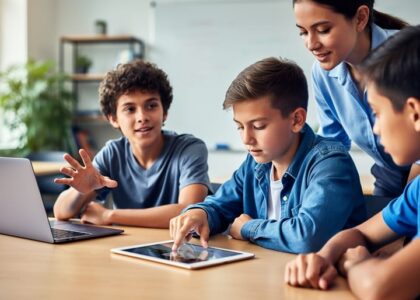
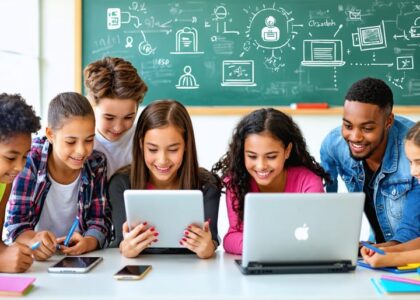
In today’s digital classroom, social media literacy stands at the intersection of traditional education and modern communication, fundamentally reshaping how students learn, share, and process information. As educators, we face the critical challenge of preparing students to navigate an increasingly complex digital landscape where information flows continuously through social platforms, shaping opinions and worldviews at unprecedented speeds.
The convergence of traditional literacy skills with digital competencies has created a new imperative for educational institutions. Students must now master not only reading and writing but also the ability to critically evaluate social media content, understand digital citizenship, and effectively communicate across multiple platforms. This evolution in literacy demands a transformed approach to teaching, one that acknowledges social media as both a powerful learning tool and a potential source of misinformation.
Recent studies indicate that over 95% of teens regularly use social media, making it essential for educators to bridge the gap between traditional academic literacy and digital fluency. By integrating social media literacy into our curriculum, we empower students to become discerning consumers and responsible creators of digital content, preparing them for success in an increasingly interconnected world.
This comprehensive exploration will guide educators through effective strategies for teaching social media literacy while fostering critical thinking and digital citizenship in today’s classroom environment.
The Digital Landscape of Today’s Students
Social Media Platforms in Education
Today’s most popular social media platforms offer unique opportunities for educational engagement. Instagram’s visual-first approach makes it ideal for creative projects, visual storytelling, and art portfolios. Students can create educational infographics, photo essays, or document science experiments through posts and stories.
Twitter’s concise format helps students practice clear, precise communication and develop summarization skills. It’s particularly effective for following current events, participating in educational chats, and connecting with experts in various fields.
YouTube remains a cornerstone for educational content, offering everything from tutorial videos to full lectures. Teachers can create classroom channels, while students can develop video presentations and documentaries, enhancing both digital creation and presentation skills.
Google Classroom integration with various social platforms allows for seamless sharing of educational content and collaboration. Pinterest serves as an excellent resource for lesson planning and student project inspiration, while LinkedIn helps older students explore career opportunities and professional networking.
When implementing these platforms, focus on age-appropriate usage and digital citizenship principles. Start with one platform and gradually expand based on your classroom’s needs and comfort level.

Current Challenges and Opportunities
Today’s educators face a complex landscape where traditional literacy intersects with digital communication. Students are increasingly engaging with social media platforms, creating both challenges and opportunities in the classroom. The primary challenge lies in keeping pace with rapidly evolving platforms and technologies while ensuring students develop critical thinking skills.
Many teachers report feeling overwhelmed by the need to stay current with social media trends while maintaining academic standards. Additionally, addressing misinformation and digital citizenship has become crucial yet challenging, particularly when students encounter conflicting information online.
However, these challenges present valuable opportunities. Social media provides authentic contexts for teaching digital literacy, offering real-world examples that resonate with students. Educators can leverage students’ natural interest in social platforms to teach verification skills, responsible posting, and effective online communication.
The rise of educational technology and social learning tools has also created opportunities for collaborative learning and global connections. By embracing these tools thoughtfully, teachers can create engaging lessons that prepare students for digital citizenship while meeting curriculum requirements.
Core Components of Social Media Literacy
Critical Thinking and Content Evaluation
In today’s fast-paced social media landscape, teaching students to become critical digital consumers is essential for their academic and personal success. Start by introducing students to the CRAAP method (Currency, Relevance, Authority, Accuracy, and Purpose) as a foundation for evaluating online content. This systematic approach helps students develop a natural skepticism toward information they encounter on social media platforms.
Encourage students to ask key questions when engaging with social media content: Who created this? What’s their motivation? Is this fact or opinion? Can I verify this information through other reliable sources? Create classroom activities where students analyze real social media posts, identifying potential biases, misleading information, or manipulation techniques.
Implement collaborative fact-checking exercises where students work in pairs to verify viral social media claims using trusted sources. This hands-on approach helps them understand the importance of cross-referencing information and identifying credible sources. Consider using current trending topics as examples to maintain student engagement and demonstrate the real-world relevance of these skills.
Remember to emphasize the role of emotional responses in sharing content and teach students to pause and evaluate before spreading information. By incorporating these critical thinking strategies into daily lessons, we help students become more discerning consumers and creators of social media content.

Digital Citizenship and Online Ethics
Teaching digital citizenship is crucial for helping students navigate social media responsibly and safely. As educators, we must guide students to understand that their online actions have real-world consequences and create lasting digital footprints that can impact their future opportunities.
Start by introducing students to the concept of digital citizenship through relatable examples and interactive discussions. Help them understand that every post, comment, and share becomes part of their digital identity. Encourage students to pause and reflect before posting by asking themselves key questions: “Is this kind?” “Is this true?” “Would I be comfortable with my family seeing this?”
Create classroom activities that demonstrate how information spreads online and the importance of privacy settings. Use role-playing exercises to explore scenarios involving cyberbullying, online harassment, and responsible content sharing. This hands-on approach helps students develop empathy and critical thinking skills essential for ethical online behavior.
Emphasize the importance of crediting sources, respecting intellectual property, and understanding copyright basics. Teach students about digital consent, particularly regarding sharing photos or information about others. Help them develop strategies for maintaining a positive online presence while protecting their personal information.
Remember to model good digital citizenship in your own online behavior and celebrate students who demonstrate responsible social media use. By fostering these skills early, we prepare students to become thoughtful, ethical participants in the digital world.
Practical Implementation Strategies
Classroom Activities and Projects
Here are several grade-appropriate activities to help engage students through social media while building essential literacy skills:
Elementary Grades (K-5):
Create a classroom “social wall” where students post paper messages and practice positive commenting. Students can share book reviews, science observations, or math solutions, learning digital citizenship concepts in a controlled environment.
Middle School (6-8):
Develop a mock social media campaign for a historical figure or literary character. Students research their subject, create appropriate posts, and craft responses that demonstrate understanding of both the content and responsible online communication.
High School (9-12):
Analyze trending topics across different platforms, comparing how information spreads and changes. Students can fact-check viral content, examine source credibility, and create infographics explaining their findings.
Cross-Grade Projects:
– Social Media Documentation Journal: Students track their daily social media use and reflect on their habits
– Digital Citizenship Portfolio: Create guidelines for responsible online behavior
– Content Creation Workshop: Practice writing clear, concise messages for different platforms
– Peer Review Sessions: Students evaluate each other’s digital content for accuracy and effectiveness
These activities can be modified based on your classroom needs and technology access levels.
Assessment and Monitoring
Effectively monitoring student progress in social media literacy requires a balanced approach combining traditional assessment methods with digital-age evaluation tools. Teachers can implement pre and post-unit surveys to gauge students’ understanding of social media concepts and their confidence in applying critical thinking skills online.
Digital portfolios serve as excellent assessment tools, allowing students to document their journey through social media literacy learning. Students can collect examples of responsible social media use, analyze online interactions, and reflect on their growing understanding of digital citizenship.
Real-world application projects provide authentic assessment opportunities. These might include creating social media awareness campaigns, developing peer education materials, or conducting small-scale research on social media trends within their school community. Rubrics specifically designed for these projects should evaluate both technical understanding and ethical decision-making skills.
Regular check-ins through class discussions and quick online polls help teachers identify areas where students need additional support. Peer assessment activities, when properly structured, can enhance learning while providing valuable feedback on students’ grasp of concepts.
Progress tracking tools, such as digital badges or achievement systems, can motivate students while providing clear indicators of skill development. Teachers should maintain observation logs to document student behavior changes and growing awareness of responsible social media use, sharing these insights with parents during conferences to support home-school partnership in digital literacy education.
Parent and Community Involvement
Engaging parents and community members in social media literacy education creates a powerful support network that reinforces classroom learning. Start by organizing family workshops where parents and students can learn together about responsible social media use. These sessions can include hands-on activities like creating family media agreements and exploring privacy settings on popular platforms.
Consider establishing a parent resource portal on your school website with regularly updated tips, guides, and current trends in social media. This keeps families informed and equipped to continue discussions at home. Encourage parents to model positive digital citizenship by sharing their own social media experiences and discussing online challenges with their children.
Community partnerships can significantly enhance literacy efforts. Invite local technology professionals, digital safety experts, or social media influencers to speak at school events. These real-world perspectives help students understand the broader implications of their online presence. Create opportunities for students to apply their social media literacy skills through community service projects, such as helping senior citizens navigate social platforms or creating digital safety awareness campaigns.
Regular communication between teachers and parents about social media trends and concerns helps create a unified approach to digital literacy. Consider implementing a monthly newsletter or digital citizenship bulletin that highlights classroom activities and provides conversation starters for families. This collaborative approach ensures that students receive consistent guidance both at school and at home.
Safety and Well-being Considerations
Digital Safety Protocols
Protecting student privacy and security in the digital age requires a comprehensive approach that combines technology safeguards with informed practices. Begin by establishing clear classroom guidelines for sharing personal information online and implementing strong password policies. Students should learn to create unique, complex passwords and understand the importance of never sharing their login credentials.
Enable privacy settings on all educational platforms and regularly review these settings with students. Teach them to recognize potential security risks, such as phishing attempts and suspicious links. Implementing two-factor authentication where possible adds an extra layer of protection for student accounts.
Consider using monitoring tools that help prevent cyberbullying and inappropriate content while respecting student privacy. Create a reporting system that allows students to confidentially share concerns about online safety issues.
Document all digital safety protocols and share them with parents to ensure consistent implementation at home and school. Regular updates to these protocols help address emerging digital threats and maintain a secure learning environment for all students.

Mental Health and Social Media
As educators, we must recognize the profound impact social media can have on our students’ mental health and well-being. Research shows that excessive social media use can contribute to anxiety, depression, and low self-esteem among young people. However, by implementing thoughtful strategies, we can help students develop a healthier relationship with digital platforms.
Consider creating designated “digital wellness zones” in your classroom where students can practice mindfulness and take breaks from screen time. Encourage open discussions about social media pressure, cyberbullying, and the importance of maintaining authentic connections both online and offline.
Teaching students to recognize warning signs of digital burnout is crucial. Help them develop healthy boundaries by introducing the “PAUSE” method: Purpose (why am I logging in?), Awareness (how do I feel?), Understanding (is this beneficial?), Self-care (do I need a break?), and Engagement (am I connecting meaningfully?).
Partner with school counselors to create support systems for students struggling with social media-related stress. Remember that modeling positive digital habits yourself can significantly impact your students’ approach to social media use.
As we’ve explored throughout this article, the intersection of literacy and social media presents both challenges and opportunities for educators. Our students are growing up in a digital landscape that demands new forms of literacy, critical thinking, and responsible online behavior. By embracing these challenges head-on, we can help create a generation of digitally literate citizens who can navigate social media safely and meaningfully.
The key to success lies in our ability to adapt traditional literacy skills to the digital realm while developing new competencies specific to social media environments. This includes fostering critical evaluation of online content, understanding digital citizenship, and promoting responsible content creation. As educators, our role extends beyond teaching these skills to modeling them in our own professional practice.
Looking ahead, we must remain flexible and responsive to emerging trends in social media and digital communication. This means staying informed about new platforms, evolving digital literacy standards, and emerging best practices in social media education. Additionally, we should continue building strong partnerships with families and communities to ensure a consistent approach to social media literacy education.
Remember that small steps lead to significant progress. Start with one strategy, perfect it, then gradually incorporate others. Share your successes and challenges with fellow educators, and don’t hesitate to adapt these approaches to meet your students’ unique needs. Together, we can help our students thrive in an increasingly connected world.