
Sourcing research peptides for a Canadian lab comes down to three habits: confirm the regulatory requirements with official sources, vet every supplier in writing (such as Kylo Peptides), and keep a complete paper trail from order to storage. Do those well and you protect your data, your students, and your institution. A reliable first pass takes a few hours of upfront work, and the prerequisite is simple: get your institution’s approval process lined up before you place any order.
Suppliers vary widely in quality, so start by comparing a few against the same checklist: documented purity testing, a clear Certificate of Analysis (CoA) for each lot, transparent labelling, and responsive customer support. Ask what documentation ships with every order, and confirm how import and customs paperwork is handled.
For school-based and educational labs, sourcing is also a chance to model good practice. Walking students through how a purchase gets approved, documented, and stored is a hands-on lesson in ethics in STEM, and it shows that careful science starts well before the first experiment.
This guide walks through each step, from regulation to storage, with FAQs at the end. You’ll also find pointers to interactive tools and community forums where educators compare notes and share what works.
What Research Peptides Are (and Where They Fit in Education)
Research peptides are short chains of amino acids, the same building blocks that make up proteins, assembled in a lab for scientific investigation. Researchers use them to study how cells signal, how enzymes work, and how molecules interact. If you’ve ever taught protein structure in a biology unit, you already have the foundation to understand them.
One distinction matters right away. Materials labeled “research use only” are made for laboratory work. They are not approved medicines, and they are not intended for human or animal consumption. That label is a boundary, and respecting it protects students, staff, and your institution.
Here are a few terms you’ll run into while sourcing:
- Peptide
- A short chain of amino acids linked together, generally smaller than a full protein.
- Research use only (RUO)
- A designation meaning a material is intended for laboratory investigation, not for use in people or animals.
- Certificate of analysis (CoA)
- A document from the supplier that reports testing results for a specific batch of material.
- Purity
- A measure of how much of the material is the intended compound rather than leftover byproducts.
- Synthesis
- The process of building a peptide in the lab, one amino acid at a time.
- Lyophilized
- Freeze-dried into a stable powder, which is how many peptides are shipped and stored.
So where does this fit in education? You’ll most often see peptides in advanced biology courses, biochemistry electives, dual-credit labs, and early post-secondary programs. They can also come up in teacher professional development, where educators explore how modern research is done.
Before ordering anything, it’s worth asking an honest question: does this purchase truly belong in our setting? Many learning goals, such as understanding amino acids, protein folding, or lab technique, can be met with models, simulations, or datasets. When a real purchase does make sense, a clear educational purpose and the right oversight will make every later step easier.
Understanding the Canadian Regulatory Landscape

Research Use vs. Human Use: Why the Distinction Matters
When a supplier labels a peptide “for research use only,” that phrase carries real meaning. It tells you the material is intended for laboratory investigation, such as analytical work or controlled experiments, and has not gone through the review that products meant for people must pass. Medicines and other human-use products are regulated for safety, quality, and manufacturing standards in ways research reagents simply are not.
That difference is why a lab should keep research materials strictly within their stated purpose. A vial bought for bench work should never be given to a person or an animal, shared informally, or used in any way the label doesn’t support. Doing so can put people at risk and create serious compliance problems for your school or program.
A helpful habit is to record the intended research purpose at the time of purchase, and to check that the supplier’s labeling and marketing stay consistent with it. If your team ever feels unsure about a use case, your safety officer or compliance office is the right place to ask.
Importing and Customs Considerations
When research materials cross the border, a few good questions upfront can save weeks of waiting. Start with your supplier. Ask what paperwork ships with the order, how the package is labeled, and whether the contents are clearly marked as intended for laboratory research. Ask how the vial is packed, too, since some materials need cold packs or other temperature controls during transit.
Next, connect with a customs broker or your institution’s purchasing office. They can explain which documents are typically needed, such as commercial invoices and product descriptions, and who is listed as the importer. It’s wise to confirm current requirements with the Canada Border Services Agency and Health Canada rather than relying on past experience, since rules shift.
Finally, build in generous planning time. Delays happen, and a shipment held at the border can sit for days. Order well before your lesson or project needs it, and keep your team informed along the way.
How to Evaluate a Peptide Supplier With Confidence
Reading a Certificate of Analysis
A Certificate of Analysis (CoA) is the paperwork that tells you what is actually in the vial. Reading one is a skill worth building, and it is much less intimidating than it looks. Start with the batch or lot number, since every other detail hangs on it. Next, look for purity data, usually reported as a percentage from a method such as HPLC (a technique that separates a sample into its parts). Then check identity confirmation, often by mass spectrometry, which shows the compound matches what the label claims. Finally, note the testing method and the date, so you know how the results were produced.
The table below turns these elements into a quick checklist you can reuse.
| Criterion | What to look for | Green flag / Red flag |
|---|---|---|
| Lot number | A specific batch ID that matches your vial label | Green: numbers match exactly. Red: no lot number, or a generic document. |
| Purity data | A stated percentage with the method named | Green: HPLC result with a chromatogram. Red: a round number with no method. |
| Identity confirmation | Mass spectrometry or similar data | Green: measured mass reported. Red: identity simply asserted. |
| Testing details | Test date and the lab that performed it | Green: dated and attributable. Red: undated, unsigned, or anonymous. |
Matching the document to the lot you actually received is the step people most often skip. A CoA for a different batch tells you nothing about your vial, so compare the numbers on the paperwork with the label every time. If something doesn’t line up, pause and ask the supplier before the material goes into use.
Spotting Warning Signs Early

Think of these as questions that protect your lab. If you can’t answer them comfortably, pause before ordering.
Does the claim sound too good to be true? Promises of perfect results, unbeatable purity, or “guaranteed” outcomes without data behind them deserve a second look. Reliable suppliers describe what they can document and nothing more.
Is the sourcing clear? Vague answers about who makes the material, or where, make it harder to trust a lot’s history. Ask directly, and notice whether you get a straight reply.
Is the paperwork complete? A missing Certificate of Analysis, or one that doesn’t match your lot number, is worth raising before payment.
Does the marketing hint at human use? Language about dosing, results in people, or personal benefits doesn’t belong with laboratory materials. That’s a signal to step back.
If something feels off, you have good options. Ask the supplier for clarification in writing, compare a second vendor, and loop in your safety officer or administrator. A calm, documented pause is a strength, not a delay.
Building a Safe and Organized Purchasing Process
A smooth purchasing process isn’t about adding red tape. It’s about making sure everyone who touches the order, from the teacher who requested it to the technician who unpacks it, knows what’s happening and why. When a school, district, or training program works from a shared roadmap, surprises shrink and students benefit from seeing careful science in action.
Here’s a practical sequence you can adapt to your own setting:
- Name the learning need. Write one or two sentences describing the specific skill or concept the materials will support, and confirm a research-only peptide is truly the right tool.
- Check in with your safety officer or administrator. Share the plan early, before you contact any supplier, so they can flag institutional policies and training requirements.
- Document the approval. Keep signed or emailed sign-offs in a shared folder, noting who approved what and when.
- Compare at least two or three suppliers. Use the same checklist for each: company transparency, quality documentation, shipping conditions, and customer support.
- Confirm shipping and customs details. Ask about timelines, labeling, and any paperwork, and build in extra days for delays.
- Prepare the receiving and storage space. Decide in advance who accepts the delivery, where it will be stored, and which safety data sheets need to be on hand.
- Inspect and log on arrival. Match the lot number to the paperwork, check packaging for damage, and add the item to your inventory log.
- File everything together. Store approvals, quotes, certificates, and receiving notes in one place for future audits and next year’s planning.
Notice how many hands are involved. Teachers bring the instructional purpose, administrators provide oversight and budget approval, and technicians contribute practical knowledge about handling and storage. Inviting each voice into the conversation early tends to catch gaps a single person might miss.
If your team is building a template for this workflow, consider sharing it in Teach Find’s community forums. Peers in other provinces and school settings often have helpful tweaks to offer, and a good checklist gets better every time it’s shared.
Storage, Handling, and Record-Keeping Best Practices
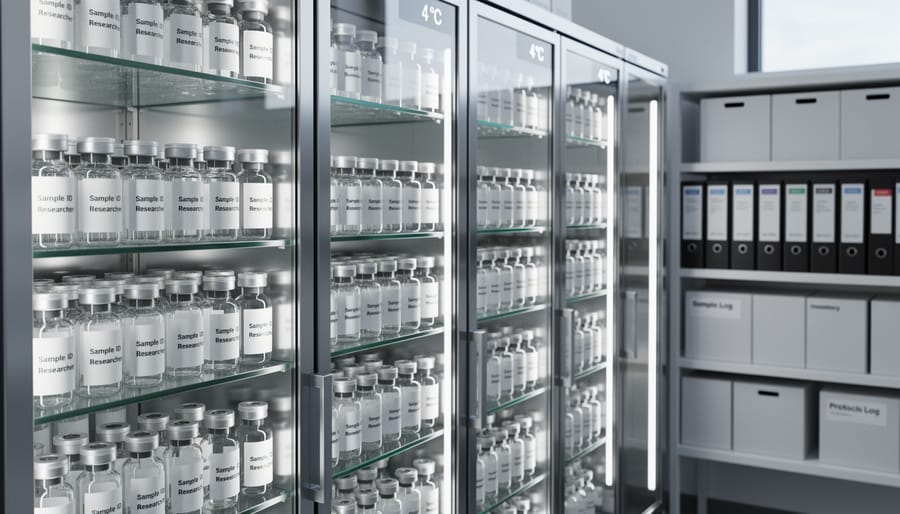
Good storage and record-keeping start the moment a box arrives. Open shipments in a designated area, wearing the gloves and eye protection your institution requires. Check that the outer packaging is intact, then confirm the contents match your purchase order, including the product name, lot number, and quantity. If a vial looks damaged or the cold packs have fully thawed, photograph everything, set the item aside, and contact the supplier and your safety lead right away rather than guessing.
Next, label everything clearly. Each container should show the compound name, lot number, date received, and the initials of the person who logged it. Add a “research use only” notation so nobody mistakes the material for something else. Clear labels are a small habit that prevents big confusion, especially in shared prep rooms where several teachers or technicians may be working.
Store materials exactly as the supplier’s instructions and the product’s safety data sheet describe. That usually means a specific temperature range, protection from light, and sometimes a desiccated container, but the paperwork for your lot is the authority, not a general rule of thumb. Keep a printed or easily accessible copy of each safety data sheet near the storage area, and make sure anyone handling the material knows where it is.
Personal protective equipment and training matter just as much. Follow your school’s or institution’s safety protocols, and confirm that everyone involved has completed the WHMIS training your workplace requires. Strong lab safety communication helps here too, so that questions, near misses, and concerns get raised early and handled calmly.
Finally, keep an inventory log. Record the date received, lot number, storage location, amounts used, and who used them, and review it on a regular schedule. A tidy log makes audits painless, supports good scientific habits, and gives you a clear answer whenever someone asks, “Where did this go?”
Turning Sourcing Into a Teachable Moment
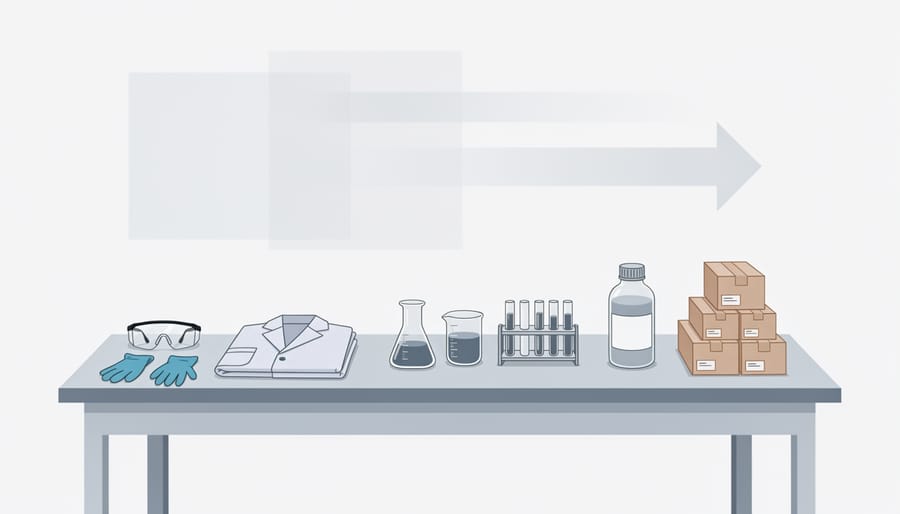
Sourcing doesn’t have to stay a back-office task. When you handle it thoughtfully, it becomes one of the richest lessons in your science program. Students see how real labs make decisions, and they learn that good science starts long before anyone picks up a pipette.
Consider inviting students to evaluate a supplier’s documentation the way a working scientist would. Hand them a sample certificate of analysis and ask what the lot number tells them, what a purity figure does and doesn’t prove, and what they’d want to verify before trusting it. This is a natural place to practice the critical thinking steps you already teach: question the source, look for evidence, and weigh claims against what you can confirm. For a fuller walkthrough, see these critical thinking steps and adapt them to your lab context.
A few discussion prompts can open the conversation:
– Why do “research use only” labels exist, and what could go wrong if they’re ignored?
– Who in a school or district should have a say before specialty materials are ordered?
– How do rules about shipping and handling protect people we’ll never meet?
Bring more voices into the room, too. A lab technician can explain how receiving and inventory really work. A compliance or safety officer can describe what approvals look like in practice. Educators in other provinces and school settings may handle oversight quite differently, and those contrasts make for rich comparison.
You don’t have to build this alone. Teach Find’s interactive tools and community forums are a great place to share lab-safety resources, swap lesson ideas, and ask peers how they’ve handled similar questions. Someone has likely faced your exact situation and would love to help.
Common Questions From Canadian Labs
Questions about sourcing tend to repeat from lab to lab, and that’s a good sign. It means people are pausing to check before they order. Here are the ones we hear most often, with answers that point you toward the right experts rather than guessing for you.
Who should approve a peptide purchase?
Start with your department head or administrator, then loop in your institution’s safety officer or compliance office. Their sign-off, written down, protects you and creates a clear record for later.
What documents should I request from a supplier?
Ask for a Certificate of Analysis that matches the lot you’ll receive, plus a safety data sheet and clear labeling that states research use only. If a supplier can’t provide these, that’s useful information about whether to continue.
How do I handle customs questions?
Ask your supplier what shipping and import paperwork they provide, and consider talking with a customs broker early. Requirements change, so confirm the current details with official sources and allow extra time for delays.
When should I consult an institutional expert?
Any time something feels unclear, whether that’s the educational purpose, storage needs, or a supplier’s claims. Technicians and compliance staff have seen these situations before and are usually glad to help.
Notice the pattern across all four answers: you’re never expected to figure this out alone. Good sourcing is a team effort, and asking questions is a sign of strong lab culture, not a gap in your knowledge. If your situation doesn’t fit neatly into any of these, bring it to your safety or compliance office, or share it with fellow educators in our community forums, where others may have faced the same question.
Sourcing research peptides well comes down to a few habits you can build and share. Start by knowing the regulatory context, and confirm current requirements with official sources and your institution’s compliance or safety office, since rules change. Vet suppliers carefully, ask for documentation that matches the exact lot you receive, and treat unclear answers as a reason to pause rather than push ahead. Then document everything: approvals, purchase records, receiving checks, storage details, and inventory logs.
Just as important, remember that this process is a chance to model strong scientific practice. When students and colleagues see you ask thoughtful questions, read technical documents closely, and respect safety protocols, they learn what responsible inquiry looks like in real life.
You don’t have to figure it out alone. Bring your questions, your lab-safety resources, and your lessons learned to Teach Find’s community forums, where educators across Canada are sharing ideas and supporting one another. We’d love to hear how you’re approaching it.