Questioning Techniques
Socratic Questioning
The Socratic method is a powerful teaching approach that engages students in critical thinking through guided questioning. Instead of simply providing answers, educators ask thought-provoking questions that challenge students to explore ideas, examine assumptions, and develop well-reasoned arguments. For example, when discussing a literary work, a teacher might ask, “What motivates the protagonist’s actions?” or “How does the setting influence the story’s themes?” These open-ended questions encourage students to analyze the text deeply, consider multiple perspectives, and articulate their thoughts clearly. By creating a safe, supportive environment for Socratic dialogue, teachers can help students develop essential critical thinking skills such as active listening, logical reasoning, and respectful discourse. Implementing the Socratic method in the classroom fosters a love for inquiry, builds confidence in problem-solving, and prepares students to be active, engaged learners in all aspects of their lives.
Open-Ended Prompts
Open-ended prompts are an effective tool for encouraging critical thinking in the classroom. By asking questions that have multiple possible answers or interpretations, educators can challenge students to explore ideas from various angles, make connections, and formulate well-reasoned arguments. These prompts often begin with phrases like “What if…,” “How might…,” or “In what ways…,” inviting students to engage in deeper analysis and creative problem-solving. Open-ended questions can be used in class discussions, written assignments, or group projects across all subject areas. By avoiding simple yes-or-no answers and encouraging students to explain their thought processes, open-ended prompts help develop critical thinking skills such as evaluation, synthesis, and divergent thinking. Educators can scaffold these prompts by providing guidance and feedback, gradually increasing the complexity as students become more adept at critical thinking. Incorporating open-ended prompts regularly in the classroom fosters a culture of inquiry, curiosity, and intellectual risk-taking.
Collaborative Learning
Collaborative learning is a powerful strategy for fostering critical thinking skills in the classroom. By engaging students in group discussions, debates, and problem-solving activities, educators can create an environment that encourages active participation, diverse perspectives, and higher-order thinking. When students work together to analyze information, evaluate arguments, and synthesize ideas, they develop the ability to think critically and communicate effectively. Collaborative learning also promotes social skills, empathy, and respect for differing viewpoints, which are essential for critical thinking in real-world contexts. This approach can be particularly impactful in fostering civic engagement among students.
To implement collaborative learning effectively, teachers can use a variety of techniques, such as assigning roles within groups, providing clear guidelines and expectations, and facilitating constructive dialogue. By carefully structuring group activities and monitoring student progress, educators can ensure that all students have the opportunity to contribute and learn from one another. Additionally, incorporating technology tools like online discussion forums and collaborative writing platforms can extend the benefits of collaborative learning beyond the physical classroom.
Ultimately, by making collaborative learning a regular part of their instructional practice, educators can empower students to become active, engaged thinkers who are prepared to tackle complex problems and navigate the challenges of the 21st century. By fostering a culture of collaboration and critical inquiry, teachers can help students develop the skills and dispositions they need to succeed in school and beyond.


Problem-Based Learning
Authentic Scenarios
Engaging students in authentic, real-world problems is a powerful way to cultivate critical thinking skills. When faced with genuine challenges that mirror those encountered in daily life, students are motivated to analyze information, evaluate options, and develop innovative solutions. These authentic scenarios encourage learners to move beyond rote memorization and apply their knowledge in meaningful contexts. By grappling with complex, open-ended questions, students develop the ability to think flexibly, consider multiple perspectives, and make well-reasoned judgments. Authentic problems also foster collaboration and communication skills as students work together to share ideas and negotiate solutions. Educators can draw upon current events, community issues, and cross-disciplinary themes to create compelling scenarios that spark curiosity and inspire deep thinking. This approach aligns with strategies for bridging disciplines through interdisciplinary studies, further reinforcing critical thinking in students. By immersing students in authentic learning experiences, we equip them with the critical thinking tools they need to navigate an increasingly complex world.
Scaffolding Techniques
To support students at different skill levels, teachers can use scaffolding techniques to break down complex problems into more manageable steps. One approach is to provide graphic organizers or templates that guide students through the problem-solving process. Teachers can also model critical thinking by thinking aloud as they work through a problem, demonstrating how to ask questions, analyze information, and consider multiple perspectives. Providing targeted feedback and gradually reducing support as students gain confidence is another effective scaffolding strategy. Additionally, pairing students with different skill levels for collaborative work can create opportunities for peer-to-peer learning and support. By offering a range of resources, such as visual aids, manipulatives, and technology tools, teachers can further differentiate instruction to meet individual needs. Ultimately, the goal of scaffolding is to empower all students to become independent critical thinkers who can tackle complex problems with confidence and skill.
Metacognitive Strategies
Teaching students metacognitive strategies is a powerful way to cultivate critical thinking skills that will serve them well beyond the classroom. By guiding students to develop habits of self-reflection and self-questioning, educators can empower them to monitor and direct their own thinking processes. One effective approach is to model these metacognitive strategies through think-alouds, where you verbalize your thought process as you tackle a problem or analyze information. This demonstrates to students how to ask probing questions, consider multiple perspectives, and evaluate the credibility of sources.
Encourage students to keep learning journals where they reflect on their thought processes, challenges, and breakthroughs. Prompt them with questions like, “What strategies did you use to approach this problem?” or “How did you determine the reliability of this information?” Regularly discussing these reflections in class reinforces the importance of metacognition and allows students to learn from each other’s insights.
Incorporating self-assessment tools, such as rubrics or checklists, helps students evaluate their own critical thinking skills and identify areas for improvement. By setting personal goals and tracking their progress, students take ownership of their learning and develop a growth mindset. With consistent practice and support, students will internalize these metacognitive habits, enabling them to think critically and independently in any context.
Technology Integration
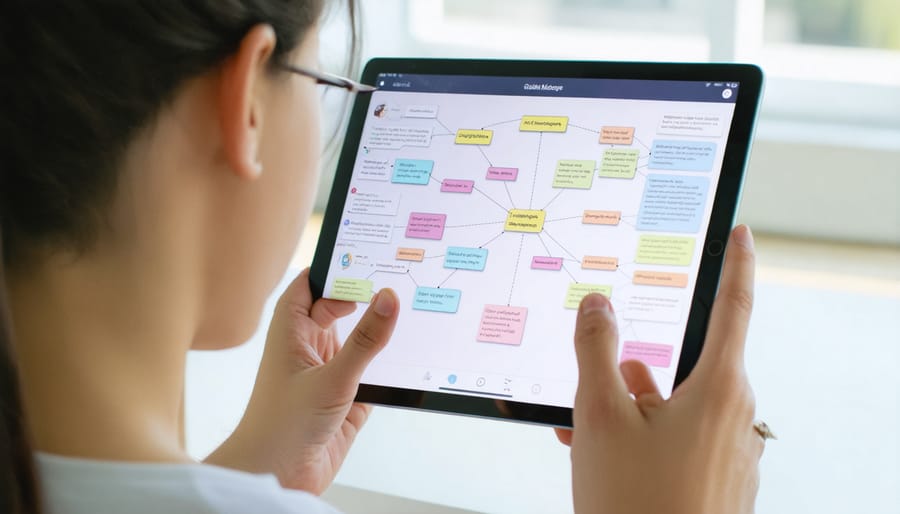
Technology integration can greatly enhance critical thinking in the classroom by providing students with interactive tools and platforms to explore ideas, construct arguments, and engage in meaningful discussions. Digital tools, such as argument mapping software, allow students to visually organize and analyze complex arguments, breaking them down into their constituent claims and evidence. This process promotes logical reasoning and helps students identify strengths and weaknesses in their own thinking and that of others. Online debate platforms offer another avenue for students to practice critical thinking skills by researching topics, formulating positions, and engaging in structured discussions with peers. These digital spaces encourage students to consider multiple perspectives, evaluate evidence, and refine their argumentation skills. By leveraging technology, educators can create dynamic learning experiences that challenge students to think deeply, communicate effectively, and collaborate in the pursuit of knowledge. As students become more adept at using these tools, they develop transferable critical thinking skills that will serve them well beyond the classroom.
Assessment Techniques
Authentic assessment techniques are powerful tools for measuring critical thinking skills in the classroom. Unlike traditional tests that often focus on rote memorization, authentic assessments challenge students to apply their knowledge and skills to real-world situations. Performance tasks, such as presentations, debates, and simulations, allow students to demonstrate their ability to analyze information, evaluate arguments, and synthesize ideas. These tasks also promote creativity and problem-solving skills as students navigate complex scenarios.
Another effective authentic assessment strategy is the use of portfolios. Throughout the school year, students compile a collection of their best work, reflecting on their growth and achievements. This process encourages metacognition and self-assessment, as students must critically evaluate their own learning and identify areas for improvement. Portfolios also provide a comprehensive view of a student’s critical thinking development over time, allowing teachers to provide targeted feedback and support.
When designing authentic assessments, it is crucial to establish clear criteria and rubrics that align with the critical thinking skills being measured. By involving students in the creation of these rubrics, teachers can foster a deeper understanding of the expectations and empower students to take ownership of their learning. Regular conferencing and feedback sessions further support the development of critical thinking skills, as students receive guidance on how to refine their approaches and deepen their understanding.
By embracing authentic assessment techniques, educators can create a classroom culture that values critical thinking and encourages students to apply their skills in meaningful ways. These assessments not only provide a more accurate measure of student learning but also prepare students for the challenges they will face beyond the classroom walls.
Conclusion
Incorporating critical thinking strategies into classroom instruction is essential for preparing students to navigate an increasingly complex world. By implementing techniques such as effective questioning, collaborative learning, problem-based activities, metacognitive strategies, technology integration, and authentic assessments, educators can cultivate a learning environment that nurtures higher-order thinking skills. These strategies not only engage students in deeper learning but also equip them with the tools they need to analyze information, solve problems, and make informed decisions. As educators, it is our responsibility to prioritize critical thinking as a central focus in the classroom, ensuring that our students develop the cognitive skills necessary for success in both their academic and personal lives. By making a conscious effort to integrate these strategies into our teaching practice, we can empower our students to become independent, reflective thinkers who are well-prepared to face the challenges of the 21st century.