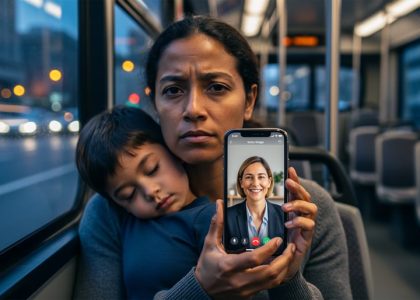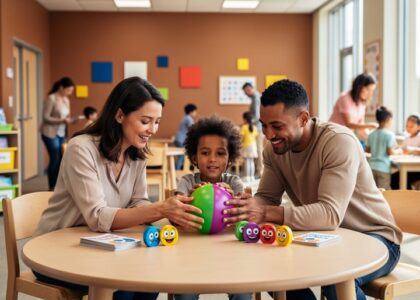
In today’s increasingly diverse educational landscape, multicultural competence has evolved from a theoretical concept to an essential counseling skill that directly impacts student outcomes and well-being. Effective counselors must navigate complex cultural intersections while providing culturally responsive support that acknowledges, respects, and leverages students’ diverse backgrounds and experiences.
The growing diversity in American schools demands counselors who can bridge cultural gaps, challenge their own biases, and create inclusive spaces where all students feel seen, heard, and validated. Recent research indicates that culturally competent counseling significantly improves student engagement, academic performance, and social-emotional development across all grade levels and demographic groups.
This cultural competency encompasses more than surface-level awareness – it requires deep understanding of how cultural factors influence mental health perspectives, help-seeking behaviors, and therapeutic relationships. Counselors must develop sophisticated skills to recognize cultural nuances, adapt evidence-based practices to diverse populations, and advocate for systemic changes that promote equity and inclusion.
As we explore the essential components of multicultural competence in counseling, we’ll examine practical strategies for building cultural awareness, developing cross-cultural communication skills, and creating culturally responsive interventions that meet the unique needs of our diverse student populations.
Understanding Cultural Competency in Education
The Three Pillars of Cultural Competence
The foundation of cultural competence in schools rests on three essential pillars: awareness, knowledge, and skills. These interconnected components work together to create a comprehensive approach to multicultural understanding and effective communication.
Awareness involves recognizing our own cultural beliefs, biases, and values while understanding how they influence our interactions with others. This self-reflection helps educators identify potential blind spots and assumptions that might affect their relationships with students and families from diverse backgrounds.
Knowledge encompasses understanding different cultural perspectives, traditions, and communication styles. This includes learning about various cultural norms, family structures, and educational values that shape how different communities approach learning and school engagement.
Skills represent the practical abilities needed to effectively interact with people from diverse backgrounds. These include active listening, respectful communication, conflict resolution, and the ability to adapt teaching and communication styles to meet diverse needs. Educators who develop these skills can create more inclusive learning environments and build stronger partnerships with families from all cultural backgrounds.
Together, these three pillars provide a framework for developing meaningful connections across cultural differences and fostering an inclusive educational environment.

Why Traditional Parent Engagement Models Fall Short
Traditional parent engagement models often operate on a one-size-fits-all approach that fails to recognize the rich diversity within school communities. These models typically assume all families share similar communication preferences, availability patterns, and cultural values regarding education. For instance, scheduling parent meetings during standard business hours may exclude working parents or those with different cultural perspectives on time management.
Many traditional approaches also rely heavily on written communication in the dominant language, creating barriers for families who prefer verbal communication or speak different languages. Additionally, these models often emphasize formal settings and structured interactions, which may feel uncomfortable or intimidating for families from cultures that value more informal, relationship-based connections.
Another significant limitation is the assumption that silence or non-participation indicates disinterest in education. In reality, many families may be deeply invested in their children’s education but express their involvement differently based on their cultural background. Traditional models frequently overlook these alternative forms of engagement and may inadvertently alienate families who don’t conform to expected participation patterns.
Understanding these shortcomings is crucial for developing more inclusive and effective parent engagement strategies that truly serve all families in our school communities.

Building Cultural Bridges with Families
Communication Styles Across Cultures
Cultural communication styles vary significantly across different communities, and understanding these differences is crucial for educators working in diverse school environments. When implementing effective communication strategies, it’s important to recognize that cultural norms influence how people express themselves, share information, and interpret messages.
Some cultures prioritize direct communication, where messages are explicitly stated, while others prefer indirect communication, where meaning is conveyed through context and non-verbal cues. For example, some families may view direct eye contact as respectful and engaging, while others might consider it challenging or disrespectful.
Educators should be mindful of high-context versus low-context communication styles. In high-context cultures, meaning is often derived from situational and relational contexts, with fewer explicit words. Low-context cultures typically rely more on precise, literal language to convey meaning.
Key considerations for cross-cultural communication include:
– Paying attention to non-verbal cues and body language
– Being aware of personal space preferences
– Understanding time orientation differences
– Recognizing formal versus informal communication preferences
– Considering the role of silence in different cultures
To bridge communication gaps, educators can:
– Ask families about their preferred communication methods
– Use clear, simple language free from idioms
– Provide translated materials when necessary
– Practice active listening
– Confirm understanding through respectful follow-up questions
Remember that these differences aren’t rigid rules but general tendencies that vary among individuals within cultures. Approaching each interaction with openness and flexibility helps build stronger connections with families from diverse backgrounds.
Creating Inclusive Parent Meetings
Creating inclusive parent meetings begins with thoughtful planning that considers the diverse needs of your school community. Start by surveying families about their preferred meeting times, communication methods, and any specific accommodations they might need. This initial step demonstrates respect for their schedules and cultural practices.
Consider offering multiple meeting times, including evening sessions for working parents and weekend options for those with non-traditional schedules. When possible, provide childcare services during meetings to make attendance more accessible for families with young children.
Language accessibility is crucial. Arrange for professional interpreters when needed, and ensure all written materials are available in the primary languages spoken by your school community. Avoid relying on students or family members as translators, as this can create uncomfortable dynamics and may lead to miscommunication.
Choose meeting locations carefully. While school facilities are common venues, consider partnering with community centers or religious institutions that may feel more welcoming to certain families. Ensure the space is physically accessible and easily reachable by public transportation.
When planning refreshments, be mindful of dietary restrictions and cultural preferences. Include options that accommodate various religious and cultural practices, and clearly label all food items.
Create an atmosphere of mutual respect by incorporating diverse cultural perspectives into meeting formats. Some cultures may prefer more formal presentations, while others value open discussion. Balance these approaches by offering various ways for parents to participate and share their input, such as small group discussions, written feedback options, or one-on-one conversations.
Remember to follow up after meetings with summaries in multiple languages and provide alternative ways for families who couldn’t attend to access the information and contribute their perspectives.
Overcoming Language and Cultural Barriers
Working with Interpreters
Working with interpreters is essential for effective communication with families from diverse linguistic backgrounds. When selecting and collaborating with interpreters, prioritize certified professionals who understand educational terminology and cultural nuances. Schedule interpreter services well in advance, and brief them about the meeting’s purpose, context, and any specific concerns.
During interpreted sessions, maintain eye contact with the family member while speaking in short, clear sentences. Avoid idioms, complex jargon, or cultural references that may not translate well. Pause frequently to allow for accurate interpretation, and remember that interpretation often requires more time than direct communication.
Position the interpreter slightly behind or beside the family member to facilitate natural conversation flow. Direct your questions and responses to the family, not the interpreter. This approach helps build trust and shows respect for the family’s role in the discussion.
Be mindful that some families might prefer a specific gender or community background for their interpreter. When possible, accommodate these preferences to ensure comfort and cultural sensitivity. However, avoid using students, siblings, or other family members as interpreters, as this can compromise confidentiality and create inappropriate power dynamics.
Document which interpretation services work best for specific families and maintain a list of reliable interpreters for future reference. Consider offering written materials in multiple languages to supplement verbal communication and enhance understanding.
Digital Tools for Cross-Cultural Communication
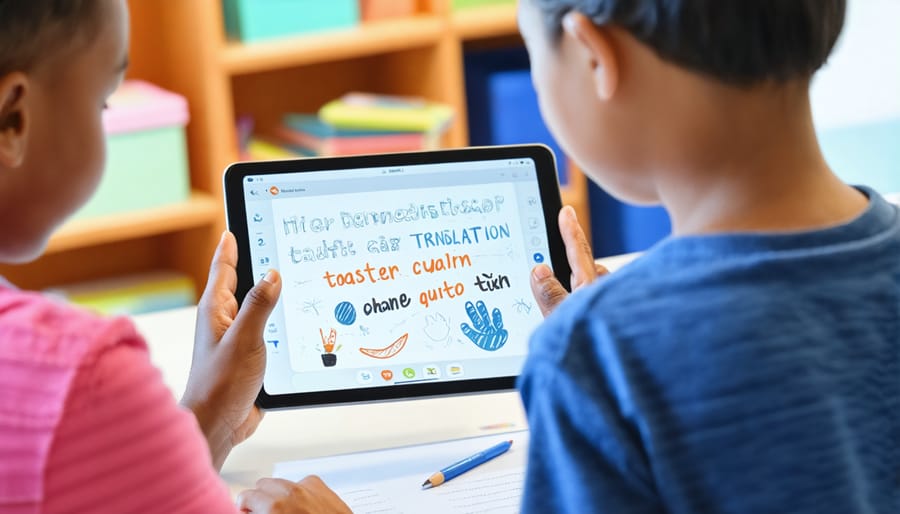
In today’s multicultural counseling environment, digital communication tools play a vital role in breaking down language and cultural barriers. Translation apps like Google Translate and Microsoft Translator can facilitate real-time conversations with families who speak different languages, ensuring clear understanding during counseling sessions.
Video conferencing platforms with built-in caption features help create inclusive environments for multilingual families. These platforms often include screen-sharing capabilities, allowing counselors to present visual aids and cultural resources that transcend language barriers.
Cultural competency apps and online resources provide quick access to cultural norms, customs, and communication styles of different communities. These tools can help counselors prepare for sessions and avoid potential cultural misunderstandings.
Digital scheduling systems with multilingual interfaces make it easier for families to book appointments and receive reminders in their preferred language. Additionally, secure messaging platforms with translation capabilities enable ongoing communication between sessions.
Virtual cultural awareness training modules and online professional development resources help counselors continuously enhance their cultural competency skills. These digital resources often include interactive scenarios, community forums, and self-assessment tools that support ongoing learning and growth in multicultural counseling practices.
Remember that while technology can facilitate communication, it should complement, not replace, genuine human connection and cultural sensitivity in counseling relationships.
Developing Cultural Competency Action Plans
Self-Assessment Tools
Several effective tools are available to help educators assess their current level of multicultural competence. The Cultural Competence Self-Assessment Checklist, widely used in educational settings, offers a comprehensive evaluation of your cultural awareness, knowledge, and skills. This user-friendly tool includes questions about your interactions with diverse families, understanding of different cultural practices, and comfort level in cross-cultural situations.
Another valuable resource is the Diversity Self-Assessment Survey, which specifically focuses on educational environments. This tool helps identify areas where you excel and opportunities for growth in working with students and families from various cultural backgrounds. The assessment covers topics like communication styles, cultural beliefs about education, and family engagement strategies.
For ongoing development, the Cultural Competency Progress Tracker allows educators to monitor their growth over time. This digital tool provides periodic check-ins and suggests specific areas for professional development based on your responses.
Remember that these assessments are meant to guide your professional growth, not to judge or criticize. Use the results as stepping stones to enhance your multicultural competence. Many school districts also offer customized assessment tools that align with their specific community demographics and needs. Consider combining multiple assessment methods to get a well-rounded picture of your cultural competency journey.
Setting Achievable Goals
Creating achievable goals for multicultural competence requires a structured approach that balances ambition with practicality. Start by conducting a self-assessment of your current cultural awareness and identifying specific areas for growth. Focus on developing SMART goals: Specific, Measurable, Achievable, Relevant, and Time-bound objectives that align with your school’s diversity initiatives.
Consider breaking down your cultural competency journey into manageable phases. For example, set a three-month goal to learn about three different cultural celebrations represented in your student population, or commit to attending two cultural awareness workshops per semester. Track your progress using a reflective journal or digital portfolio.
Create concrete action items that support each goal. If your objective is to improve communication with diverse families, specific tasks might include learning key phrases in commonly spoken languages, studying cultural communication styles, or establishing regular check-ins with families from different backgrounds.
Remember to involve colleagues and community members in your goal-setting process. Their insights can help ensure your objectives are culturally appropriate and meaningful. Regular review and adjustment of your goals keeps them relevant and responsive to your growing understanding of cultural competence.
Celebrate small wins along the way, and document how your increased cultural awareness positively impacts student engagement and family relationships. This evidence-based approach helps maintain motivation and demonstrates professional growth in multicultural competence.
Developing multicultural competence in counseling is an ongoing journey that requires dedication, self-reflection, and continuous learning. As educators, our commitment to cultural competency directly impacts our ability to support diverse student populations and their families effectively. The key takeaways from this exploration emphasize the importance of self-awareness, knowledge of different cultural perspectives, and the development of culturally responsive counseling skills.
Remember that becoming culturally competent isn’t a destination but rather a continuous process of growth. Stay curious about different cultures, regularly assess your own biases, and actively seek opportunities to learn from diverse communities. Engage with colleagues, attend cultural competency workshops, and participate in professional development activities that enhance your multicultural understanding.
Consider joining professional networks or community groups that focus on multicultural education and counseling. These connections can provide valuable insights, resources, and support as you continue to develop your cultural competency skills. Additionally, maintain open dialogue with students and families from different cultural backgrounds, as their experiences and feedback are invaluable learning opportunities.
As you move forward, commit to regular self-assessment of your cultural competency progress. Set specific goals for improvement, seek feedback from peers and mentors, and stay current with best practices in multicultural counseling. Your dedication to this journey will create more inclusive, supportive, and effective counseling relationships with all students and their families.