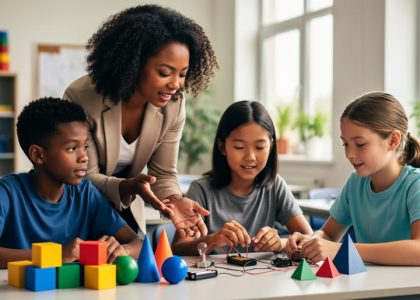
Transform your K-2 classroom into a dynamic learning environment with innovative elementary lesson plans that captivate young minds and deliver measurable results. Structure each lesson around a clear, age-appropriate learning objective, incorporating multi-sensory activities that engage visual, auditory, and kinesthetic learners simultaneously. Break complex concepts into bite-sized, digestible chunks using the gradual release method: “I do, we do, you do.”
Young learners thrive on routine while craving creative exploration. Design 15-20 minute learning segments punctuated by movement breaks, hands-on manipulatives, and interactive storytelling. Integrate music, rhymes, and physical movement to reinforce key concepts while maintaining student engagement. Build flexibility into your plans with extension activities for advanced learners and support strategies for those requiring additional assistance.
Assessment should be ongoing and varied, combining informal observations with concrete documentation of student progress. Utilize picture-based rubrics, performance tasks, and authentic work samples to track development across academic and social-emotional domains. This comprehensive approach ensures every child’s learning journey is supported, celebrated, and meaningfully advanced through purposeful instruction.
Essential Components of Effective K-2 Lesson Plans
Age-Appropriate Learning Objectives
When setting learning objectives for K-2 students, it’s essential to consider their developmental stage and natural learning patterns. Young learners need goals that strengthen working memory while remaining achievable and engaging. Start by breaking down complex skills into smaller, manageable steps that build confidence and maintain motivation.
For kindergarteners, focus on foundational objectives like letter recognition, basic counting, and social interaction skills. First-grade objectives can include simple reading comprehension, basic addition and subtraction, and following multi-step instructions. Second-grade goals might encompass more complex reading strategies, mathematical problem-solving, and independent work habits.
Remember to incorporate movement-based learning and hands-on activities, as young children learn best through physical engagement. Set objectives that allow for frequent wins and celebrate small victories. Include both academic and social-emotional goals, recognizing that development at this age is holistic. Make objectives observable and measurable, but maintain flexibility to accommodate different learning paces and styles.
Time Management Strategies
Effective time management is crucial for K-2 classrooms, where young learners typically have shorter attention spans. Break lessons into 15-20 minute segments, alternating between direct instruction and hands-on activities to maintain engagement. Include movement breaks or quick stretching exercises between transitions to help students stay focused.
Create a visual schedule using pictures or symbols that students can easily understand, helping them anticipate what comes next. Use timers or music cues to signal transitions, making them smoother and more predictable for young learners. Consider implementing the “I Do, We Do, You Do” model, allocating appropriate time for each phase based on lesson complexity.
Reserve the first few minutes of each lesson for review and the last five minutes for wrap-up activities. Plan buffer time between activities for cleanup and transitions, especially for art projects or manipulative-based lessons. Keep a few quick, engaging activities ready for unexpected schedule changes or when students finish tasks earlier than planned.
Remember that flexibility is key – be prepared to adjust timing based on student engagement and comprehension levels while maintaining the lesson’s core objectives.
Interactive Learning Activities for Different Subjects
Math Activities That Make Numbers Fun
Make numbers come alive with these engaging hands-on activities that build mathematical foundations. Create a number garden where students plant numbered popsicle sticks in sequence, helping them visualize number order while getting active. Use counting bears or similar manipulatives for sorting, grouping, and basic addition/subtraction exercises that make math tangible.
Transform your classroom floor into a giant number line using masking tape, allowing students to physically hop forward for addition and backward for subtraction. This kinesthetic approach helps children internalize number relationships while having fun. Incorporate daily counting routines using classroom objects, calendar dates, or student attendance to make numbers relevant to their everyday experiences.
Set up math centers with activities like pattern blocks for shape recognition, counting cups for quantity practice, and number puzzles for problem-solving skills. Use dice games to practice number recognition and simple addition, making math feel more like play than work.
For younger learners, incorporate number songs and rhymes with movements to reinforce counting sequences. Create number art projects where students use different materials to form numbers or count and glue items to match quantities. These creative approaches help students develop number sense while engaging multiple learning styles.
Remember to rotate activities regularly and celebrate progress to maintain enthusiasm and motivation in young mathematicians.

Language Arts Through Play
Engaging young learners in language arts through play-based activities creates a foundation for lifelong literacy skills. By incorporating movement, imagination, and hands-on experiences, teachers can transform books into lively experiences that captivate students’ attention and enhance comprehension.
Create letter recognition stations where students hop between alphabet lily pads, form letters with playdough, or hunt for sight words in sensory bins. Puppet theaters enable children to retell stories while developing vocabulary and narrative skills. For writing practice, set up dramatic play areas like a post office or restaurant where students naturally engage with writing materials.
Interactive word walls become learning centers when paired with manipulatives like magnetic letters or velcro pieces. Students can build words, match rhyming pairs, or create silly sentences while moving around the classroom. Story dice or picture cards spark creativity for oral storytelling before transitioning to written expression.
Make phonics fun with movement-based games like “Sound Simon Says” or “Alphabet Freeze Dance.” Partner reading activities, where students take turns being the “teacher,” build fluency and confidence. Remember to rotate activities frequently and celebrate students’ progress through creative sharing opportunities like author’s chair or class performances.

Science and Social Studies Exploration
Young learners are natural scientists and explorers, making science and social studies perfect subjects for hands-on discovery. Create engaging experiments using everyday materials, like comparing how different objects float or sink in water, or observing plant growth in various conditions. These simple investigations help students develop critical thinking skills while satisfying their natural curiosity.
For social studies, start with familiar concepts like family, community helpers, and local landmarks. Students can create family trees, role-play different community jobs, or design simple maps of their classroom or neighborhood. Incorporate cultural awareness through storytelling, traditional games, and celebrations from diverse backgrounds.
Weather tracking offers an excellent bridge between science and social studies. Students can maintain daily weather journals, discuss how weather affects their community, and learn about different climates around the world. Seasonal changes provide opportunities to explore both natural phenomena and cultural traditions.
Use inquiry-based learning by encouraging students to ask questions about their world. Create simple “investigation stations” where children can examine rocks, leaves, or historical photographs with magnifying glasses. Support their observations with age-appropriate books, pictures, and videos that bring concepts to life.
Remember to integrate movement and sensory experiences. Nature walks, simple cooking activities, and hands-on craft projects help make abstract concepts concrete and memorable for young learners.
Assessment and Differentiation Strategies
Age-Appropriate Assessment Tools
Assessing young learners requires a delicate balance of gathering meaningful data while maintaining an engaging, stress-free environment. For K-2 students, traditional paper-and-pencil tests aren’t always the most effective measurement tools. Instead, consider implementing observation checklists that track specific skills and developmental milestones during regular classroom activities.
Performance-based assessments work particularly well with this age group. Have students demonstrate their understanding through hands-on activities, such as sorting objects to show mathematical comprehension or retelling stories to evaluate reading comprehension. Digital portfolios can capture these moments while providing a visual record of student progress over time.
Running records and anecdotal notes offer valuable insights into reading development and social-emotional growth. Use simple rubrics with picture cues to help students understand expectations and participate in self-assessment. Traffic light cards (red, yellow, green) allow young learners to indicate their confidence levels with new concepts.
Consider implementing regular “show what you know” sessions where students can express their understanding through drawings, verbal explanations, or physical demonstrations. These informal assessments provide immediate feedback while keeping young learners engaged and confident.
Remember to maintain detailed documentation of these various assessment methods to track progress effectively and communicate with families about their child’s development. Regular check-ins using age-appropriate assessment tools help ensure every student receives the support they need to thrive.
Differentiation Techniques
Creating an inclusive learning environment requires implementing effective differentiated lesson planning strategies that accommodate various learning styles and abilities. Begin by offering multiple ways to engage with content, such as combining visual aids, hands-on activities, and auditory learning experiences. For visual learners, incorporate picture cards, charts, and colorful manipulatives. Kinesthetic learners benefit from movement-based activities, while auditory learners thrive with songs, rhymes, and verbal instructions.
Consider creating tiered assignments that allow students to work at their own pace and skill level. For example, during reading activities, some students might work with picture books while others tackle simple sight words or beginning reader texts. In math lessons, provide counting exercises using different materials and complexity levels.
Implement flexible grouping strategies, alternating between whole class instruction, small group work, and individual learning stations. This approach allows you to provide targeted support where needed while maintaining engagement across all ability levels.
Use technology tools thoughtfully to support diverse learners, such as interactive whiteboards for visual demonstrations and tablets for personalized practice activities. Remember to regularly assess and adjust your differentiation methods based on student progress and feedback, ensuring that all learners have opportunities for success and growth.

Technology Integration Tips
Technology integration in K-2 classrooms should enhance learning without overwhelming young students. Start with simple, age-appropriate digital tools that support your existing lesson objectives. Interactive whiteboards can transform traditional story time into an engaging multimedia experience, allowing students to physically interact with content through touch and movement.
Consider incorporating educational apps and games that reinforce basic skills. For mathematics, use counting and pattern recognition apps that provide immediate feedback and celebrate student success. In literacy instruction, digital storytelling tools can help students create their own stories while developing essential writing and creativity skills.
Virtual manipulatives are excellent alternatives to physical objects, especially for remote learning situations. These digital tools can help students understand mathematical concepts, practice sorting and grouping, and explore basic geometry. Remember to preview all digital content before class to ensure it aligns with your learning goals and students’ abilities.
Create technology stations in your classroom where students can work independently or in small groups. Rotate activities to maintain interest and provide varied learning experiences. Consider using simple coding activities designed for young learners, which help develop logical thinking and problem-solving skills while making learning fun.
When implementing technology, maintain a balanced approach. Limit screen time and alternate between digital and hands-on activities. Always have a backup plan in case of technical difficulties, and ensure all digital tools are accessible to students with different abilities.
Document cameras can make sharing student work and demonstrating activities easier for the whole class. Use them to showcase writing samples, art projects, or manipulative demonstrations. This technology helps maintain student engagement while providing clear visual support for instruction.
Remember to communicate with families about technology use in the classroom and share resources they can use at home to support learning. Start small and gradually expand your digital toolkit as you and your students become more comfortable with technology integration.
Creating effective lesson plans for K-2 students is an ongoing journey of discovery, adaptation, and growth. By incorporating age-appropriate activities, maintaining flexibility, and focusing on student engagement, you can develop learning experiences that truly resonate with young learners. Remember that successful lesson planning isn’t about perfection – it’s about creating opportunities for your students to explore, learn, and thrive.
Take small steps to implement these strategies in your classroom, starting with one or two new approaches at a time. Pay attention to how your students respond and adjust accordingly. Your classroom observations and student feedback are invaluable tools for refining your lesson plans and making them more effective.
Don’t hesitate to collaborate with fellow educators and share your experiences. The educational community grows stronger when we learn from each other’s successes and challenges. Keep in mind that every classroom is unique, and what works for one group might need modification for another.
As you move forward, maintain a balance between structure and flexibility in your lessons. Continue to explore new teaching methods, embrace technology when appropriate, and always keep your students’ diverse needs at the forefront of your planning. With dedication and creativity, you can create engaging, meaningful learning experiences that set your K-2 students on the path to academic success and lifelong learning.
Remember, you’re not just teaching lessons – you’re laying the foundation for your students’ educational journey. Your thoughtful planning and dedication make a lasting difference in their lives.