Community-based learning transforms traditional education into a dynamic partnership between schools and their surrounding neighborhoods, creating powerful real-world learning experiences that benefit both students and communities. This innovative approach moves beyond classroom walls, connecting academic concepts with authentic local challenges and opportunities. By engaging students in meaningful projects that address actual community needs, from environmental initiatives to social service programs, community-based learning develops critical thinking skills while fostering civic responsibility and cultural awareness.
Unlike conventional teaching methods, this educational strategy empowers students to become active participants in their learning journey, working alongside community members, local experts, and organizations to solve real problems. The result is a rich educational experience that combines academic excellence with practical skills development, creating confident learners who understand their role as engaged citizens. This approach not only enhances student achievement but also strengthens community bonds and creates lasting partnerships that benefit all stakeholders in the educational process.
What Makes Community-Based Learning Different?
Key Elements of Community-Based Learning
Community-based learning thrives on several key elements that work together to create meaningful educational experiences. At its core, effective programs must establish strong partnerships between schools and community organizations, creating authentic learning opportunities that benefit both students and the community. Through these community-based instruction examples, students develop real-world skills while addressing genuine community needs.
Active student engagement is essential, with learners taking ownership of their projects and participating in decision-making processes. Reflection plays a crucial role, allowing students to process their experiences and connect them to academic concepts. Regular feedback loops between educators, community partners, and students ensure continuous improvement and meaningful learning outcomes.
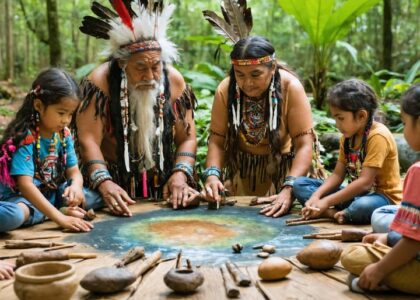
Cultural responsiveness and inclusivity are vital components, ensuring that learning experiences respect and incorporate diverse perspectives and community values. Additionally, clear learning objectives that align with curriculum standards help maintain academic rigor while fostering civic responsibility and social awareness. When these elements are thoughtfully implemented, community-based learning becomes a powerful tool for both educational achievement and community development.
Real-World Connection vs Traditional Learning
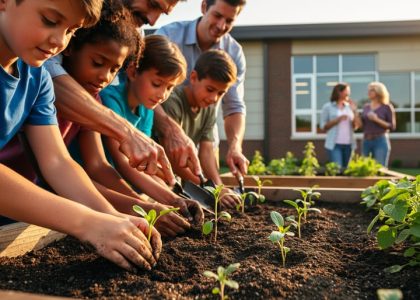
While traditional classroom learning often relies on textbooks and theoretical concepts, community-based learning bridges the gap between abstract knowledge and real-world application. In conventional settings, students might read about environmental science, but in community-based learning, they actively participate in local conservation projects or conduct water quality tests in nearby streams.
The differences become even more apparent in how students engage with learning materials. Traditional classrooms typically follow a structured curriculum with predetermined outcomes, whereas community-based learning allows for organic discovery and authentic problem-solving. For instance, rather than simply studying local government from a textbook, students might attend city council meetings or work with local officials on community improvement projects.
This real-world connection creates deeper engagement and retention of knowledge. Students see immediate relevance in their learning as they interact with community members, tackle genuine challenges, and contribute to meaningful solutions. The authentic experiences help develop practical skills like communication, leadership, and cultural competency – abilities that might be more challenging to cultivate in a traditional classroom setting.

Benefits for K-12 Students and Schools
Academic Growth and Engagement
Research consistently shows that community-based learning significantly enhances student achievement across multiple dimensions. When students engage in real-world learning experiences, they demonstrate improved academic performance, particularly in subjects directly connected to their community projects. For example, students working on local environmental initiatives often show marked improvement in science and mathematics comprehension.
Beyond traditional academic metrics, students develop crucial critical thinking and problem-solving skills through hands-on community engagement. They learn to analyze complex situations, propose solutions, and adapt their strategies based on real-world feedback. This practical application of knowledge leads to deeper understanding and longer retention of academic concepts.
Engagement levels also notably increase when learning is connected to community contexts. Students report higher motivation and interest in their studies when they can see the direct impact of their work on their community. This increased engagement often translates to better attendance rates, more active class participation, and improved completion of assignments.
Moreover, students develop enhanced research and analytical skills as they gather data, interview community members, and evaluate the effectiveness of their projects. These skills directly support academic success across all subject areas while building confidence in their ability to effect positive change.

Social-Emotional Development
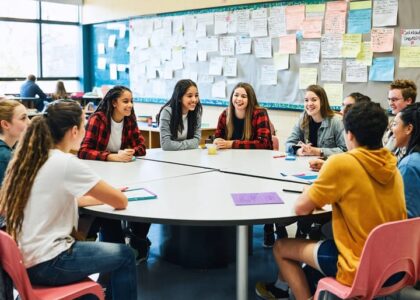
Community-based learning significantly enhances students’ social and emotional development by creating meaningful connections between academic work and real-world experiences. Through active engagement with community partners, students develop crucial life skills such as empathy, cultural awareness, and social responsibility. They learn to understand different perspectives, work collaboratively with diverse groups, and recognize their role as active citizens in their community.
As students participate in community projects, they build self-confidence and leadership abilities by taking ownership of their learning experiences. They develop stronger communication skills through interactions with community members, learn to navigate professional relationships, and gain a deeper understanding of social issues affecting their local area.
The emotional growth fostered through community-based learning is particularly valuable. Students often report increased self-awareness, improved emotional regulation, and enhanced problem-solving abilities. Working on real community challenges helps them develop resilience and adaptability while building a stronger sense of purpose and civic responsibility.
These experiences also cultivate social awareness and cultural competence. Students learn to appreciate different viewpoints, understand community needs, and develop a stronger sense of belonging. This enhanced social-emotional development creates more engaged, empathetic, and socially conscious learners who are better prepared for future academic and professional success.
Implementing Community-Based Learning

Building Community Partnerships
Establishing successful building effective community partnerships requires a thoughtful, systematic approach. Begin by identifying potential partners whose missions align with your educational goals, such as local businesses, nonprofit organizations, cultural institutions, and civic groups. Reach out with a clear vision of how collaboration can benefit both parties and create meaningful learning experiences for students.
Once initial connections are made, focus on building trust through consistent communication and follow-through. Schedule regular meetings with community partners to discuss goals, expectations, and potential challenges. Create formal agreements that outline roles, responsibilities, and timelines while remaining flexible enough to accommodate changing needs.
Maintain partnerships by celebrating successes together and acknowledging contributions publicly. Share student outcomes and community impact through newsletters, social media, and school events. Remember to document all activities and regularly evaluate the effectiveness of partnerships through surveys and feedback sessions.
Support long-term sustainability by involving multiple stakeholders from both the school and community organization. Train staff members to serve as liaisons and develop succession plans to ensure partnerships continue even as personnel changes occur. Consider creating a community advisory board to provide guidance and strengthen relationships across multiple organizations.
Regular reflection and adaptation are crucial for partnership success. Be open to feedback and willing to adjust approaches based on experience and changing community needs.
Integrating with Curriculum Standards
Successfully integrating community-based learning with curriculum standards requires thoughtful planning and alignment. Educators can effectively meet state and district requirements while providing meaningful community experiences by integrating with core subjects in creative ways.
Start by reviewing your grade-level standards and identifying natural connection points between community issues and required learning outcomes. For example, students studying environmental science can partner with local conservation groups, combining field research with required scientific concepts. Math classes might work with small businesses to analyze real-world data, while language arts students can develop communication skills through community storytelling projects.
Create clear learning objectives that bridge community experiences with academic standards. Document how each project addresses specific benchmarks and maintains academic rigor while providing authentic learning opportunities. Consider using backward design principles to ensure activities align with both community needs and educational requirements.
Many educators find success using assessment rubrics that evaluate both academic achievement and community impact. These tools help demonstrate accountability while celebrating the unique learning opportunities that community engagement provides. Remember to maintain flexibility in your approach, as community-based learning often leads to unexpected but valuable teaching moments that enhance standard curriculum objectives.
Measuring Success and Impact
Success in community-based learning can be measured through multiple complementary approaches that capture both quantitative and qualitative outcomes. Student reflections, portfolios, and project presentations serve as primary assessment tools, offering insights into personal growth and learning achievements. Educators can use rubrics that evaluate not only academic understanding but also soft skills development, such as communication, leadership, and problem-solving abilities.
Community partner feedback provides valuable perspectives on student engagement and project impact. Regular surveys and structured interviews with community stakeholders help gauge the effectiveness of partnerships and identify areas for improvement. Documentation of tangible community outcomes, such as number of people served or specific problems addressed, offers concrete evidence of program success.
Academic performance indicators, including subject-specific assessments and standardized test scores, should be tracked to demonstrate how community-based learning supports traditional educational goals. Student attendance rates, participation levels, and behavioral improvements often serve as additional success metrics.
To ensure comprehensive evaluation, schools should establish baseline measurements before implementing community-based learning initiatives and conduct periodic assessments throughout the program. Creating a balanced scorecard that includes student achievement, community impact, and program sustainability metrics helps maintain focus on both educational and social objectives.
Remember that success looks different for each program and community. Regular reflection and adjustment of assessment strategies ensures that measurement tools remain relevant and meaningful for all stakeholders involved.
Community-based learning represents a powerful approach to education that bridges classroom learning with real-world experiences. By embracing this educational model, schools can create meaningful connections between students and their communities while enhancing academic achievement and civic engagement. The key takeaways – experiential learning, community partnerships, and authentic problem-solving – form the foundation of successful implementation.
As educators, you have the opportunity to transform traditional teaching methods into dynamic, community-centered experiences. Start small by identifying local partners and gradually building sustainable relationships. Remember that successful community-based learning programs evolve through continuous feedback and adaptation.
Take the first step today by exploring potential community partnerships or discussing implementation possibilities with your colleagues. Your efforts will help create more engaged, empowered students who understand their role in shaping their communities. Together, we can build educational experiences that prepare students for real-world success while strengthening community bonds.