manuel

Interactive Teaching Methods

Transform Your Classroom: How Teacher-Guided Role-Play Sparks Active Learning

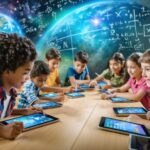
Transform your classroom into a dynamic learning environment through guided role-play, a powerful component of proven collaborative learning models. When students step into different roles and perspectives, they develop deeper understanding, empathy, and critical thinking skills that traditional instruction methods often struggle to achieve.
Role-play brings abstract concepts to life, whether students are acting out historical events, demonstrating scientific processes, or practicing…


Assessment & Data-Driven Instruction

K-12 Assessment Software That Actually Improves Student Learning

K-12 assessment software has revolutionized how educators measure, track, and enhance student learning outcomes. By combining real-time data analytics with personalized learning pathways, these digital tools transform traditional testing into a dynamic, growth-oriented process that benefits both teachers and students.
Today’s assessment platforms offer far more than simple grading capabilities. They provide detailed insights into student comprehension patterns, identify learning gaps instantly, and automatically adjust difficulty levels to match individual student needs. For educators facing increasing classroom demands, these…

Core Teaching Resources & Development

K-2 Lesson Plans That Actually Keep Young Learners Engaged

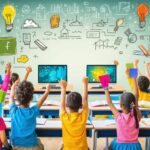
Transform your K-2 classroom into a dynamic learning environment with innovative elementary lesson plans that captivate young minds and deliver measurable results. Structure each lesson around a clear, age-appropriate learning objective, incorporating multi-sensory activities that engage visual, auditory, and kinesthetic learners simultaneously. Break complex concepts into bite-sized, digestible chunks using the gradual release method: “I do, we do, you do.”
Young learners thrive on …

Inclusive Learning Environments

Transform Your Classroom with These Essential Social-Emotional Learning Components

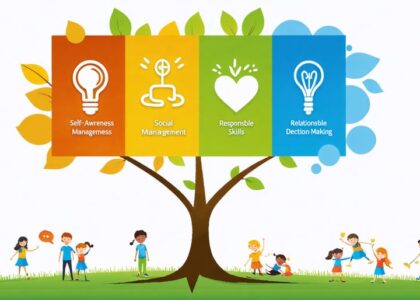
Social-emotional learning (SEL) transforms classrooms into nurturing spaces where students develop essential social-emotional skills through five interconnected areas: self-awareness, self-management, social awareness, relationship skills, and responsible decision-making. These fundamental components, established by the Collaborative for Academic, Social, and Emotional Learning (CASEL), create a framework that empowers educators to foster emotionally …