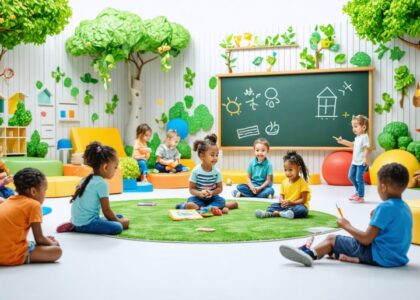
Psycho-educational groups transform traditional classroom dynamics by combining therapeutic principles with educational objectives, creating powerful spaces for collective growth and learning. As a cornerstone of the personalized education approach, these structured group sessions enable educators to address both academic challenges and social-emotional development simultaneously.
In today’s diverse educational landscape, where students face unprecedented challenges, psycho-educational groups offer a research-backed framework for delivering targeted support while fostering peer connections and self-awareness. These groups particularly excel in alternative education settings, where traditional teaching methods may fall short of meeting complex student needs.
By integrating cognitive-behavioral strategies with academic content, educators can create safe, inclusive spaces where students learn essential life skills alongside curriculum requirements. This dual-focus approach not only enhances academic performance but also builds crucial emotional intelligence and social competencies that students carry well beyond the classroom.
Whether addressing anxiety management, study skills, or social dynamics, psycho-educational groups represent a powerful tool in the modern educator’s toolkit, offering structured yet flexible pathways to support student success in both academic and personal domains.
The Power of Psycho-Educational Groups in Modern Learning
Building Social Connections
Psycho-educational groups excel at creating human-centered learning environments where students feel safe to share experiences and build meaningful connections. These groups naturally foster peer relationships through structured activities, shared experiences, and collaborative problem-solving exercises.
Students who participate in these groups often discover they’re not alone in their challenges, which reduces feelings of isolation and builds a supportive community. Through guided discussions and group activities, participants learn to express themselves, practice active listening, and develop empathy for their peers.
The group setting provides numerous opportunities for natural social skill development. As students work together, they practice turn-taking, respectful communication, and conflict resolution in a supervised environment. These interactions help build confidence and create lasting friendships that often extend beyond the group sessions.
Educators can enhance social connections by incorporating team-building exercises, peer mentoring opportunities, and collaborative projects that allow students to support each other’s growth. This approach not only strengthens individual relationships but also contributes to a more positive and inclusive school culture.

Supporting Academic Growth
Psycho-educational groups create a unique environment where academic growth and social-emotional development intertwine, leading to enhanced learning outcomes. When students participate in these structured group settings, they develop crucial academic skills while building confidence through peer support and shared experiences.
Research shows that students in psycho-educational groups often demonstrate improved study habits, better time management, and reduced test anxiety. The group format allows participants to share effective learning strategies, creating a collaborative knowledge base that benefits all members. Students learn not only from the facilitator but also from their peers’ experiences and coping mechanisms.
These groups can address specific academic challenges like procrastination, organization, and goal-setting through targeted activities and discussions. The supportive atmosphere helps students feel less isolated in their academic struggles and more motivated to implement positive changes. Group members often report increased engagement in their studies and better classroom participation after joining these sessions.
Facilitators can incorporate academic skill-building exercises while maintaining a focus on emotional well-being, creating a balanced approach that supports both educational achievement and personal growth. This integrated approach helps students develop resilience and self-efficacy in their academic pursuits.
Implementing Effective Psycho-Educational Groups
Group Formation Strategies
Creating effective psycho-educational groups requires careful consideration of various factors to ensure balanced participation and meaningful interactions. Start by establishing clear criteria for group membership, considering factors such as age, developmental stage, and specific needs. Group size typically works best with 6-12 students, allowing for intimate discussions while maintaining diverse perspectives.
Consider implementing community integration strategies to enhance group dynamics and ensure representation from different backgrounds. Mix students with varying academic abilities, social skills, and emotional awareness to create opportunities for peer learning and support.
When forming groups, assess individual personalities and group chemistry. Pair more reserved students with those who demonstrate natural leadership qualities, but avoid creating power imbalances. Consider using simple assessment tools or student surveys to gather information about interests, challenges, and goals.
Take into account practical factors such as scheduling conflicts, available meeting spaces, and potential barriers to participation. Create backup plans for student absences and consider having flexible membership policies that allow for natural group evolution.
Remember to obtain necessary permissions and maintain clear communication with parents, teachers, and other stakeholders. Document your group formation process to help refine and improve future group configurations.

Facilitation Techniques
Leading successful psycho-educational groups requires a blend of strategic facilitation techniques that create a safe, engaging, and productive learning environment. Start by establishing clear ground rules collaboratively with the group, ensuring everyone feels ownership of the process. Use open-ended questions to stimulate discussion and encourage active participation from all members.
Incorporate diverse learning styles by mixing presentation methods – combine visual aids, hands-on activities, and group discussions. Break larger groups into pairs or small teams for more intimate sharing and problem-solving exercises. This approach helps students feel more comfortable expressing themselves and builds peer support networks.
Active listening is crucial – demonstrate it by maintaining eye contact, using appropriate facial expressions, and providing verbal and non-verbal acknowledgment. Summarize key points and validate participants’ contributions to show their input is valued.
Managing group dynamics requires careful attention. Address any conflicts promptly but diplomatically, redirect off-topic discussions tactfully, and ensure no single participant dominates the conversation. Use “round-robin” techniques to give everyone a chance to speak and contribute.
Time management is essential – plan sessions with clear objectives, but remain flexible enough to address emerging needs. End each session with a brief reflection period and concrete takeaways that participants can apply in their daily lives. Regular check-ins help gauge the group’s progress and adjust facilitation strategies as needed.
Assessment and Progress Monitoring
Regular assessment and progress monitoring are essential components of successful psycho-educational groups. Educators can employ various tools and strategies to track both individual student growth and overall group effectiveness.
Pre and post-assessments provide valuable baseline data and measurable outcomes. These can include simple surveys, behavioral checklists, or social-emotional learning questionnaires that students complete before the group begins and after it concludes. During group sessions, facilitators should maintain observation logs to document participation levels, interpersonal dynamics, and specific behavioral changes.
Student self-reflection journals offer insights into personal growth and understanding. Weekly entries can help students track their own progress while providing facilitators with valuable feedback about the group’s impact. Additionally, periodic check-ins with teachers and parents can offer perspectives on behavioral changes observed outside the group setting.
Progress monitoring tools might include:
– Goal achievement scales
– Behavior tracking charts
– Emotion regulation logs
– Attendance and participation records
– Peer interaction assessments
It’s important to celebrate small wins and acknowledge progress regularly. Creating visual representations of group and individual achievements can motivate students and demonstrate the program’s effectiveness to stakeholders. Remember that progress may not always be linear, and assessment methods should be flexible enough to capture various forms of growth and improvement.
Consider incorporating student feedback about the group process itself, as this can help refine future sessions and ensure the program remains relevant and engaging for participants.
Addressing Common Challenges
Group Dynamic Issues
Managing group dynamics is essential for creating a supportive and productive learning environment in psycho-educational groups. Common challenges include dominating participants, quiet members who rarely participate, and occasional conflicts between group members. To address these issues, establish clear ground rules at the beginning of each session and consistently reinforce them through positive feedback.
When dealing with dominant participants, acknowledge their contributions while gently redirecting the conversation to include others. Use inclusive techniques like round-robin sharing or small group breakouts to ensure everyone has a chance to participate. For quieter members, create opportunities for engagement through written activities or paired discussions that feel less intimidating than whole-group sharing.
Conflict resolution in psycho-educational groups requires a balanced approach. Address disagreements promptly but calmly, using them as learning opportunities to model effective communication and problem-solving skills. Encourage group members to express their perspectives respectfully and help them find common ground.
To maintain positive group dynamics, regularly check in with participants about their comfort levels and needs. Use team-building activities to strengthen group cohesion and trust. Remember that some tension is normal in group settings; the goal is not to eliminate all conflict but to manage it constructively while maintaining a safe, supportive atmosphere for learning and growth.
Pay special attention to cultural differences and varying communication styles within the group. Create an inclusive environment where diverse perspectives are valued and all members feel respected and heard.
Time and Resource Management
Effective time and resource management is crucial for running successful psycho-educational groups in school settings. Start by allocating 45-60 minute sessions, which align well with typical class periods while providing adequate time for meaningful group work. Consider scheduling groups during study halls or advisory periods to minimize disruption to core academic classes.
Create a sustainable meeting schedule that accounts for school events, testing periods, and holidays. Meeting once or twice per week typically provides the right balance between consistency and flexibility. Keep group sizes manageable – 6 to 10 students is ideal for meaningful interaction while remaining controllable.
When it comes to resources, designate a consistent meeting space that offers privacy and comfort. Standard classrooms can work well when arranged in a circle to promote discussion. Maintain a supply kit with essential materials like markers, paper, handouts, and any specific items needed for planned activities.
Digital tools can streamline organization – use scheduling apps for reminders and shared calendars for tracking sessions. Create digital folders to store worksheets, activity guides, and progress tracking documents. Consider developing a resource library that group leaders can share and access easily.
Budget-conscious schools can maximize resources by sharing materials between groups and utilizing free online resources. Partner with school counselors and other staff to pool resources and expertise, creating a more sustainable program that benefits from shared knowledge and materials.

Success Stories and Real-World Applications
The transformative power of psycho-educational groups is best illustrated through real-world success stories from diverse educational settings. At Lincoln Middle School, a group focusing on anxiety management helped reduce test anxiety among eighth-grade students by 40% over one semester. The program incorporated experiential learning techniques and peer support, resulting in improved academic performance and increased student confidence.
Another compelling example comes from Riverside High School, where a grief support group helped students cope with loss during the pandemic. The group provided a safe space for ten students to process their emotions while maintaining academic progress. Through structured activities and peer connections, participants reported feeling more supported and better equipped to handle their daily challenges.
At Carter Elementary, educators successfully implemented a social skills group for neurodivergent students. The program ran for 12 weeks, meeting twice weekly during lunch periods. Teachers observed significant improvements in participants’ peer interactions, with 80% of students showing enhanced communication skills and increased participation in classroom activities.
The Morton District’s anger management group for middle school students demonstrates the long-term impact of these interventions. Using a combination of cognitive-behavioral strategies and role-playing exercises, the program helped reduce disciplinary incidents by 60% among participating students. Parents reported noticeable improvements in their children’s emotional regulation at home as well.
These success stories share common elements: clear objectives, consistent implementation, and strong support from school administration. They also highlight the importance of adapting programs to meet specific student needs while maintaining core therapeutic principles. The documented outcomes from these cases provide valuable blueprints for educators looking to establish similar programs in their schools.
Implementing psycho-educational groups in your educational setting can transform the learning experience for both students and educators. As we’ve explored throughout this guide, these groups offer powerful opportunities for social-emotional development, academic growth, and community building within your school environment.
Remember that success doesn’t require perfection from the start. Begin with small steps, perhaps focusing on one target area or specific group need. Draw from the strategies and frameworks we’ve discussed, but don’t hesitate to adapt them to your unique school community. Your understanding of your students’ needs is invaluable in crafting effective group sessions.
The impact of psycho-educational groups extends far beyond the immediate session outcomes. You’re building essential life skills, fostering resilience, and creating safe spaces for students to learn and grow together. As you implement these groups, stay connected with fellow educators, share your experiences, and continue learning from both successes and challenges.
Consider joining our online community forum to connect with other educators implementing similar programs. Share your stories, ask questions, and contribute to the growing body of knowledge about effective psycho-educational group practices in schools.
Your commitment to supporting students through psycho-educational groups contributes to creating more inclusive, supportive, and effective learning environments. Take that first step today, knowing you have the tools, resources, and community support to make a meaningful difference in your students’ lives.