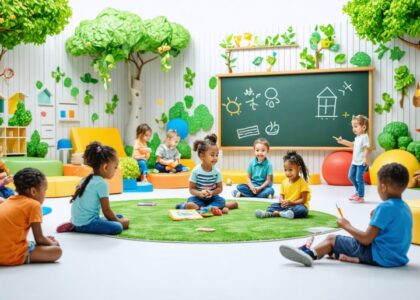
In today’s rapidly evolving educational landscape, human-centered design emerges as a transformative framework that puts students’ needs, experiences, and aspirations at the heart of learning. This approach represents a significant shift from traditional one-size-fits-all education models to a more empathetic, inclusive, and adaptive system that recognizes each learner’s unique journey.
When we design education with humans in mind, we create spaces where curiosity thrives, creativity flourishes, and authentic learning happens naturally. Human-centered design in education isn’t just about implementing new teaching methods or technologies; it’s about fundamentally reimagining how we can make learning more meaningful, accessible, and engaging for every student in our classrooms.
By embracing this approach, educators become designers of learning experiences that respond to real student needs, challenges, and aspirations. This shift empowers teachers to move beyond standardized curriculum delivery to create dynamic, responsive learning environments that celebrate diversity, encourage collaboration, and prepare students for the complex challenges of tomorrow’s world.
As we explore the principles and practices of human-centered design in education, we’ll discover how this innovative approach can transform our classrooms into vibrant communities of engaged learners, where every student’s voice matters and every learning journey is valued.
The Power of Human-Centered Design in Education
Core Principles of Human-Centered Design
Human-centered design in education rests on three fundamental principles that put students and teachers at the heart of learning solutions. The first principle, empathy, requires educators to deeply understand their students’ needs, challenges, and aspirations. This means actively listening to student feedback, observing classroom dynamics, and considering diverse learning styles and backgrounds when developing educational approaches.
Iteration, the second principle, embraces the idea that perfect solutions rarely emerge on the first try. Teachers are encouraged to start small, test new ideas, gather feedback, and continuously refine their teaching methods. This might involve adjusting lesson plans, trying different classroom arrangements, or modifying assessment strategies based on student responses.
The third principle, user-focused development, ensures that all educational decisions and changes are made with the direct input of those most affected – students, teachers, and the broader school community. This collaborative approach helps create more effective and sustainable learning environments. For example, when designing a new classroom layout or implementing a new technology tool, educators should involve students in the decision-making process and regularly collect their input on what works and what needs improvement.
These principles work together to create learning experiences that are more engaging, effective, and meaningful for all participants in the educational process.

Why Traditional Curricula Often Miss the Mark
Traditional educational curricula often prioritize standardized content delivery over individual student needs and learning styles. While these approaches have served as the foundation of education for decades, they frequently overlook crucial elements of student engagement and real-world applicability.
One significant limitation is the rigid, one-size-fits-all structure that assumes all students learn and develop at the same pace. This standardization can leave some students struggling to keep up while others remain unchallenged. Additionally, traditional curricula tend to compartmentalize subjects, creating artificial boundaries between disciplines that rarely exist in real-world scenarios.
Another key shortcoming is the limited emphasis on essential soft skills like critical thinking, creativity, and collaboration. These skills, increasingly valued in today’s workforce, often take a backseat to content memorization and test preparation. The focus on predetermined outcomes also leaves little room for student-driven inquiry and experiential learning.
Moreover, traditional approaches frequently fail to account for diverse cultural perspectives and learning preferences, potentially alienating students whose backgrounds and experiences differ from the assumed norm. This gap can lead to decreased engagement and missed opportunities for meaningful connection with the material.
Building Personalized Learning Pathways

Student Voice and Choice
Empowering students to actively participate in their learning journey is fundamental to human-centered design in education. By incorporating student voice and choice, educators create more engaging, relevant, and effective learning experiences that reflect students’ needs, interests, and aspirations.
Start by implementing regular feedback mechanisms such as suggestion boxes, classroom surveys, or digital polling tools. These provide valuable insights into students’ learning preferences and challenges. Create opportunities for students to choose project topics, presentation formats, or assessment methods within established learning objectives. This flexibility promotes ownership and motivation while maintaining educational standards.
Consider establishing student advisory committees that meet regularly with teachers and administrators to discuss curriculum improvements. This approach, combined with community-integrated learning, creates a more inclusive and responsive educational environment.
Digital portfolios and student-led conferences allow learners to showcase their work and reflect on their progress in ways that feel meaningful to them. Encourage students to propose and lead classroom initiatives, fostering leadership skills and ensuring the curriculum remains relevant to their lives.
Remember to provide structured choices rather than overwhelming options, and gradually increase student autonomy as they develop decision-making skills. This balanced approach helps students become confident, independent learners while ensuring educational goals are met.
Flexible Assessment Strategies
Flexible assessment strategies are essential in human-centered education, recognizing that students demonstrate learning in diverse ways. Moving beyond traditional testing, educators can implement multiple pathways for students to showcase their understanding and growth.
Project-based assessments allow students to demonstrate mastery through real-world applications. For example, students might create a community garden to show understanding of ecosystem concepts, combining science knowledge with practical skills. Digital portfolios enable learners to collect and curate evidence of their learning journey, including multimedia presentations, written work, and collaborative projects.
Performance-based assessments offer students the opportunity to demonstrate skills through authentic tasks. This might involve conducting scientific experiments, delivering presentations, or creating artistic interpretations of learned concepts. Self-assessment tools help students reflect on their learning process, fostering metacognition and ownership of their educational journey.
Educators can implement choice boards, allowing students to select from various assessment options that align with their strengths and interests. This might include creating videos, writing papers, giving oral presentations, or designing physical models. Regular feedback loops between teachers and students ensure that assessment choices effectively measure learning outcomes while supporting individual growth.
To maintain academic rigor, develop clear rubrics that outline success criteria across different assessment formats. This ensures fair evaluation while honoring diverse learning styles and expression methods.
Adaptive Learning Technologies
Adaptive learning technologies represent a significant advancement in personalizing education through human-centered design principles. These tools use data-driven approaches to adjust learning paths based on individual student progress, preferences, and needs. By implementing technology-enhanced learning strategies, educators can create more inclusive and responsive learning environments.
Modern adaptive platforms can identify knowledge gaps, adjust difficulty levels in real-time, and provide immediate feedback to both students and teachers. For example, when a student struggles with specific math concepts, the system automatically offers additional practice problems or alternative explanations. This personalization helps maintain student engagement while ensuring appropriate academic challenge levels.
To effectively implement these technologies, educators should:
– Start with clear learning objectives
– Choose platforms that align with existing curriculum
– Regularly monitor student progress data
– Adjust teaching strategies based on platform insights
– Provide support for students learning to use new tools
Remember that adaptive technologies should complement, not replace, teacher-student interactions. The most successful implementations blend technology with traditional teaching methods, creating a balanced approach that supports diverse learning needs while maintaining meaningful human connections in the classroom.
When selecting adaptive learning tools, prioritize those offering intuitive interfaces, comprehensive progress tracking, and flexibility in content delivery. This ensures that the technology serves its intended purpose of enhancing the learning experience rather than creating additional barriers.
Real-World Implementation Strategies
Starting Small: Pilot Programs
When implementing human-centered design in education, starting with small-scale pilot programs allows schools to test and refine their approaches before broader implementation. Begin by selecting a single classroom or subject area where you can incorporate personalized learning strategies and experiential learning approaches with minimal disruption.
Create a clear timeline for your pilot program, typically spanning one semester or academic quarter. Identify specific goals and metrics for success, such as student engagement levels, academic performance, and feedback from all stakeholders. Remember to include both quantitative and qualitative measures in your evaluation plan.
Consider these key elements for your pilot:
– Select a diverse group of students to participate
– Gather baseline data before implementation
– Document changes and adaptations throughout the process
– Maintain regular communication with families
– Schedule periodic check-ins with participating teachers
– Create opportunities for student feedback
Start with simple modifications that don’t require significant resources. This might include redesigning classroom spaces, implementing flexible seating arrangements, or introducing student choice in assignment formats. As you observe what works, gradually incorporate more complex elements.
Keep detailed records of both successes and challenges. This documentation will prove invaluable when presenting results to stakeholders and planning larger-scale implementation. Remember that setbacks are valuable learning opportunities that help refine your approach.
Build support by sharing positive outcomes with colleagues and administration. When others see concrete results, they’re more likely to embrace similar changes in their own classrooms.
Scaling Success
Expanding successful personalized learning initiatives requires a thoughtful, systematic approach that considers both the unique needs of your school community and the proven principles of human-centered design. Start by identifying your “bright spots” – those classrooms or programs where real-world education strategies are already showing positive results.
Create a scaling roadmap that begins with small, manageable pilot programs. These pilots should focus on specific grade levels or subject areas where teachers have expressed interest and readiness. Document successes, challenges, and lessons learned during these initial implementations to inform future expansion.
Build capacity through peer mentoring networks, where experienced practitioners can guide colleagues new to personalized learning. This approach creates sustainable support systems and helps maintain quality as the initiative grows. Consider establishing learning labs where teachers can observe successful implementations in action.
Leverage technology thoughtfully to support scaling efforts. Digital platforms can help streamline personalization while maintaining consistency across classrooms. However, remember that technology should enhance, not replace, human connections in the learning process.
Track progress using both quantitative and qualitative metrics. Beyond test scores, gather feedback from students, teachers, and families about their experiences. Use this data to make informed adjustments and demonstrate the initiative’s impact to stakeholders.
Finally, create opportunities for regular collaboration and sharing of best practices across grade levels and departments. This builds collective expertise and ensures that successful strategies can be adapted and replicated effectively throughout your school community.

Measuring Impact and Success
Measuring the impact of human-centered design in education requires both quantitative and qualitative approaches. Successful evaluation starts with establishing clear baseline metrics before implementing changes, allowing educators to track meaningful progress over time.
Key performance indicators (KPIs) should include both academic and engagement metrics. Consider tracking student attendance rates, participation levels, assignment completion rates, and academic performance. However, equally important are measures of student well-being, such as satisfaction surveys, self-reported engagement levels, and feedback from parents and guardians.
Regular feedback loops are essential for continuous improvement. Create opportunities for students to share their experiences through surveys, focus groups, and reflection sessions. Document observations of student behavior, interaction patterns, and learning preferences. This qualitative data provides valuable context for interpreting numerical metrics.
To ensure comprehensive evaluation:
– Conduct pre and post-implementation assessments
– Use student portfolios to track individual growth
– Monitor classroom dynamics and social interactions
– Gather feedback from all stakeholders, including teachers, students, and families
– Document unexpected outcomes and adaptations made
Remember that impact measurement should be ongoing rather than a one-time assessment. Create a schedule for regular review and adjustment of your evaluation methods. Consider using digital tools to streamline data collection and analysis, making it easier to identify trends and patterns over time.
Success in human-centered design isn’t just about test scores – it’s about creating an environment where students feel valued, engaged, and supported in their learning journey. Balance quantitative metrics with qualitative insights to build a complete picture of your program’s effectiveness.
As we’ve explored throughout this article, human-centered design in education offers transformative possibilities for creating more engaging, inclusive, and effective learning environments. By putting students’ needs at the center of our educational planning and decision-making, we can build stronger, more responsive classrooms that truly serve all learners.
The key to successful implementation lies in starting small and building gradually. Begin by observing your students’ needs, gathering feedback, and making incremental changes to your teaching approach. Remember that human-centered design is an iterative process – each adjustment provides new insights and opportunities for improvement.
Moving forward, consider forming collaborative groups with fellow educators to share experiences and brainstorm solutions. Document your successes and challenges, and don’t hesitate to adapt strategies to fit your unique classroom context. The most important step is simply to begin.
By embracing these principles, you’re not just improving educational outcomes – you’re helping to create a more empathetic, student-focused education system that prepares learners for real-world success. Your commitment to human-centered design today will help shape the classrooms of tomorrow.