Nurture students’ emotional intelligence through daily check-ins, role-playing exercises, and reflective journaling. Teach self-awareness by guiding students to identify and label their emotions, set personal goals, and recognize their strengths and areas for growth. Foster responsible decision-making skills by presenting real-life scenarios and discussing potential consequences, encouraging students to consider ethical implications and long-term outcomes. Build relationship skills through cooperative learning activities, active listening exercises, and conflict resolution practice. Cultivate self-management by introducing mindfulness techniques, stress-management strategies, and self-motivation tools to help students regulate their emotions and behaviors.
Self-Awareness

Strategies for Building Self-Awareness in the Classroom
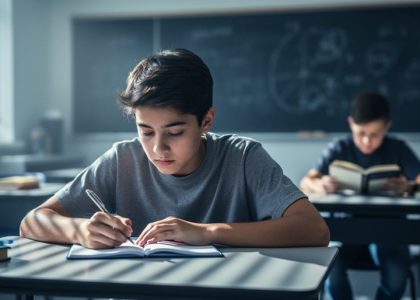
To promote self-awareness in the classroom, encourage students to keep a journal where they can reflect on their emotions, thoughts, and behaviors. Incorporate mindfulness exercises, such as deep breathing or guided visualizations, to help students tune into their inner experiences. Engage students in discussions about their strengths, challenges, and personal goals, fostering a supportive environment where they feel comfortable sharing. Use role-playing activities to help students understand different perspectives and develop empathy. Implement self-assessment tools, such as questionnaires or checklists, to guide students in evaluating their own progress and identifying areas for growth. Teach students about the connection between thoughts, feelings, and actions, and how developing their working memory can help them better manage their emotions. By consistently integrating these strategies into daily classroom routines, teachers can empower students to build a strong foundation of self-awareness.
Self-Management

Effective Self-Management Techniques for Students
Educators can empower students to develop effective self-management techniques by teaching strategies such as goal-setting, time management, and emotional regulation. Encourage students to break down large tasks into smaller, manageable steps and create realistic timelines for completion. Introduce mindfulness practices like deep breathing and meditation to help students manage stress and maintain focus. Provide opportunities for students to practice self-reflection and self-assessment, allowing them to identify their strengths, challenges, and areas for growth. Model effective self-management by sharing personal examples and demonstrating how to prioritize tasks, handle setbacks, and celebrate successes. Foster a supportive classroom environment where students feel comfortable discussing their struggles and seeking guidance. By equipping students with these tools and creating a nurturing atmosphere, educators can help them build the self-management skills necessary for academic and personal success.
Social Awareness
Promoting Social Awareness in a Diverse Classroom
To foster social awareness in a diverse classroom, teachers should create an environment that celebrates differences and promotes empathy. Encourage students to share their unique perspectives and experiences through class discussions, group projects, and cultural presentations. Model active listening and respectful communication to help students develop these skills. Incorporate diverse literature, media, and historical examples into lessons to expose students to various cultures, beliefs, and viewpoints. Establish clear guidelines for inclusive language and behavior, addressing any instances of bias or discrimination promptly and constructively. Regularly engage students in role-playing exercises and scenarios that challenge them to consider others’ feelings and perspectives. By creating a safe space for open dialogue and emphasizing the value of diversity, teachers can help students develop a strong sense of social awareness and build a more inclusive classroom community.
Relationship Skills

Building Strong Relationships in the Classroom
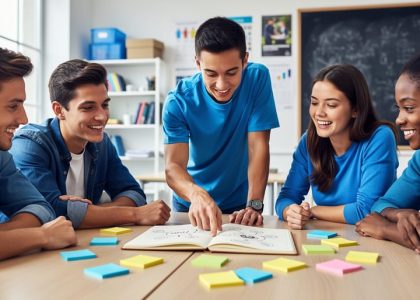
Building strong relationships in the classroom is crucial for fostering a safe and supportive learning environment. To enhance students’ relationship skills, educators can implement activities such as paired sharing, where students discuss a topic with a partner, practicing active listening and effective communication. Cooperative learning projects, like creating a class mural or solving a problem together, encourage collaboration and teamwork. Morning meetings or circle time provide opportunities for students to share their thoughts and feelings, promoting empathy and understanding among classmates. Teachers can also model positive relationships by demonstrating respect, kindness, and open communication in their interactions with students and colleagues. By incorporating lessons on conflict resolution, perspective-taking, and appreciating diversity, educators can help students develop the skills necessary to build and maintain healthy relationships both inside and outside the classroom. These activities and lessons contribute to a positive classroom climate where students feel valued, connected, and ready to learn.
Responsible Decision-Making
Teaching Responsible Decision-Making Skills
To integrate responsible decision-making skills into the curriculum, educators can present students with real-world scenarios and guide them through the decision-making process. Encourage students to consider the potential consequences of their choices and evaluate the ethical implications. Incorporate role-playing activities that allow students to practice making decisions in a safe environment and reflect on the outcomes. In classroom management, establish clear expectations and consequences for behavior, and consistently enforce them. Engage students in creating classroom rules and discussing the reasoning behind them. Provide opportunities for students to take ownership of their actions and make amends when necessary. Celebrate and reinforce positive decision-making by acknowledging students who demonstrate these skills. By modeling responsible decision-making and providing ongoing support and guidance, educators can help students develop the ability to make sound choices that contribute to their personal growth and the well-being of their community.
The five components of social emotional learning—self-awareness, self-management, social awareness, relationship skills, and responsible decision-making—form a solid foundation for students’ personal growth and academic success. By incorporating these elements into daily lessons and interactions, educators can empower students to develop the emotional intelligence and interpersonal skills necessary to thrive in school and beyond. Prioritizing SEL in the classroom not only supports individual student well-being but also fosters a positive, inclusive learning environment where all students feel valued and motivated to reach their full potential. As educators, it is our responsibility to equip students with the tools they need to navigate challenges, build meaningful connections, and make informed choices that positively impact their lives and communities. By embracing SEL as an integral part of education, we invest in our students’ long-term success and contribute to a more compassionate, resilient society.
7 powerful strategies to nurture emotional intelligence in young children can be integrated with these approaches to enhance overall emotional and social development.