Embrace a holistic approach to education that nurtures the whole child – intellectually, socially, emotionally, physically, culturally, and ethically. By fostering growth across all domains, we empower students to reach their full potential and thrive in an ever-changing world.
Holistic student development recognizes that learning extends far beyond academics. It acknowledges the interconnectedness of a child’s experiences, relationships, and environments, and seeks to cultivate a strong sense of self, resilience, empathy, and purpose.
Through intentional practices and supportive learning communities, educators have the power to shape the hearts and minds of the next generation. By prioritizing holistic development, we not only equip students with the knowledge and skills they need to succeed, but also the character, values, and mindset to lead meaningful, fulfilling lives.
Together, let us explore the transformative potential of holistic education and discover practical strategies to unlock the boundless possibilities within each and every child.
Intellectual Development
Inquiry-Based Learning
Inquiry-based learning is a powerful approach that sparks intellectual growth and nurtures curiosity in students. By engaging in hands-on, investigative activities, learners develop critical thinking skills, problem-solving abilities, and a deep love for learning. This approach encourages students to ask questions, explore their interests, and take ownership of their educational journey. Through inquiry-based learning, students learn how to research, analyze information, and draw conclusions based on evidence. It fosters a growth mindset, teaching students that learning is an ongoing process of discovery and improvement. Educators can incorporate inquiry-based learning through project-based assignments, game-based learning, and open-ended discussions that encourage students to share their ideas and perspectives. By creating a classroom environment that values curiosity, exploration, and intellectual risk-taking, teachers can help students develop the skills and mindset needed for lifelong learning and success in an ever-changing world.

Interdisciplinary Connections
Holistic student development recognizes the interconnectedness of learning across disciplines. By connecting concepts and skills from different subjects, students develop a deeper understanding of the world around them. For example, integrating math and science with language arts and social studies allows students to explore real-world applications and develop critical thinking skills. Interdisciplinary learning also fosters creativity, as students learn to approach problems from multiple perspectives. Educators can promote interdisciplinary connections by designing projects that require students to draw upon knowledge from various subjects, encouraging collaboration among teachers from different disciplines, and highlighting the relevance of learning to students’ lives beyond the classroom. Some cross-curricular ideas can also help spark student engagement by linking varied academic content.
Social-Emotional Learning
Collaborative Learning
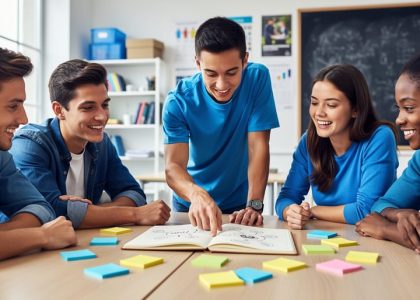
Collaborative learning is a powerful tool for fostering social skills and preparing students for success in a diverse world. By engaging in group projects and cooperative activities, students learn to communicate effectively, listen actively, and respect different perspectives. They develop empathy, patience, and the ability to compromise and negotiate to achieve common goals. Collaborative learning also encourages students to take responsibility for their own learning and contribute to the success of their peers. As they work together to solve problems and complete tasks, students build strong interpersonal relationships and a sense of belonging within the classroom community. By integrating collaborative learning opportunities throughout the curriculum, educators can help students develop the social and emotional competencies they need to thrive in school and beyond. With guidance and support from teachers, students can learn to navigate the challenges of group dynamics and emerge as confident, compassionate, and socially adept individuals. Explore different collaborative learning models to enhance student engagement.
Emotional Intelligence
Emotional intelligence is a critical component of holistic student development. To help students recognize and manage their emotions effectively, educators can incorporate mindfulness practices into the classroom, such as deep breathing exercises or guided meditations. Encouraging students to identify and label their emotions can also increase self-awareness. Role-playing activities and discussing real-life scenarios can help students practice empathy and understand different perspectives. Educators should model healthy emotional expression and provide a safe, supportive environment for students to share their feelings. Teaching problem-solving strategies and coping mechanisms, such as journaling or seeking support from trusted adults, can empower students to manage their emotions in constructive ways. By prioritizing emotional intelligence, educators can help students develop the skills necessary to navigate challenges, build strong relationships, and thrive both academically and personally. Learn more about nurturing emotional intelligence.
Physical Well-Being
Physical well-being is a critical component of holistic student development, as it directly impacts a child’s ability to learn and thrive in the classroom. When students are physically healthy, they have more energy, better focus, and improved cognitive function. To support physical well-being, educators can incorporate movement and healthy habits into the school day.
One effective strategy is to integrate short movement breaks between lessons, such as stretching, jumping jacks, or yoga poses. These activities can help students release pent-up energy, reduce stress, and improve blood flow to the brain. Additionally, educators can promote healthy habits by encouraging students to bring nutritious snacks and water bottles to school, and by providing opportunities for outdoor play and exploration.
Schools can also partner with local organizations to offer health screenings, vaccination clinics, and nutrition education programs. By prioritizing physical well-being, educators create a foundation for optimal learning and development. When students feel healthy and energized, they are better equipped to engage in the classroom, build positive relationships, and reach their full potential. By incorporating movement and healthy habits into the school day, educators can help students develop lifelong habits that support their physical and overall well-being.
Cultural Awareness
In today’s globalized world, embracing diversity and promoting cultural understanding are essential for holistic student development. By fostering an inclusive classroom environment, educators can help students develop empathy, respect, and appreciation for different cultures and perspectives. This not only enriches their learning experience but also prepares them to be responsible global citizens.
To promote cultural awareness, educators can incorporate diverse learning materials that represent various cultures, ethnicities, and perspectives. This includes books, videos, and resources that showcase different traditions, customs, and viewpoints. Inviting guest speakers from diverse backgrounds can also expose students to new ideas and experiences, broadening their horizons.
Educators can also encourage open discussions and activities that celebrate diversity and promote cultural understanding. This can involve organizing multicultural events, facilitating cross-cultural dialogues, and encouraging students to share their own cultural experiences and traditions. By creating a safe and inclusive space for these conversations, educators can help students develop a deeper appreciation for the richness of human diversity.
Furthermore, educators should actively address and challenge stereotypes, biases, and discrimination in the classroom. This involves modeling respectful behavior, using inclusive language, and promptly addressing any instances of prejudice or intolerance. By consistently promoting a culture of respect and inclusivity, educators can create a nurturing environment where all students feel valued and supported.

Ethical Development
Nurturing strong values, integrity, and responsible decision-making is a crucial aspect of holistic student development. Educators can foster ethical development by integrating character education programs into the curriculum. These programs should focus on teaching core values such as honesty, respect, empathy, and responsibility through engaging activities, discussions, and real-life scenarios. For example, schools can implement a “values of the month” initiative, where each month focuses on a specific value and encourages students to demonstrate it in their daily lives. Additionally, educators can create opportunities for students to engage in community service projects, allowing them to develop a sense of social responsibility and empathy towards others. By modeling ethical behavior and providing a supportive environment that encourages open dialogue about moral dilemmas, educators can help students develop the skills and mindset necessary to navigate complex ethical situations throughout their lives. Ultimately, by prioritizing ethical development alongside academic growth, schools can nurture well-rounded individuals who are equipped to make positive contributions to society.
Lifelong Learning
In our rapidly changing world, lifelong learning is a critical skill for students to thrive both personally and professionally. As educators, it is our responsibility to cultivate a love for learning that extends beyond the classroom walls. By fostering curiosity and a growth mindset, we empower students to embrace challenges, learn from failures, and continuously seek opportunities to expand their knowledge and skills.
One effective way to nurture a love for learning is by creating an engaging and interactive learning environment that encourages exploration and discovery. Provide students with opportunities to pursue their interests, ask questions, and engage in hands-on activities that make learning fun and meaningful. Encourage them to take risks, think critically, and collaborate with their peers to solve problems and generate new ideas.
To instill adaptability, teach students strategies for coping with change and uncertainty. Help them develop resilience by guiding them through challenges and celebrating their progress. Emphasize the importance of flexibility and the ability to learn from diverse perspectives. By modeling a growth mindset and demonstrating that learning is a lifelong journey, educators can inspire students to embrace change and view obstacles as opportunities for growth.
Ultimately, by nurturing a love for learning and adaptability, we equip students with the tools they need to navigate an ever-evolving world and achieve their full potential.
Conclusion
In conclusion, holistic student development is a comprehensive approach that nurtures the intellectual, social-emotional, physical, cultural, and ethical growth of each child. By focusing on the whole student, educators can create a supportive and engaging learning environment that fosters academic success, personal well-being, and positive relationships. Adopting a holistic approach requires a shift in mindset and practice, but the long-term benefits for students are undeniable. When educators prioritize the development of the whole child, they empower students to become lifelong learners, critical thinkers, and responsible global citizens. By providing opportunities for self-discovery, collaboration, and real-world application, holistic education prepares students to thrive in an ever-changing world. Educators who embrace this approach will witness the transformative power of nurturing the unique potential of each student, ultimately contributing to a more compassionate, innovative, and sustainable future for all.