Good health and wellness in Indian Country refers to a holistic approach to well-being rooted in Indigenous philosophies that balance physical, mental, emotional, and spiritual health within the context of family, community, and ancestral connection. Unlike the Western medical model that often treats symptoms in isolation, Indigenous wellness recognizes that true health emerges from harmony across all aspects of life and honors traditional practices, cultural identity, and tribal sovereignty as foundational to healing.
This matters deeply in educational settings because Indigenous students face persistent health disparities while navigating schools that rarely reflect their cultural understanding of wellness. When educators understand wellness through an Indigenous lens, they create learning environments where Native students feel seen, supported, and empowered to thrive. The statistics are stark: Indigenous youth experience higher rates of historical trauma, chronic illness, and mental health challenges than their peers, yet they also carry profound cultural strengths that Western frameworks often overlook or misunderstand.
This article equips K-12 educators with both knowledge and practical strategies to honor Indigenous wellness perspectives in your classroom and school community. You’ll learn how the Medicine Wheel and other traditional frameworks guide wellness, explore the specific dimensions that Indigenous communities prioritize, and discover concrete ways to integrate these perspectives respectfully into your teaching practice. Most importantly, you’ll understand why partnership with Native families and tribal communities isn’t just beneficial but essential to this work.
Whether you teach Indigenous students daily or want to build cultural responsiveness across your curriculum, this guide offers a foundation for supporting the whole child while honoring the wisdom that Indigenous peoples have cultivated across generations.
What Good Health and Wellness Means in Indigenous Communities
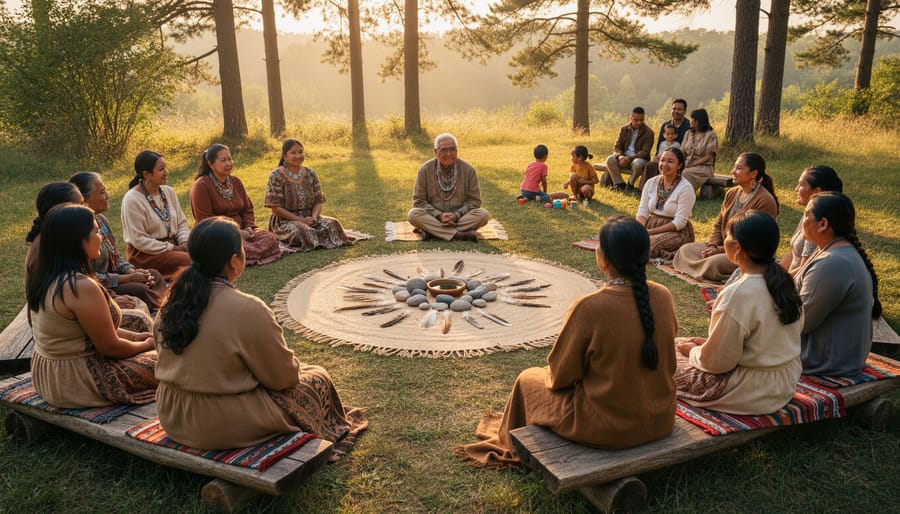
In Indigenous communities across North America, health and wellness extend far beyond the absence of disease or physical fitness. The concept encompasses a balanced relationship between physical, mental, emotional, and spiritual well-being, all grounded in connection to land, culture, community, and identity. This understanding stands in sharp contrast to Western medical models that typically separate mind from body and treat symptoms in isolation.
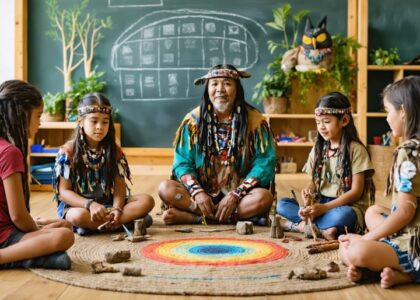
Many Indigenous nations use the Medicine Wheel as a teaching framework to explain this interconnected approach to wellness. While specific interpretations vary across tribes and regions, the Medicine Wheel commonly represents the four aspects of human existence and their continuous connection to one another. When one dimension falls out of balance, the others are affected. True wellness emerges from nurturing all four simultaneously rather than addressing them as separate concerns.
- Medicine Wheel
- A sacred teaching symbol used by many Indigenous nations to represent the interconnected nature of physical, mental, emotional, and spiritual health, as well as the cyclical relationship between all living things.
- Holistic Wellness
- An approach to health that recognizes the inseparable connection between body, mind, emotions, and spirit, where true wellness requires balance across all dimensions rather than treatment of isolated symptoms.
- Cultural Continuity
- The ongoing practice and transmission of traditional knowledge, language, ceremonies, and values across generations, which serves as a protective factor for Indigenous health and identity.
- Intergenerational Healing
- The process of addressing historical and contemporary trauma within Indigenous communities by strengthening cultural practices and family connections, allowing wellness to be restored across generations.
This framework recognizes that a person cannot be truly well if they are disconnected from their cultural identity, even if they appear physically healthy by Western standards. Similarly, community wellness matters as much as individual health. When Elders pass down traditional knowledge, when families gather for ceremonies, when young people learn their ancestral language, these are not peripheral activities separate from health care. They are health care, working to restore and maintain the balance that colonization disrupted.
For educators, understanding this distinction proves essential. Indigenous students and families may view wellness through a lens that values spiritual connection, cultural practice, and community relationships as much as nutrition and exercise. Recognizing this broader definition allows teachers to support the whole student rather than imposing a narrow, Western-only health perspective.
How Indigenous Wellness Frameworks Work
The Role of Culture and Identity
Cultural connection forms the foundation of wellness for Indigenous youth, serving as both a protective factor and a source of strength. When students understand their tribal identity, participate in cultural practices, and see their heritage reflected positively, they develop stronger self-esteem, resilience, and sense of belonging. Research consistently shows that Indigenous youth with strong cultural connections experience better mental health outcomes and lower rates of substance abuse and suicide.
Ceremonies and traditional practices offer structured ways for young people to process emotions, find meaning, and connect with something larger than themselves. Whether through powwows, seasonal gatherings, or specific cultural protocols, these experiences teach discipline, community responsibility, and spiritual grounding. They provide context for understanding one’s place in the world and a framework for making healthy choices.
Indigenous language revitalization plays a particularly powerful role in identity formation and wellness. Language carries cultural worldviews, traditional knowledge, and ways of understanding relationships with land and community that don’t translate into English. When students learn their tribal language, even basic phrases or songs, they access ancestral wisdom and strengthen their connection to who they are.
For educators, supporting cultural connection means creating space for students to explore their heritage without pressure to perform or prove their identity, recognizing that connection looks different for every student and family.
Community and Intergenerational Connections
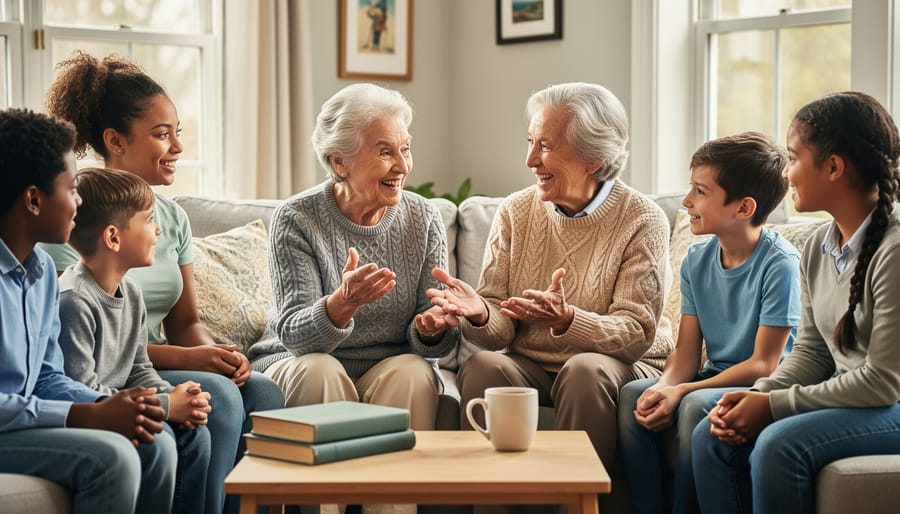
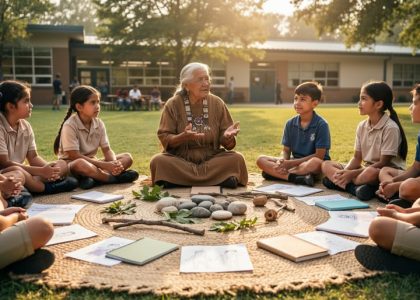
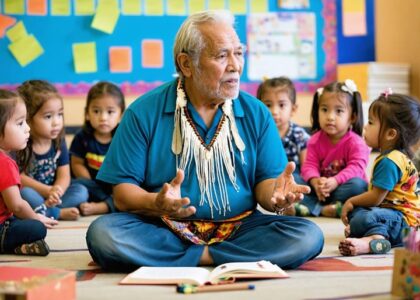
Elders hold a central place in Indigenous wellness systems. They carry the knowledge that younger generations need, not just practical skills, but the stories, values, and understandings that shape identity and resilience. When youth spend time with Elders, they learn how to navigate challenges, interpret their experiences, and maintain balance in ways that textbooks cannot teach. This relationship creates a living bridge between past wisdom and present reality.
Oral storytelling serves as both medicine and education. Through stories, Elders transmit health knowledge, which plants heal which ailments, how ancestors overcame hardship, what behaviors lead to wellness or harm. These narratives carry lessons about mental and emotional health, community responsibility, and spiritual practice. The act of listening itself builds connection and belonging, which are protective factors against the isolation and disconnection that harm young people’s wellbeing.
Community gatherings, ceremonies, and shared work strengthen these bonds. When multiple generations cook together, harvest traditional foods, or participate in cultural events, they create networks of support that buffer against stress and trauma. Youth see themselves reflected in their community’s continuity. They understand their place in something larger than themselves, which fosters purpose and hope, essential ingredients for long-term health and wellness.
Dimensions of Health in Indian Country
Physical Health and Traditional Foods
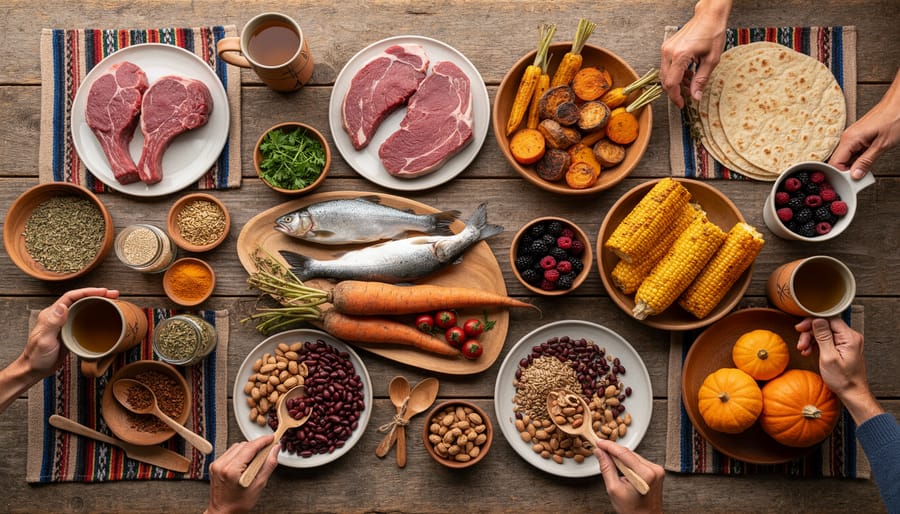
Traditional foods form the foundation of physical health in Indigenous communities, connecting nutrition to cultural identity and land stewardship. Foods like salmon, bison, wild rice, corn, beans, squash, and gathered berries provide nutritional profiles that Indigenous bodies evolved with over thousands of years. These foods aren’t just healthier, they carry cultural memory and spiritual significance that processed, commodity foods cannot replace.
Many Indigenous communities face food insecurity and limited access to traditional foods due to forced relocation, environmental degradation, and systemic barriers. Yet revitalizing traditional foodways shows measurable health improvements. Community gardens growing the Three Sisters (corn, beans, squash), fishing rights restoration, and tribal food sovereignty programs reconnect people to ancestral nutrition while addressing diabetes, heart disease, and obesity rates that spiked with the introduction of government commodity foods.
Physical wellness also includes land-based activities: hunting, fishing, gathering, farming, and ceremonial practices that keep bodies moving in purposeful ways. Unlike gym exercise, these activities build strength while maintaining cultural knowledge and community bonds. When educators understand this connection, they can support student wellness through school gardens using Indigenous growing methods, incorporating traditional foods into nutrition lessons, and respecting that physical health in Indian Country means restoring relationships with land and food systems.
Mental and Emotional Wellness
Indigenous communities understand mental and emotional wellness through the lens of historical trauma, collective resilience, and cultural strength. For Native students, mental health isn’t separate from identity, it’s deeply connected to their relationship with family, community, land, and cultural traditions.
Historical trauma from boarding schools, forced removal, and ongoing marginalization affects multiple generations. This isn’t individual mental illness; it’s the cumulative emotional and psychological wounds passed down through families and communities. Recognizing this context helps educators understand why culturally responsive mental health support matters so deeply.
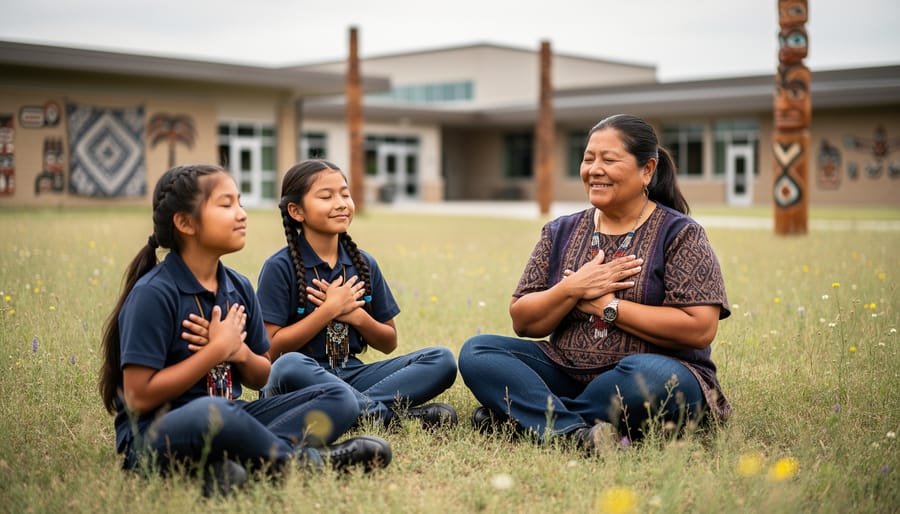
Resilience in Indian Country comes from cultural practices that Western mental health often overlooks. Talking circles, smudging ceremonies, drumming, and connection with Elders provide healing that clinical therapy alone cannot offer. When Native youth participate in traditional practices, they access centuries of emotional healing wisdom.
Culturally responsive mental health support means partnering with tribal mental health programs, recognizing that Western diagnostic categories don’t always fit Indigenous experiences, and understanding that healing happens in community. For educators, this means creating spaces where Native students can express cultural identity without shame, connecting families to Native-led mental health resources, and recognizing cultural practices as legitimate wellness strategies, not alternatives to “real” treatment.
Spiritual Health and Cultural Practice
Spiritual health forms a foundational pillar of wellness in Indigenous communities, serving as a vital force that connects individuals to their purpose, ancestors, and the natural world. Unlike Western healthcare models that typically separate spiritual practice from physical treatment, Indigenous frameworks recognize spirituality as central to healing and maintaining balance across all dimensions of life.
Ceremonies, prayer, and spiritual practices provide structure for processing grief, celebrating transitions, and maintaining harmony with the natural cycles that govern life. Smudging with sacred medicines like sage or sweetgrass, participating in sweat lodges, or engaging in seasonal ceremonies helps individuals release negative energy, restore mental clarity, and strengthen their connection to community and identity. These practices address wellness at depths that conventional medical interventions rarely reach.
For Indigenous youth, spiritual connection serves as a protective factor against mental health challenges, offering a sense of belonging and purpose that builds resilience. When students understand their place within a larger spiritual and cultural context, they develop stronger self-worth and clearer pathways through difficult experiences. Educators who recognize and respect the role of spiritual practice in student wellness create space for Indigenous students to integrate all dimensions of their identity rather than fragmenting who they are to fit institutional expectations.
How Educators Can Apply Indigenous Wellness Principles in K-12 Settings
Curriculum Integration Strategies
Integrating Indigenous health perspectives starts with centering tribal knowledge systems alongside Western content. In science classes, explore traditional ecological knowledge about medicinal plants, seasonal harvests, and sustainable practices, always with permission from local tribes and acknowledgment of intellectual property rights. Connect plant biology lessons to how Indigenous communities have used traditional foods and medicines for generations, framing this as sophisticated scientific understanding rather than folklore.
Social studies offers natural entry points through units on regional history, government structures, and cultural practices. When discussing health policy or public health history, include the impacts of colonization, forced assimilation, and ongoing health disparities, taught with context about resilience and sovereignty. Partner with tribal education departments to access approved resources and guest speakers who can share community perspectives on wellness.
Health education classes can incorporate the Medicine Wheel or similar holistic frameworks when teaching wellness concepts. Rather than replacing standard curriculum, use Indigenous teaching methods to expand definitions of health beyond physical fitness and disease prevention. Discuss mental, emotional, spiritual, and community wellness as interconnected dimensions.
Critical guidelines: never ask students to share personal cultural or ceremonial information, avoid one-time “cultural activities” without context, and recognize that specific practices vary by tribe. Work with your district’s tribal liaison or nearby education offices to ensure accuracy and respect. This partnership approach honors tribal sovereignty while giving all students richer, more complete health education.
Creating Culturally Responsive School Environments
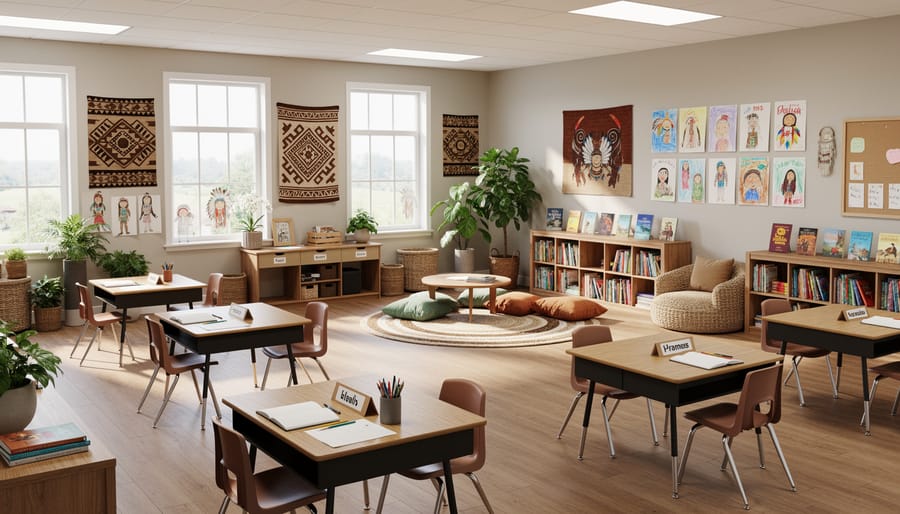
Creating a culturally responsive school environment goes beyond curriculum, it requires transforming the physical space, daily practices, and institutional policies to reflect and honor Indigenous cultures. Start with what students see when they walk through your doors. Display artwork by Native artists, maps showing traditional tribal territories, and bilingual signage in local Indigenous languages. These visual elements send an immediate message: your identity belongs here.
Language revitalization deserves institutional support. Partner with tribal language keepers to offer classes, create language nests for younger students, or incorporate Indigenous language greetings into morning announcements. Even small gestures, learning to pronounce students’ names correctly, understanding the significance of traditional names, demonstrate respect that strengthens student identity.
Build formal connections to community resources. Establish relationships with tribal health departments, cultural centers, and wellness programs. Invite Elders as regular visitors, not just for special events. Create flexible attendance policies that recognize cultural ceremonies and traditional practices as valid reasons for absence. Ensure your school counselors understand historical trauma and can connect families to culturally appropriate mental health services.
Policy matters too. Review dress codes to explicitly allow traditional regalia, jewelry, and hairstyles. Stock your library with books by Native authors. Train all staff in cultural humility and the history of local tribes. When Indigenous students see their cultures woven into everyday school life, not relegated to a November unit, they experience an environment designed for their wellness.
Common Questions About Indigenous Health and Wellness Education
Educators approaching Indigenous health and wellness topics often face legitimate questions about respectful implementation. Understanding how to navigate cultural protocols, avoid appropriation, and build authentic partnerships matters tremendously when teaching content that centers Native knowledge and experiences.
The most effective approach starts with recognizing tribal sovereignty and the diversity of Indigenous nations. No single resource or curriculum can represent all Native peoples, which is why partnership with local tribal communities and cultural experts forms the foundation of respectful practice. Before introducing Indigenous wellness concepts, reach out to tribal education departments, cultural centers, or Native parent groups in your area to discuss appropriate ways to teach these topics and identify which practices are appropriate for classroom settings versus those that should remain within community contexts.
How do I teach about Indigenous wellness without appropriating sacred practices?
Focus on concepts and frameworks like the Medicine Wheel’s holistic approach rather than attempting to practice or demonstrate ceremonies. Teach about spiritual wellness as a component of health without trying to recreate sacred traditions in classroom settings.
Where can I find authentic resources developed by Indigenous communities?
Start with tribal education departments, organizations like the National Indian Education Association, and Indigenous-led health organizations such as the Native Wellness Institute. Always verify that materials were created with tribal input and approval.
What if my school has no Native students, should I still teach these concepts?
Yes. All students benefit from understanding Indigenous perspectives on health and wellness, which counters stereotypes and builds cultural competency. Frame lessons as learning from Indigenous knowledge systems that offer valuable approaches to holistic health.
How do I engage Native families in health and wellness education?
Invite Native parents and Elders as partners in curriculum development rather than as tokens for cultural events. Ask what they want their children to learn and how they’d like to be involved in providing culturally responsive support.
Building relationships takes time. Don’t rush into teaching Indigenous wellness topics without first establishing connections with Native communities and investing in your own learning about the specific nations whose territories your school occupies. This groundwork demonstrates respect and creates the conditions for authentic, non-extractive education that truly serves Indigenous students and honors their communities’ knowledge.
Supporting good health and wellness in Indian Country starts with recognizing that Indigenous communities define wellness through interconnected relationships, to culture, land, language, community, and identity. This holistic framework challenges Western medical models that isolate physical health from mental, emotional, and spiritual dimensions. As educators, honoring this difference means moving beyond adding an Indigenous unit to your curriculum. It requires building genuine partnerships with tribal communities, creating space for Native student identity in your classroom, and continuously examining how your teaching practices either support or undermine Indigenous ways of knowing.
The strategies outlined in this article offer starting points, not prescriptions. Every tribal nation has distinct health traditions, protocols, and priorities. What works in one community may not translate directly to another. Your role is to listen, learn, and follow the lead of Indigenous educators, families, and community members. Invite tribal representatives to guide curriculum decisions. Ask how you can support language revitalization efforts. Examine your classroom library for authentic Indigenous voices. Challenge stereotypes when they surface. These everyday actions accumulate into meaningful change.
You don’t need to become an expert overnight. Commit to ongoing learning and recognize that this work is relational, not transactional. Connect with other educators navigating similar questions through Teach Find’s community forums, where you can share resources, ask for feedback, and learn from colleagues already integrating Indigenous health perspectives. Use our interactive tools to develop lesson plans that center Indigenous knowledge systems while meeting educational standards. Most importantly, remember that supporting Indigenous student wellness isn’t separate from good teaching, it’s what responsive, equity-centered education looks like in practice.