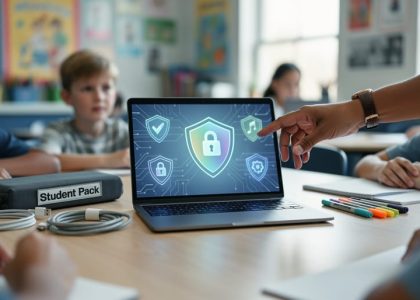
E-learning readiness is the collective capacity of a school, its educators, and its students to effectively implement and sustain digital learning environments. It measures whether the necessary infrastructure, skills, culture, and systems are in place before launching or expanding online and blended instruction.
Understanding this readiness matters more than ever as K-12 schools continue integrating technology into daily instruction. Too often, districts invest heavily in devices and platforms without assessing whether teachers feel prepared to use them, whether students have reliable internet access at home, or whether the school culture supports the shift. The result? Frustration, wasted resources, and learning gaps that widen instead of close.
The nine dimensions framework offers a practical way to evaluate readiness across multiple areas: technology infrastructure, content development, instructional design, student readiness, teacher readiness, administrative support, financial sustainability, legal and ethical considerations, and cultural acceptance. Each dimension plays a distinct role, and weakness in even one area can undermine an entire e-learning initiative.
This article breaks down each dimension in clear terms, explains how they work together, and shows you how to assess your school’s current standing. You’ll find actionable strategies to strengthen weak areas, whether you’re a classroom teacher preparing students for digital learning or an administrator planning a district-wide rollout. The goal is simple: equip you with a roadmap that turns good intentions into successful, sustainable e-learning programs that genuinely serve your students.
What E-Learning Readiness Means for K-12 Education
E-learning readiness refers to how prepared your students, staff, and school are to succeed in digital learning environments. It goes beyond just having computers and internet access. True readiness means everyone has the skills, resources, mindset, and support systems needed to teach and learn effectively online.
For K-12 educators, this preparedness exists across three interconnected levels. At the student level, readiness includes technical skills, self-directed learning habits, and comfort with digital tools. At the teacher level, it encompasses pedagogical knowledge for online instruction, confidence with technology, and ability to engage students remotely. At the institutional level, readiness involves infrastructure, policies, training programs, and ongoing support structures.
What makes this concept particularly important is cognitive adaptation. When students move from traditional classrooms to digital environments, they must adjust how they process information, manage their attention, and approach learning tasks. Online learning requires different cognitive strategies than face-to-face instruction. Students need stronger self-regulation skills to stay focused without constant teacher supervision. They must learn to navigate multiple digital tools while managing cognitive load. They have to develop new ways of collaborating, asking questions, and demonstrating understanding.
Without adequate readiness across these dimensions, students struggle to adapt cognitively to digital learning demands. They may have the technology but lack the mental frameworks and strategies to use it effectively for learning. Assessing readiness helps you identify and address these gaps before they become barriers to student success.
How E-Learning Readiness Assessment Works

Assessing e-learning readiness isn’t a one-time checklist activity. It’s an ongoing process that reveals where your school stands across multiple dimensions and guides targeted improvements. The assessment helps educators and administrators move beyond gut feelings to data-informed decisions about digital learning implementation.
The process starts by examining each of the nine dimensions through surveys, observations, and infrastructure audits. You’re looking for both obvious gaps, like outdated devices or unreliable internet, and less visible challenges, such as teacher confidence with digital tools or student self-regulation skills. Schools often discover that strength in one dimension (say, technology infrastructure) masks weaknesses in others (like pedagogical readiness or support systems).
Effective readiness assessments typically follow these steps:
- Identify all stakeholders who need input: teachers, students, IT staff, administrators, and parents
- Select or design assessment tools that measure each dimension, using surveys, rubrics, and technical evaluations
- Collect and analyze results to pinpoint specific strengths and gaps across the nine dimensions
- Create prioritized action plans that address the most critical readiness barriers first
The real value emerges when you map your results against your implementation timeline. If you’re planning to roll out new learning management software next semester, but your assessment reveals low teacher digital literacy, you know professional development must come first. Similarly, discovering that students struggle with self-directed learning tells you to build metacognitive skill development into your curriculum design before launching independent online modules.
Smart schools conduct baseline assessments before major digital initiatives, then reassess periodically to track growth and catch emerging challenges. This cyclical approach prevents the common mistake of investing heavily in technology while neglecting the human and organizational dimensions that actually determine success. The assessment becomes your roadmap, showing not just where you’re going, but which route will get you there most effectively.
The 9 Core Dimensions of E-Learning Readiness
Technology Infrastructure and Access
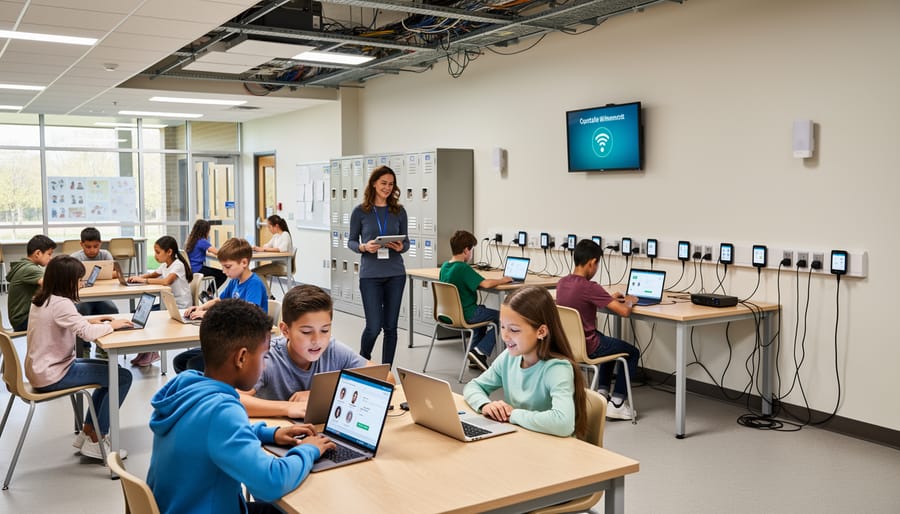
Technology infrastructure forms the foundation of any e-learning initiative, encompassing the physical and digital resources students and teachers need to participate in online learning. This dimension includes reliable internet connectivity, adequate hardware like computers or tablets, appropriate software and learning management systems, and the technical capacity to support simultaneous users across a school or district.
For K-12 educators, infrastructure readiness reveals critical equity gaps. Some students may lack home internet access or share a single device among siblings, creating barriers to consistent participation. Schools must audit their current technology landscape honestly: How many students have dedicated devices? What is the minimum bandwidth available in classrooms and at home? Can families afford data plans if learning extends beyond school hours?
Bridging the digital divide requires creative solutions. Many schools partner with internet providers for subsidized connectivity, establish device lending programs, or create offline-capable assignments that sync when students regain access. Mobile hotspot distribution and community WiFi zones have expanded access in underserved areas. The goal is ensuring every learner has equitable opportunity to engage with digital content, regardless of their economic circumstances.
Technical Skills and Digital Literacy
Technical skills form the foundation for meaningful participation in digital learning environments. Both students and educators need more than basic computer operation, they require the ability to navigate learning management systems, collaborate through digital tools, troubleshoot common technical issues, and use multimedia creation platforms.
For students, essential competencies include logging into platforms independently, submitting assignments digitally, participating in video conferences, and managing their digital files. These digital competencies for students extend beyond clicking buttons to understanding how technology supports their learning process.
Teachers need parallel skills: creating and organizing digital content, moderating online discussions, using assessment tools, and adapting when technology doesn’t work as planned. They also must model digital citizenship and guide students through safe, responsible technology use. Without these technical foundations in place, even well-designed digital curriculum falls flat, students spend time struggling with the platform rather than engaging with the content.
Content Readiness and Curriculum Design
Digital content differs fundamentally from print materials, it can embed video demonstrations, clickable diagrams, and self-paced quizzes directly into lessons. Effective curriculum design for digital delivery means breaking traditional textbook chapters into modular, screen-friendly segments that students can navigate independently. Teachers might transform a static worksheet on photosynthesis into an interactive simulation where students manipulate variables and observe results in real time.
Multi-sensory learning becomes easier to implement digitally through embedded audio narration, animations that illustrate complex processes, and tactile elements like drag-and-drop activities. Well-designed digital curricula anticipate different learning pathways, offering choice boards where students select their preferred format, video tutorials, text guides, or hands-on projects, while meeting the same learning objectives. The goal is creating materials that leverage digital affordances rather than simply digitizing existing paper-based resources.
Pedagogical Approaches and Teaching Strategies
Moving instruction online isn’t just about replicating classroom activities on a screen, it requires fundamentally rethinking how teaching happens. In digital environments, successful educators shift from primarily lecturing to facilitating active learning experiences where students engage directly with content through interactive simulations, collaborative projects, and self-paced explorations. Asynchronous learning creates opportunities for differentiation that physical classrooms can’t always match, letting students revisit recorded lessons at their own pace while teachers provide targeted feedback on digital assignments.
Effective digital learning strategies prioritize clear communication and structured routines, since students lack the immediate body language cues and spatial context they’d have in person. Teachers who succeed online establish consistent platforms for announcements, organize materials logically in learning management systems, and build regular check-in points to maintain connection. Combining synchronous video sessions for discussion and collaboration with asynchronous independent work gives students both real-time interaction and flexibility, addressing different learning preferences while maintaining engagement across the week.
Learner Attitudes and Motivation

Student attitudes toward digital learning significantly impact their success in online environments. When learners view e-learning positively and feel confident in their ability to succeed, they engage more deeply with content and persist through challenges. This dimension examines the psychological and emotional factors that shape student readiness.
Self-regulation skills are particularly critical in digital settings where students often work independently. Learners must set goals, manage their time, monitor their progress, and adjust strategies without constant teacher oversight. Students who struggle with self-motivation may find the flexibility of e-learning overwhelming rather than empowering.
Engagement factors differ in virtual spaces. Students need intrinsic motivation to complete activities when physical presence isn’t required. Their beliefs about technology’s value for learning, comfort with digital tools, and willingness to participate in online discussions all influence outcomes. Educators can strengthen this dimension by building confidence gradually, celebrating small wins, and helping students develop metacognitive awareness of their learning processes in digital environments.
Organizational and Administrative Support
Even the best digital learning tools fail without strong backing from school leadership. Organizational support means more than simply approving a technology budget, it requires clear policies, dedicated resources, and visible commitment from administrators.
Effective schools establish formal e-learning policies that define expectations for technology use, data privacy, and accessibility standards. Leaders allocate not just initial funding but ongoing budgets for software licenses, equipment replacement, and technical support staff. They create schedules that allow teachers time for planning digital lessons and collaborating on best practices.
Leadership visibility matters tremendously. When principals actively participate in professional development sessions and champion digital initiatives in staff meetings, teachers feel supported taking instructional risks. Schools that succeed long-term typically assign dedicated personnel, like instructional technology coaches or digital learning coordinators, to guide implementation rather than treating e-learning as an add-on responsibility.
Resource allocation extends beyond technology purchases to include protected planning time, substitutes for training days, and recognition systems that celebrate teachers experimenting with digital approaches.
Professional Development and Teacher Training
Teachers need continuous learning opportunities to keep pace with evolving digital tools and pedagogical approaches. Effective professional development goes beyond one-time workshops, it requires ongoing support that builds both technical competence and pedagogical confidence in online environments.
Strong training programs address multiple skill layers. Educators learn platform-specific functions like managing virtual classrooms and grading systems, but they also develop instructional design skills for creating engaging digital content. The most valuable sessions focus on practical application: teachers practice building interactive lessons, experiment with assessment tools, and troubleshoot common technical challenges in safe learning spaces.
Peer collaboration amplifies individual training. When teachers share strategies, observe each other’s virtual classrooms, and co-design digital units, they build collective expertise faster than isolated learning allows. Schools that embed digital pedagogy into regular team meetings and create communities of practice see stronger, more sustained implementation than those relying solely on external training sessions.
Support Systems and Technical Assistance
Even the best technology infrastructure means little if teachers and students can’t get help when things go wrong. Support systems form the safety net that keeps digital learning moving forward when technical issues arise.
At the classroom level, this means having clear pathways for assistance. Students need to know exactly where to turn when they can’t access an assignment or when a platform won’t load. Teachers need quick responses when video conferencing fails mid-lesson or when grading software malfunctions.
Effective support structures include multiple channels: help desk tickets for non-urgent issues, phone support for immediate problems, and peer networks where educators share solutions. Schools often establish tiered support, classroom troubleshooting guides for simple fixes, building-level tech coordinators for moderate problems, and district IT specialists for complex issues.
The most successful schools create support documentation in plain language, maintain updated FAQs addressing common problems, and train both staff and students in basic troubleshooting. This reduces dependency on outside help while building collective technical competence across the school community.
Assessment and Evaluation Methods
Measuring student learning in digital environments requires assessment methods that align with online formats while maintaining rigor and validity. Traditional paper-based tests often need redesigning for screen-based delivery, incorporating features like timed submissions, multimedia response options, and automated feedback systems.
Effective digital assessments blend formative and summative approaches. Quick knowledge checks embedded in online lessons provide immediate feedback and guide instruction, while project-based assessments leverage digital tools for creative demonstrations of learning. Digital portfolios capture student growth over time, showcasing work samples and reflective commentary that reveal deeper understanding.
K-12 educators must also address assessment security and academic integrity in online settings. Strategies include using varied question banks, implementing lockdown browsers for high-stakes tests, and designing authentic tasks that require original thinking rather than simple recall. The goal is creating assessment experiences that accurately reflect what students know and can do, regardless of the learning environment.
How Educators Apply E-Learning Readiness in the Classroom
Teachers translate readiness assessments into practical strategies by using dimension-based findings to shape their digital learning environments. When a pre-implementation audit reveals gaps in technical skills, educators build foundational lessons before introducing complex platforms. A middle school teacher discovering varied device access among students might create offline alternatives and provide school equipment checkout programs to ensure equity.
Readiness data drives differentiated instruction decisions. Assessment results showing students struggle with self-regulation in asynchronous settings prompt teachers to add structured check-ins, break assignments into smaller tasks to reduce cognitive load and incorporate progress trackers. Teachers adapt content delivery based on learner attitudes revealed through surveys, reluctant students receive more scaffolding and frequent feedback, while motivated learners access extension materials.
Common readiness-informed applications include:
- Conducting technology walkthroughs before launching new platforms to address infrastructure gaps
- Designing tiered assignments that accommodate different technical skill levels
- Selecting tools aligned with both curriculum goals and available support systems
- Creating peer mentoring programs where digitally proficient students assist classmates
- Establishing regular check-ins to monitor engagement and adjust pedagogical approaches
Elementary teachers use readiness findings to build developmentally appropriate digital experiences. Recognizing young learners need more guidance, they structure online activities with clear step-by-step instructions and visual cues. High school educators leverage readiness data differently, identifying students needing neurodiversity support in digital formats and providing alternative assessment methods or assistive technologies.
The assessment-to-action cycle remains continuous. Teachers revisit readiness evaluations mid-year, adjusting strategies as students develop new competencies and school infrastructure evolves. This responsive approach ensures digital learning environments grow with their users rather than remaining static.
Common Questions About E-Learning Readiness
Many educators approaching e-learning readiness assessment face similar challenges and uncertainties. Understanding how to navigate these common concerns helps you build effective digital learning environments even when facing constraints.
How do I assess my students’ e-learning readiness?
Start with simple surveys or observations covering basic tech skills, access to devices, home internet availability, and comfort with independent learning. Combine these insights with informal check-ins during early digital activities to identify specific support needs.
What if my school has limited resources for technology?
Focus first on building dimensions that don’t require expensive infrastructure, like developing student self-regulation skills, adapting teaching strategies, and creating offline-compatible materials. Partner with community organizations, apply for grants, and explore device lending programs to gradually expand access.
How long does it take to build e-learning readiness?
Building comprehensive readiness is an ongoing process rather than a one-time achievement. You’ll see initial improvements in specific dimensions within weeks, but developing full organizational capacity typically unfolds over one to three years as you address different dimensions systematically.
Can readiness levels change over time?
Absolutely, readiness is dynamic and shifts with technology updates, student populations, staff changes, and evolving pedagogical approaches. Regular reassessment helps you identify new gaps and maintain strong foundations as your digital learning program matures.
Remember that readiness building happens incrementally. You don’t need to perfect all nine dimensions before starting digital learning initiatives. Instead, identify your current strengths, prioritize the most critical gaps for your context, and develop a phased approach that builds capacity systematically. Small wins in individual dimensions create momentum that supports broader implementation over time.
Successfully implementing e-learning in K-12 settings requires attention to all nine dimensions working in concert. While you might be tempted to focus on the most obvious gaps, like technology access or teacher training, sustainable digital learning environments emerge only when every dimension receives thoughtful consideration. A school with excellent infrastructure but unmotivated learners will struggle just as much as one with engaged students but inadequate support systems.
The readiness framework isn’t a checklist to complete once. It’s an ongoing diagnostic tool that helps you identify where to focus improvement efforts as your digital learning program evolves. Student needs change, technologies advance, and pedagogical approaches mature over time. Regular assessment across all dimensions keeps your implementation responsive rather than reactive.
What works in your classroom or school offers valuable insights for other educators navigating similar challenges. Sharing your readiness assessment results, implementation strategies, and problem-solving approaches through community forums creates collective knowledge that benefits the entire K-12 education community. Interactive readiness tools help you benchmark your progress and identify specific areas where peer expertise might guide your next steps.
Start with an honest assessment of where you stand across all nine dimensions. Focus on your most critical gaps first, but keep the whole framework in view. The most effective digital learning environments don’t happen by accident, they’re built deliberately, dimension by dimension, with educators learning alongside their students.