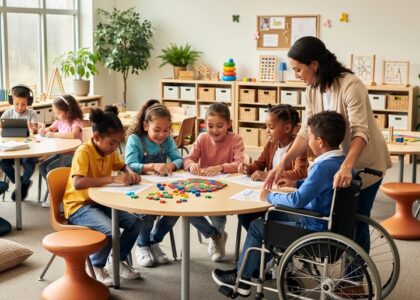
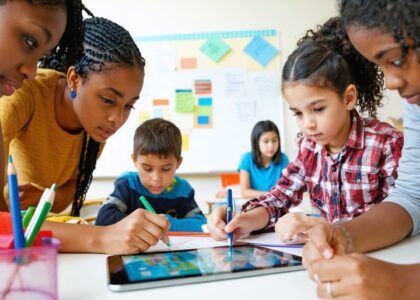
Embrace inclusive education in your special education classroom by seeing each student as a unique individual with strengths, challenges, and potential. Develop Individualized Education Programs (IEPs) collaboratively with parents, therapists, and the student themselves to set personalized learning goals tailored to their needs. Utilize Universal Design for Learning principles when planning lessons and assessments, providing multiple means of engagement, representation, and expression so all learners can access and demonstrate their understanding of the material. Foster a classroom culture of acceptance, respect, and belonging, modeling and expecting positive, supportive interactions between all students and celebrating diversity as an asset.
Principles of Inclusive Education
Equality and Equity
Equality in the classroom means treating all students the same, regardless of their individual needs. While this may seem fair, it can actually create barriers for students with disabilities. Equity, on the other hand, means providing each student with the specific resources and support they need to succeed. In an inclusive classroom, equity is key. This means differentiated instruction, assistive technology, and accommodations tailored to each student’s unique learning profile. By focusing on equity rather than equality, inclusive education ensures that every student has an equal opportunity to reach their full potential. It’s not about giving everyone the same thing; it’s about giving each student what they need to thrive. When educators prioritize equity, they create a learning environment that is truly inclusive and empowering for all.
Valuing Diversity
Inclusive education celebrates the rich diversity within our classrooms, acknowledging that each student brings unique strengths, perspectives, and learning needs. By valuing these differences, we create a more vibrant and equitable learning environment for all. Inclusive educators recognize that diversity is not a barrier but an asset that enriches the educational experience. They actively seek to understand and honor the cultural, linguistic, and ability differences among their students, fostering a culture of respect and belonging. This involves providing opportunities for students to share their experiences, perspectives, and talents, and incorporating diverse voices and representations into the curriculum. According to Embrace Academy, a private school in Las Vegas, “by embracing diversity as a fundamental principle of inclusive education, we send a powerful message to our students that their identities are valued and that their differences contribute to the strength of our learning communities.
Supportive Learning Environments
Creating supportive learning environments is essential for inclusive education. This involves designing welcoming, accessible spaces that accommodate diverse needs. Inclusive classrooms should provide flexible seating, assistive technology, and multisensory learning materials. Educators can foster a positive climate by celebrating differences, promoting collaboration, and addressing barriers to participation. Building strong relationships with students and families is key. By prioritizing social-emotional well-being and cultivating a sense of belonging, teachers create the foundation for academic success. Ultimately, supportive learning environments empower all students to thrive and reach their full potential.

Benefits of Inclusive Education
Academic Gains
Research consistently demonstrates that inclusive educational settings lead to significant academic gains for students with disabilities. A meta-analysis by Hehir et al. (2016) found that students with disabilities educated in general education classrooms outperformed their peers in separate special education settings on measures of reading and math achievement. These findings hold true across disability categories and grade levels.
Inclusive education provides students with disabilities access to the same rigorous curriculum and high expectations as their non-disabled peers. This exposure, coupled with appropriate accommodations and supports, enables students to reach their full academic potential. Furthermore, the collaborative nature of inclusive classrooms encourages teachers to differentiate instruction and adapt their teaching strategies to meet the diverse needs of all learners, ultimately benefiting every student.
Beyond test scores, inclusive education fosters critical thinking, problem-solving, and communication skills that prepare students for success in higher education and the workforce. By learning alongside peers with diverse abilities and perspectives, all students develop empathy, social awareness, and an appreciation for individual differences – invaluable skills for navigating an increasingly diverse world. The academic gains achieved in inclusive settings lay the foundation for lifelong learning and personal growth.
Social-Emotional Development
Inclusive education fosters social-emotional development by providing opportunities for all students to interact, collaborate, and learn from one another. When students with diverse abilities and backgrounds are included in the same classroom, they naturally develop empathy, understanding, and respect for their peers. Through shared experiences and purposeful activities, students learn to appreciate and celebrate differences while building strong friendships based on mutual support and acceptance.
In an inclusive setting, students with special needs have the chance to practice social skills, such as communication, turn-taking, and conflict resolution, in authentic situations with their typically developing peers. These interactions help them develop the confidence and competence needed to navigate social relationships both inside and outside the classroom. Similarly, typically developing students benefit from inclusive education by learning to be more patient, compassionate, and open-minded, qualities that will serve them well throughout their lives.
By creating a culture of belonging and acceptance, inclusive education lays the foundation for lifelong social-emotional skills and positive relationships. It teaches all students the value of diversity, empathy, and the importance of supporting one another, preparing them to become compassionate, inclusive members of society.

Preparing for Adult Life
Inclusive education plays a vital role in preparing students with disabilities for adult life. By participating in regular classrooms and engaging with their peers, these students develop essential social skills, communication abilities, and problem-solving strategies. Exposure to diverse perspectives and experiences fosters adaptability and resilience, qualities that are crucial for success in post-school settings. Moreover, inclusive classrooms provide opportunities for students to explore their interests, discover their strengths, and set ambitious goals for their future. As they navigate challenges alongside their non-disabled peers, students with disabilities gain confidence in their ability to overcome obstacles and advocate for their needs. Ultimately, inclusive education equips students with the tools they need to lead fulfilling, independent lives as active members of their communities.
Strategies for Implementing Inclusive Education
Universal Design for Learning
Universal Design for Learning (UDL) is a framework that guides the development of flexible, accessible curricula to meet the diverse needs of all students. By proactively designing learning environments and materials with variability in mind, educators can minimize barriers and maximize engagement for every learner. The three core principles of UDL are: providing multiple means of representation (the “what” of learning), multiple means of action and expression (the “how” of learning), and multiple means of engagement (the “why” of learning). This approach recognizes that each student has unique strengths, interests, and challenges, and empowers educators to create inclusive classrooms where all students can thrive. By embracing UDL principles, special education teachers can ensure that their instruction is accessible, engaging, and effective for every student in their diverse classrooms.
Differentiated Instruction
Differentiated instruction is a key component of inclusive education, allowing teachers to adapt their teaching methods to meet the diverse learning needs of all students in the classroom. By providing multiple pathways for students to engage with content, process information, and demonstrate their understanding, differentiated instruction ensures that every learner has access to meaningful learning experiences. For example, a teacher may offer visual aids, such as graphic organizers or videos, to support students who struggle with reading comprehension, while providing advanced texts or challenging problem-solving tasks for students who require additional enrichment. Flexible grouping strategies, such as ability-based or interest-based groups, can also help teachers tailor instruction to specific student needs. Technology can be a powerful tool for Differentiated Instruction, enabling teachers to personalize learning through adaptive software, virtual manipulatives, and interactive simulations. By continually assessing student progress and adjusting instruction accordingly, educators can create an inclusive environment where every student feels supported, challenged, and valued for their unique strengths and contributions.

Collaborative Teaching Models
Effective co-teaching strategies for general and special educators involve close collaboration and shared responsibility. One approach is parallel teaching, where teachers divide the class into two groups and deliver the same content simultaneously. Another model is station teaching, in which students rotate between stations managed by each teacher. Alternatively, one teach, one assist allows one educator to lead instruction while the other supports individual students as needed. Team teaching involves both educators sharing the planning and delivery of lessons equally. The most appropriate Collaborative Teaching model depends on the lesson objectives, student needs, and teacher strengths. Regardless of the specific approach, successful co-teaching requires ongoing communication, mutual respect, and a commitment to meeting the diverse learning needs of all students in an inclusive classroom setting. By leveraging their combined expertise, general and special educators can create a powerful synergy that benefits every learner.
Conclusion
Inclusive education in special education has the power to transform lives and build stronger, more equitable communities. By embracing the principles of inclusion, educators create learning environments where all students feel valued, supported, and empowered to reach their full potential. The benefits of inclusive education extend far beyond academics, promoting social-emotional growth, fostering empathy, and preparing students for success in a diverse world.
As we move forward, it is crucial for educators to prioritize inclusion in their classrooms and schools. This involves a commitment to ongoing professional development, collaboration with colleagues and families, and a willingness to adapt and innovate. By implementing research-based strategies and embracing a growth mindset, educators can break down barriers and create truly inclusive learning communities.
The journey towards full inclusion may not always be easy, but it is a path worth taking. Every step we take brings us closer to a future where all students, regardless of their abilities or backgrounds, have equal access to high-quality education and the opportunity to thrive. Let us work together to build a more inclusive future, one classroom at a time. By embracing the transformative power of inclusive education in special education, we can make a lasting difference in the lives of our students and the world they will inherit.