Transform your classroom into a mindfulness sanctuary by integrating simple, yet powerful grounding techniques that resonate with young learners. As research shows mindfulness benefits extend far beyond immediate stress reduction, encompassing improved focus, enhanced emotional regulation, and stronger peer relationships.
Imagine a learning environment where students naturally transition between activities using breath awareness, engage in purposeful movement during lesson breaks, and practice present-moment awareness through age-appropriate exercises. These evidence-based strategies not only support academic success but also cultivate essential life skills that students carry beyond the classroom walls.
By incorporating these accessible mindfulness techniques into daily routines, educators create a foundation for emotional intelligence and self-regulation that serves students throughout their academic journey. This practical approach to mindfulness transforms abstract concepts into tangible tools that both teachers and students can implement immediately, fostering a calm, focused, and emotionally balanced learning space.
Creating a Mindful Classroom Environment
The Calm Corner Setup
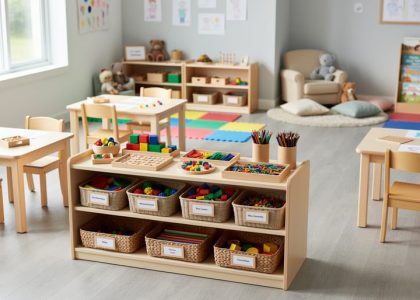
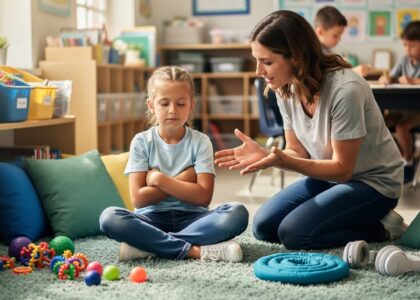
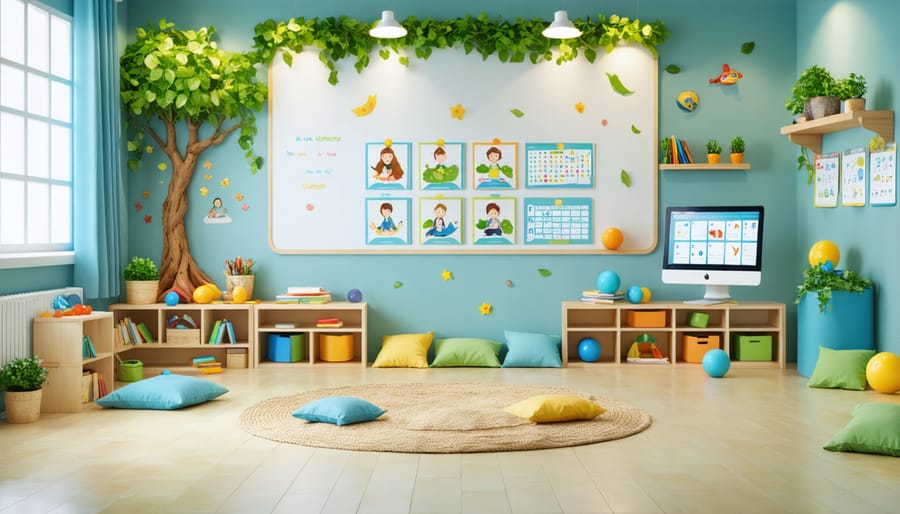
Creating a designated calm corner in your classroom provides students with a safe space for practicing mindfulness and self-regulation. Choose a quiet area away from high-traffic zones and decorate it with soft, calming colors. Include comfortable seating options like cushions, bean bags, or a small carpet.
Stock your calm corner with age-appropriate mindfulness tools such as stress balls, finger labyrinths, breathing cards, and emotion charts. Consider adding a small timer for structured breaks and a feelings journal where students can express themselves. Sensory items like kinetic sand or textured objects can help students ground themselves when feeling overwhelmed.
Establish clear guidelines for using the space, including how many students can use it at once and for how long. Create visual instructions showing proper use of materials and expected behaviors. Regularly rotate materials to maintain student interest and accommodate different sensory preferences.
Remember to introduce the calm corner gradually, demonstrating its purpose and modeling appropriate use. This space should feel inviting and safe, never serving as a punishment zone.

Sensory-Rich Elements
Creating sensory-rich learning environments enhances the effectiveness of grounding techniques by engaging multiple senses simultaneously. Consider incorporating textured objects like stress balls, smooth stones, or fabric swatches that students can hold during mindfulness exercises. Natural sounds, such as gentle rain, ocean waves, or forest ambiance, can be played softly during quiet moments to help students focus and remain present.
Visual aids like nature photographs, calming artwork, or simple mandalas provide focal points for meditation exercises. Create a dedicated calm corner with soft cushions, weighted blankets, and fidget tools that students can access when feeling overwhelmed. Simple aromatherapy using child-safe essential oils in diffusers can add another sensory dimension to your grounding practices.
Remember to rotate and refresh these sensory elements regularly to maintain student interest and accommodate different sensory preferences. This multi-sensory approach helps students develop stronger connections to their grounding practices while making the experience more engaging and memorable.
Age-Appropriate Grounding Activities
The Five Senses Exercise
The Five Senses Exercise is a powerful grounding technique that helps students connect with their immediate environment through systematic observation. This simple yet effective practice can be adapted for any grade level and integrated seamlessly into daily classroom routines.
Begin by having students sit comfortably at their desks or in a circle. Guide them through each sense, allowing 20-30 seconds for each observation:
For sight, ask students to silently identify five things they can see around them. Encourage them to notice details they might usually overlook, like the pattern on a classmate’s sweater or shadows on the wall.
Next, guide them to focus on four distinct sounds. These might include the hum of the air conditioning, distant playground noise, or even their own breathing.
For touch, direct students to notice three different sensations. They can feel their feet on the floor, their clothing against their skin, or the texture of their desk.
Have students identify two distinct smells in their environment. This might be challenging at first, but it helps develop their sensory awareness.
Finally, if appropriate, students can notice one taste in their mouth. This could simply be noticing the lingering taste from lunch or a mint.
This exercise can be particularly helpful during transitions, before tests, or when students need to refocus their attention. Remember to model the practice yourself and maintain a calm, steady pace as you guide students through each step.
Movement-Based Grounding
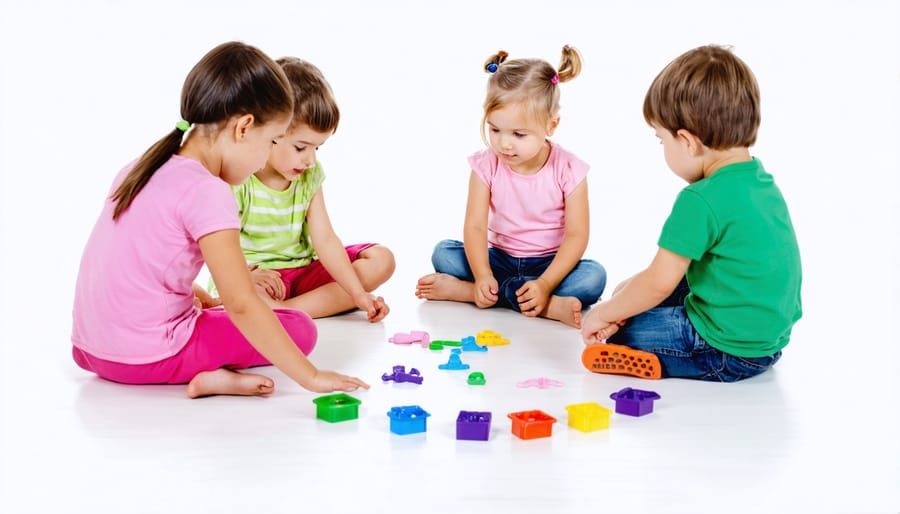
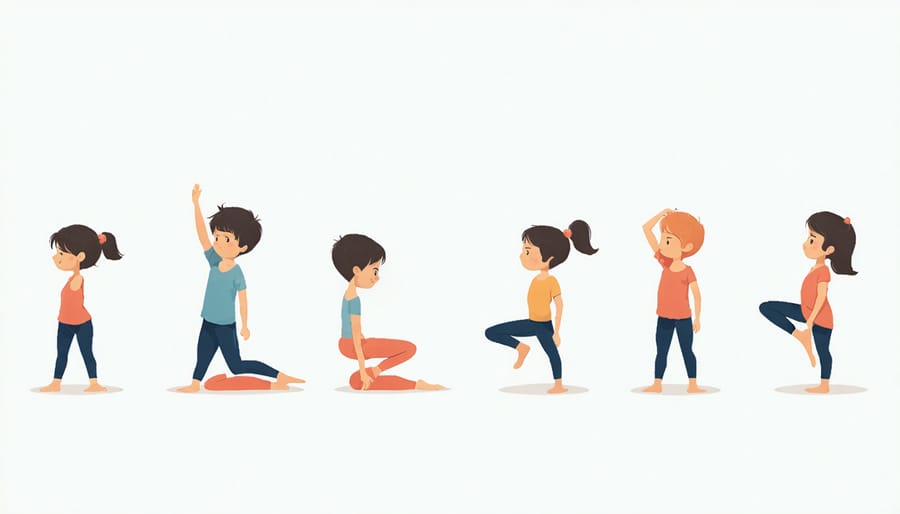
Movement-based grounding activities offer children a dynamic way to connect with their bodies while developing mindfulness skills. These activities are particularly effective for young learners who may find it challenging to remain still during traditional mindfulness exercises.
The “Animal Walks” exercise encourages children to move like different animals, helping them focus on specific body movements and sensations. For example, children can crawl like a bear, hop like a rabbit, or slither like a snake. This playful approach naturally draws their attention to how their bodies feel and move through space.
“Dancing Freeze” combines movement with awareness by having students dance freely to music and freeze when it stops. During the freeze moments, prompt students to notice their breathing, heart rate, and body position. This activity helps develop body awareness while being engaging and fun.
“Follow the Leader” movements can incorporate stretching, reaching, and gentle twisting motions. Guide students to focus on the sensation of each movement, like how their muscles feel when they reach up high or how their feet connect with the floor during different poses.
“Weather Movements” allow children to act out different weather patterns – swaying like trees in the wind, falling like snowflakes, or jumping like rain drops. This activity connects physical movement with imagination while maintaining present-moment awareness.
These movement-based activities can be easily integrated into daily classroom routines, transition times, or physical education periods, making them practical tools for both emotional regulation and physical engagement.
Integrating Mindfulness into Daily Routines
Transition Time Techniques
Transitioning between activities can be challenging for students, but incorporating mindfulness practices can help create smoother, calmer classroom transitions. Start by implementing quick calming techniques like the “freeze and breathe” method, where students pause and take three deep breaths before moving to the next activity.
Create predictable transition routines by using gentle sound cues, such as wind chimes or a singing bowl, rather than harsh bells. This helps students associate peaceful sounds with movement time. Encourage mindful walking between activities, asking students to focus on their steps and maintain awareness of their surroundings.
For younger students, incorporate playful elements like pretending to move through honey or walking like their favorite peaceful animal. Older students can benefit from short breathing exercises or shoulder rolls while transitioning. Remember to model these techniques yourself and praise students when they demonstrate mindful transitions.
Keep transition periods brief but meaningful, allowing just enough time for students to reset their focus for the next task. This balanced approach helps maintain both classroom flow and student well-being.
Pre-Learning Centering
Before diving into any learning activity, taking a few moments to center and ground your students can significantly enhance their focus and readiness to learn. Start with a simple “Peace and Quiet” minute, where students sit comfortably at their desks with both feet on the floor. Guide them through three deep breaths, asking them to notice how their bodies feel.
For younger students, try the “Superhero Pose” – standing tall with feet apart and hands on hips, taking powerful breaths while imagining their minds becoming clear and strong. Another effective technique is the “5-4-3-2-1” sensory exercise, where students identify five things they can see, four they can touch, three they can hear, two they can smell, and one they can taste.
The “Palm Warming” exercise works well for older students – have them rub their palms together for 30 seconds, creating warmth, then place their warm hands over their closed eyes. This gentle pressure helps calm the mind and transition into learning mode.
Remember to model these exercises yourself and keep them brief – aim for 2-3 minutes maximum to maintain engagement while achieving the centering benefits.
Supporting Emotional Regulation
Emotional regulation is a critical skill that students need to develop, and grounding techniques offer powerful tools for managing intense emotions in the classroom. When students feel overwhelmed, these techniques help them reconnect with their present environment and regain a sense of control.
Start by teaching students to recognize their emotional triggers and physical responses to stress. Simple exercises like the “5-4-3-2-1” method encourage students to identify five things they can see, four things they can touch, three things they can hear, two things they can smell, and one thing they can taste. This systematic approach helps redirect attention from overwhelming emotions to immediate sensory experiences.
Incorporate tactile activities that support emotional awareness. Keep a “calm down box” in your classroom filled with items like stress balls, textured cards, or smooth stones. These objects provide tangible anchors when students need to center themselves. For younger children, using stuffed animals to demonstrate deep breathing or having them trace finger labyrinths can make grounding exercises more engaging and accessible.
Create designated quiet spaces where students can practice these techniques independently. Include visual guides showing different grounding exercises and emotion meters to help students track their emotional state. Encourage students to use these spaces proactively, not just during moments of distress.
Remember to model these techniques yourself. When you demonstrate how to use grounding practices to manage your own emotions, students learn that emotional regulation is a normal, healthy part of daily life. Regular practice during calm moments helps students build muscle memory, making these tools more effective when they’re needed most.
As we’ve explored throughout this guide, grounding and mindfulness techniques are powerful tools that can transform your classroom environment and support student well-being. By incorporating these practices consistently, you’re helping students develop essential life skills while creating a more focused and emotionally balanced learning space.
Remember to start small, perhaps with simple breathing exercises or quick sensory activities, and gradually build upon these foundations. The key is consistency rather than perfection. As you’ve learned, these techniques can be easily adapted for different age groups and integrated seamlessly into your daily routines.
Don’t hesitate to share your experiences with fellow educators and continue learning from each other’s successes and challenges. Your commitment to implementing these practices can have a lasting positive impact on your students’ emotional regulation skills and academic success.
Take the first step today by choosing one technique to introduce to your class tomorrow. As you witness the benefits firsthand, you’ll find yourself naturally expanding your repertoire of mindfulness and grounding strategies, creating a more nurturing and focused learning environment for all.