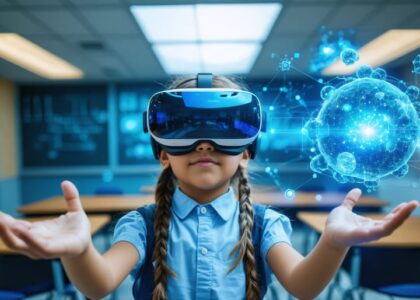
Transform your classroom into a dynamic learning environment with artificial intelligence in education platforms that adapt to each student’s unique learning journey. Today’s AI-powered learning solutions combine real-time analytics, personalized content delivery, and intelligent feedback systems to revolutionize how students engage with educational material.
Picture a classroom where every student progresses at their optimal pace, receives immediate support when struggling, and explores challenging concepts through customized learning pathways. AI learning platforms make this vision a reality, offering educators powerful tools to track progress, identify learning gaps, and deliver targeted interventions precisely when needed.
For teachers overwhelmed by diverse classroom needs, these platforms serve as intelligent teaching assistants, automating routine tasks like grading and progress monitoring while providing actionable insights for differentiated instruction. The technology continuously learns from student interactions, becoming more effective at predicting learning needs and suggesting appropriate resources over time.
As we stand at the intersection of education and innovation, AI-powered learning platforms aren’t just tools—they’re partners in creating more inclusive, effective, and engaging learning experiences for every student in your classroom.
How AI Reshapes Individual Learning Journeys

Real-Time Learning Assessment
AI-powered learning platforms excel at providing continuous, real-time assessment of student progress, moving beyond traditional testing methods to create a more dynamic learning experience. The system monitors each student’s interactions, response patterns, and learning speed, using this data to build comprehensive learning profiles.
As students work through lessons, the AI analyzes their responses and problem-solving approaches, identifying knowledge gaps and areas of strength. This immediate feedback loop allows for instant adjustments to the difficulty level and content presentation. For example, if a student struggles with fraction multiplication, the system might introduce more visual aids or break down concepts into smaller, more manageable steps.
The platform tracks multiple learning indicators simultaneously, including time spent on tasks, error patterns, and learning style preferences. This multi-dimensional assessment approach helps teachers understand not just what students know, but how they learn best. Regular progress reports highlight achievement milestones and areas needing attention, enabling educators to make informed decisions about classroom instruction and individual support.
Teachers can access detailed analytics dashboards that transform complex learning data into actionable insights, making it easier to provide targeted support where it’s needed most.
Dynamic Content Adjustment
One of the most powerful features of AI-powered learning platforms is their ability to dynamically adjust content based on individual student performance. Using sophisticated adaptive learning techniques, these platforms continuously analyze student responses, completion times, and engagement patterns to modify difficulty levels in real-time.
When a student consistently performs well on certain topics, the system automatically introduces more challenging material to maintain engagement and foster growth. Conversely, if a student struggles with particular concepts, the platform provides additional support through simplified explanations, extra practice exercises, or alternative learning approaches.
This dynamic adjustment extends beyond just difficulty levels. The platform can switch between different content formats – such as videos, interactive simulations, or text-based materials – based on what works best for each student. Teachers receive regular insights about these adjustments through easy-to-understand dashboards, allowing them to monitor progress and intervene when necessary.
The system also recognizes learning patterns across different subjects, ensuring that students receive a cohesive learning experience that builds upon their existing knowledge and strengthens cross-disciplinary connections.
Empowering Teachers with AI Insights
Student Progress Analytics
Student progress analytics transforms the way educators understand and support learning outcomes through powerful educational data analytics tools. These features provide real-time insights into student performance, engagement levels, and learning patterns, helping teachers make informed decisions about instruction and intervention.
The platform continuously tracks key metrics such as completion rates, time spent on tasks, accuracy levels, and concept mastery. Through intuitive dashboards, teachers can quickly identify areas where students excel or struggle, enabling timely support and celebration of achievements. Visual representations of data, including progress charts and heat maps, make it easy to spot trends and patterns in student learning.
Customizable reporting features allow educators to generate individual student profiles, class-wide performance summaries, and progress reports that can be shared with parents and administrators. The system also identifies learning gaps and automatically suggests personalized intervention strategies based on each student’s unique learning journey.
What sets this analytics system apart is its ability to predict potential challenges before they become significant obstacles. By analyzing patterns in student behavior and performance, the platform can alert teachers to students who may need additional support, ensuring no learner falls behind. This proactive approach helps create a more supportive and inclusive learning environment where every student has the opportunity to succeed.

Intervention Recommendations
AI-powered learning platforms excel at identifying when students need additional support and recommending targeted interventions. Using sophisticated analysis of student performance data, these systems can detect learning gaps and struggling patterns before they become significant obstacles.
When a student shows difficulty with specific concepts or skills, the AI system generates personalized intervention recommendations based on their unique learning profile. These suggestions might include alternative explanation methods, supplementary practice exercises, or interactive activities that address the specific challenge areas.
Teachers receive detailed insights about each student’s progress, along with suggested intervention strategies that match their teaching style and classroom resources. For example, if a student struggles with fraction multiplication, the system might recommend visual learning tools, hands-on manipulatives, or game-based activities that reinforce the concept.
The platform continuously monitors the effectiveness of interventions, adjusting recommendations based on student response and progress. This dynamic approach ensures that support strategies evolve with student needs, creating a more responsive and effective learning environment.
Importantly, these recommendations aren’t meant to replace teacher judgment but to enhance it. Educators can customize and adapt the suggested interventions based on their professional experience and knowledge of individual students. This collaborative approach between AI technology and human expertise creates a powerful support system for struggling learners, ensuring timely and effective intervention when it matters most.
Building Inclusive Learning Environments

Accessibility Features
Modern AI-powered learning platforms prioritize accessibility through a comprehensive suite of features designed to support diverse learning needs. These platforms incorporate inclusive learning strategies that accommodate various learning styles and abilities. Text-to-speech functionality helps students with reading difficulties, while customizable font sizes and color contrast options support learners with visual impairments.
Voice recognition capabilities enable hands-free navigation and content creation, making the platform accessible to students with mobility challenges. Multiple content formats, including audio, visual, and interactive elements, ensure that every student can engage with materials in their preferred learning style. Language support features, including real-time translation and simplified text options, help English language learners and students who benefit from clearer communication.
The platforms also offer customizable pacing options, allowing students to progress through material at their own speed. Built-in assistive technologies, such as screen readers and keyboard navigation shortcuts, ensure that all learners can navigate the platform independently. These accessibility features work together seamlessly, creating an inclusive learning environment where every student has the opportunity to succeed.
Cultural Responsiveness
AI-powered learning platforms are making significant strides in delivering culturally responsive education through sophisticated content adaptation mechanisms. These platforms analyze student demographics, cultural backgrounds, and regional contexts to present learning materials that resonate with diverse student populations.
The technology customizes content by incorporating relevant examples, cultural references, and diverse perspectives that reflect students’ lived experiences. For instance, math word problems might feature familiar scenarios from different cultural contexts, while literature selections include authors and stories from various cultural traditions.
Language adaptation is another crucial feature, with platforms offering content in multiple languages and considering dialectal variations. This helps ensure that English language learners and students from different linguistic backgrounds can access materials in ways that feel natural and engaging.
Moreover, these platforms continuously learn from student interactions and feedback to refine their cultural sensitivity. They can flag potentially biased content and suggest more inclusive alternatives, helping educators create learning environments where every student feels represented and valued.
The AI systems also support teachers in developing cultural competency by providing suggestions for culturally appropriate teaching strategies and resources.
Implementation Success Stories
The transformation of learning through AI-powered platforms is best illustrated through real-world success stories from schools across the country. At Lincoln Elementary in Minneapolis, teachers reported a 27% improvement in math scores after implementing an AI learning platform that provided personalized practice sessions for students. The system’s ability to adapt to each student’s pace proved particularly beneficial for both struggling learners and advanced students.
Riverside Middle School in Texas experienced similar success with their reading comprehension program. Teachers noted that the AI platform’s ability to analyze student responses and provide immediate feedback helped identify reading difficulties early. Within one semester, 85% of students showed improved reading fluency, with English language learners making particularly significant gains.
The Mountain View High School case study demonstrates how AI platforms can support teachers in large classrooms. By automating routine tasks like grading and progress tracking, teachers reported gaining an average of six hours per week for one-on-one student interaction. The platform’s analytics helped identify learning gaps quickly, allowing for more targeted intervention strategies.
At Carter Academy, a diverse K-8 school in Georgia, the implementation of an AI learning platform led to increased student engagement across all grade levels. Teachers reported that the platform’s gamification elements and personalized learning paths kept students motivated, resulting in a 32% decrease in absenteeism and a 45% increase in homework completion rates.
Perhaps most encouraging is the experience of Oakridge School District, where special education teachers utilized AI platforms to create customized learning experiences for students with diverse needs. The platform’s ability to adjust content delivery methods and pace helped students with different learning styles achieve their educational goals more effectively.
These success stories share common elements: careful implementation planning, ongoing teacher training, and strong administrative support. Schools that achieved the best results typically started with pilot programs in specific subjects before expanding platform use across the curriculum. They also emphasized the importance of maintaining a balance between AI-assisted learning and traditional teaching methods, using technology as a tool to enhance rather than replace human interaction in the classroom.
AI-powered learning platforms represent a transformative force in education, offering unprecedented opportunities to personalize and enhance the learning experience for every student. Through adaptive learning algorithms, real-time feedback systems, and intelligent content delivery, these platforms have demonstrated their ability to support teachers in creating more engaging and effective learning environments.
The benefits we’ve explored throughout this article – from personalized learning paths and immediate assessment feedback to reduced administrative burden and enhanced student engagement – showcase why AI-powered platforms are becoming essential tools in modern education. Teachers who have embraced these technologies report more time for meaningful student interactions and improved learning outcomes across diverse student populations.
Looking ahead, the potential for AI in education continues to expand. We can anticipate even more sophisticated personalization features, improved natural language processing for better student-platform interactions, and enhanced data analytics to support evidence-based teaching decisions. As these platforms evolve, they will likely become more intuitive and accessible, making it easier for educators at all technical skill levels to implement them effectively.
For educators considering the adoption of AI-powered learning platforms, the journey begins with small steps. Start by exploring available options, connecting with colleagues who have implementation experience, and gradually introducing these tools into your teaching practice. Remember that technology should enhance, not replace, the invaluable human elements of teaching. With thoughtful implementation and ongoing professional development, AI-powered learning platforms can help create more inclusive, effective, and engaging learning environments for all students.