
Develop tomorrow’s educational leaders today by creating a systematic pipeline of skilled administrators and instructional coaches within your school district. Succession planning isn’t just about filling positions—it’s about nurturing a culture of continuous leadership development that ensures sustainable excellence in education. Building on the proven practices of high-performing school districts, effective succession planning combines strategic talent identification, intentional mentorship programs, and structured professional development pathways that align with your district’s unique needs and goals.
The urgency for robust succession planning in education has never been greater. With nearly 40% of school principals expected to retire within the next decade, districts that invest in identifying and developing internal talent gain a significant advantage in maintaining institutional knowledge while driving continuous improvement. By implementing a systematic approach to leadership development, schools create a self-sustaining ecosystem of educational excellence that benefits students, teachers, and communities for generations to come.
Through thoughtful succession planning, districts transform potential challenges into opportunities for growth, ensuring seamless transitions during leadership changes while maintaining the momentum of student achievement and school improvement initiatives. This proactive approach to leadership development doesn’t just prepare individuals for future roles—it strengthens the entire educational community by creating multiple pathways for professional growth and institutional advancement.
Why Schools Need Strategic Leadership Succession

The Cost of Poor Succession Planning
When schools fail to implement effective succession planning, the consequences can ripple throughout the entire educational community. Research shows that unplanned leadership transitions often lead to decreased student achievement, lower staff morale, and disrupted school improvement initiatives. Schools typically experience a 6-12 month period of uncertainty and reduced effectiveness when leadership changes occur without proper preparation.
The financial impact is equally concerning. Emergency leadership searches can cost districts up to three times more than planned transitions. Additionally, the learning curve for unprepared new leaders often results in costly mistakes and inefficient resource allocation during their first year.
Perhaps most significantly, the absence of succession planning can lead to a talent drain, as promising educators may leave for institutions that offer clearer pathways to leadership. This creates a cycle where schools struggle to maintain consistent leadership quality and organizational stability.
The human cost is also substantial, with teachers reporting increased stress and decreased job satisfaction during poorly managed transitions. Students, particularly those in vulnerable populations, can experience academic setbacks when school leadership suddenly changes without a proper handover period.
Benefits of Proactive Leadership Development
Investing in proactive leadership development yields significant benefits for educational institutions. Through effective leadership culture transformation, schools create a robust pipeline of capable leaders ready to step into key roles when needed. This preparedness ensures smooth transitions during leadership changes, maintaining educational continuity and institutional stability.
When schools prioritize succession planning, they experience increased staff engagement and retention. Educators who see clear pathways for advancement are more likely to remain committed to their institutions and invest in their professional growth. This investment creates a positive ripple effect throughout the school community, fostering an environment of continuous learning and improvement.
Additionally, proactive leadership development strengthens institutional knowledge retention. As experienced leaders mentor their potential successors, valuable insights and best practices are preserved and enhanced. This knowledge transfer helps maintain consistent educational quality while allowing for innovative approaches to emerge naturally.
The process also builds confidence among stakeholders, including parents, board members, and the broader community, who recognize that the school’s future leadership is secure and well-prepared.
Building Your School’s Leadership Pipeline
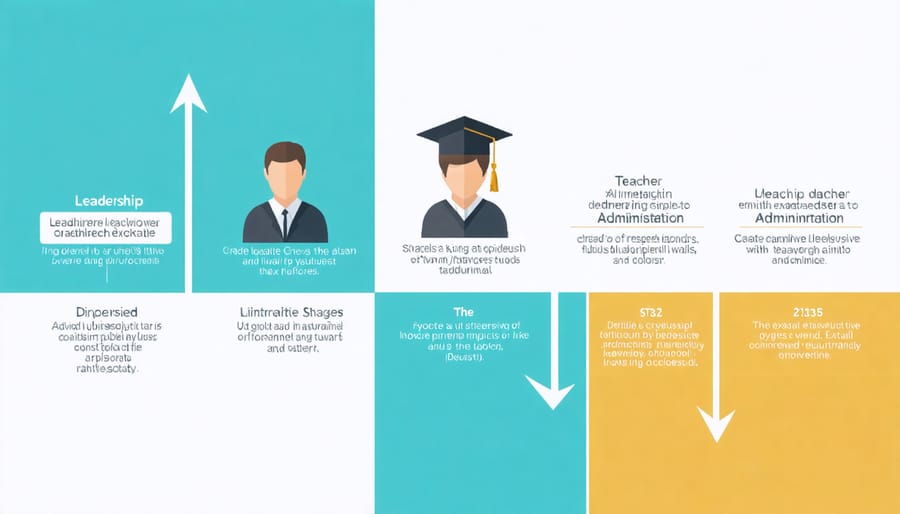
Identifying Future Leaders
Identifying future leaders in your educational institution requires a thoughtful and systematic approach that goes beyond traditional performance evaluations. Start by observing how teachers and staff members naturally take initiative in collaborative projects and mentoring relationships. Look for educators who consistently demonstrate strong interpersonal skills, emotional intelligence, and the ability to build positive relationships with students, colleagues, and parents.
Create opportunities for potential leaders to showcase their capabilities through committee leadership, professional development facilitation, or special project coordination. Pay attention to those who actively seek growth opportunities and demonstrate a genuine commitment to the school’s mission and values.
Consider implementing a leadership potential assessment framework that evaluates key competencies such as:
– Problem-solving abilities in challenging situations
– Communication skills across different stakeholder groups
– Adaptability to change and new initiatives
– Cultural competence and commitment to equity
– Data-driven decision-making capabilities
Encourage self-identification by creating pathways for staff to express their leadership aspirations. This might include regular career development conversations, leadership interest surveys, or voluntary participation in school improvement initiatives.
Remember that leadership potential can manifest differently across diverse personalities and working styles. Some future leaders may be quiet innovators who lead by example, while others might be more visible champions of change. The key is to maintain an inclusive perspective that recognizes various leadership styles and approaches.
Development Programs That Work
Successful leadership development programs in educational settings combine structured learning with practical experience. Start by implementing mentorship partnerships between experienced administrators and emerging leaders, allowing for knowledge transfer and hands-on learning opportunities. These relationships should focus on developing both technical competencies and equity leadership strategies essential for modern school administration.
Create leadership cohorts where potential leaders can collaborate, share experiences, and learn from each other. These groups should meet regularly to discuss challenges, brainstorm solutions, and work on real-world projects that benefit their schools. Include rotational assignments that give aspiring leaders exposure to different aspects of school administration, from curriculum development to budget management.
Professional development workshops should focus on key areas such as decision-making, communication, conflict resolution, and data-driven leadership. These sessions are most effective when they incorporate real-world scenarios and interactive problem-solving exercises. Consider implementing a leadership portfolio system where candidates document their growth, reflect on experiences, and showcase their achievements.
Digital learning platforms can supplement traditional development methods, offering flexible access to leadership resources and training materials. Regular feedback sessions and progress evaluations help ensure participants stay on track and receive the support they need to succeed in future leadership roles.
Mentorship and Coaching Framework
A robust mentorship and coaching framework serves as the cornerstone of effective succession planning in educational settings. By pairing experienced leaders with emerging talent, schools create powerful learning partnerships that foster growth and ensure institutional knowledge transfer. This framework should align with established community engagement principles while addressing the unique needs of educational leadership.
Start by identifying potential mentors within your current leadership team who demonstrate strong communication skills and a genuine desire to support others’ growth. These mentors should receive specific training on coaching techniques, active listening, and providing constructive feedback. Create structured meeting schedules that allow for regular check-ins while remaining flexible enough to accommodate both parties’ responsibilities.
Establish clear goals and expectations for the mentoring relationship, focusing on both technical leadership skills and emotional intelligence development. Document progress through shared reflection journals and growth portfolios, which can help track development and identify areas needing additional support.
Consider implementing a reciprocal mentoring component, where emerging leaders can share fresh perspectives and technological insights with their mentors, creating a two-way learning environment. This approach helps build confidence in future leaders while keeping current administrators connected to evolving educational practices and student needs.
Remember to regularly evaluate the effectiveness of these partnerships and adjust the framework based on participant feedback and observed outcomes. This ensures the program remains dynamic and responsive to your school community’s changing needs.

Implementation Strategies for Success
Creating Your Timeline
Creating an effective succession timeline requires careful planning and clear communication across your educational institution. Start by assessing your current leadership landscape and identifying potential transition points over the next 3-5 years. Consider upcoming retirements, anticipated departures, and emerging leadership needs within your school or district.
Begin with a thorough assessment phase (2-3 months) where you evaluate your existing talent pool and document critical leadership positions. During this time, gather input from stakeholders, including teachers, administrators, and board members, to ensure diverse perspectives are represented in your planning.
Next, dedicate 4-6 months to developing your leadership criteria and identifying potential candidates. Create detailed profiles for each key position, outlining required skills, experience, and qualifications. Remember to align these profiles with your institution’s long-term goals and vision for student success.
Implementation should follow a structured timeline:
– Months 1-3: Identify and notify potential candidates
– Months 4-6: Begin targeted professional development programs
– Months 7-12: Provide mentoring and shadowing opportunities
– Months 13-18: Evaluate progress and adjust development plans
Include regular checkpoints every three months to assess progress and make necessary adjustments. Create opportunities for feedback from both mentors and mentees, and document successes and challenges along the way.
Remember that flexibility is key – your timeline should be a living document that adapts to changing circumstances while maintaining clear progression markers. Set realistic deadlines that account for the school calendar and existing responsibilities of potential leaders.
Measuring Progress
Measuring the effectiveness of your succession planning efforts requires a systematic approach to tracking and evaluating key indicators. Start by establishing clear benchmarks that align with your school’s leadership development goals. Focus on both quantitative and qualitative metrics to create a comprehensive evaluation framework.
Essential metrics to monitor include the number of identified potential leaders, completion rates of leadership development programs, and the percentage of leadership positions filled internally. Track participant progress through regular assessments, feedback sessions, and performance evaluations. Implementation of data-driven decision making strategies will help you refine your succession planning approach.
Consider these evaluation methods:
– Leadership competency assessments before and after development programs
– Mentorship program effectiveness surveys
– Career progression tracking of program participants
– Retention rates of emerging leaders
– Success rates of internal promotions
– Staff engagement and satisfaction surveys
– Quality of leadership transition periods
Create a dashboard to visualize these metrics and share progress with stakeholders. Regular reviews (quarterly and annual) help identify areas for improvement and celebrate successes. Encourage feedback from all participants, including mentors, mentees, and program facilitators.
Remember that measuring progress isn’t just about numbers – collect stories and examples of successful leadership transitions and growth. These narratives provide valuable context and inspiration for future participants while demonstrating the real-world impact of your succession planning efforts.
Overcoming Common Challenges
Implementing succession planning in educational settings can present various challenges, but with the right strategies, these obstacles can be effectively managed. One common challenge is resistance to change from staff members who may feel threatened by succession planning initiatives. Address this by fostering open communication and emphasizing how the program benefits everyone through professional growth opportunities.
Time constraints often pose another significant hurdle. Combat this by integrating leadership development activities into existing professional development sessions and regular staff meetings. Consider implementing mentorship programs during lunch breaks or creating collaborative planning periods where future leaders can work alongside current administrators.
Limited resources and budget restrictions may also impact succession planning efforts. Creative solutions include partnering with neighboring schools for shared training sessions, utilizing online learning platforms, and developing in-house expertise through train-the-trainer models. Remember that many leadership development activities can be cost-effective, such as job shadowing and rotating leadership responsibilities.
Some schools struggle with identifying potential leaders or worry about showing favoritism. Create transparent selection criteria and encourage self-nomination processes. Implement leadership assessment tools that help identify candidates based on skills and potential rather than just seniority or personal relationships.
Finally, maintain program momentum by celebrating small wins, documenting progress, and regularly adjusting your approach based on feedback. Remember that successful succession planning is an ongoing journey rather than a destination.
Succession planning and leadership development are vital investments in your school’s future success. By implementing the strategies and best practices discussed throughout this guide, you can create a robust pipeline of capable leaders ready to guide your educational institution forward.
Remember to start by assessing your current leadership landscape and identifying potential future leaders within your staff. Create personalized development plans that align with both individual aspirations and institutional needs. Engage your team through mentoring programs, job shadowing opportunities, and hands-on leadership experiences.
Take advantage of available resources, including professional development workshops, online training modules, and collaborative learning communities. Consider establishing a leadership academy within your district to nurture emerging talent systematically.
Monitor progress regularly and adjust your succession planning strategy as needed. Remember that successful leadership development is an ongoing process that requires commitment, patience, and flexibility.
Next steps for implementation include:
– Conducting a leadership skills assessment
– Identifying key positions requiring succession plans
– Creating individual development plans
– Establishing mentorship programs
– Setting up regular progress review meetings
– Building evaluation metrics
Start small if needed, but start today. Your investment in leadership development will create a stronger, more resilient educational community that can effectively serve students for generations to come.
Remember, the future of education depends on developing confident, capable leaders who can guide our schools through challenges and opportunities ahead. Your commitment to succession planning today ensures educational excellence tomorrow.