Understanding how sensory systems shape development revolutionizes our approach to supporting students with developmental sensory disorders. In today’s diverse classrooms, educators encounter an increasing number of students struggling with sensory processing challenges, affecting their learning, behavior, and social interactions. These challenges manifest differently in each child – from oversensitivity to touch and sound to difficulty maintaining focus in stimulating environments.
Recent research reveals that 1 in 6 children experiences sensory processing difficulties, significantly impacting their educational experience. Yet, with proper understanding and targeted interventions, educators can transform their classrooms into inclusive spaces where all students thrive. By recognizing early signs and implementing evidence-based strategies, teachers become powerful advocates for students with sensory needs, ensuring their academic success and emotional well-being.
This comprehensive guide equips educators with practical tools, adaptive techniques, and classroom modifications that support sensory-sensitive learners while benefiting the entire class. Whether you’re a veteran teacher or new to working with sensory challenges, these strategies will enhance your ability to create an environment where every student can reach their full potential.
Understanding Developmental Sensory Processing Challenges
Common Signs and Behaviors
In the classroom setting, students with developmental sensory processing challenges may display various observable behaviors. Common indicators include difficulty sitting still during lessons, frequent fidgeting, or unusual responses to everyday sounds like the school bell or classroom chatter. You might notice students covering their ears, seeking deep pressure by leaning against walls, or avoiding certain textures during art activities.
Some students may demonstrate unexpected reactions to light, becoming distressed in brightly lit areas or struggling to focus when lighting changes. Others might show sensitivity to clothing, constantly adjusting their uniforms or complaining about tags and seams. Watch for students who seem overwhelmed during transition periods or in busy environments like cafeterias and assemblies.
Movement-related signs include bumping into furniture, difficulty with fine motor tasks like writing, or seeking excessive movement through spinning or rocking. Some students might appear clumsy or have trouble maintaining personal space boundaries with peers.
In terms of attention and behavior, you may observe difficulties with following multi-step instructions, unusual activity levels (either very high or very low), or challenges with emotional regulation when sensory input becomes overwhelming. Some students might seek out specific sensory experiences, such as touching everything in sight or chewing on objects.
Remember that these signs vary greatly among students, and the presence of some behaviors doesn’t automatically indicate a sensory processing disorder. However, recognizing these patterns can help you better support your students’ learning needs.

Impact on Learning and Social Interaction
Students with developmental sensory disorders often face unique challenges in the classroom that can significantly impact their learning experience and social interactions. Understanding how sensory play impacts brain development helps educators create more inclusive learning environments.
These students may struggle with maintaining focus during lessons due to sensory overload from common classroom stimuli like fluorescent lights, chair scraping, or paper rustling. This can lead to reduced participation in group activities and difficulty following multi-step instructions. For example, a student might become overwhelmed during art class when handling different textures or during physical education when experiencing multiple types of movement.
Social interactions can be particularly challenging, as these students may find it difficult to engage in typical playground activities or participate in group work. They might appear withdrawn during lunch periods due to cafeteria noise or avoid physical contact during games and sports activities. However, with appropriate support and understanding, these students can develop effective coping strategies and fully participate in school life.
The impact varies for each student, and it’s essential to recognize that sensory challenges don’t reflect cognitive ability. Many students with sensory processing differences are highly capable learners who simply need environmental adjustments to reach their full potential. By implementing thoughtful accommodations and maintaining open communication with families, educators can help these students thrive academically and socially.
Creating Sensory-Smart Classrooms
Environmental Modifications
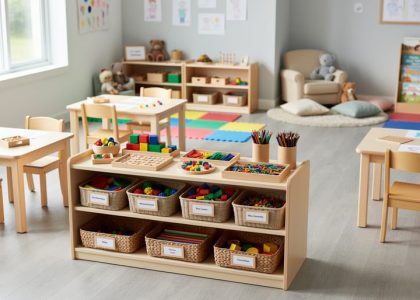
Creating an inclusive learning environment for students with developmental sensory disorder requires thoughtful modifications to the physical classroom space. Start by establishing designated quiet zones with reduced visual and auditory stimulation, where students can retreat when feeling overwhelmed. Consider installing adjustable lighting options, including natural light filters and dimmer switches, to accommodate varying light sensitivities.
Flexible seating arrangements are essential, offering alternatives like therapy balls, standing desks, or cushioned seats. Use noise-reducing materials such as carpet tiles, wall padding, or acoustic panels to minimize disruptive sounds. Visual distractions can be reduced by organizing materials in covered storage units and maintaining clutter-free walls with neutral colors.
Include sensory-friendly tools like fidget items, weighted lap pads, or noise-canceling headphones that students can access as needed. Create clear pathways through the classroom to prevent spatial overwhelm, and designate specific areas for different activities. These modifications should be implemented gradually, with ongoing observation and adjustment based on student responses and needs.
Sensory Break Stations
Creating designated sensory break stations in your classroom provides essential support for students with developmental sensory challenges. These areas should be easily accessible yet somewhat separated from the main learning space to minimize distractions. Start by selecting a quiet corner or utilizing room dividers to create a defined space where students can take calming sensory breaks when needed.
Stock your sensory station with a variety of tools that address different sensory needs: weighted lap pads, noise-canceling headphones, fidget toys, and textured materials. Consider including both calming items (like stress balls or liquid motion toys) and stimulating ones (such as resistance bands or textured cushions) to accommodate various sensory preferences.
Establish clear guidelines for using the space, including how students can request access and how long they may stay. Create visual schedules or choice boards to help students independently select appropriate sensory tools. Remember to regularly clean and maintain the materials, and rotate items periodically to maintain student interest and effectiveness.
Monitor how students use the space and adjust the setup based on their responses and needs. This flexibility ensures the station remains a valuable resource for self-regulation and learning support.

Effective Sensory Play Activities
Individual Activities
Individual sensory activities can be tailored to meet specific processing needs, offering students opportunities for self-regulation throughout the school day. For tactile-seeking students, provide stress balls, therapy putty, or textured fidget toys that can be manipulated quietly during seated work. Students with proprioceptive needs may benefit from resistance bands attached to chair legs, allowing them to push or pull while remaining at their desk.
For visual processing support, offer light-filtering overlays for reading, simplified workspace organization tools, or personal visual schedules. Students with auditory sensitivities can use noise-canceling headphones during independent work time or calming music through personal listening devices when appropriate.
Movement-based activities like desktop spinning tops, balance cushions, or stretching exercises can help students who need vestibular input. For oral-motor seeking students, provide appropriate chewing tools like specialized pencil toppers or water bottles with built-in straws.
Create a designated quiet corner with weighted blankets, vibrating pillows, or gentle lighting where students can engage in calming activities when feeling overwhelmed. Remember that effectiveness varies among individuals, so observe and document which activities work best for each student. Encourage students to recognize their sensory needs and independently choose appropriate activities, promoting self-advocacy and regulation skills.
Group Sensory Experiences
Group sensory activities provide valuable opportunities for students to develop their sensory processing skills while fostering social interaction and peer support. Creating inclusive group experiences helps normalize sensory differences and builds a supportive classroom community.
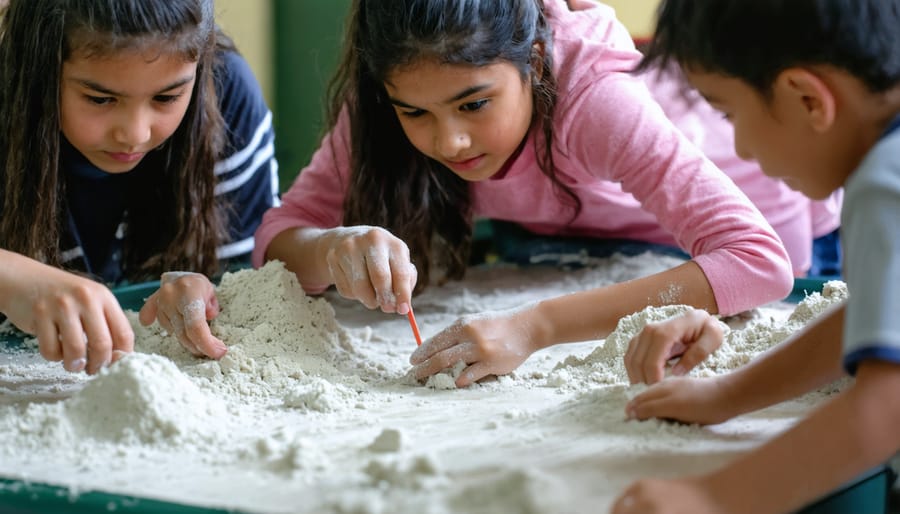
Consider implementing “sensory stations” where small groups rotate through different tactile experiences like playdough modeling, water play, or texture sorting. These stations allow students to explore sensory inputs at their own comfort level while practicing social skills with peers.
Movement-based activities like group obstacle courses, dance circles, or partner balance games can help students develop proprioceptive awareness and vestibular processing. Ensure these activities offer modifications so all students can participate successfully.
Sound exploration groups using musical instruments, rhythm games, or listening walks can help students process auditory input in a structured, supportive environment. Start with quieter activities and gradually introduce more complex sound combinations as students build tolerance.
Consider creating a “sensory buddies” system where students partner up during these activities. This approach promotes peer support while helping students learn to communicate their sensory needs and preferences.
Always monitor group dynamics carefully and be prepared to adjust activity intensity or duration based on students’ responses. Celebrate diverse sensory experiences and help students understand that everyone processes sensory information differently.
Remember to debrief after group activities, allowing students to share their experiences and strategies for managing challenging sensory situations. This reflection helps build self-awareness and mutual understanding among classmates.
Understanding and supporting students with developmental sensory disorder is a journey that requires patience, flexibility, and ongoing commitment. By implementing the strategies discussed throughout this article, you can create a more inclusive and supportive learning environment that benefits all students, not just those with sensory challenges.
Remember that each student’s sensory needs are unique, and what works for one may not work for another. Stay observant of your students’ responses to different interventions and be willing to adjust your approach accordingly. The key is to maintain open communication with students, parents, and support staff while documenting what strategies prove most effective.
Consider joining educational communities and forums where you can share experiences and learn from fellow educators who are also supporting students with sensory challenges. Your commitment to understanding and addressing sensory needs can significantly impact your students’ academic success and overall well-being.
As you move forward, focus on implementing one or two strategies at a time, gradually building your toolkit of sensory-supportive practices. Remember that small changes can make a big difference in creating an environment where all students can thrive and reach their full potential.