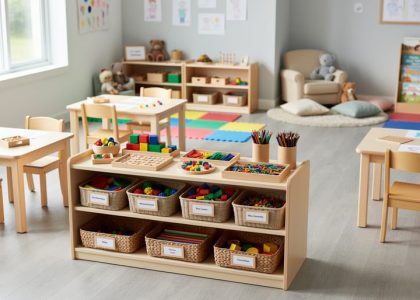
Transform your classroom into a calming space in just 60 seconds with simple mindfulness activities for kindergarteners that fit seamlessly into your daily routine. Modern students face unprecedented levels of stress and distraction, but research shows that even micro-moments of mindfulness can significantly improve focus, emotional regulation, and academic performance.
These one-minute exercises serve as powerful reset buttons throughout the school day, requiring no special equipment or extensive training. Whether it’s a quick breathing exercise between lessons, a mindful moment before tests, or a calming transition after recess, these practical tools help students develop essential self-regulation skills while maintaining precious instructional time.
As educators, we understand the challenge of balancing curriculum demands with students’ emotional needs. These brief mindfulness practices offer an evidence-based solution that supports both academic success and social-emotional development, making them invaluable additions to any teacher’s classroom management toolkit.
Why One-Minute Mindfulness Works for Young Students
The Science of Young Minds and Mindfulness
Research shows that mindfulness practices have a remarkable impact on young, developing brains. When students engage in mindfulness exercises, even for just one minute, their brains experience positive changes in areas responsible for attention, emotional regulation, and learning.
The prefrontal cortex, which manages focus and decision-making, becomes more active during mindful moments. Similarly, the amygdala, responsible for stress responses, shows decreased activity when children practice mindfulness regularly. This helps students maintain calmer, more balanced emotional states throughout the school day.
For younger students, these brief mindfulness moments can strengthen neural pathways that support self-awareness and empathy. The practice also enhances working memory and cognitive flexibility, making it easier for students to switch between tasks and retain new information.
Most importantly, these benefits can be achieved through consistent, short practices, making one-minute exercises particularly valuable in the classroom setting.

Benefits of Quick Mindfulness Breaks
Quick mindfulness breaks offer numerous benefits for both students and teachers in the classroom environment. These short pauses can significantly improve focus and attention, helping students transition between activities more smoothly. Research shows that even one-minute mindfulness exercises can reduce stress levels and anxiety, creating a calmer learning atmosphere.
Students who participate in regular mindfulness breaks often demonstrate better emotional regulation and show increased resilience when facing academic challenges. These brief moments of mindful awareness can also enhance memory retention and cognitive performance, particularly during test preparation or complex learning tasks.
For teachers, implementing quick mindfulness exercises helps establish positive classroom management routines while building stronger connections with students. These breaks serve as natural reset buttons throughout the day, especially during times when energy levels may be dropping or behavioral issues are emerging.
Additionally, these short practices help develop students’ self-awareness and social skills, contributing to a more supportive and inclusive classroom community. As students become familiar with these techniques, they often begin using them independently to manage their own stress and focus.
Classroom-Ready One-Minute Mindfulness Exercises
Breathing Butterfly Exercise
The Breathing Butterfly exercise transforms a simple breathing technique into an engaging visual activity that students naturally connect with. Have students sit comfortably and bring their hands together in front of their chest, palms touching. Their thumbs should be interlocked, and fingers spread like butterfly wings.
As students inhale slowly through their nose, they open their “wings” by spreading their hands apart while keeping their thumbs connected. When exhaling through their mouth, they bring their hands back together, closing the wings. Guide them to imagine their butterfly wings moving slowly and gracefully with each breath.
Encourage students to focus on the sensation of their hands moving and their breath flowing. They can practice this for 3-5 breath cycles, depending on time available. This exercise works particularly well during transitions or when students need to calm down after high-energy activities.
To make it more engaging for younger students, you can invite them to imagine their butterfly’s color or suggest that their butterfly is visiting peaceful gardens with each breath.

Quick Body Scan
Begin by having students sit comfortably in their chairs with both feet flat on the floor. Guide them through a brief awareness exercise, starting from their toes and moving upward. Ask them to notice any sensations in their feet, then shift attention to their legs, stomach, chest, arms, and finally their head.
Encourage students to observe without judgment – there’s no “right” way to feel. They might notice temperature, pressure, tingling, or simply the contact between their body and the chair. Use gentle prompts like “Notice how your feet feel against the floor” or “Be aware of your breathing in your chest.”
This exercise helps students develop body awareness and can be particularly useful before tests or challenging activities. It grounds them in the present moment and releases physical tension they may not realize they’re holding. For younger students, you can make it playful by asking them to imagine a friendly butterfly landing on different parts of their body.
Teachers can adapt the language and pace based on their students’ age and attention spans. This quick scan can serve as a reset button during transitions or when energy levels need adjusting.
Mindful Listening Game
The Mindful Listening Game transforms any classroom into a space of focused awareness in just one minute. Begin by asking students to sit comfortably at their desks and close their eyes. Tell them they’re going to become “sound detectives” for the next 60 seconds.
Instruct students to raise one finger silently each time they hear a new sound. These might include distant traffic, birds chirping outside, the hum of classroom equipment, footsteps in the hallway, or even their own breathing. The goal isn’t to identify the most sounds, but rather to notice sounds they typically ignore during their busy school day.
After the minute ends, invite students to share what they heard, creating a collaborative sound map of their environment. This exercise helps develop selective attention, increases environmental awareness, and provides a calm transition between activities. For younger students, you can make it more engaging by asking them to draw their favorite sound afterward.
Teachers often report that this simple activity helps reset the classroom energy and improves focus for subsequent lessons. It’s particularly effective after lunch or during transitions between subjects.

Calm Down Corner Activity
When students feel overwhelmed or emotionally charged, the Calm Down Corner offers a quick and effective reset. Designate a quiet area in your classroom with comfortable seating and calming visual aids. Guide students through this simple one-minute exercise:
First, have the student sit comfortably and take three deep breaths. Encourage them to imagine their favorite peaceful place – it could be a beach, a garden, or their cozy bed. Next, prompt them to identify and name three things they can see, two things they can touch, and one thing they can hear in their current environment.
This grounding technique helps students reconnect with their surroundings while gently shifting focus away from overwhelming emotions. Keep a few mindfulness tools in this space, such as stress balls, glitter jars, or emotion cards to support the process.
Remember to introduce the Calm Down Corner as a positive space for self-regulation, not a punishment. Teach students that it’s okay to need a moment to reset, and celebrate their ability to recognize and manage their emotions independently.
To make this practice more effective, model its use yourself occasionally, showing students that everyone needs mindful moments sometimes.
Implementation Strategies for Teachers
Timing These Exercises Right
Timing is crucial for maximizing the effectiveness of mindfulness exercises in your classroom. Consider implementing these one-minute practices during key transition periods, such as after recess or lunch, when students often need help refocusing. They’re also particularly beneficial before tests or challenging assignments to reduce anxiety and improve concentration.
Start your day with a brief mindfulness moment during morning meetings to set a positive tone. Use these exercises when you notice rising tension or restlessness in the classroom, or when transitioning between subjects. It’s also helpful to partner with parents to reinforce these practices at home, especially during homework time.
Keep a consistent schedule for these exercises, but remain flexible enough to use them when unexpected situations arise. Some teachers find success by incorporating them into their daily routines, such as before dismissal or after physical education classes. Remember, the best timing often depends on your specific classroom dynamics and student needs.
Making It Fun and Engaging
Transform mindfulness exercises into engaging activities by incorporating playful elements that resonate with students of all ages. Use storytelling techniques, such as imagining being a peaceful tree or a floating cloud, to make exercises more relatable and memorable. Consider implementing simple props like colorful breathing balls or emotion cards to enhance participation, while following inclusive classroom strategies that accommodate diverse learning styles.
Create a points system or mindfulness passport where students collect stamps for completing exercises, fostering healthy competition and motivation. Incorporate movement-based activities like gentle stretching or mindful walking to keep kinesthetic learners engaged. Use positive reinforcement and celebrate small wins when students successfully complete their minute of mindfulness.
Consider rotating student leaders who can guide the exercises, promoting ownership and peer learning. This approach not only makes the practice more engaging but also helps develop leadership skills and builds classroom community. Remember to keep instructions simple and age-appropriate, using familiar references and examples that connect with your students’ daily experiences.
Incorporating one-minute mindfulness exercises into your classroom routine can create profound positive changes for both you and your students. These brief moments of mindful awareness offer valuable opportunities for emotional regulation, improved focus, and enhanced learning readiness. Remember that consistency is more important than perfection – start small by introducing one or two exercises that resonate with your class.
As you’ve seen, these exercises are highly adaptable and can be seamlessly integrated into various parts of the school day, from morning meetings to transition times. The key is to make these practices regular and intentional, allowing students to build their mindfulness muscles gradually.
Don’t hesitate to modify these exercises based on your students’ needs and responses. Your classroom is unique, and what works best will emerge through practice and observation. Consider creating a mindfulness corner or using visual cues to help students remember and initiate these practices independently.
By investing just one minute at a time, you’re helping students develop lifelong skills for managing stress, improving concentration, and fostering emotional well-being. Start implementing these exercises today, and watch as your classroom transforms into a more centered, focused, and harmonious learning environment.