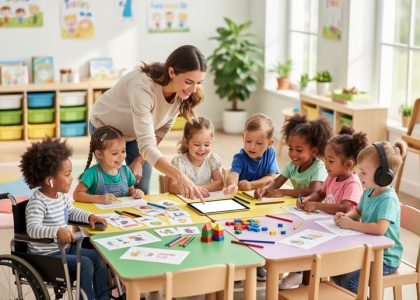
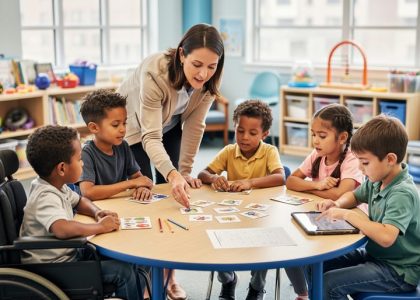
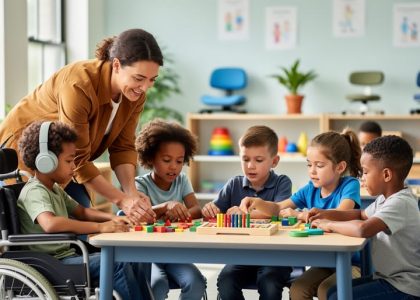
Special education in higher education stands at a critical crossroads, where advancing accessibility meets institutional transformation. Today’s universities are reimagining support systems for students with diverse learning needs, creating pathways that extend far beyond traditional accommodations. From innovative assistive technologies to comprehensive academic support programs, universities are developing robust frameworks that empower students with disabilities to thrive in academic environments.
The evolution of university special education reflects a broader shift in how we understand and support diverse learning styles. Modern campuses increasingly recognize that accessibility isn’t just about physical accommodations – it encompasses digital learning platforms, flexible assessment methods, and personalized support strategies. This comprehensive approach ensures that students with disabilities have equitable access to the full spectrum of university experiences, from classroom learning to campus life.
As universities continue to advance their special education initiatives, they’re setting new standards for inclusive excellence in higher education. These programs not only support individual student success but also contribute to a more diverse and enriched campus community. Through collaborative efforts between disability service offices, faculty, and administration, universities are creating educational environments where all students can realize their full potential, regardless of their learning differences or disabilities.
Current State of University Special Education Programs
Available Support Services
Universities today offer comprehensive support services designed to ensure students with diverse learning needs can thrive academically. These services typically include personalized academic accommodations, such as extended test time, note-taking assistance, and alternative format materials. Learning resource centers provide specialized technology and inclusive classroom strategies to support different learning styles.
Students can access dedicated academic advisors who understand special education needs and can help navigate course selection and degree requirements. Many institutions also offer assistive technology labs equipped with screen readers, speech-to-text software, and other adaptive tools. Peer mentoring programs connect students with experienced mentors who can provide guidance and support throughout their academic journey.
Mental health services, including counseling and wellness programs, are essential components of university support systems. Additionally, disability resource offices serve as central hubs for coordinating accommodations and ensuring students receive the support they need to succeed. These offices also work closely with faculty to implement appropriate accommodations while maintaining academic standards.

Program Accessibility
Universities today are making significant strides in creating inclusive environments through comprehensive accessibility measures. Physical accessibility includes wheelchair-accessible buildings, adaptive classroom furniture, and specialized laboratory equipment to accommodate diverse learning needs. Automatic doors, elevators, and clear pathway signage ensure students can navigate campus independently and safely.
Digital accessibility has become equally important, especially with the increasing reliance on online learning platforms. Universities are implementing screen reader-compatible websites, captioned videos, and alternative text for images. Learning management systems are being designed with adjustable text sizes, high-contrast options, and keyboard navigation features to support students with various disabilities.
Many institutions now offer adaptive technology centers where students can access specialized software and hardware, such as speech-to-text programs, magnification tools, and ergonomic input devices. Support services typically include dedicated staff who can assist with technology setup and provide training on using these tools effectively.
The focus has shifted from mere compliance with accessibility standards to creating truly inclusive learning spaces that empower all students to participate fully in their educational journey.
Equity Challenges in Higher Education

Financial Barriers
Financial considerations can present significant challenges for students seeking special education services in university settings. The average cost of accommodations and specialized support services can range from $2,000 to $5,000 per academic year, beyond standard tuition fees. However, several funding options and support mechanisms exist to help students overcome these barriers.
Federal financial aid programs, including grants and loans, often cover disability-related expenses. Many universities offer specific scholarships and grants for students with disabilities, though competition for these resources can be intense. The Vocational Rehabilitation (VR) program in each state provides additional funding opportunities, covering costs related to assistive technology, specialized tutoring, and other necessary accommodations.
Students and families can also explore private scholarships from disability advocacy organizations, professional associations, and community foundations. Some states offer tuition waivers or reduced fees for students with documented disabilities, though eligibility criteria vary by location.
To maximize financial support, students should:
– Start the financial planning process early, ideally a year before enrollment
– Work with disability services offices to document all necessary accommodations
– Research and apply for multiple funding sources
– Consider tax deductions and credits for education-related disability expenses
– Maintain open communication with financial aid advisors about changing needs
Remember that investing in appropriate accommodations and support services often leads to better academic outcomes and increased career opportunities, making it a valuable long-term investment in student success.
Systemic Obstacles
Despite increased awareness of inclusive education, universities still face significant systemic obstacles in providing comprehensive special education support. Limited funding often restricts the resources available for specialized programs, assistive technology, and qualified staff. Many institutions struggle to maintain an adequate ratio of support personnel to students, which can result in longer wait times for accommodations and reduced individual attention.
Physical infrastructure presents another challenge, with older campus buildings sometimes lacking proper accessibility features. While new construction typically meets accessibility standards, renovating existing structures requires substantial investment and careful planning to minimize disruption to ongoing educational activities.
Faculty preparedness remains a concern, as many professors receive minimal training in accommodating diverse learning needs. This knowledge gap can lead to inconsistent implementation of accommodation plans and potential barriers to student success. Additionally, administrative processes for requesting and receiving accommodations can be complex and time-consuming, creating unnecessary stress for students who need immediate support.
Communication barriers between departments often slow down service delivery, while rigid academic policies may not always account for the flexibility needed in special education contexts. The transition from K-12 special education services to university support systems can also be challenging, as students must navigate new responsibilities in self-advocacy and accommodation management.
These obstacles require ongoing attention and systematic reform to ensure equitable access to higher education for all students.
Innovative Solutions and Best Practices
Technology Integration
Modern university special education has been transformed by the integration of innovative digital tools for special education. These technologies create more accessible and inclusive learning environments for students with diverse needs. Text-to-speech software and screen readers help students with visual impairments or reading difficulties access course materials independently. Speech recognition technology assists students who face challenges with written expression, allowing them to dictate assignments and participate fully in online discussions.
Smart note-taking applications with audio recording capabilities enable students to capture lectures while focusing on understanding rather than writing. These tools often include features for organizing and highlighting information in ways that accommodate different learning styles. Adaptive learning platforms personalize content delivery based on individual student progress, ensuring that concepts are presented at an appropriate pace and level.
Alternative input devices, such as specialized keyboards and eye-tracking systems, remove physical barriers to computer use. Mobile apps for organization and time management help students with executive functioning challenges stay on track with assignments and deadlines. Virtual reality and augmented reality applications provide immersive learning experiences that can make complex concepts more tangible and engaging.
Communication tools like real-time captioning services and sign language interpretation apps facilitate better interaction between students and instructors. These technologies not only support learning but also promote independence and confidence in academic settings.
Support Networks
Effective support networks are crucial for students with disabilities in university settings, combining both formal and informal systems to create a comprehensive support structure. Peer mentoring programs have proven particularly successful, pairing experienced students with newcomers to provide guidance, share proven inclusion strategies, and offer emotional support during the transition to university life.
Many universities have implemented structured mentoring initiatives where upperclassmen with similar experiences serve as guides, helping new students navigate campus resources, develop study skills, and build social connections. These relationships often evolve into lasting friendships that extend beyond academic support.
Student-led support groups provide safe spaces for sharing experiences, challenges, and solutions. These groups often organize regular meetings, workshops, and social events that help build community while addressing specific needs. Digital platforms and social media groups complement these in-person gatherings, offering continuous support and resource sharing.
Faculty mentors also play a vital role, offering academic guidance and career advice while helping students advocate for their educational needs. Some institutions have established faculty liaison programs where professors receive specialized training to better support students with disabilities.
The most successful support networks integrate multiple approaches, ensuring students have access to both peer and professional assistance whenever needed. This comprehensive approach helps create an inclusive environment where all students can thrive academically and socially.
Policy Improvements
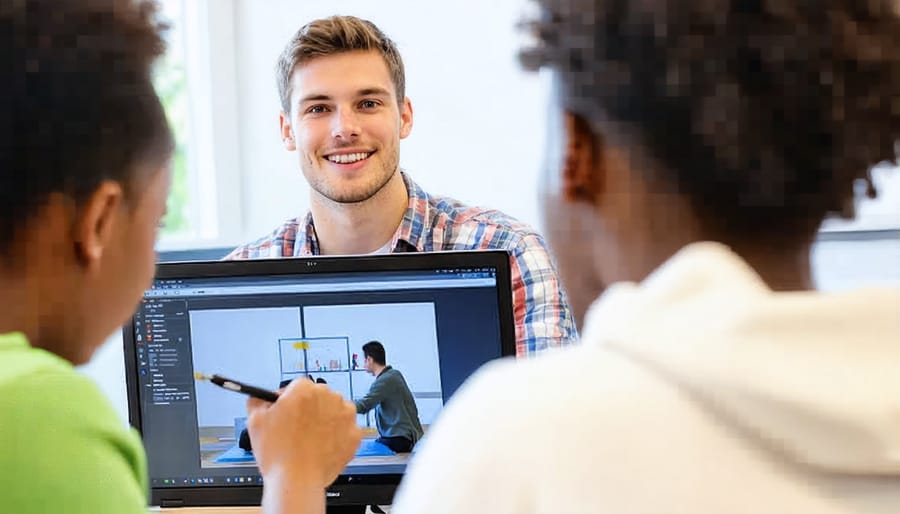
Recent policy improvements in university special education have focused on creating more inclusive and accessible learning environments. Several key recommendations have emerged from successful institutional changes across the country. First, universities are implementing universal design principles in both physical spaces and curriculum development, ensuring that accessibility is built into the foundation rather than added as an afterthought.
Clear communication protocols between disability services offices and faculty members have proven essential. Universities that have established structured channels for sharing accommodation requirements and student needs have seen improved outcomes. Additionally, mandatory training programs for faculty and staff on inclusive teaching practices and disability awareness have helped create more supportive learning environments.
Technology integration policies have also evolved, with many institutions now requiring that all digital content meet accessibility standards. This includes ensuring course materials are compatible with screen readers and providing multiple formats for learning resources.
Flexible attendance and assessment policies have been particularly effective, allowing students with disabilities to demonstrate their knowledge in ways that work best for them. Some universities have successfully implemented extended testing times and alternative assessment methods as standard options rather than special accommodations.
Moving forward, recommendations include developing comprehensive transition programs for incoming students with disabilities, establishing peer mentoring systems, and creating regular feedback mechanisms to continuously improve support services. These policy changes not only benefit students with disabilities but enhance the learning experience for all students.
Future Directions
The landscape of university special education is rapidly evolving, with several promising developments on the horizon. Technology integration stands at the forefront of these changes, with artificial intelligence and adaptive learning platforms creating more personalized learning experiences for students with diverse needs. Virtual reality and augmented reality tools are emerging as powerful resources for skill development and practical training simulations.
Universities are increasingly moving toward universal design for learning (UDL) principles, which will make education more accessible to all students from the ground up, rather than through retrofitted accommodations. This shift represents a fundamental change in how institutions approach educational design and delivery, ensuring that diverse learning needs are considered from the start.
Remote learning options, accelerated by recent global events, are being refined to better serve students with disabilities. Hybrid models that combine online and in-person learning are showing promise in providing flexible, accessible education while maintaining necessary support systems and social connections.
Another significant trend is the growing emphasis on transition programs that bridge the gap between secondary and higher education. These programs are becoming more sophisticated, incorporating life skills training, career counseling, and academic preparation specifically designed for students with diverse learning needs.
Mental health support services are expanding, with universities developing more comprehensive approaches that integrate academic accommodations with emotional and social support. This holistic approach recognizes the interconnected nature of learning challenges and mental well-being.
Looking ahead, we can expect to see increased focus on faculty training in inclusive teaching practices, expanded use of assistive technologies, and greater involvement of students with disabilities in decision-making processes. Professional development opportunities for special education staff will likely become more specialized and accessible through online platforms.
The future also points toward stronger partnerships between universities and employers, creating more robust pathways to employment for graduates with disabilities. These collaborations will help shape curriculum development and ensure that academic programs align with workplace needs while supporting diverse learners throughout their educational journey.
As we’ve explored throughout this article, university special education programs play a vital role in creating inclusive and equitable learning environments for all students. The successful implementation of these programs requires dedication, collaboration, and continuous professional development from educators at all levels.
Remember that your role as an educator is transformative. By advocating for comprehensive support services, implementing universal design principles, and maintaining open communication with students and families, you create pathways to success for learners with diverse needs. The strategies and resources we’ve discussed provide a foundation, but the real impact comes from your daily commitment to inclusive practices.
We encourage you to take the next step in enhancing your special education expertise. Consider joining professional learning communities, participating in workshops, or collaborating with special education specialists at your institution. Share your experiences and learn from colleagues who face similar challenges. The field of special education is constantly evolving, and staying informed about best practices ensures we can better serve our students.
Most importantly, remember that creating inclusive educational environments benefits all students, not just those with identified special needs. Your efforts to implement accessible teaching methods and provide appropriate accommodations contribute to a more equitable and effective educational system for everyone.
Take action today by reviewing your current practices and identifying one area where you can enhance support for students with special needs. Together, we can build a more inclusive future in higher education.