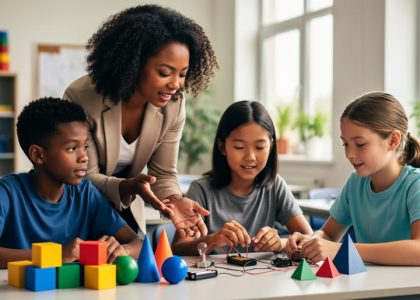
Teacher collaboration stands as the cornerstone of modern educational excellence, transforming isolated classroom practices into powerful collective learning experiences. When educators work together, sharing knowledge, resources, and strategies, they create a dynamic ecosystem that elevates both teaching quality and student outcomes. This collaborative approach extends beyond casual hallway conversations or weekly staff meetings – it represents a structured, intentional process where teachers engage in regular professional dialogue, joint planning, and shared problem-solving.
In today’s interconnected learning environment, effective teacher collaboration has evolved from a “nice-to-have” into an essential practice that drives school improvement and student success. Through collaborative efforts, educators can tackle complex challenges, develop innovative teaching approaches, and create consistency across grade levels and subject areas. This systematic partnership among teachers builds a professional learning community that continuously adapts to meet diverse student needs while fostering a culture of collective growth and shared responsibility.
Understanding teacher collaboration is crucial because it directly impacts classroom effectiveness, professional development, and student achievement. When teachers collaborate meaningfully, they don’t just share lesson plans – they create a sustainable support system that enhances pedagogical practices, promotes emotional well-being, and ultimately leads to more engaging and effective learning environments for all students.
What Makes Teacher Collaboration Essential in K-12 Education
Beyond Traditional Teaching Isolation
Historically, teaching has often been characterized as a solitary profession, with educators working independently within the confines of their classrooms. However, modern educational practices are rapidly moving away from this isolated approach towards integrated collaborative teaching models that break down traditional barriers.
When teachers step out of their isolated environments, they create opportunities for shared learning experiences, diverse teaching perspectives, and innovative instructional approaches. This shift from individual practice to collective wisdom allows educators to pool their expertise, share successful strategies, and collectively address student needs more effectively.
Breaking down these traditional silos also creates a more dynamic and responsive educational environment. Teachers who collaborate regularly report feeling more supported, better equipped to handle challenges, and more confident in trying new teaching methods. This interconnected approach not only benefits educators but also creates a more cohesive learning experience for students, who gain from the combined expertise and coordinated efforts of multiple teachers working together toward common educational goals.
Impact on Student Achievement
Research consistently shows that teacher collaboration has a significant positive impact on student achievement across multiple measures. When teachers work together effectively, students benefit from more cohesive instruction, better-aligned curriculum, and increased academic support.
Studies indicate that schools with strong collaborative practices see improvements in student test scores, with gains of up to 20% in core subjects like math and reading. This improvement is often attributed to teachers sharing successful teaching strategies, developing common assessments, and collectively analyzing student data to identify areas needing attention.
Beyond academic performance, teacher collaboration positively influences student engagement and social-emotional development. When educators coordinate their approaches to classroom management and student support, learners experience more consistent expectations and better-structured learning environments across different subjects.
Students also benefit from the innovative teaching methods that emerge from collaborative planning. When teachers combine their expertise and creative ideas, they develop more engaging lessons and differentiated learning experiences that cater to diverse learning styles and needs. This collaborative approach ensures that no student falls through the cracks and that all learners receive the support they need to succeed.
Core Components of Effective Teacher Collaboration

Structured Planning Time
Establishing effective collaborative planning sessions requires both structure and commitment from all team members. Start by setting a consistent weekly or bi-weekly schedule that works for everyone, preferably during common planning periods or designated professional development time.
Create an agenda template that includes key components such as curriculum alignment, student data analysis, and resource sharing. This ensures meetings stay focused and productive. Consider using digital tools like shared calendars and planning documents to maintain organization and accessibility.
Establish clear roles for each session, including a facilitator to keep discussions on track, a timekeeper to manage the schedule, and a note-taker to document decisions and action items. Rotate these roles regularly to promote shared responsibility and engagement.
Set specific goals for each meeting and communicate them in advance, allowing teachers to prepare necessary materials and ideas. Maintain a balance between structured activities and flexible discussion time to address both planned topics and emerging needs.
Document meeting outcomes and follow-up tasks in a shared space, making it easy for team members to reference and implement agreed-upon strategies. Regular evaluation of the planning process helps identify what’s working well and where adjustments are needed, ensuring the time spent together remains valuable and productive.
Remember to protect this designated collaboration time from interruptions and competing priorities, as consistency is key to developing effective planning routines.
Shared Goals and Objectives
Teacher collaboration becomes truly powerful when educators work together to establish and pursue shared goals and objectives that span across grade levels and subject areas. This alignment ensures a cohesive educational experience for students while maximizing the impact of teaching efforts.
When developing shared objectives, teachers should focus on creating clear, measurable outcomes that bridge different subjects and grade levels. For example, elementary and middle school teachers might collaborate to ensure math skills progression is seamless, or language arts and social studies teachers could align their content to reinforce critical thinking skills across disciplines.
Effective goal-setting in collaborative environments involves:
– Regular meetings to discuss curriculum mapping and vertical alignment
– Creating common assessment criteria and rubrics
– Identifying cross-curricular connections and opportunities
– Developing shared vocabulary and teaching approaches
– Setting benchmarks for student achievement at different levels
To maintain focus on these shared objectives, teaching teams should regularly review and adjust their goals based on student performance data and feedback. This dynamic approach allows for continuous improvement while ensuring all team members remain committed to the same educational outcomes.
Success in establishing shared goals requires open communication, mutual respect, and a willingness to adapt teaching methods to support collective objectives. When teachers align their educational goals, students benefit from a more coherent and comprehensive learning experience that builds systematically across their academic journey.
Building Strong Collaboration Networks
Digital Collaboration Tools
In today’s digital age, effective teacher collaboration has been revolutionized by various digital teaching tools that break down geographical barriers and time constraints. These platforms enable educators to share resources, exchange ideas, and work together seamlessly, regardless of their physical location.
Google Workspace for Education stands out as a comprehensive solution, offering real-time document collaboration, shared calendars, and video conferencing through Meet. Microsoft Teams provides similar functionality while adding dedicated channels for subject departments and grade-level teams, making it easier to organize discussions and resources.
Professional learning networks (PLNs) have found a home on platforms like Edmodo and Slack, where teachers can create subject-specific channels, share lesson plans, and seek advice from colleagues worldwide. These spaces foster continuous professional development through peer learning and mentorship.
Project management tools like Trello and Asana help teaching teams track curriculum development, coordinate events, and manage shared responsibilities. These platforms provide visual organization and clear task delegation, ensuring everyone stays aligned with team objectives.
Cloud storage solutions such as Google Drive and OneDrive have become essential for maintaining shared resource libraries, allowing teachers to collaboratively develop and refine teaching materials. This approach not only saves time but also promotes consistency across grade levels and subjects.
Video conferencing platforms like Zoom and Google Meet facilitate virtual department meetings, professional development sessions, and cross-school collaborations, making distance no longer a barrier to meaningful teacher interaction and knowledge sharing.

Professional Learning Communities
Professional learning communities (PLCs) represent a structured approach to sustained teacher collaboration that has transformed how educators work together to improve student learning outcomes. These communities create dedicated spaces where teachers can regularly meet, share experiences, analyze student data, and develop targeted instructional strategies.
Effective PLCs typically meet on a weekly or bi-weekly basis, following a clear agenda that focuses on specific learning goals and student achievement data. Teachers work in grade-level or subject-area teams, engaging in collaborative activities such as reviewing student work, sharing successful teaching strategies, and planning interventions for struggling students.
The key components of successful PLCs include shared leadership, collective responsibility for student learning, and a commitment to continuous improvement. Teachers participate in collaborative inquiry cycles, where they identify learning challenges, implement solutions, and assess their effectiveness. This process helps create a culture of ongoing professional growth and mutual support.
To implement PLCs effectively, schools should:
– Establish protected time for regular meetings
– Develop clear protocols and norms for collaboration
– Focus discussions on student learning and evidence-based practices
– Encourage shared decision-making and collective problem-solving
– Provide necessary resources and administrative support
When properly implemented, PLCs help break down the isolation often experienced in teaching, promote peer learning, and create sustainable systems for continuous improvement. They serve as powerful vehicles for transforming teaching practices and ultimately enhancing student achievement through structured, purposeful collaboration.

Overcoming Common Collaboration Challenges
Time Management Strategies
Finding time for meaningful collaboration can be challenging, but with strategic planning and efficient use of available resources, teachers can maximize their collaborative opportunities. Here are several practical approaches to managing collaboration time effectively:
Utilize common planning periods by scheduling grade-level or subject-area meetings during these designated times. When possible, work with administrators to align planning periods with colleagues you frequently collaborate with.
Create a structured agenda for each collaborative session to ensure productive use of time. Include specific goals, time allocations for each topic, and clear action items. This helps keep discussions focused and outcome-oriented.
Leverage technology to facilitate asynchronous collaboration. Use shared digital platforms and documents to work on projects, share resources, and provide feedback when face-to-face meetings aren’t possible. This approach allows teachers to contribute at times that work best for their schedules.
Consider implementing flexible scheduling options such as:
– Early release days dedicated to collaboration
– rotating coverage schedules where specialists or support staff cover classes
– bi-weekly focused collaboration blocks
– before or after school meeting times
Make the most of existing meetings by incorporating collaborative elements into department gatherings or staff meetings. Break into smaller groups for targeted discussions and planning sessions.
Remember to document collaborative work and decisions to save time in future meetings and maintain continuity. This practice helps teams build on previous progress rather than starting fresh each time they meet.
Building Trust and Communication
Building trust and communication forms the foundation of successful teacher collaboration. When educators establish strong relationships based on mutual respect and open dialogue, they create an environment where innovative ideas can flourish and meaningful partnerships can develop.
Start by establishing clear communication channels and protocols. Regular face-to-face meetings, shared digital platforms, and dedicated collaboration time help create consistency and reliability in interactions. Be transparent about expectations, goals, and challenges, and encourage honest feedback among team members.
Active listening plays a crucial role in building trust. Practice giving your full attention during discussions, asking clarifying questions, and acknowledging others’ perspectives. This demonstrates respect for colleagues’ expertise and creates a safe space for sharing ideas and concerns.
Celebrate small wins and acknowledge individual contributions to strengthen team bonds. When teachers feel valued and recognized, they’re more likely to engage actively in collaborative efforts and share their expertise freely.
Create opportunities for informal interactions outside structured meetings. These casual conversations often lead to deeper understanding among colleagues and foster a more supportive professional community.
Remember that trust-building takes time and consistent effort. Focus on maintaining confidentiality, following through on commitments, and addressing conflicts constructively. When challenges arise, approach them as opportunities for growth rather than obstacles.
By prioritizing trust and communication, teachers can create lasting collaborative relationships that enhance professional growth and student learning outcomes.
Teacher collaboration stands as a cornerstone of educational excellence, empowering educators to create more engaging, effective, and inclusive learning environments. Through shared experiences, resources, and expertise, teachers can significantly enhance their instructional practices and student outcomes. The benefits of collaboration extend beyond individual classrooms, fostering a school-wide culture of continuous improvement and professional growth.
As we’ve explored throughout this article, successful collaboration requires commitment, clear communication, and supportive structures. By implementing regular planning sessions, utilizing digital tools, and maintaining open dialogue, teachers can overcome common barriers and build sustainable collaborative relationships. Remember that effective collaboration doesn’t happen overnight – it’s a journey that requires patience, flexibility, and dedication.
We encourage you to start small and gradually expand your collaborative efforts. Begin with simple initiatives like sharing lesson plans or co-teaching a single unit before moving to more comprehensive collaborative projects. Take advantage of available resources within your school community and don’t hesitate to reach out to colleagues for support and guidance.
The future of education lies in our ability to work together, share knowledge, and support one another. By embracing collaborative practices, you’re not just improving your own teaching – you’re contributing to the broader mission of creating better educational experiences for all students. Take the first step today and discover how collaboration can transform your teaching practice and professional growth.