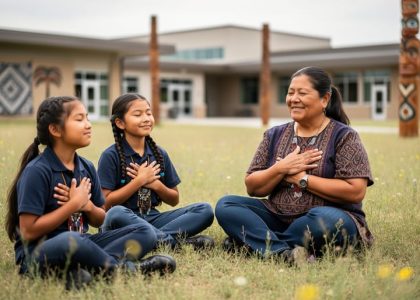
Indigenous pedagogy transforms modern education by weaving traditional knowledge systems with culturally responsive teaching strategies. This ancestral approach to learning emphasizes holistic development, connecting students with their cultural heritage while building critical thinking skills through storytelling, experiential learning, and community engagement.
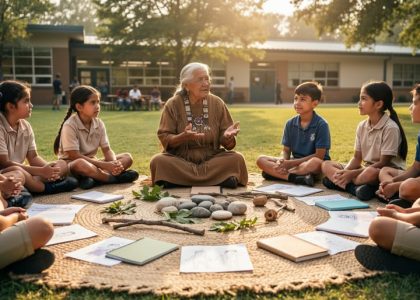
Traditional Indigenous teaching methods offer powerful solutions to contemporary educational challenges. By integrating circle learning, where every voice carries equal weight, educators create inclusive spaces that honor diverse perspectives and foster deeper understanding. Land-based education connects academic concepts to the natural world, making abstract ideas tangible through hands-on exploration and ecological wisdom.
The effectiveness of Indigenous pedagogical approaches lies in their emphasis on relationship-building, both between teachers and students and among learners themselves. This collaborative learning environment reflects traditional values of interconnectedness and collective knowledge-sharing, creating stronger educational outcomes while preserving and celebrating cultural identity.
For modern educators, embracing Indigenous teaching methods isn’t just about incorporating new techniques – it’s about fundamentally reimagining how we approach learning, assessment, and student engagement. This shift promises more equitable, engaging, and effective educational experiences for all students.
Core Principles of Indigenous Pedagogy
Holistic Learning Approaches
Indigenous pedagogy embraces a holistic approach to learning that recognizes the interconnectedness of mind, body, spirit, and emotions. Unlike conventional Western education models that often prioritize cognitive development alone, indigenous teaching methods integrate social-emotional learning with physical activities, spiritual awareness, and intellectual growth.
This comprehensive approach acknowledges that effective learning occurs when students engage with content through multiple dimensions of their being. For example, learning about plant life might involve not only studying botanical facts but also understanding the spiritual significance of plants in indigenous cultures, experiencing hands-on gardening, and developing emotional connections to nature through storytelling and reflection.
Indigenous educators emphasize the importance of learning through observation, direct experience, and community participation. Students are encouraged to develop their emotional intelligence alongside their academic skills, recognizing that wisdom comes from both the heart and mind. Physical learning often takes place through traditional games, dance, and practical skills, while spiritual aspects are woven throughout the curriculum through ceremonies, storytelling, and connection to the land.
This balanced approach helps students develop a strong sense of identity, cultural awareness, and emotional resilience while mastering academic content. By honoring all aspects of human development, indigenous pedagogy creates more meaningful and lasting learning experiences that prepare students for life beyond the classroom.

Experiential and Place-Based Learning
Experiential and place-based learning stands at the heart of indigenous educational practices, emphasizing the profound connection between knowledge acquisition and direct interaction with the natural world. This approach recognizes that meaningful learning occurs when students engage with their environment through hands-on experiences, observation, and reflection.
In traditional indigenous education, learning isn’t confined to four walls but extends into the community and natural surroundings. Students learn about plant biology by harvesting traditional medicines, understand weather patterns through seasonal activities, and grasp mathematical concepts through practical applications like weaving or building. This direct engagement helps students develop a deeper understanding of concepts while fostering a strong connection to their cultural heritage and environment.
Teachers can incorporate these principles by taking learning outdoors, creating opportunities for students to interact with local ecosystems, and inviting community members to share their knowledge. Simple activities might include creating garden projects, conducting nature walks, or participating in traditional crafting activities. These experiences help students develop observational skills, critical thinking, and environmental awareness while building respect for indigenous knowledge systems.
The place-based aspect emphasizes learning about and through the local environment, history, and community. This approach helps students understand their role within their community and develops a sense of responsibility toward their environment, leading to more engaged and environmentally conscious learners.
Practical Applications in Modern Classrooms

Storytelling and Oral Traditions
Storytelling and oral traditions form the heart of indigenous pedagogy, offering powerful tools for engaging students and creating meaningful learning experiences. Teachers can incorporate these methods by inviting local indigenous storytellers into the classroom or by respectfully sharing traditional stories with proper attribution and permissions.
When planning lessons around storytelling, create a comfortable, circular seating arrangement that promotes active listening and community engagement. This arrangement reflects traditional indigenous teaching spaces and encourages student participation. Begin with simple storytelling exercises that connect to your curriculum objectives, such as using creation stories in science lessons or traditional tales in language arts.
Consider these practical approaches:
– Use story circles where students take turns sharing personal or family stories
– Incorporate call-and-response elements to maintain engagement
– Include relevant gestures and movements that enhance story meaning
– Create opportunities for students to retell stories in their own words
– Connect stories to current events or modern situations
Remember that oral traditions extend beyond mere storytelling. They include songs, chants, and ceremonial language that can enrich learning experiences. Always emphasize the importance of active listening and respect for the story’s cultural origins. Encourage students to reflect on the lessons embedded within each story and how they relate to their own lives and experiences.
When selecting stories, work with indigenous community members to ensure cultural appropriateness and accurate representation. This collaboration helps maintain authenticity while building meaningful connections between school and community.
Community-Based Learning
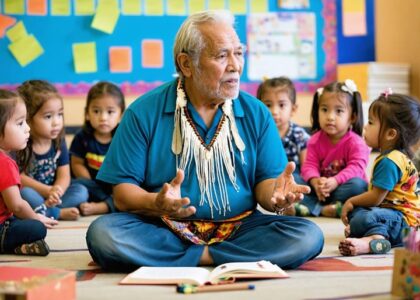
Community-based learning is a cornerstone of indigenous pedagogy that recognizes education as a shared responsibility between schools and community members. This approach brings elders, cultural practitioners, and local knowledge holders into the classroom, creating authentic learning experiences that bridge traditional wisdom with contemporary education.
Teachers can implement community-based learning by inviting local indigenous community members to share stories, teach traditional skills, or demonstrate cultural practices. These interactions provide students with direct access to cultural knowledge while building meaningful relationships between the school and community. For example, students might learn about local plant species from traditional healers, explore indigenous art forms with community artists, or study local history through the oral traditions of tribal elders.
The involvement of community members extends beyond occasional visits. Successful programs often establish ongoing partnerships that allow for regular community input in curriculum development and educational planning. This might include creating seasonal learning activities that align with traditional cultural calendars, organizing field trips to significant cultural sites, or developing projects that address community needs.
To implement community-based learning effectively, educators should:
– Build respectful relationships with community members
– Create flexible schedules to accommodate traditional knowledge sharing
– Establish clear communication channels between school and community
– Recognize and honor community protocols and customs
– Provide opportunities for reciprocal learning between students and community members
Nature-Connected Learning
Nature-connected learning is a fundamental aspect of indigenous pedagogy that recognizes the natural world as a primary teacher. By incorporating natural elements into various subjects, educators can create meaningful connections between academic content and the environment that surrounds us.
In mathematics, teachers can use natural objects like leaves, stones, and branches for counting, patterns, and geometric concepts. Science lessons become more engaging when students observe local ecosystems, weather patterns, and seasonal changes firsthand. Language arts instruction can move outdoors, where students find inspiration for storytelling, poetry, and descriptive writing from the natural environment.
Social studies lessons benefit from exploring local landscapes and understanding how geography influences culture and community development. Art classes can utilize natural materials and draw inspiration from environmental elements, while physical education can incorporate traditional indigenous games that connect movement with nature.
To implement nature-connected learning effectively, educators can:
– Create outdoor learning spaces
– Collect natural materials for hands-on activities
– Schedule regular outdoor observation time
– Connect curriculum concepts to local flora and fauna
– Integrate traditional ecological knowledge
– Develop place-based learning activities
This approach not only honors indigenous ways of knowing but also promotes environmental stewardship, enhances student engagement, and develops a deeper understanding of interconnectedness. By bringing nature into daily lessons, educators help students develop a more holistic worldview while meeting academic standards.

Benefits and Cultural Considerations
Enhanced Student Engagement
Research consistently shows that indigenous teaching methods significantly boost student engagement across all grade levels. When educators incorporate storytelling, experiential learning, and place-based education into their lessons, students demonstrate increased participation and deeper connection with the material.
Studies indicate that students in classrooms using indigenous pedagogical approaches show up to 40% higher engagement rates compared to traditional teaching methods. This improvement stems from several key factors: the emphasis on collaborative learning, real-world connections, and the integration of multiple perspectives in lesson delivery.
Indigenous teaching methods naturally promote active participation through circle-style discussions, hands-on activities, and community-based projects. Students report feeling more valued and heard when their personal experiences are welcomed into the learning process. This inclusive approach helps create a supportive classroom environment where diverse voices are celebrated.
Educators who implement indigenous teaching strategies often observe:
– Increased student-led discussions
– Higher completion rates for group projects
– Better retention of course material
– Stronger peer-to-peer relationships
– Greater cultural awareness and sensitivity
The holistic nature of indigenous pedagogy, which connects academic concepts to real-world applications and personal experiences, helps students see the relevance of their learning. This meaningful connection to the curriculum naturally leads to more engaged, motivated learners who actively participate in their educational journey.
Cultural Sensitivity Guidelines
When implementing indigenous pedagogy, creating a culturally inclusive learning environment requires careful attention to cultural protocols and respectful engagement. Begin by acknowledging the traditional custodians of the land where your school is located and seek guidance from local indigenous communities or cultural advisors.
Always obtain proper permissions before sharing cultural stories or practices, and ensure materials are sourced from authentic indigenous voices. Remember that indigenous knowledge is often context-specific and may vary between different communities and regions.
Avoid generalizing or romanticizing indigenous cultures, and be mindful of the difference between appreciation and appropriation. When incorporating indigenous teaching methods, maintain the integrity of the original practice while adapting it appropriately for your classroom setting.
Encourage open dialogue with students about cultural differences and create opportunities for indigenous students to share their perspectives voluntarily, without putting them on the spot. Be prepared to address misconceptions respectfully and guide students toward deeper cultural understanding.
Regular self-reflection is essential. Question your own biases and assumptions, and stay committed to ongoing learning about indigenous perspectives and ways of knowing. Remember that implementing indigenous pedagogy is a journey of continuous growth and learning, not a destination.
Building Inclusive Classrooms
Indigenous pedagogies naturally embrace diversity and inclusion, offering valuable frameworks to create an inclusive classroom environment where all students feel valued and represented. These teaching methods recognize that every learner brings unique perspectives, experiences, and ways of knowing to the classroom.
By incorporating circle-based discussions, storytelling, and collaborative learning activities, indigenous pedagogies help break down hierarchical barriers and encourage equal participation. Students learn to respect different viewpoints and understand that knowledge can come from various sources, not just textbooks or traditional academic materials.
These approaches emphasize the importance of relationship-building, both between students and with the teacher. When students share their personal stories and cultural experiences, it creates deeper understanding and empathy among classmates. This sharing of perspectives helps combat stereotypes and creates a more welcoming learning environment for all.
Indigenous teaching methods also recognize different learning styles and multiple forms of expression. Whether through oral presentations, artistic expression, or hands-on activities, students have various ways to demonstrate their understanding. This flexibility ensures that all learners can succeed, regardless of their preferred learning style or cultural background.
By implementing these inclusive practices, educators create spaces where diversity is celebrated and every student’s voice matters. This approach not only benefits indigenous students but enriches the learning experience for all learners, preparing them for success in our increasingly diverse world.
Indigenous pedagogy offers transformative possibilities for all educators seeking to create more inclusive, engaging, and effective learning environments. By incorporating these time-tested teaching methods into modern classrooms, we can better serve all students while honoring and preserving indigenous wisdom and ways of knowing.
The journey to implement indigenous teaching practices requires commitment, cultural sensitivity, and ongoing learning. Remember that small steps matter – start by incorporating storytelling, place-based learning, or experiential activities into your existing curriculum. Build relationships with local indigenous communities when possible, and always approach implementation with respect and authenticity.
As you move forward, focus on creating learning spaces that embrace holistic development, recognize multiple ways of knowing, and foster strong connections between students, their culture, and the natural world. Consider how indigenous pedagogical principles can enhance your current teaching practices rather than replacing them entirely.
The rewards of this educational approach extend far beyond academic achievement. Students develop stronger cultural awareness, environmental consciousness, and community connections while building critical thinking skills through experiential learning. By embracing indigenous teaching methods, we create more equitable, inclusive, and effective learning environments that benefit all students.
Take the first step today. Start small, remain open to learning, and remember that implementing indigenous pedagogy is a journey of growth for both educators and students.