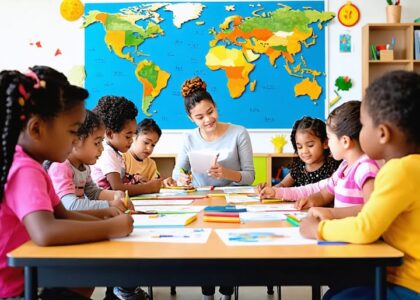
Every student in your classroom holds unique potential, unlocked through different pathways of learning and understanding. Howard Gardner’s theory of Multiple Intelligences revolutionized our approach to education by revealing eight distinct ways students process and retain information. From the musical virtuoso who grasps math through rhythm to the kinesthetic learner who understands scientific concepts through movement, these diverse intelligences shape how our students connect with course material.
As modern educators, we’re uniquely positioned to harness digital tools and adaptive teaching strategies that engage all eight intelligence types: linguistic, logical-mathematical, spatial, musical, bodily-kinesthetic, interpersonal, intrapersonal, and naturalistic. By recognizing and nurturing these varied learning styles, we create inclusive classrooms where every student can thrive.
This comprehensive guide explores practical strategies for incorporating each intelligence type into your daily lessons, leveraging technology to create meaningful learning experiences that resonate with every student. Whether you’re a veteran teacher or new to differentiated instruction, understanding these eight pathways to learning will transform how you plan, deliver, and assess your lessons.
Understanding the 8 Learning Intelligences

The Eight Intelligence Types
Howard Gardner’s theory of multiple intelligences revolutionized how we understand student learning, providing a framework for developing personalized learning approaches in our classrooms. Let’s explore each intelligence type:
Linguistic Intelligence involves strong language skills, including reading, writing, and verbal expression. Students with this intelligence excel at word games, storytelling, and written assignments.
Logical-Mathematical Intelligence encompasses analytical thinking, pattern recognition, and numerical reasoning. These learners thrive on problem-solving activities, equations, and logical puzzles.
Spatial Intelligence relates to visual thinking and spatial judgment. Students with this strength excel at visualizing concepts, reading maps, and understanding dimensional relationships.
Musical Intelligence includes sensitivity to rhythm, pitch, and melody. These learners respond well to songs, musical patterns, and rhythm-based learning activities.
Bodily-Kinesthetic Intelligence involves physical movement and hands-on learning. These students learn best through movement, touch, and physical engagement with materials.
Interpersonal Intelligence reflects the ability to understand and interact effectively with others. These learners excel in group work, peer teaching, and collaborative projects.
Intrapersonal Intelligence involves self-understanding and emotional awareness. Students with this intelligence benefit from reflection activities, independent study, and goal-setting exercises.
Naturalistic Intelligence encompasses the ability to recognize and understand natural patterns. These learners connect well with environmental topics, classification activities, and outdoor learning experiences.
Understanding these intelligence types helps educators create inclusive learning environments that acknowledge and support diverse learning preferences. By incorporating activities that engage multiple intelligences, teachers can ensure all students have opportunities to learn in ways that resonate with their strengths.
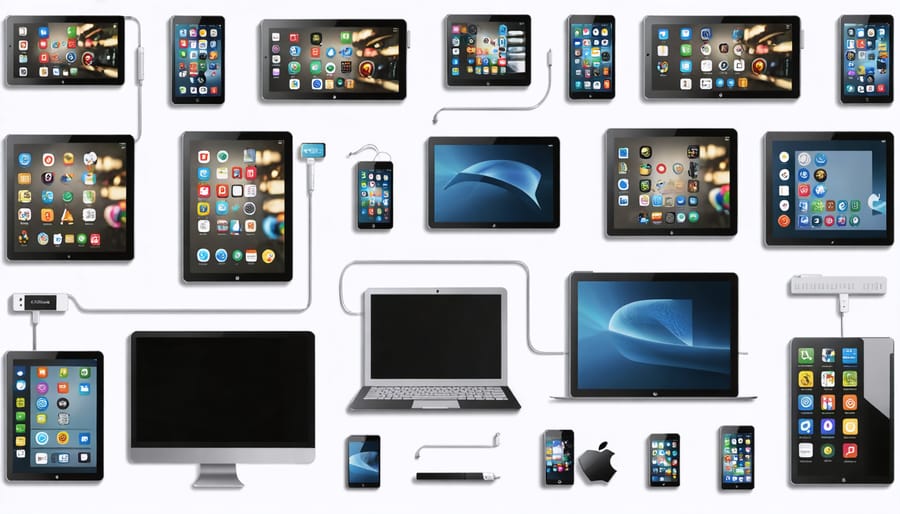
Digital Tools for Multiple Intelligences
Visual and Spatial Learners
Visual and spatial learners thrive when working with images, diagrams, and spatial relationships. Today’s digital landscape offers numerous tools to support these students’ learning preferences. Tools like Canva and Adobe Express enable students to create vibrant infographics and visual presentations, helping them organize and express their ideas through design.
Mind mapping software such as MindMeister and Coggle allows students to visualize complex concepts and their connections. These tools are particularly effective for brainstorming sessions and project planning, where spatial organization of ideas is crucial.
For 3D learning experiences, platforms like Tinkercad and SketchUp provide opportunities for students to design and manipulate three-dimensional objects. These tools are especially valuable in subjects like geometry, architecture, and engineering, where spatial understanding is essential.
Video creation tools such as Animoto and Powtoon enable students to transform written content into dynamic visual stories. Additionally, virtual reality applications like Google Expeditions can transport students to different locations, making abstract concepts tangible through immersive experiences.
Remember to integrate these tools gradually and provide clear guidance to ensure students can focus on learning rather than getting overwhelmed by the technology.
Linguistic and Musical Learners
For students who excel in verbal and musical learning, several digital tools can enhance their learning experience. Duolingo and Memrise offer engaging language learning through interactive exercises and musical mnemonics, perfect for linguistic learners who thrive on word patterns and verbal expression.
Musical learners will find value in apps like Garage Band and Soundtrap, which allow them to create and manipulate music while learning concepts. These platforms can be particularly effective when teaching patterns, sequences, and mathematical relationships through rhythm and melody.
Other valuable resources include Lyrics Training for language acquisition through music, and StoryBird for creative writing and storytelling. Poetry and songwriting apps like Rhyme Zone help students explore language patterns while expressing themselves creatively.
Consider integrating these tools into lesson plans by:
– Using musical jingles to teach key concepts
– Creating word-based games and challenges
– Encouraging students to compose songs about lesson topics
– Incorporating rhythm-based activities for memorization
– Using podcast creation tools for verbal expression projects
Remember to rotate between verbal and musical activities to maintain engagement and accommodate different preferences within these learning styles.
Logical and Mathematical Minds
Students with strong logical-mathematical intelligence thrive on patterns, numbers, and analytical thinking. Modern technology offers numerous tools to engage these learners effectively. Digital puzzle platforms like Sudoku apps and Chess.com help develop strategic thinking, while coding platforms such as Scratch and Code.org transform abstract concepts into tangible results.
Interactive math tools like GeoGebra and Desmos allow students to visualize complex mathematical relationships and experiment with equations in real-time. For data analysis, spreadsheet applications provide hands-on experience with organizing information and identifying patterns. Problem-solving games like DragonBox and Prodigy Math make mathematical concepts engaging while maintaining educational rigor.
To support systematic learning, mind-mapping tools like MindMeister help students create detailed concept hierarchies and logical connections. Virtual lab simulators enable controlled experimentation and hypothesis testing, perfect for scientifically-minded learners. Additionally, project management tools teach sequential thinking and help break complex problems into manageable steps.
Remember to integrate these tools gradually and allow students to explore different combinations that best suit their learning style.
Interactive and Social Learning Tools
Digital platforms have revolutionized how we engage with bodily-kinesthetic, interpersonal, and intrapersonal learning styles in the classroom. For students who learn through movement and physical interaction, apps like GoNoodle and Just Dance Now offer guided movement activities that can be integrated into lesson plans. These platforms allow students to learn concepts through dance, gesture, and physical movement, making abstract ideas more concrete and memorable.
For interpersonal learners, collaborative platforms like Flipgrid and Padlet create virtual spaces where students can share ideas, provide peer feedback, and engage in group discussions. These tools are particularly effective for remote or hybrid learning environments, where traditional face-to-face interactions might be limited. Students can create video responses, share multimedia projects, and build on each other’s ideas in real-time.
Supporting intrapersonal intelligence requires tools that encourage self-reflection and independent learning. Digital journals and portfolio platforms like Seesaw allow students to document their learning journey, set personal goals, and track their progress. Mindfulness apps such as Calm for Schools help students develop self-awareness and emotional regulation skills.
Interactive assessment tools like Kahoot! and Quizizz can be adapted to support all three intelligence types by incorporating movement-based responses, team challenges, and self-paced learning modes. These platforms make learning engaging while providing valuable feedback for both teachers and students.
Nature-Smart Technology
In today’s digital age, numerous technology tools can enhance naturalistic intelligence while maintaining connection to the natural world. Digital field guides and nature identification apps like iNaturalist and Seek allow students to instantly identify plants, animals, and fungi during outdoor explorations. These tools complement traditional nature-based learning benefits by adding an interactive, technological dimension to environmental education.
Virtual reality applications can bring nature into the classroom when outdoor exploration isn’t possible. Apps like Google Earth VR and National Geographic Explore enable students to virtually visit diverse ecosystems and study environmental patterns. Data collection tools such as Weather Underground and citizen science platforms help students track and analyze natural phenomena, developing their observation skills while contributing to real scientific research.
Digital microscopes and time-lapse photography apps allow students to examine natural processes in detail, from plant growth to insect behavior. These tools bridge the gap between technology and nature, making scientific observation more accessible and engaging for modern learners while nurturing their connection to the natural world.
Implementation Strategies
Assessment and Planning
To effectively identify and support different learning intelligences in your classroom, start with structured observation and documentation. Keep a learning journal to note how students respond to various activities and teaching methods. Look for patterns in their engagement, success, and challenges across different subjects and tasks.
Several practical assessment tools can help map student intelligence profiles. Consider using multiple intelligence surveys designed for your grade level, or create simple checklists that track student preferences and strengths. Digital assessment tools like learning style questionnaires and interactive games can make this process more engaging for students while providing valuable data.
Remember that intelligence profiles aren’t fixed – they can evolve over time. Plan regular check-ins throughout the school year to monitor changes and adjustments in learning preferences. Involve students in this process through self-reflection activities and peer discussions about learning strategies.
When collecting this information, create individual student portfolios that include work samples, assessment results, and observations. This comprehensive approach helps develop targeted learning plans that leverage each student’s strongest intelligences while supporting growth in other areas.

Creating Balanced Learning Experiences
Creating engaging learning experiences that cater to multiple intelligences requires thoughtful planning and the right digital tools. By implementing effective technology integration strategies, educators can design activities that reach students across all learning styles.
Start by incorporating visual learning tools like mind-mapping software and infographic creators for spatial learners. For musical intelligence, consider using digital composition tools and rhythm-based learning apps. Kinesthetic learners benefit from interactive simulations and virtual reality experiences that allow physical engagement with concepts.
To support linguistic learners, implement digital storytelling platforms and collaborative writing tools. Mathematical-logical thinkers thrive with problem-solving apps and coding platforms. For interpersonal intelligence, utilize discussion boards and group project management tools, while intrapersonal learners benefit from reflective journaling apps and self-paced learning modules.
Remember to rotate through different tools and approaches regularly, ensuring each student has opportunities to learn through their preferred style while developing competency in others. This balanced approach helps create an inclusive classroom where every learner can succeed.
Measuring Success
Measuring the success of multiple intelligence technology integration requires a balanced approach combining both quantitative and qualitative assessment methods. Start by establishing clear baseline data through pre-implementation surveys and student performance metrics. Track student engagement levels, assignment completion rates, and academic progress across different intelligence-based activities.
Create digital portfolios to document student work and growth in each intelligence area. Use learning management systems to gather analytics on how students interact with different types of digital content. Regular student feedback through quick polls and reflection journals can provide valuable insights into which tools and approaches resonate most effectively.
Consider implementing rubrics specifically designed to evaluate multiple intelligence activities. These should assess not only traditional academic outcomes but also creative expression, collaborative skills, and personal growth. Peer assessments and self-evaluation tools can help students become more aware of their learning preferences and strengths.
Remember that success looks different for each intelligence type. While linguistic and logical activities might be easier to measure through traditional assessments, musical and bodily-kinesthetic achievements might require alternative evaluation methods like performance-based assessments or digital creativity portfolios.
Understanding and implementing the eight learning intelligences in your classroom can transform the way you teach and how your students learn. By recognizing and nurturing these diverse intelligences, you create an inclusive environment where every student has the opportunity to thrive. Remember that each student possesses a unique combination of these intelligences, and your role is to help them leverage their strengths while developing other areas.
Start small by incorporating one or two strategies at a time, observing what works best for your students, and gradually expanding your approach. Use digital tools to support different learning styles, and don’t hesitate to collaborate with colleagues to share successful practices. Most importantly, celebrate the diversity of intelligence in your classroom and help students appreciate their unique learning profiles.
Together, we can create learning environments that honor all types of intelligence and prepare students for success in their unique ways.