Creating truly inclusive classrooms transforms education from a one-size-fits-all approach into a dynamic learning environment where every student thrives. Today’s diverse student populations demand thoughtful, responsive teaching strategies that acknowledge and celebrate different learning styles, cultural backgrounds, and individual needs. Through meaningful assessment practices and intentional instructional design, educators can build learning spaces where differences are viewed as strengths rather than challenges.
Research consistently shows that inclusive education benefits all students, not just those with specific learning needs. When classrooms embrace diversity, students develop stronger social skills, deeper empathy, and more nuanced critical thinking abilities. Moreover, inclusive practices prepare learners for success in our increasingly interconnected and diverse world.
This comprehensive guide explores practical strategies for creating inclusive learning environments that support academic achievement while fostering a sense of belonging for every student. From Universal Design for Learning principles to culturally responsive teaching methods, we’ll examine evidence-based approaches that help educators meet the unique needs of their diverse student populations while maintaining high academic standards.
Building a Foundation for Inclusive Assessment
Understanding Diverse Learning Needs
Creating effective inclusive learning environments starts with understanding that every student learns differently. Students process information through various channels – visual, auditory, kinesthetic, or a combination of these styles. Some may excel with traditional written assessments, while others might better demonstrate their knowledge through oral presentations or hands-on projects.
To address these diverse learning needs, educators should implement flexible assessment strategies that accommodate different learning styles. This might include offering multiple ways to demonstrate understanding, such as allowing students to choose between creating a video presentation, writing a paper, or building a model. Additionally, consider providing extended time when needed, offering quiet testing spaces, or using assistive technology to support students with different learning requirements.
Regular observation and communication with students help identify their preferred learning methods and potential barriers to success. By maintaining open dialogue and adjusting teaching approaches based on student feedback, educators can create a more supportive and effective learning environment for all students.
Creating Flexible Assessment Options
Creating flexible assessment options ensures every student has the opportunity to demonstrate their understanding effectively. Rather than relying solely on traditional written tests, consider offering multiple pathways for students to showcase their knowledge. Students might create video presentations, design digital portfolios, give oral demonstrations, or complete hands-on projects.
Start by identifying the core learning objectives, then develop 2-3 different assessment methods that target these same objectives. For example, if assessing understanding of a historical event, students could choose between writing a traditional essay, creating a dramatic reenactment, or designing an interactive timeline.
Universal Design for Learning principles suggest incorporating choice in product, process, and presentation. Allow students to use various tools and technologies that support their learning needs, such as speech-to-text software, graphic organizers, or recording devices. Consider timing flexibility too – some students might perform better with extended time or broken-down assessment segments.
Remember to maintain consistent grading criteria across different assessment options. Provide clear rubrics that focus on content mastery rather than the specific format chosen. This approach ensures fairness while honoring diverse learning styles and abilities.

Practical Implementation Strategies
Universal Design for Learning in Assessment
Universal Design for Learning (UDL) principles can transform assessment practices to better serve all students. By providing multiple means of engagement, representation, and action/expression, educators can create assessments that accurately measure student learning while accommodating diverse needs and learning styles.
Consider offering students choices in how they demonstrate their knowledge. For example, a student might choose between writing an essay, creating a video presentation, or designing a project to show their understanding of a concept. This flexibility doesn’t compromise academic standards but rather ensures that all students can effectively showcase their learning.
When designing assessments, incorporate multiple formats and approaches:
– Provide both digital and print options for written assessments
– Allow extra time when needed without penalty
– Offer text-to-speech or speech-to-text tools
– Include visual aids and graphic organizers
– Enable different response formats (typed, handwritten, or verbal)
Regular check-ins and formative assessments help monitor student progress and adjust teaching strategies accordingly. Consider implementing digital tools that provide immediate feedback and allow students to track their own progress.
Remember that UDL in assessment isn’t about lowering expectations – it’s about removing barriers to student success. By designing assessments with flexibility and accessibility in mind, teachers can gather more accurate data about student learning while fostering a more inclusive classroom environment.
Technology-Enhanced Assessment Tools
Technology has revolutionized the way we approach inclusive assessment, offering flexible tools that can adapt to diverse student needs. Digital assessment platforms now provide multiple ways for students to demonstrate their knowledge, whether through text, audio, video, or interactive responses.
Text-to-speech and speech-to-text tools help students who struggle with reading or writing to fully participate in assessments. These tools level the playing field by removing barriers to expression while maintaining academic rigor. Many platforms also offer adjustable font sizes, color contrasts, and reading guides to support students with visual processing needs.
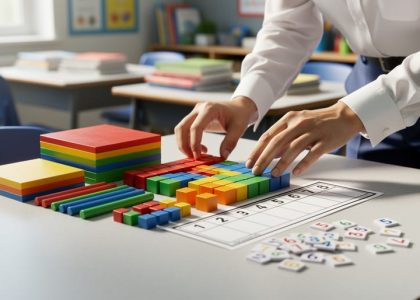
Interactive assessment tools allow students to engage with content through multiple modalities. For example, digital manipulatives help visual learners solve math problems, while recording features enable verbal learners to explain their thinking orally. Automated feedback systems provide immediate responses, helping students track their progress and adjust their learning strategies in real-time.
Cloud-based assessment platforms facilitate collaboration between teachers, students, and support staff. These systems often include progress monitoring features that help identify learning gaps early and suggest differentiated interventions. Many also offer built-in accommodations that can be activated based on individual student needs.
Remember that technology should enhance, not replace, good teaching practices. Choose tools that align with your learning objectives and support your students’ diverse needs. Regular training and support ensure both teachers and students can effectively use these tools to their full potential.

Alternative Assessment Methods
Assessment doesn’t have to be limited to traditional tests and quizzes. By implementing innovative assessment strategies, educators can create more meaningful ways to measure student progress while accommodating diverse learning styles and needs.
Portfolio-based assessments allow students to showcase their learning journey through collected work samples, projects, and reflections. This approach gives students agency in demonstrating their understanding and helps develop important self-assessment skills.
Performance-based assessments encourage students to apply their knowledge in authentic situations. These might include presentations, demonstrations, or real-world problem-solving tasks that allow students to show their understanding in ways that make sense to them.
Digital tools and multimedia presentations offer creative alternatives for students who may struggle with traditional written assessments. Students might create videos, podcasts, or digital stories to demonstrate their learning, making the assessment process more engaging and accessible.
Observation-based assessments, using rubrics and checklists, help teachers track progress in real-time while students engage in classroom activities. This approach is particularly effective for evaluating social skills, participation, and practical applications of learning.
Student self-assessment and peer feedback opportunities build metacognitive skills and create a collaborative learning environment. These methods help students become more aware of their learning process and develop important reflective practices.
Remember to provide clear guidelines and multiple options for each assessment type, ensuring all students can demonstrate their knowledge effectively.
Supporting Student Success
Providing Clear Instructions and Support
Clear instructions are fundamental to ensuring all students can demonstrate their knowledge effectively. Start by providing assessment requirements in multiple formats – written, verbal, and visual – to accommodate different learning styles. Use straightforward language and break down complex tasks into manageable steps.
Create detailed rubrics that clearly outline expectations and success criteria. Share these with students before the assessment begins, allowing them to understand exactly what they need to do to succeed. Consider providing exemplars or models of completed work to illustrate expectations visually.
Implement a consistent structure for presenting instructions across all assessments. This might include:
– A clear objective statement
– Step-by-step directions
– Required materials and resources
– Time allocation for each section
– Submission guidelines
– Available support options
Offer ongoing support throughout the assessment process. Establish regular check-in points where students can ask questions and seek clarification. Create a supportive environment where students feel comfortable requesting help when needed.
Consider incorporating technology tools that allow students to access instructions in their preferred format. Digital platforms can offer features like text-to-speech, translation options, and adjustable text sizes to enhance accessibility.
Remember to verify understanding before students begin their work. Use strategies like having students rephrase instructions in their own words or complete a practice example. This helps identify any confusion early and ensures all students start with a clear understanding of what’s expected.
Maintain an open feedback loop with students about instruction clarity, and be willing to adjust your approach based on their input. This collaborative approach helps create more effective and inclusive assessment experiences for everyone.

Accommodations and Modifications
Accommodations and modifications are essential tools that enable all students to access and engage with the curriculum effectively. These adjustments help create an equitable learning environment where every student can succeed, regardless of their individual needs or challenges.
Common accommodations include providing extended time for assignments, offering multiple formats for content presentation (visual, auditory, and hands-on), and allowing alternative response methods. For example, a student might use speech-to-text software for writing assignments or receive printed notes instead of copying from the board.
Modifications involve changing the content or expectations while maintaining the core learning objectives. This might include simplifying complex text while preserving key concepts, reducing the number of problems in a math assignment, or adjusting assessment criteria to match a student’s current level.
When implementing these adjustments, consider:
– Individual student needs and preferences
– Input from support staff and specialists
– Regular assessment of effectiveness
– Flexibility to adjust as needed
– Documentation of successful strategies
Remember that accommodations and modifications should be discreet and respectful of student dignity. Focus on creating solutions that promote independence and self-advocacy skills. Regular communication with students and families helps ensure these adjustments are both effective and appropriate.
Success often comes from small, thoughtful changes rather than dramatic overhauls. Start with simple adjustments and build upon what works. This approach helps maintain high expectations while providing the support needed for all students to demonstrate their knowledge and abilities effectively.
Measuring Impact and Continuous Improvement
Measuring the success of inclusive educational practices requires a systematic approach that combines both quantitative and qualitative data. Educators can implement data-driven assessment approaches to track student progress and evaluate the effectiveness of their inclusive strategies.
Start by establishing clear baseline measurements at the beginning of the school year. This includes collecting academic performance data, student engagement metrics, and social-emotional indicators across all student groups. Regular progress monitoring should occur through multiple channels:
• Student achievement data from formative and summative assessments
• Participation rates in class activities and discussions
• Student feedback through surveys and focus groups
• Parent and guardian input
• Classroom observations and peer reviews
• Analysis of accommodation usage and effectiveness
Consider creating an inclusive practices checklist that tracks implementation fidelity. This helps identify areas where adjustments may be needed and celebrates successful strategies. Remember to disaggregate data by student subgroups to ensure all learners are benefiting from inclusive practices.
Document both successes and challenges, using this information to refine your approach. Share findings with colleagues and participate in professional learning communities to exchange insights and best practices. This collaborative approach strengthens the entire school’s inclusive culture while providing valuable peer support.
Regular reflection and adjustment of practices based on collected data ensures continuous improvement. Consider implementing quarterly review cycles to assess progress and make necessary modifications to better serve all students.
As we’ve explored throughout this article, inclusive educational practices are not just idealistic goals but achievable realities that can transform our classrooms into spaces where every student can thrive. By implementing these strategies thoughtfully and consistently, we can create learning environments that truly serve all students, regardless of their abilities, backgrounds, or learning styles.
Remember that becoming more inclusive is a journey, not a destination. Start with small, manageable changes and gradually build upon your successes. Whether it’s incorporating multiple means of representation, providing flexible assessment options, or creating collaborative learning opportunities, each step forward makes a meaningful difference in your students’ lives.
We encourage you to connect with fellow educators, share your experiences, and continue learning about new inclusive practices. The resources and strategies discussed here are just the beginning – your creativity and dedication will help develop even more innovative approaches to inclusive education.
Most importantly, celebrate the progress you make along the way. When we commit to inclusive practices, we’re not just improving educational outcomes; we’re building a more equitable and supportive learning community for all.