manuel

Professional Learning Communities

Building Stronger PLCs: Making Every Voice Count with Inclusive Practices

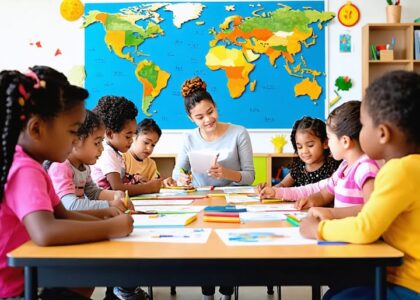
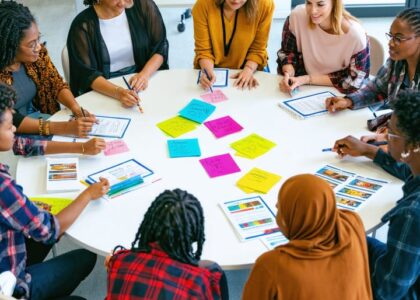
Inclusive practices transform educational environments into spaces where every student truly belongs and thrives. As the cornerstone of effective PLCs, these systematic approaches ensure equitable access to learning opportunities while celebrating diverse perspectives and learning styles. Beyond simple accommodation, inclusive practices actively engage all learners through differentiated instruction, universal design for learning, and culturally responsive teaching methods. This comprehensive framework empowers educators …

AI in Education

AI and Social-Emotional Learning: Navigating the New Education Controversy

Social-emotional learning (SEL) stands at the center of an increasingly heated educational debate, transforming from a widely-embraced pedagogical approach to a lightning rod for controversy. As AI in K-12 classrooms continues to evolve, the intersection of technology and emotional intelligence instruction has only intensified these discussions.
At its core, the SEL controversy reflects deeper societal tensions about the role of schools in children’s emotional development. Critics argue that SEL …

Individualized Learning Approaches

Transform Your Classroom with These Proven Cultural Response Strategies

Transform your classroom into a culturally responsive learning environment by integrating students’ diverse backgrounds into daily instruction, creating meaningful connections between academic content and real-world experiences. Students thrive when their cultural identities are acknowledged and celebrated, leading to increased engagement, deeper understanding, and stronger academic outcomes.
Culturally responsive teaching extends beyond surface-level diversity celebrations, demanding intentional shifts in instructional practices, assessment methods, and classroom dynamics. By recognizing and leveraging the unique cultural …

Critical Thinking & Cognitive Development

Games That Sharpen Student Minds: Making Critical Thinking Fun in K-12

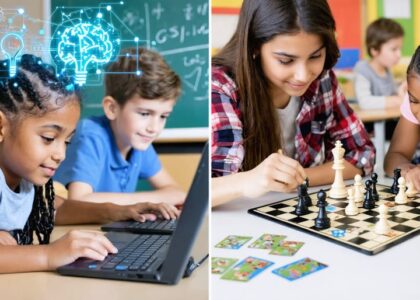
Games revolutionize the way students develop critical thinking skills, offering a powerful solution to the ongoing critical thinking crisis in education. Through strategic gameplay, students naturally engage in complex problem-solving, pattern recognition, and decision-making processes that traditional teaching methods often struggle to cultivate.
Research shows that when students tackle game-based challenges, they activate multiple cognitive pathways simultaneously – analyzing …