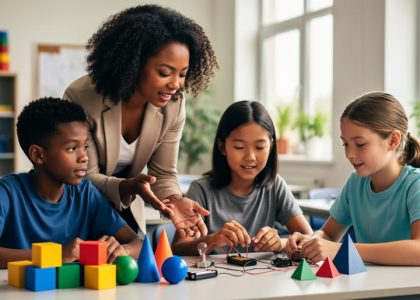
In today’s dynamic educational landscape, integrated collaborative teaching stands as a transformative approach that revolutionizes how we deliver instruction and engage students. This innovative methodology combines the expertise of multiple educators working in synchronization, creating learning environments where diverse teaching styles, perspectives, and expertise converge to benefit every student. By breaking down traditional classroom barriers and fostering genuine collaboration between educators, this approach not only enhances student learning outcomes but also promotes professional growth among teachers.
What sets integrated collaborative teaching apart is its holistic approach to education, seamlessly weaving together different subject areas, teaching methodologies, and learning styles into a cohesive educational experience. Whether it’s a special education teacher working alongside a general education instructor, or subject matter experts collaborating across disciplines, this model creates rich, multifaceted learning opportunities that better reflect real-world complexity and interconnectedness.
As schools increasingly embrace diversity and inclusion, integrated collaborative teaching emerges as a powerful tool for creating truly inclusive classrooms where every student’s needs are met through coordinated, expert instruction. This introduction explores how this revolutionary approach is reshaping education and providing educators with the framework needed to prepare students for future success.
What Makes Integrated Collaborative Teaching Different?
Traditional vs. Collaborative Teaching Models
Traditional teaching models often rely on a single teacher delivering content through direct instruction, with students primarily working independently. While this approach has its merits, it can limit student engagement and personalized learning opportunities. Students may struggle to receive individual attention, and diverse learning styles might not be adequately addressed.
In contrast, collaborative teaching models embrace a more dynamic approach where two or more educators work together to create an enriched learning environment. This setup allows for flexible grouping, differentiated instruction, and immediate support for struggling learners. Teachers can combine their unique strengths and expertise to deliver more comprehensive instruction while maintaining better classroom management.
Research shows that collaborative teaching models typically result in improved student achievement, increased engagement, and better social skills development. Students benefit from exposure to different teaching styles and perspectives, while teachers can provide more immediate feedback and individualized attention. This approach also creates natural opportunities for peer learning and helps develop important 21st-century skills like communication and teamwork.
The shift from traditional to collaborative teaching requires careful planning and commitment but offers substantial rewards for both educators and students.

Core Elements of Integration
Successful integrated collaborative teaching relies on several key elements working in harmony. First, shared responsibility between co-teachers forms the foundation, with both educators equally invested in student success and classroom management. Clear communication channels must be established, allowing teachers to plan lessons, share feedback, and address challenges effectively.
Flexibility stands as another crucial component, as teachers need to adapt their teaching styles and methods to complement each other while meeting diverse student needs. This includes being open to different approaches and willing to modify strategies based on student responses and outcomes.
Regular planning time is essential, during which teachers coordinate curriculum alignment, discuss student progress, and develop differentiated instruction strategies. This dedicated time ensures seamless integration of teaching methods and maintains consistency in educational delivery.
Professional respect and trust between co-teachers create an environment where both educators feel valued and empowered to contribute their expertise. This mutual respect extends to recognizing each other’s strengths and leveraging them effectively in the classroom.
Finally, continuous assessment and reflection help teachers evaluate the effectiveness of their collaborative efforts and make necessary adjustments to improve student learning outcomes.
Setting Up Your Collaborative Teaching Environment

Creating Effective Teaching Partnerships
Building successful teaching partnerships requires careful planning, open communication, and a shared commitment to student success. Effective teacher collaboration strategies begin with establishing clear roles and responsibilities between co-teachers. Start by scheduling regular planning meetings to discuss curriculum alignment, teaching approaches, and student needs. These meetings should occur at least weekly and provide dedicated time for both educators to contribute their expertise.
Set clear expectations early by creating a written partnership agreement that outlines communication protocols, teaching responsibilities, and shared goals. This document should be flexible enough to evolve as your partnership grows but structured enough to prevent misunderstandings. Consider including guidelines for lesson planning, grading responsibilities, and classroom management approaches.
Trust and mutual respect form the foundation of successful teaching partnerships. Make time to learn about each other’s teaching styles, strengths, and areas of expertise. Celebrate your differences – they often lead to more dynamic and engaging lessons. Practice active listening during planning sessions and be open to trying new approaches suggested by your teaching partner.
Remember that strong partnerships develop over time. Regular check-ins to discuss what’s working well and what needs adjustment help maintain a healthy collaborative relationship. Consider using collaboration tools or shared digital spaces to streamline planning and communication between meetings.
Designing Cross-Disciplinary Lessons
Designing effective cross-disciplinary lessons requires thoughtful planning and creativity to seamlessly blend multiple subject areas. Start by identifying natural connections between subjects, such as combining mathematics and art through geometric design projects, or integrating social studies and literature through historical fiction analysis.
Consider these practical strategies for lesson integration:
– Choose a central theme or essential question that spans multiple disciplines
– Map out learning objectives from each subject area
– Create authentic assessment opportunities that demonstrate mastery across subjects
– Include hands-on activities that reinforce concepts from multiple angles
When planning integrated lessons, focus on real-world applications that demonstrate how different subjects interconnect naturally. For example, a lesson on climate change could incorporate:
– Science: studying environmental systems
– Mathematics: analyzing climate data
– Language Arts: writing persuasive essays
– Social Studies: examining policy implications
– Art: creating visual representations of environmental impact
Collaborate with colleagues who teach different subjects to ensure accurate content representation and share expertise. This partnership helps create more comprehensive and engaging learning experiences. Remember to maintain clear learning objectives while allowing flexibility for student exploration and discovery. Regular reflection and adjustment of lesson plans based on student feedback and engagement will help refine your integrated teaching approach.

Best Practices for Success
Communication Protocols
Effective communication is the cornerstone of successful integrated teaching partnerships. Teaching teams should establish clear protocols for daily interactions, planning sessions, and decision-making processes. Regular check-ins, whether brief morning meetings or end-of-day debriefs, help maintain alignment and address immediate concerns. When implementing collaborative learning strategies, partners should develop shared documentation systems for lesson plans, student progress, and behavioral observations.
Digital tools like shared calendars, messaging platforms, and collaborative documents can streamline communication between co-teachers. Set aside dedicated planning time weekly to discuss upcoming lessons, student needs, and teaching strategies. Create a shared vocabulary for classroom management and instructional approaches to ensure consistency in student interactions.
Establish clear roles for various classroom scenarios, including who leads different portions of lessons and how to handle unexpected situations. Develop signals or non-verbal cues for seamless transitions and support during instruction. Remember to maintain open, honest dialogue about what’s working and what needs adjustment. Regular reflection meetings provide opportunities to celebrate successes and address challenges constructively, fostering a stronger teaching partnership and more effective learning environment.
Assessment Methods
Assessing student progress in collaborative teaching environments requires a balanced approach that considers both individual growth and group dynamics. Effective assessment techniques should incorporate multiple methods to capture the full scope of student learning and participation.
Rubrics serve as valuable tools for evaluating group projects and collaborative work, clearly outlining expectations for both process and outcomes. These can include criteria for individual contributions, teamwork skills, and final deliverables. Regular peer assessments allow students to provide feedback on their teammates’ participation and cooperation, fostering accountability and reflection.
Self-assessment portfolios enable students to document their learning journey, reflecting on their growth in both academic content and collaborative skills. Teachers can implement ongoing observational assessments using checklists or digital tools to track student interactions and engagement during group activities.
Performance-based assessments, such as group presentations or collaborative problem-solving tasks, provide authentic opportunities to evaluate both content mastery and teamwork abilities. Regular check-ins and progress monitoring help identify areas where additional support might be needed, ensuring all students benefit from the collaborative learning experience.
Remember to provide timely, constructive feedback that addresses both academic progress and social-emotional development within the collaborative setting.
Overcoming Common Challenges
While integrated collaborative teaching offers numerous benefits, educators often encounter challenges that can be effectively addressed with the right strategies and mindset. Time management frequently emerges as a primary concern, but this can be overcome by establishing regular planning blocks and using shared digital calendars to coordinate schedules. Setting aside 30 minutes before or after school for quick check-ins can make a significant difference.
Communication barriers between co-teachers can be resolved by implementing structured communication protocols. Consider using shared lesson planning templates and designated communication channels, whether through weekly meetings or collaborative digital platforms. This ensures both teachers remain aligned in their instructional goals and approaches.
Different teaching styles and philosophies may sometimes clash, but viewing these differences as opportunities rather than obstacles can enrich the learning environment. Focus on combining complementary strengths and be open to trying new approaches. Regular reflection sessions can help partners adjust their methods and find common ground.
Space constraints and classroom management issues can be addressed through creative solutions such as flexible seating arrangements and establishing clear routines for transitions between activities. Creating zones within the classroom that accommodate different teaching styles and learning needs helps maximize available space.
For educators struggling with role definition, developing a clear co-teaching agreement at the start of the partnership helps prevent confusion. This should outline responsibilities, grading procedures, and classroom management approaches. Remember that successful partnerships often evolve through open dialogue and willingness to adapt.
When facing administrative challenges, document the positive impacts of your collaborative teaching efforts through student progress data and parent feedback. This evidence can help secure necessary resources and support for your program.
Integrated collaborative teaching represents a powerful approach to creating inclusive, engaging, and effective learning environments. Throughout this discussion, we’ve explored how this teaching model brings together diverse expertise, enhances student learning outcomes, and fosters professional growth among educators.
Remember that successful implementation begins with clear communication and shared goals between teaching partners. Start small by selecting one unit or subject area for collaboration, then gradually expand as you become more comfortable with the process. Regular planning meetings, shared responsibility for student success, and ongoing assessment of teaching strategies are crucial elements for success.
Take advantage of available resources within your school community. Connect with experienced collaborative teaching pairs, join professional learning communities, and utilize digital tools for planning and communication. Consider starting a collaborative teaching support group where educators can share experiences and best practices.
Looking ahead, focus on developing sustainable practices that work for your unique classroom context. Set realistic goals, celebrate small victories, and remain flexible as you refine your approach. Remember that building an effective collaborative teaching partnership takes time and patience.
By embracing integrated collaborative teaching, you’re not just adopting a new teaching method – you’re joining a growing community of educators committed to creating more inclusive and effective learning environments for all students.