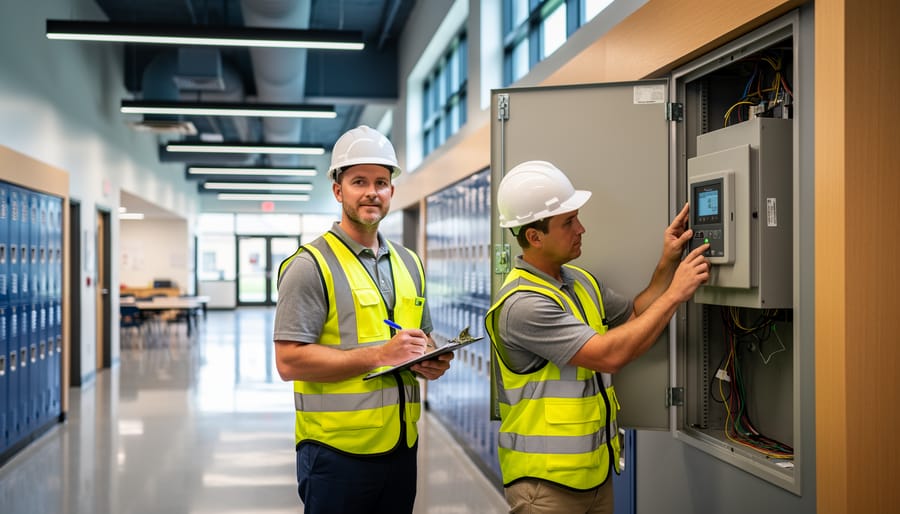
Facilities operations and management is the strategic coordination of physical infrastructure, building systems, safety protocols, and environmental resources that enable schools to function safely and effectively every day. This discipline encompasses everything from heating and air conditioning to emergency preparedness, from custodial services to capital project planning. When done well, facilities management becomes invisible to teachers and students, creating spaces where learning happens without interruption. When systems break down or planning falls short, the entire educational mission suffers.
The scope extends far beyond fixing broken equipment. Facilities leaders manage budgets that often represent 10-15% of total district spending, coordinate vendor relationships, ensure regulatory compliance across dozens of safety and environmental standards, and plan for both immediate needs and long-term infrastructure sustainability. In 2026, these professionals also navigate evolving expectations around indoor air quality, energy efficiency, accessibility standards, and flexible learning environments that support diverse teaching methods.
For administrators new to facilities oversight or those looking to strengthen their approach, understanding this role requires moving beyond reactive maintenance to proactive systems thinking. The most effective facilities operations integrate daily maintenance routines with strategic planning, staff development, and clear communication channels that connect building-level needs with district priorities.
This guide breaks down the core competencies required for successful facilities management in K-12 settings, offering practical frameworks you can adapt to your school’s unique context and resource constraints. Whether you oversee a single building or manage district-wide operations, these strategies will help you build systems that support your educational community while making the most of available resources.
What Facilities Operations and Management Covers in K-12 Schools
In practical terms, facilities operations and management in K-12 schools encompasses everything that keeps the physical environment functional, safe, and conducive to learning. This spans far more than fixing broken doors or changing light bulbs. It involves coordinating complex systems that work together to support thousands of students and staff members every day.
The scope breaks down into several interconnected areas:
- Building maintenance and repairs across all structures on campus
- Grounds care including landscaping, parking lots, and outdoor learning spaces
- Custodial services that maintain cleanliness and sanitation standards
- HVAC systems that regulate temperature and air quality throughout facilities
- Safety systems including fire alarms, security infrastructure, and emergency lighting
- Energy management to control utility costs and meet sustainability goals
- Space planning and allocation for classrooms, offices, and special-use areas
- Asset tracking to monitor equipment, furniture, and building components over time
Understanding the difference between facilities operations and facilities management helps clarify how this work gets organized. Facilities operations refers to the hands-on, day-to-day activities: responding to work orders, completing preventive maintenance tasks, addressing immediate safety concerns, and keeping daily routines running smoothly. This is where custodians clean classrooms each afternoon, technicians replace worn carpet in high-traffic areas, and groundskeepers prepare athletic fields before games.
Facilities management, by contrast, operates at the strategic level. It involves planning capital improvements over multiple years, analyzing data to optimize resource allocation, developing policies that guide operational decisions, and aligning physical infrastructure with the district’s educational mission. A facilities manager might use building condition assessments to prioritize which roofs need replacement, negotiate contracts with service vendors, or design systems that improve energy efficiency across multiple buildings.
Both functions matter equally. Strong operations ensure that the school environment works reliably today. Thoughtful management ensures it continues working effectively five and ten years from now. Neither can succeed without the other, and the best facilities leaders seamlessly integrate both perspectives into their daily work.
Core Responsibilities of School Facilities Managers
Maintenance and Preventive Care
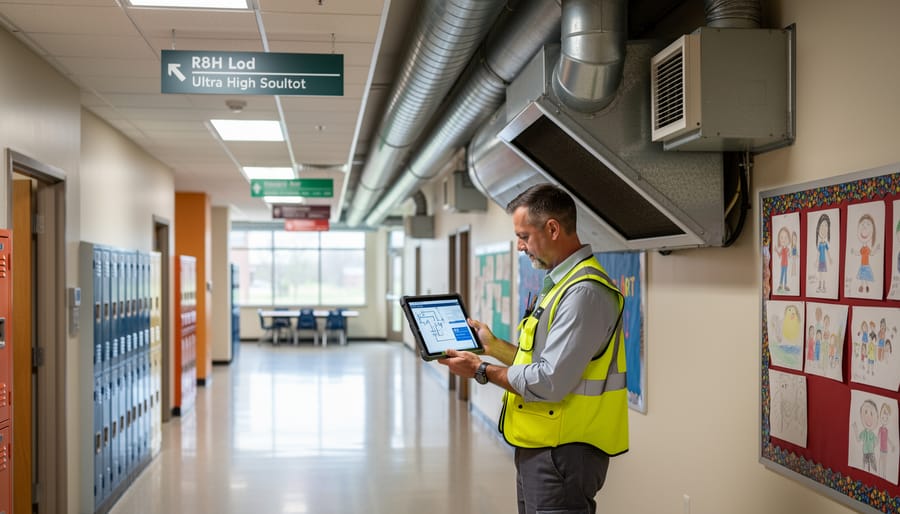
Proactive maintenance keeps schools running smoothly and prevents costly emergency repairs that disrupt instruction. A preventive care approach means addressing small issues before they become crises, replacing HVAC filters on schedule, inspecting roofs twice yearly, testing fire alarms monthly, and servicing boilers before heating season begins.
Effective preventive maintenance starts with an asset inventory: every piece of equipment, its age, manufacturer recommendations, and replacement timeline. Create a calendar that spaces out routine tasks so your team isn’t overwhelmed in September while nothing happens in February. Digital tools help, but even a shared spreadsheet with automated reminders works.
When emergencies do occur, a burst pipe, failed boiler, or electrical outage, having protocols in place minimizes chaos. Document your emergency contacts, utility shutoffs, and communication chains before you need them. Designate alternates for every role.
Long-term asset preservation means thinking beyond quick fixes. That roof patch might buy three years, but budgeting for replacement now prevents a mid-winter emergency. Preventive care isn’t glamorous, but it protects instructional time, which makes it essential to your educational mission.
Safety and Compliance Oversight
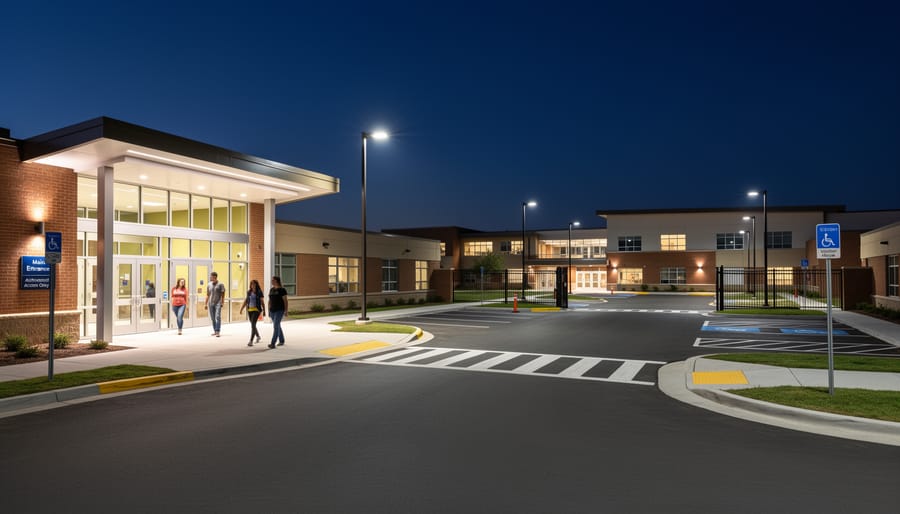
School facilities managers must navigate a complex web of regulations designed to protect students and staff. At minimum, your facilities program must address ADA accessibility standards, OSHA workplace safety rules, and state-specific federal and fire safety requirements that govern everything from exit signage to sprinkler system testing.
Effective compliance starts with a documented inspection calendar. Schedule quarterly walkthroughs for fire extinguishers and emergency exits, annual reviews of ventilation systems, and regular accessibility audits of entryways, restrooms, and classroom access routes. Assign clear ownership for each checklist and keep digital records that surveyors can quickly verify.
Emergency preparedness extends beyond lockdown drills. Your safety planning and response documents should outline procedures for weather events, utility failures, chemical spills, and medical emergencies, with designated staff roles and communication protocols. Strong crisis readiness means pre-positioned supplies, up-to-date contact lists, and annual training that includes custodial and facilities staff, not just teachers.
Documentation proves your diligence when incidents occur or inspectors arrive. Maintain inspection logs, training sign-in sheets, work orders for safety-related repairs, and dated photos showing corrective action. This paper trail protects the district legally and demonstrates your commitment to creating a genuinely safe learning environment.
Budget and Resource Allocation
Effective facilities budgeting starts with a clear multi-year capital plan that prioritizes health, safety, and mission-critical needs before cosmetic upgrades. Break your annual budget into predictable operational costs (utilities, routine maintenance, supplies) and reserve funds for unexpected repairs, aim for at least 2-3% of your total facilities replacement value in contingency.
When requesting funding, present data-driven narratives: show how a roof replacement protects technology investments, or how HVAC upgrades reduce sick days and improve test scores. Board members respond to cost-benefit analysis and clear timelines, not just lists of repairs.
Vendor management begins with strong relationships built on transparent expectations. Develop a qualified vendor pool through competitive bidding, but don’t always choose the lowest bid, consider responsiveness, quality, and reliability. Establish clear service-level agreements and payment schedules, and maintain detailed records of contractor performance.
Leverage community partnerships and cooperative purchasing agreements to stretch limited dollars. Join regional consortiums for bulk pricing on supplies, equipment, and services. Some districts successfully negotiate extended payment terms or performance-based contracts that align vendor incentives with school outcomes, reducing upfront cash demands while ensuring quality work.
Building an Effective Facilities Operations System
Building a sustainable facilities operations system doesn’t require expensive consultants or complex software, it requires clear thinking about what matters most in your school and a methodical approach to improvement. The framework that follows works whether you’re starting from scratch or refining an existing system.
Start by understanding your current state. Walk every building with a clipboard, camera, and at least one custodian who knows the quirks of your physical plant. Document what works, what breaks frequently, what safety concerns keep surfacing, and which spaces teachers consistently complain about. This audit shouldn’t take weeks; a thorough assessment of a typical elementary school can happen in two to three days. Look beyond obvious problems, note energy inefficiencies, accessibility gaps, and deferred maintenance that will become expensive emergencies if ignored.
Once you’ve gathered this baseline information, use it to build your improvement roadmap:
- Conduct a comprehensive facilities audit covering safety, functionality, and regulatory compliance. Include input from teachers, custodians, and maintenance staff who interact with spaces daily.
- Prioritize needs based on three factors: safety impact, effect on learning, and cost of delay. A leaking roof over a classroom ranks higher than cosmetic improvements to the front office.
- Establish standard operating procedures for routine tasks, opening and closing buildings, responding to work requests, performing seasonal maintenance, and handling emergency planning. Write these down, even if they seem obvious.
- Implement a work order system that tracks requests from submission through completion. This can be as simple as a shared spreadsheet initially, though purpose-built platforms offer advantages as your system matures.
- Train everyone who touches facilities operations on your new procedures. Include office staff who receive maintenance calls, teachers who submit requests, and custodians whose daily routines may need adjustment.
- Create feedback loops that surface problems early. Schedule monthly check-ins with building users, track recurring issues in your work order data, and review close-call safety incidents to prevent future problems.
The most successful school facilities systems share a common characteristic: they’re built around communication, not hierarchy. Your custodial staff know when equipment is failing before it breaks completely. Teachers notice patterns in temperature complaints that signal HVAC issues. Students report damage or safety concerns that adults miss. Build channels that capture this intelligence and act on it.
Start small with one building or one operational area, prove the system works, then expand. A perfectly designed system that overwhelms your team won’t survive the first budget crisis or staff turnover. A simple system that everyone actually uses will evolve naturally as your capacity grows. The goal isn’t perfection in month one, it’s creating a foundation that improves incrementally while keeping your buildings safe, functional, and focused on learning.
Technology and Tools for Modern Facilities Management
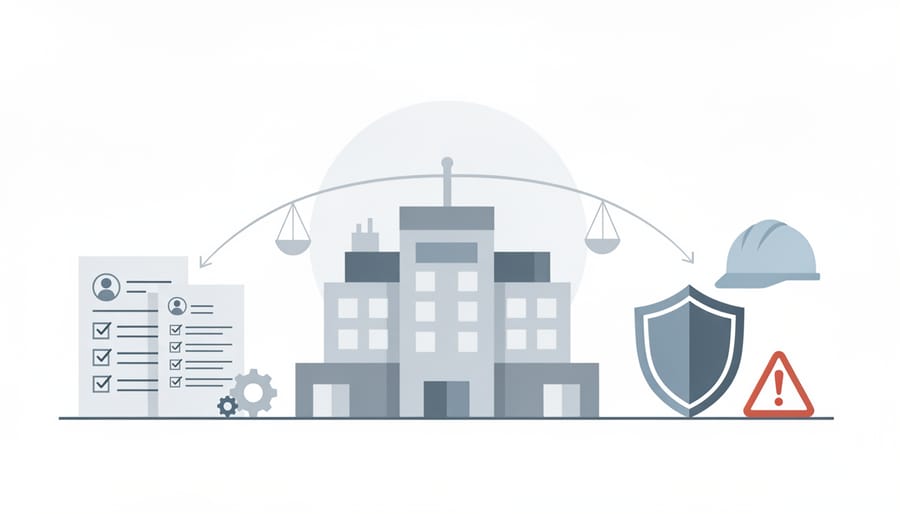
Technology has transformed how schools manage facilities, making it easier to track maintenance, control costs, and respond quickly to issues. The good news? You don’t need enterprise-level budgets to benefit from these tools.
Computerized Maintenance Management Systems (CMMS) serve as the backbone of modern facilities operations. These platforms let you schedule preventive maintenance, track work orders, maintain asset inventories, and generate reports, all from one dashboard. Cloud-based options like SchoolDude (now Dude Solutions) and Fiix are specifically designed for educational facilities, with pricing models that scale to your building count. Even a basic CMMS eliminates the chaos of paper work orders and sticky-note reminders, helping small teams accomplish more.
Energy monitoring platforms offer another high-impact opportunity. Real-time tracking of electricity, gas, and water usage reveals patterns you’d otherwise miss: HVAC systems running during breaks, lighting schedules that need adjustment, or equipment failures that spike consumption. Many utility companies partner with schools to provide monitoring dashboards at reduced cost or free, making this accessible even for districts watching every dollar. The data supports both immediate fixes and long-term capital planning conversations with your board.
Mobile work order apps put facilities management in staff pockets. Custodians can photograph issues, update job status, and access building plans from their phones rather than returning to an office. Teachers submit requests with a few taps instead of phone calls or emails. This speed matters, a leaking pipe reported and addressed within an hour prevents the damage that happens when it waits until someone checks their voicemail. Mobile tools also improve stakeholder communication by giving principals and business managers visibility into what’s happening across their buildings in real time.
Start with one tool that addresses your biggest pain point rather than trying to implement everything at once. A work order system solves chaos. Energy monitoring tackles runaway utility bills. Pick what hurts most, implement it well, then expand from there.
Common Challenges and Practical Solutions
School facilities leaders face recurring challenges that test even the most experienced professionals. While obstacles vary by district size and location, certain patterns emerge consistently, and so do practical solutions that work.
Budget constraints top the list. Most schools operate with limited capital reserves and competing priorities. Rather than viewing tight budgets as insurmountable, effective facilities managers shift toward preventive maintenance that reduces costly emergency repairs. They build multi-year capital improvement plans that prioritize high-impact projects, making it easier to justify spending to boards and communities. Some create facilities reserve funds by redirecting a small percentage of annual savings from energy efficiency improvements back into maintenance budgets.
Aging infrastructure compounds budget pressures. Many school buildings exceed fifty years old, with outdated mechanical systems, deteriorating roofs, and accessibility issues. Smart leaders conduct facilities condition assessments to document deferred maintenance costs in concrete terms, helping stakeholders understand the true cost of inaction. They pursue creative financing options including bonds, state grants, and energy performance contracting that allows infrastructure upgrades with no upfront capital outlay.
Staffing shortages create operational bottlenecks. Custodial and maintenance positions often remain unfilled for months, overwhelming existing staff. Successful solutions include cross-training team members to handle multiple functions, developing a leadership pipeline that promotes from within, and strategically outsourcing specialized tasks while keeping core functions in-house. Some districts have improved retention by offering competitive wages, flexible schedules, and clear advancement pathways.
Communication gaps between facilities teams and instructional staff create friction. Teachers may not understand how to submit work orders properly, or why certain repairs take weeks. Facilities managers who establish regular communication channels, create simple request systems, and explain the “why” behind timelines see dramatic improvements in relationships. Monthly updates to principals about completed projects and upcoming maintenance help everyone stay informed.
These challenges rarely disappear completely, but they become manageable when addressed systematically rather than crisis by crisis.
Questions School Leaders Ask About Facilities Operations
School leaders wrestling with facilities operations often face similar dilemmas. Whether you’re hiring your first facilities manager or trying to improve an existing system, these questions reflect the real concerns educators bring to this work.
What qualifications should a facilities manager have?
Look for a combination of technical knowledge (HVAC, electrical, plumbing basics), project management experience, and strong communication skills to work with educators and vendors. Formal credentials like Certified Educational Facilities Professional (CEFP) are valuable but not always essential if someone has relevant experience and a commitment to learning the unique demands of school environments.
How do we balance maintenance needs with limited budgets?
Prioritize preventive maintenance for systems that directly affect safety and learning (HVAC, roofs, fire systems), as deferred maintenance typically costs three to four times more when it becomes an emergency. Create a transparent priority matrix that shows stakeholders which repairs prevent bigger problems versus which can wait, making budget discussions more productive.
When should we outsource versus keep operations in-house?
Outsource specialized work requiring certifications or expensive equipment you’d use infrequently (elevator maintenance, asbestos abatement), but keep daily operations and emergency response in-house where speed and institutional knowledge matter most. The best approach is often hybrid: core staff who know your buildings intimately, supported by contractors for specialized projects.
What are red flags that our facilities operations need improvement?
Watch for recurring complaints about the same issues, maintenance requests sitting unaddressed for weeks, frequent emergency repairs that should have been preventable, or teachers improvising workarounds because systems don’t function properly. If your facilities team spends all their time reacting to crises rather than completing scheduled maintenance, the underlying system needs restructuring.
Beyond these fundamentals, leaders also wonder about staffing ratios. While this varies by building age and square footage, a common benchmark is one maintenance worker per 50,000 square feet of building space, with at least one full-time facilities director for districts managing multiple buildings. Smaller schools might share facilities staff across a region or rely more heavily on contracted services for specialized work.
Long-term planning questions surface frequently too. Effective facilities leaders recommend maintaining a ten-year capital improvement plan that’s updated annually, even if funding isn’t secured for everything on the list. This document becomes your roadmap during budget discussions and helps boards understand the cumulative cost of deferring needed work. Include realistic cost estimates and consequences of delay for each item so decision-makers can weigh priorities against available resources.
Performance measurement often feels ambiguous in facilities work. Track metrics that matter to educational mission: average response time to work orders, percentage of scheduled maintenance completed on time, energy costs per square foot compared to similar buildings, and user satisfaction through brief quarterly surveys of teachers and staff. These indicators help you demonstrate value and identify areas needing attention before they become visible problems.
Effective facilities operations and management isn’t background work, it’s the foundation that makes everything else in your school possible. When your buildings are safe, your systems run smoothly, and your spaces support learning, teachers can focus on teaching and students can focus on growing. When facilities issues create constant distractions, everyone pays the price in lost instructional time and diminished morale.
The most successful school leaders recognize facilities management as a strategic priority, not an afterthought. They know that investing in preventive maintenance today prevents expensive emergencies tomorrow. They understand that a well-managed facility communicates respect for students, staff, and community. They see their facilities leaders as essential partners in achieving the school’s educational mission.
If you’re feeling overwhelmed by the scope of facilities responsibilities, you’re not alone. Most school administrators face similar challenges with budget constraints, aging infrastructure, and competing priorities. The good news? You don’t have to figure it out in isolation.
Connect with other school leaders in our community forums to share strategies, ask questions, and learn what’s working in schools like yours. Explore our interactive planning tools to assess your current facilities operations and identify your next steps. Small, consistent improvements in how you manage your facilities create lasting benefits for everyone in your school community.
Your building isn’t just a structure, it’s where learning happens. Treat facilities operations with the strategic attention it deserves, and you’ll create an environment where both students and staff can thrive.