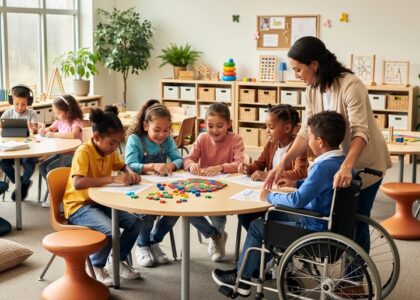
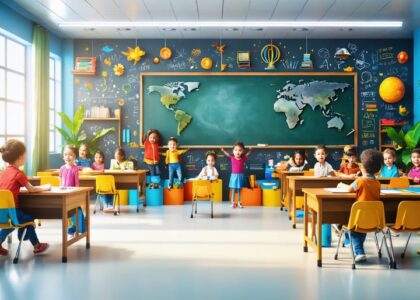
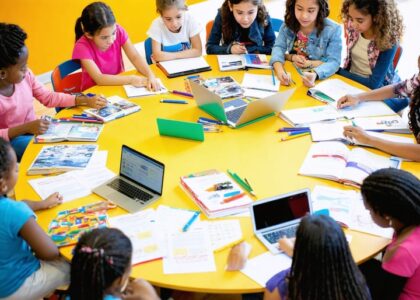
Transform traditional classrooms into dynamic learning spaces where every student thrives through proven inclusive classroom strategies. Redesign physical spaces with flexible seating arrangements, sensory-friendly lighting, and accessible technology stations that accommodate diverse learning needs. Implement Universal Design for Learning principles by offering multiple ways to engage with content, express understanding, and connect with peers. Foster a culture of belonging by establishing clear communication channels, celebrating diverse perspectives, and creating opportunities for meaningful student collaboration. Modern inclusive learning environments go beyond physical adaptations—they embrace neurodiversity, cultural differences, and varied learning styles while maintaining high academic standards for all learners. These environments empower educators to meet students where they are, providing scaffolded support that enables every child to reach their full potential.
Understanding Diverse Learning Needs
Cultural and Linguistic Diversity
Creating an inclusive learning environment requires thoughtful consideration of students’ diverse cultural backgrounds and language needs. Teachers can foster cultural inclusivity by incorporating multicultural perspectives into their curriculum and celebrating different cultural traditions throughout the academic year. When supporting multilingual learners, it’s essential to provide dual-language resources and visual aids that help bridge language gaps.
Consider displaying multicultural artwork, literature, and educational materials that reflect the diversity of your classroom. Create opportunities for students to share their cultural experiences through projects, presentations, and classroom discussions. This not only validates their identities but also enriches the learning experience for all students.
Language support strategies might include peer mentoring, translated materials, and allowing students to express their understanding in multiple ways. Collaborate with families and cultural liaisons to ensure accurate cultural representation and effective communication. Remember that creating a culturally responsive classroom is an ongoing process that requires regular reflection and adaptation based on your students’ needs.
Learning Differences and Abilities
Every student brings unique learning abilities and preferences to the classroom. Understanding these differences is crucial for creating an environment where all students can thrive. Some students may excel with visual learning, while others learn better through auditory or kinesthetic approaches. Similarly, learning abilities can vary significantly, from students who process information quickly to those who need additional time or alternative methods.
To accommodate these differences, implement a variety of teaching strategies. Use multi-sensory approaches that combine visual aids, hands-on activities, and verbal instruction. Provide information in multiple formats, such as written text, audio recordings, and visual presentations. This ensures that students can access content in ways that work best for them.
Consider offering flexible seating arrangements and varied work spaces that support different learning styles. Some students might work better at traditional desks, while others may prefer alternative seating options or quiet corners for focused work. Regular assessment of student needs and ongoing adjustments to teaching methods will help ensure that all learners can participate fully and achieve their potential.
Remember that learning differences are not deficits but opportunities to diversify your teaching approach and enrich the classroom experience for everyone.

Physical and Digital Space Design
Classroom Layout and Organization
The physical arrangement of your classroom plays a crucial role in creating an inclusive learning environment. Start by ensuring clear pathways between desks or tables, allowing at least 36 inches of space for wheelchair access and easy movement. Consider flexible seating arrangements that can be easily modified for different learning activities and student needs.
Position furniture to create both collaborative spaces and quiet areas for students who may need reduced sensory input. Use clearly labeled storage systems at various heights to ensure all students can access materials independently. Visual cues, such as color-coding and picture labels, help support different learning styles and language abilities.
Lighting should be adjustable to accommodate students with sensory sensitivities. Natural light is ideal, but ensure you can control glare with adjustable blinds. Consider using noise-reducing materials like carpet squares or tennis balls on chair legs to create a more comfortable acoustic environment.
Create designated spaces for different activities: a reading corner with comfortable seating, a calming area for students who need breaks, and clearly defined areas for group work. Display student work at various heights and ensure bulletin boards are accessible to all viewers.
Remember to regularly assess your layout by observing how students navigate and use the space, making adjustments based on their needs and feedback. A well-organized classroom supports both independent learning and collaborative activities while maintaining clear sightlines for supervision.

Digital Accessibility
In today’s digital age, ensuring that online learning resources are accessible to all students is crucial for creating an inclusive classroom environment. Teachers should prioritize using digital accessibility tools that accommodate various learning needs and abilities.
Start by ensuring all digital content is screen-reader friendly and includes appropriate alt text for images. Provide captions for videos and transcripts for audio content. Consider using adjustable text sizes and high-contrast color schemes to support students with visual impairments. When selecting online platforms and applications, choose those that support keyboard navigation and are compatible with assistive technologies.
Document accessibility is equally important. Create materials in formats that can be easily converted or adjusted to meet individual needs. Use clear, consistent layouts and organize content logically. Consider providing multiple format options for assignments and assessments, allowing students to demonstrate their learning in ways that work best for them.
Remember to regularly check in with students about their digital accessibility needs and make adjustments accordingly. Train students on how to use accessibility features and encourage them to communicate any challenges they encounter. By making digital accessibility a priority, you create an environment where all students can engage fully with learning materials and participate meaningfully in class activities.
Teaching Strategies for Inclusion
Universal Design for Learning
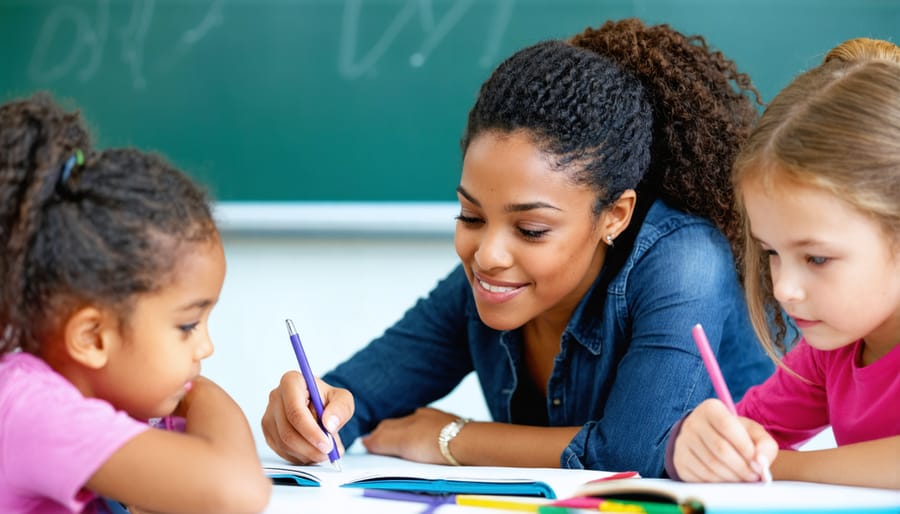
Universal Design for Learning (UDL) is a powerful framework that helps educators create lessons that work for all students, regardless of their learning preferences or needs. By implementing UDL principles in your lesson planning, you can proactively address diverse learning needs rather than making accommodations after the fact.
Start by providing multiple means of engagement. Offer choices in how students interact with the material, such as allowing them to work individually or in groups, or giving options for project formats. This autonomy increases motivation and helps students take ownership of their learning.
When presenting information, incorporate various representation methods. Combine visual aids, audio elements, and hands-on activities to ensure content is accessible to different learning styles. For example, when teaching a new concept, you might use diagrams, verbal explanations, and physical demonstrations simultaneously.
Create multiple paths for student expression and assessment. Allow students to demonstrate their understanding through various formats, such as written work, oral presentations, visual projects, or digital creations. This flexibility ensures that all students can showcase their knowledge in ways that best suit their strengths.
Consider incorporating technology tools that support UDL principles. Digital platforms can offer text-to-speech features, closed captions, or alternative text descriptions for images. These tools help remove barriers to learning and create a more inclusive environment.
Remember to regularly review and adjust your UDL strategies based on student feedback and outcomes. What works for one class might need modification for another, so maintain flexibility in your approach while keeping the core principles of accessibility and inclusion at the forefront of your planning.
Differentiated Instruction
Differentiated instruction is the cornerstone of an inclusive classroom, ensuring that every student has access to learning opportunities that match their unique needs and abilities. To implement effective differentiation, start by conducting regular assessments to understand your students’ learning styles, preferences, and current skill levels.
Consider using a variety of instructional approaches to present content. For example, combine visual aids with verbal explanations, offer hands-on activities, and incorporate digital tools to accommodate different learning preferences. When assigning tasks, provide multiple options for students to demonstrate their understanding – some might excel at written reports, while others might better express their knowledge through presentations or creative projects.
Flexible grouping strategies can enhance learning experiences. Mix up group compositions based on interests, abilities, or learning goals. This approach allows students to both support and challenge each other while developing collaborative skills. Remember to adjust the pace and complexity of instruction as needed, offering additional support or enrichment activities accordingly.
Technology can be a powerful tool for differentiation. Use adaptive learning platforms that automatically adjust to student progress, or implement assistive technologies that help students overcome specific challenges. Create stations or centers in your classroom where students can work at their own pace on tailored activities.
Most importantly, maintain high expectations for all students while providing the necessary scaffolding for success. Regular monitoring and adjustment of your differentiation strategies ensure they remain effective and responsive to student needs. Document what works well for individual students and share successful approaches with colleagues to build a broader repository of differentiation techniques.
Building an Inclusive Classroom Community
Establishing Classroom Norms
Establishing inclusive classroom norms begins with collaborative input from all students, ensuring everyone feels valued and heard in the process. Start by facilitating a class discussion about what makes students feel safe, respected, and supported in their learning environment. Guide students to create rules that promote equity, respect for diversity, and mutual understanding.
Consider using a “classroom constitution” approach where students collectively draft and agree upon key expectations. Essential norms might include using inclusive language, respecting different perspectives, practicing active listening, and maintaining confidentiality during personal discussions. Make sure these norms are visible and accessible to all students, perhaps through visual displays or multi-language presentations.
Regularly revisit and refine these norms throughout the school year, allowing for adjustments as your classroom community evolves. When establishing consequences for norm violations, focus on restorative practices rather than punitive measures. This approach helps students understand the impact of their actions and promotes personal growth.
Remember to model these norms consistently in your own behavior. When you demonstrate respect, active listening, and inclusive practices, students are more likely to follow suit. Consider implementing regular check-ins where students can reflect on how well the class is maintaining these norms and suggest improvements.
Create accountability systems that empower students to uphold these norms independently, such as peer mediators or classroom councils. This shared responsibility helps build a stronger, more inclusive classroom community where every student feels they belong.
Promoting Student Voice
Empowering student voice is fundamental to creating an inclusive learning environment where every student feels valued and heard. Start by establishing regular feedback mechanisms, such as suggestion boxes, class meetings, or digital surveys, that allow students to share their thoughts about their learning experience.
Create opportunities for students to make meaningful choices about their learning journey. This might include letting them choose project topics, presentation formats, or assessment methods when appropriate. Implement think-pair-share activities and small group discussions where students can express their ideas in comfortable settings before sharing with the larger class.
Consider implementing a student advisory board that meets regularly to discuss classroom policies and learning activities. This gives students direct input into their educational experience while developing leadership skills. Use exit tickets at the end of lessons to gather immediate feedback about what worked well and what needs clarification.
Digital tools can also amplify student voices. Online discussion boards, collaborative documents, and classroom apps provide alternative platforms for students who may be hesitant to speak up in traditional settings. Remember to acknowledge and act on student feedback visibly – when students see their input creating positive change, they’re more likely to continue participating actively in the learning community.
Most importantly, create a classroom culture where all perspectives are welcomed and valued. Celebrate diverse viewpoints and encourage respectful dialogue about different experiences and ideas.
Creating an inclusive learning environment is an ongoing journey that requires dedication, adaptability, and continuous reflection. By implementing the strategies discussed throughout this article, educators can make significant strides in ensuring every student feels valued, supported, and empowered to succeed.
Remember that small changes can have a big impact. Start by assessing your current classroom environment and identifying areas where you can make immediate improvements. Whether it’s rearranging the physical space to accommodate different learning styles, incorporating diverse perspectives into your curriculum, or adopting more flexible teaching methods, each step forward matters.
Engage with your fellow educators and share experiences through professional learning communities. The collective wisdom of your peers can provide valuable insights and innovative solutions to common challenges. Don’t hesitate to seek feedback from students and their families, as their perspectives are crucial in shaping truly inclusive spaces.
Most importantly, maintain a growth mindset. What works for one group of students may need adjustment for another, and that’s perfectly normal. Stay committed to learning, adapting, and evolving your inclusive practices. Your efforts in creating a welcoming, supportive environment will have lasting positive effects on your students’ academic success and personal growth.
Together, we can build learning environments where every student thrives. Start implementing these strategies today, and watch your classroom transform into a more inclusive, engaging, and successful learning community.