Social-emotional learning (SEL) stands at the center of an increasingly heated educational debate, transforming from a widely-embraced pedagogical approach to a lightning rod for controversy. As AI in K-12 classrooms continues to evolve, the intersection of technology and emotional intelligence instruction has only intensified these discussions.
At its core, the SEL controversy reflects deeper societal tensions about the role of schools in children’s emotional development. Critics argue that SEL programs overreach into family domains and potentially promote specific ideological viewpoints, while supporters maintain that these skills are essential for student success in both academic and life outcomes.
For educators navigating this complex landscape, the challenge lies in balancing the demonstrated benefits of SEL—improved academic performance, reduced behavioral issues, and enhanced student well-being—against mounting concerns from parents and community stakeholders about curriculum content and implementation methods.
This divide has practical implications for classroom teachers, who must now carefully consider how to integrate social-emotional learning while addressing diverse perspectives and maintaining transparent communication with families. Understanding both sides of this debate becomes crucial for developing effective, inclusive approaches that serve all students while respecting varied community values.
As we explore this multifaceted issue, we’ll examine the key points of contention, share evidence-based practices, and offer practical guidance for implementing SEL in ways that build consensus rather than conflict.
Understanding the Social-Emotional Learning Debate
Traditional SEL vs. AI-Enhanced SEL
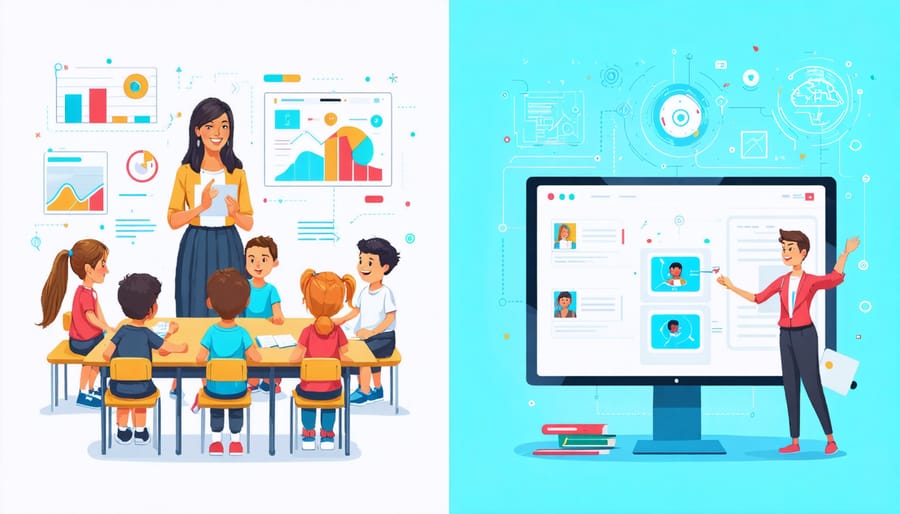
Traditional SEL programs rely on face-to-face interactions, paper-based assessments, and manual tracking of student progress. Teachers typically deliver these lessons through group discussions, role-playing activities, and worksheet-based exercises, which while effective, can be time-consuming and resource-intensive.
In contrast, AI-enhanced SEL introduces adaptive learning pathways that respond to individual student needs in real-time. Digital platforms can track emotional responses, engagement levels, and social interactions, providing immediate feedback and personalized intervention strategies. These tools often include interactive scenarios, virtual role-playing experiences, and emotion recognition features that complement traditional teaching methods.
While AI-powered solutions offer scalability and data-driven insights, they shouldn’t completely replace human-led instruction. The most effective approach combines both methodologies: using AI to enhance monitoring and personalization while maintaining the authentic human connections that are fundamental to social-emotional development. This hybrid model allows educators to leverage technology for efficiency while preserving the empathy and nuanced understanding that only human teachers can provide.
The key is finding the right balance that serves your students’ unique needs while addressing valid concerns about data privacy and screen time.
Key Points of Controversy
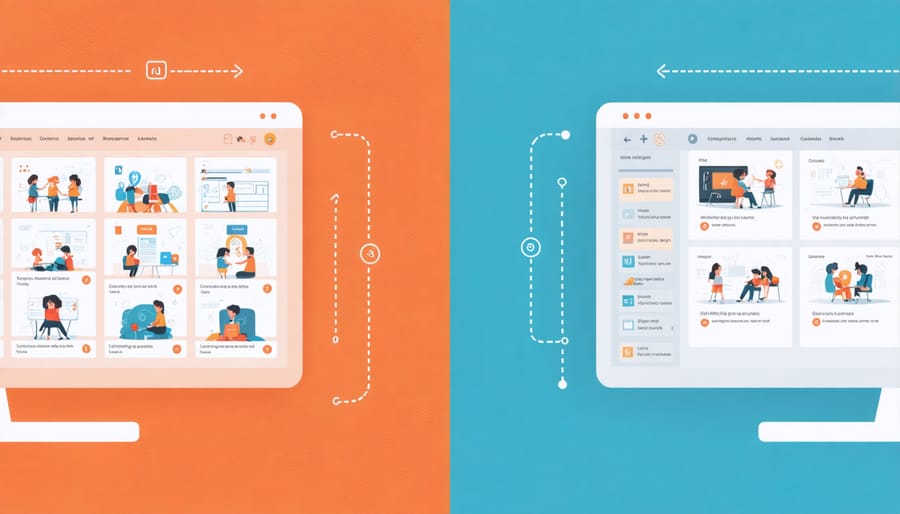
The debate around social-emotional learning has centered on several key concerns raised by different groups within the educational community and broader society. Parents have expressed worry about the potential overlap between SEL instruction and personal values traditionally taught at home. Some argue that time spent on SEL activities might reduce focus on core academic subjects.
Another significant point of contention involves data privacy and the collection of sensitive information about students’ emotional states and personal experiences. Educators and administrators must carefully balance the benefits of tracking student progress with protecting student privacy.
Cultural sensitivity represents another crucial consideration, as SEL programs must effectively serve diverse student populations while respecting various cultural approaches to emotional expression and social interaction. Some communities have questioned whether standardized SEL frameworks adequately reflect their cultural values and practices.
Implementation challenges also spark debate, particularly regarding teacher preparation and resource allocation. Questions arise about whether educators receive sufficient training to deliver SEL instruction effectively and how schools can sustainably fund these programs while meeting other educational priorities.
These concerns highlight the importance of transparent communication between schools and families, along with thoughtful program development that considers multiple perspectives.
Privacy and Data Concerns in AI-Enabled SEL
Student Data Protection
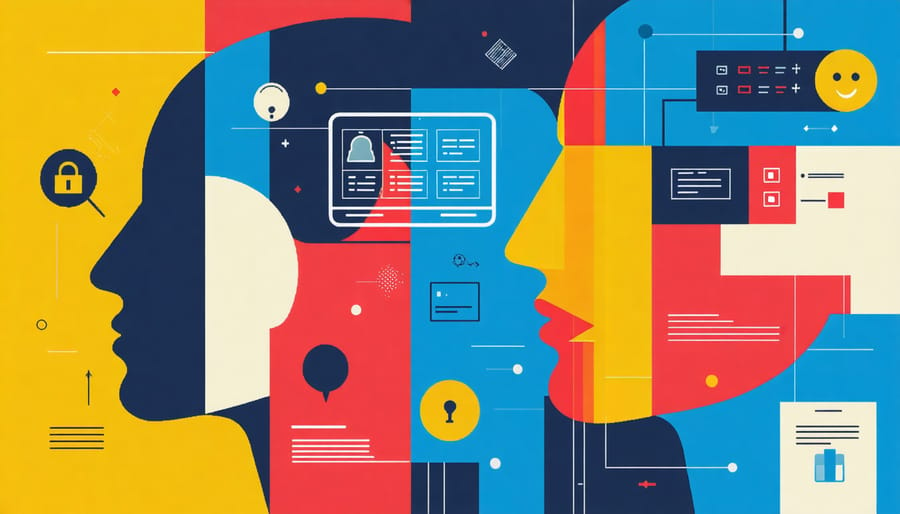
The collection of student emotional data through SEL platforms raises important privacy considerations that educators must carefully navigate. Schools implementing AI-enabled SEL tools should establish a robust student data protection framework to safeguard sensitive information about students’ emotional well-being and personal growth.
Key protective measures include securing parental consent, maintaining transparent data collection policies, and ensuring that emotional data is stored securely with limited access. Educators should also be mindful of how this information is shared within the school system and with third-party vendors.
Regular audits of data collection practices help ensure compliance with privacy regulations like FERPA and COPPA. Schools should implement clear protocols for data retention and deletion, particularly when students graduate or transfer to different institutions.
It’s essential to balance the benefits of tracking student emotional progress with privacy concerns. Educators can achieve this by:
– Using anonymized data when possible
– Limiting collected information to what’s necessary
– Training staff on proper data handling
– Regularly communicating with families about data usage
– Providing opt-out options for families who express concerns
These safeguards help maintain trust while allowing schools to support students’ social-emotional development effectively.
Ethical Considerations
The integration of AI systems to monitor student emotions raises significant ethical considerations that educators must carefully evaluate. Privacy concerns stand at the forefront, as these systems collect and analyze sensitive emotional data from students. Questions arise about data storage, access controls, and the potential long-term impact on students’ digital footprints.
Equity and bias present another crucial consideration. AI systems may not accurately interpret emotional expressions across different cultural backgrounds, potentially leading to misunderstandings or inappropriate interventions. Some students might feel uncomfortable being monitored, which could affect their natural emotional expression and development.
There’s also the question of consent and transparency. Schools must consider how to effectively communicate with families about emotional monitoring systems and ensure proper permissions are obtained. Young students may not fully understand the implications of having their emotions tracked, raising concerns about informed consent.
Additionally, educators should consider the balance between technological support and human connection. While AI can provide valuable insights, it shouldn’t replace the authentic human relationships essential for emotional development. The technology should enhance, rather than diminish, the teacher’s role in supporting students’ social-emotional growth.
These ethical considerations require ongoing dialogue within school communities to establish clear guidelines and boundaries for AI-enabled SEL implementation.
Balancing Innovation and Tradition
Best Practices for Implementation
To effectively implement social-emotional learning while addressing concerns, educators should follow a balanced, transparent approach. Begin with a student-centered AI implementation strategy that prioritizes individual needs while maintaining clear boundaries and oversight.
Start by establishing open communication channels with parents and stakeholders. Share your SEL curriculum goals, implementation methods, and data privacy measures. Create opportunities for families to review materials and provide feedback before full implementation.
Incorporate regular assessment checkpoints to monitor both the effectiveness of the program and student comfort levels. Use a mix of quantitative and qualitative feedback methods, including student surveys, parent conferences, and teacher observations.
Set clear guidelines for AI tool usage in SEL activities. Ensure that technology enhances rather than replaces human interaction. Maintain a healthy balance between digital and traditional learning approaches, with face-to-face discussions remaining central to emotional development.
Build in flexibility to accommodate diverse cultural perspectives and individual student needs. Allow for modifications and opt-out options when necessary, while maintaining the program’s core objectives.
Regular staff training is essential. Ensure educators are well-versed in both the technical aspects of AI-SEL tools and the emotional intelligence needed to guide students through sensitive discussions. Create support networks where teachers can share experiences and best practices.
Building Trust with Stakeholders
Building trust around social-emotional learning requires open dialogue and transparent communication with all stakeholders. Start by hosting informational sessions where parents, teachers, and administrators can voice their concerns and ask questions. These meetings should be collaborative rather than prescriptive, emphasizing that everyone shares the common goal of supporting students’ wellbeing and academic success.
Create clear communication channels through newsletters, dedicated email addresses, and regular updates about SEL implementation. Share success stories and concrete examples of how SEL benefits students, using data and real-world outcomes when possible. Consider establishing a stakeholder advisory committee that includes representatives from all groups to provide ongoing feedback and guidance.
For teachers, provide comprehensive professional development opportunities and ensure they have the resources needed to implement SEL effectively. Address concerns about curriculum integration and time management by offering practical strategies and flexible implementation models.
When working with parents, respect cultural differences and acknowledge varying perspectives on emotional education. Provide resources in multiple languages and consider cultural contexts when developing SEL activities. Be responsive to feedback and willing to adjust approaches based on community input.
For administrators, demonstrate how SEL aligns with existing educational goals and standards. Present evidence-based research showing the positive impact on academic performance, attendance, and school climate. Regular progress updates and transparent reporting help maintain administrative support and ensure continued program success.

Future Directions and Recommendations
Policy Considerations
As educators navigate the implementation of social-emotional learning programs, clear policy guidelines become increasingly important. Schools need comprehensive frameworks that protect student privacy, ensure equitable access, and maintain transparency in SEL practices. These policies should address data collection methods, storage protocols, and usage limitations while establishing clear boundaries for parent involvement and consent.
Districts should develop specific guidelines for selecting and evaluating SEL programs, including criteria for cultural sensitivity and inclusivity. Regular assessment of program effectiveness and impact should be mandated, with clear reporting mechanisms to stakeholders. Training requirements for educators implementing SEL programs need to be standardized to ensure consistent quality across classrooms.
Policy considerations should also focus on creating flexibility within implementation frameworks, allowing schools to adapt programs to their unique community needs while maintaining core SEL objectives. Funding allocation guidelines need to address resource distribution equitably, ensuring all schools can access quality SEL programming and professional development opportunities.
Regular policy review and updates, informed by educator feedback and emerging research, will help maintain the relevance and effectiveness of SEL programs while addressing ongoing concerns from various stakeholders.
Technology Adaptations
As educators explore ways of integrating AI without overwhelm, developers are actively working to address concerns about AI-enabled SEL tools. Recent improvements include enhanced privacy controls that give schools greater authority over student data collection and storage. Customizable dashboards now allow teachers to adjust sensitivity levels for emotional detection, ensuring more culturally responsive interpretations of student expressions and behaviors.
Adaptive learning algorithms are being refined to recognize diverse communication styles and emotional expressions across different cultural contexts. These improvements help reduce bias and increase the accuracy of emotional assessment across student populations. Additionally, new features enable greater transparency, allowing educators and families to better understand how the AI makes its determinations.
Some platforms now incorporate regular human oversight and verification processes, combining AI capabilities with educator expertise. This hybrid approach maintains the benefits of automated emotional learning support while ensuring appropriate human judgment in sensitive situations. These technological adaptations demonstrate the industry’s commitment to addressing ethical concerns while enhancing the educational value of AI-SEL tools.
As we navigate the complex landscape of social-emotional learning implementation, it’s crucial to remember that the controversy surrounding SEL presents both challenges and opportunities for growth. By staying informed about concerns while focusing on evidence-based practices, educators can create balanced, inclusive programs that benefit all students.
Consider these key takeaways as you move forward:
First, maintain open dialogue with parents and stakeholders about your SEL program’s goals and methods. Transparency builds trust and addresses concerns proactively. Document and share positive outcomes while remaining receptive to feedback and suggestions for improvement.
Second, customize your approach to fit your school’s unique community needs. One size doesn’t fit all in SEL implementation. Draw from diverse perspectives and cultural backgrounds when selecting materials and activities.
Third, focus on measurable outcomes while maintaining program flexibility. Regular assessment and adjustment ensure your SEL initiatives remain effective and relevant.
Finally, remember that you’re not alone in this journey. Connect with fellow educators through professional learning communities and share successful strategies. Many schools have successfully navigated SEL implementation while addressing community concerns.
By approaching SEL with mindfulness, cultural sensitivity, and a commitment to continuous improvement, educators can create programs that support students’ social-emotional development while respecting diverse viewpoints and values. Your dedication to finding this balance makes a meaningful difference in students’ lives.