In today’s data-rich educational landscape, transforming raw numbers into meaningful student success stories isn’t just possible—it’s essential. Data-driven education represents a fundamental shift from intuition-based teaching to evidence-based instruction, where every classroom decision is informed by concrete insights and measurable outcomes.
Teachers across America are discovering that strategic data use doesn’t replace their professional judgment—it enhances it. By collecting and analyzing everything from attendance patterns to assessment results, educators can identify learning gaps, personalize instruction, and intervene early when students struggle. This systematic approach turns everyday classroom information into powerful tools for student achievement.
The revolution in educational technology has made data collection and analysis more accessible than ever. Real-time learning analytics, digital assessment platforms, and student information systems now provide teachers with unprecedented visibility into student performance and engagement. These tools, combined with proper training and support, enable educators to make informed decisions that directly impact student success.
As we navigate this transformation, the goal isn’t to overwhelm teachers with numbers but to empower them with insights that make their teaching more effective and responsive to student needs. Data-driven education isn’t about replacing human connection—it’s about strengthening it through deeper understanding of how students learn and grow.
The Foundation of Data-Driven Learning

Types of Educational Data
Educational data falls into several key categories that help inform instructional decisions and support student success. Academic performance data includes traditional measures like test scores, assignments, and grades, providing insights into student achievement and learning progress. Behavioral data encompasses attendance records, classroom participation, and disciplinary incidents, offering a broader view of student engagement.
Learning analytics track how students interact with digital resources, including time spent on tasks, completion rates, and preferred learning methods. This information helps teachers identify effective learning strategies and potential obstacles. Demographic data provides context about students’ backgrounds, including socioeconomic factors, language proficiency, and special education needs.
Social-emotional data captures students’ well-being, motivation, and interpersonal skills through surveys, observations, and self-assessments. Program effectiveness data measures the impact of various educational interventions and teaching methods. Together, these data types create a comprehensive picture of student development and learning needs.
When collected and analyzed thoughtfully, these different types of data enable educators to create more personalized learning experiences and make informed decisions about curriculum and instruction.
Data Collection Methods in K-12
Modern K-12 classrooms employ diverse methods to collect meaningful student data. Traditional assessments like quizzes and tests are now complemented by digital tools that provide real-time insights into student learning. Interactive platforms and AI-powered learning tools can track student engagement, completion rates, and comprehension levels automatically.
Teachers commonly use formative assessment techniques such as exit tickets, discussion responses, and project rubrics to gather qualitative data. Digital portfolios allow students to showcase their work while providing educators with progress tracking capabilities. Learning management systems (LMS) offer comprehensive data collection features, including attendance tracking, assignment completion rates, and participation metrics.
Observation-based data collection remains valuable, with teachers documenting student behavior, social-emotional development, and classroom interactions through structured observation forms and anecdotal records. Many schools also utilize student surveys and feedback forms to gather input on learning experiences and educational needs, ensuring a well-rounded approach to data collection that considers both academic performance and student perspectives.
Implementing Personalized Learning Through Data
Creating Individual Learning Paths
Creating individualized learning paths starts with collecting and analyzing student data to understand each learner’s unique needs, strengths, and challenges. By implementing personalized learning strategies, educators can design tailored educational experiences that maximize student engagement and achievement.
Begin by gathering multiple data points, including formative assessments, classroom observations, and student work samples. Digital learning platforms can help track student progress in real-time, providing valuable insights into learning patterns and preferences. Use this information to create flexible pathways that adjust to each student’s pace and learning style.
Consider these key steps when developing individual learning paths:
1. Establish clear learning objectives based on curriculum standards
2. Assess current student performance levels
3. Identify gaps and areas for growth
4. Select appropriate resources and activities
5. Monitor progress regularly and adjust as needed
Incorporate various learning modalities to accommodate different learning styles. For example, provide visual learners with graphic organizers and videos, while offering audio resources for auditory learners. Allow students to demonstrate mastery through multiple formats, such as presentations, written work, or hands-on projects.
Technology tools can help streamline this process by automatically generating recommendations based on student performance data. However, remember that technology should support, not replace, teacher judgment. Regular check-ins with students help ensure the chosen path remains appropriate and engaging.
Success metrics should include both academic progress and student engagement levels. Celebrate small wins and adjust paths as students develop new skills and interests. This dynamic approach helps maintain motivation while ensuring continuous growth toward learning goals.
Real-Time Assessment and Adjustment
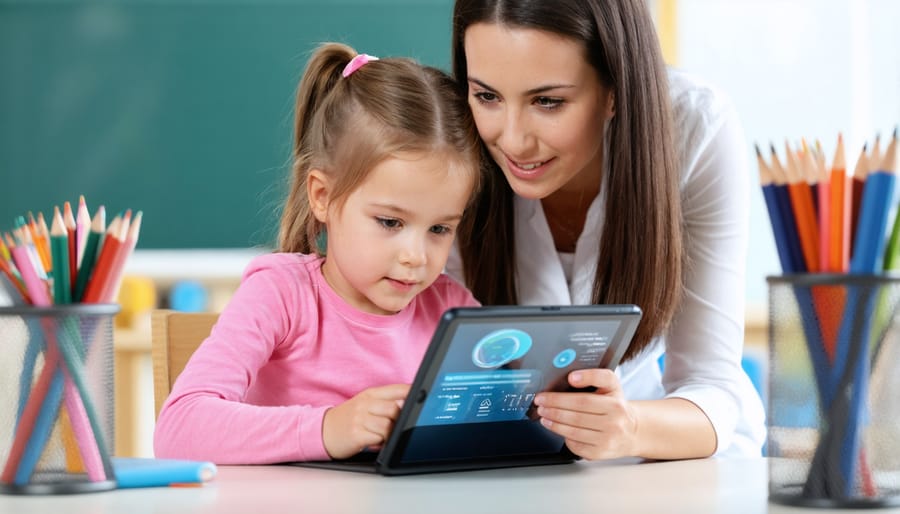
Real-time assessment and adjustment form the backbone of successful data-driven education, allowing teachers to respond promptly to student needs. By implementing effective assessment techniques, educators can gather immediate feedback and make informed decisions about their teaching strategies.
Digital tools like learning management systems (LMS) and student response platforms enable teachers to collect data during lessons, rather than waiting for end-of-unit tests. For example, quick comprehension checks through digital polls or exit tickets can reveal which concepts need reinforcement before moving forward.
Consider these practical strategies for real-time monitoring:
– Use digital formative assessments that automatically compile student responses
– Monitor student engagement through participation tracking tools
– Implement peer assessment features for collaborative learning
– Create checkpoint questions throughout lessons to gauge understanding
– Utilize heat maps and analytics dashboards to identify learning patterns
When assessment data indicates gaps in understanding, teachers can immediately adjust their approach by:
– Breaking complex topics into smaller, more manageable chunks
– Providing supplementary resources targeted to specific needs
– Forming flexible small groups for focused instruction
– Modifying the pace of instruction
– Incorporating alternative teaching methods to address different learning styles
Remember that successful real-time assessment isn’t about constant testing, but rather about creating a responsive learning environment where data informs instruction naturally and continuously. This approach helps ensure that no student falls behind and that teaching remains dynamic and effective.
Benefits and Impact
Student Achievement Gains
Research consistently demonstrates that implementing data-driven student success strategies leads to significant improvements in academic performance. Schools that effectively utilize student data have reported achievement gains of 15-20% in core subjects within the first year of implementation.
Multiple case studies highlight these positive outcomes. For instance, Lincoln Elementary School saw a 28% increase in reading proficiency after implementing regular data tracking and responsive intervention strategies. Similarly, the Riverside School District reported that their mathematics scores improved by 23% when teachers began using real-time assessment data to adjust their instruction.
These improvements aren’t limited to test scores alone. Teachers report increased student engagement, better classroom participation, and improved homework completion rates when using data to inform their teaching approaches. Studies show that students become more invested in their learning when they can track their own progress and understand their growth areas.
The most successful implementations combine both formative and summative assessment data, creating a comprehensive picture of student achievement. Schools that provide teachers with proper training and support in data analysis typically see the most substantial gains, with some reporting up to 35% improvement in student performance across multiple subject areas.
By focusing on individual student growth patterns, educators can identify and address learning gaps more effectively, leading to more equitable educational outcomes for all students.
Teacher Empowerment
Data-driven tools empower teachers to make more informed and effective instructional decisions by providing clear insights into student performance and learning patterns. Rather than replacing teacher judgment, these tools enhance educators’ ability to identify areas where students need additional support and where teaching strategies are most successful.
Teachers can use data analytics to track individual student progress, spot trends across different subjects, and adjust their teaching methods in real-time. For instance, when assessment data reveals that several students struggle with specific concepts, teachers can quickly implement targeted interventions or modify their lesson plans accordingly.
These tools also help teachers differentiate instruction more effectively. By analyzing performance data, educators can create personalized learning paths that address each student’s unique needs and learning style. This targeted approach ensures that both struggling students receive necessary support and advanced learners remain challenged and engaged.
Additionally, data tools facilitate meaningful conversations with students and parents about academic progress. Visual representations of student achievement and growth make it easier to communicate goals, celebrate successes, and develop action plans for improvement. This transparency builds trust and encourages active participation in the learning process.
By embracing data-driven decision-making, teachers can validate their instructional choices with concrete evidence while maintaining the flexibility to adapt their approach based on student needs. This combination of professional expertise and data insights creates a more responsive and effective learning environment.
Addressing Common Challenges
Privacy and Security Considerations
As educators embrace data-driven education, protecting student privacy and maintaining data security must remain top priorities. Schools need to establish clear protocols for collecting, storing, and sharing student data while complying with regulations like FERPA (Family Educational Rights and Privacy Act).
Start by implementing strong password policies and using secure, encrypted platforms for storing student information. Train all staff members on data protection best practices, including how to safely handle sensitive information and recognize potential security threats. It’s essential to obtain proper consent from parents or guardians before collecting student data and be transparent about how this information will be used.
Consider creating different levels of data access for various staff members, ensuring that educators only have access to the information they need for their specific roles. Regular security audits help identify potential vulnerabilities in your data management systems.
When sharing student progress data with parents or other stakeholders, use secure communication channels and avoid including personally identifiable information in general communications. Create clear guidelines for using educational apps and third-party tools, ensuring they meet your institution’s privacy standards.
Remember that while data analysis can greatly enhance educational outcomes, it should never compromise student privacy. Regularly review and update your privacy policies to address emerging technologies and new data collection methods. By maintaining strong security measures, you can confidently use data to improve learning while protecting your students’ privacy.
Building Teacher Data Literacy
Building data literacy among teachers requires a systematic and supportive approach that emphasizes practical skills development. Professional learning communities (PLCs) serve as excellent platforms for teachers to collaboratively develop their data interpretation abilities through shared experiences and peer mentoring.
Start with foundational workshops that focus on basic data concepts and visualization techniques. Teachers should learn to read and interpret various types of educational data, from standardized test scores to classroom assessments and behavioral metrics. These skills can be developed through hands-on exercises using real classroom data, making the learning immediately applicable.
Regular coaching sessions can help teachers master data analysis tools and develop confidence in making data-informed decisions. Consider implementing a mentor system where data-proficient educators support colleagues who are still developing these skills. This creates a sustainable model for ongoing professional development within the school community.
Create opportunities for teachers to practice data discussions in small groups, focusing on specific student cases or learning trends. These discussions should emphasize actionable insights rather than just data collection. Teachers should feel empowered to use data to identify areas for intervention and track the effectiveness of their instructional strategies.
Digital tools and dashboards can streamline the data analysis process, but training must focus on interpretation and application rather than just technical operation. Remember that the goal is to help teachers use data to enhance student learning, not to create additional administrative burden.
As we look to the future of education, data-driven approaches continue to revolutionize how we teach and support student learning. The integration of data analytics into educational practices has shown remarkable potential in personalizing learning experiences, identifying areas for improvement, and celebrating student achievements.
The key takeaways from our exploration highlight that successful data-driven education requires a balanced approach. It combines technological tools with human insight, maintains ethical considerations in data collection and usage, and prioritizes student privacy while pursuing educational excellence. Teachers who embrace these practices find themselves better equipped to make informed decisions and provide targeted support to their students.
Looking ahead, we can expect to see more sophisticated yet user-friendly tools emerging to support data-driven teaching methods. Machine learning and artificial intelligence will likely play increasingly important roles in analyzing student data and providing actionable insights. However, the human element – the teacher’s expertise, intuition, and relationship with students – will remain irreplaceable.
For educators beginning their data-driven journey, remember that implementation can be gradual. Start with small, manageable steps, and build upon successes. Join professional learning communities, share experiences with colleagues, and stay open to evolving best practices. Together, we can create more responsive, effective, and inclusive learning environments that truly serve every student’s needs.
The future of education is data-informed but human-centered, and your role in this transformation is vital.