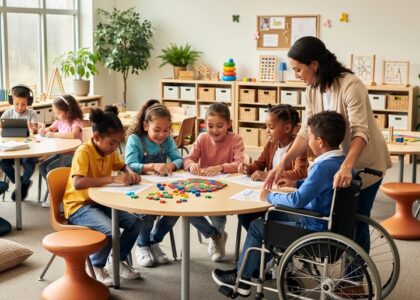
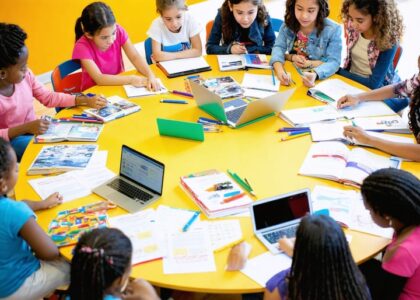
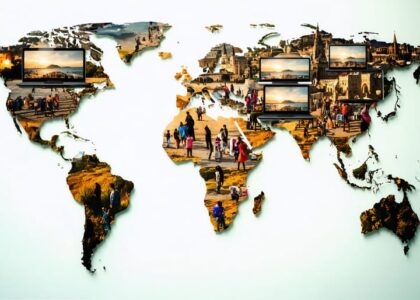
Transform your classroom into a vibrant hub of cultural learning by implementing a culturally responsive curriculum that empowers every student to thrive. Integrate diverse perspectives into daily lessons through authentic literature, historical narratives, and real-world problem-solving activities that reflect students’ varied cultural backgrounds. Connect academic content to students’ lived experiences by incorporating family stories, community wisdom, and cultural traditions into core subject areas. Build a collaborative learning environment where multiple viewpoints are not just welcomed but actively sought out, creating opportunities for meaningful cross-cultural dialogue and understanding.
Today’s classrooms serve as microcosms of our global society, demanding teaching approaches that honor and leverage diversity as a powerful educational asset. By weaving multicultural elements throughout the curriculum, educators create inclusive spaces where students see themselves represented in course materials, classroom discussions, and assessment methods. This approach not only enhances academic engagement but also develops critical thinking skills as students learn to analyze content through various cultural lenses.
Successful multicultural education extends beyond surface-level celebrations of diversity to create sustained, meaningful learning experiences that prepare students for success in our interconnected world. Through thoughtful curriculum design and implementation, teachers can cultivate classrooms where every student’s cultural identity becomes a bridge to academic achievement and personal growth.

Building Cultural Awareness in Your Classroom
Cultural Self-Assessment Tools
To effectively implement multicultural curriculum strategies, educators must first understand their own cultural competency level. Several practical self-assessment tools can help teachers evaluate their cultural awareness and identify areas for growth.
The Cultural Awareness Checklist is a simple starting point, allowing teachers to rate their familiarity with different cultural practices, beliefs, and communication styles. This tool includes questions about classroom management approaches, teaching materials selection, and interaction patterns with students from diverse backgrounds.
The Implicit Bias Assessment helps educators recognize unconscious prejudices that might affect their teaching. Regular self-reflection using guided questions can reveal hidden assumptions about student capabilities, behavior expectations, and learning styles.
Teachers can also maintain a Cultural Competency Journal to document their experiences, challenges, and successes in implementing multicultural strategies. This ongoing reflection tool should include observations of student interactions, parent communications, and curriculum adaptation efforts.
Consider using the Cultural Knowledge Survey to evaluate understanding of different cultural celebrations, traditions, and historical perspectives represented in your classroom. This information can guide professional development choices and curriculum planning decisions.
Student Identity Mapping
Student identity mapping is a powerful technique that helps educators understand and celebrate the diverse backgrounds of their students. Begin by creating cultural identity portraits, where students share elements of their heritage, family traditions, and personal experiences through creative projects. These can include family trees, cultural artifact presentations, or digital storytelling assignments.
Implement regular “cultural sharing circles” where students can voluntarily discuss their traditions, languages, and celebrations in a safe, respectful environment. Create interactive classroom maps that highlight students’ countries of origin or family heritage, making connections between different cultures visible and meaningful.
Use student surveys and questionnaires to gather information about learning styles, cultural preferences, and personal interests. This data helps tailor instruction to meet diverse needs while validating students’ unique identities. Encourage students to maintain reflection journals where they can explore their cultural identities and share their perspectives on classroom discussions.
Remember to maintain sensitivity and allow students to choose their level of participation, as some may be more comfortable sharing than others. Use this information to create lesson plans and activities that authentically represent and celebrate your classroom’s diversity.
Practical Curriculum Integration Techniques
Mathematics Through Cultural Contexts
Mathematics provides unique opportunities to integrate diverse cultural perspectives and make learning more relevant to students from various backgrounds. By incorporating ethnomathematics, teachers can showcase how different cultures have developed and used mathematical concepts throughout history.
One effective approach is to explore counting systems from various cultures, such as the Mayan vigesimal system or Chinese rod numerals. These examples demonstrate how different societies have developed unique ways to represent and manipulate numbers, helping students understand that mathematical thinking is universal but expressed differently across cultures.
Real-world problem-solving can be enriched by using culturally relevant contexts. For instance, teachers might incorporate traditional African board games to teach strategic thinking and probability, or use Native American beadwork patterns to explore geometry and symmetry. Islamic geometric patterns offer excellent opportunities to study angles, tessellation, and mathematical patterns.
Cultural mathematics also extends to measurement systems, architectural designs, and trading practices from different societies. Students can investigate how various cultures historically measured time, distance, and value, leading to deeper understanding of measurement concepts and their practical applications.
To implement these strategies effectively, teachers should:
– Research mathematical practices from students’ cultural backgrounds
– Use authentic examples and materials
– Connect mathematical concepts to cultural stories and traditions
– Encourage students to share mathematical practices from their own cultures
– Create collaborative projects that celebrate mathematical diversity
Literature and Language Arts
Literature and Language Arts classrooms offer unique opportunities to celebrate diverse voices and perspectives through thoughtful text selection and storytelling approaches. Begin by curating a reading list that includes authors from various cultural backgrounds, ensuring students see themselves reflected in the curriculum while also learning about different experiences.
Incorporate multicultural literature through both contemporary and classic works, including novels, poetry, short stories, and folk tales from around the world. When selecting texts, consider works that authentically represent different cultures rather than relying on stereotypical portrayals. Pair these readings with cultural context discussions to help students understand the historical and social significance of each piece.
Enhance student engagement by implementing storytelling circles where learners can share their own cultural narratives and family histories. This practice not only validates students’ personal experiences but also develops their oral communication skills. Consider creating writing assignments that encourage students to explore their cultural identity or research their family heritage.
Use comparative literature exercises to analyze how similar themes appear across different cultural contexts. For example, examine how coming-of-age stories differ between cultures or how various societies approach storytelling traditions. Include diverse perspectives in grammar and vocabulary instruction by using examples from multiple cultures and languages.
Remember to address sensitive topics with care and create safe spaces for discussions about cultural differences in literature. Encourage critical thinking about representation in texts and media, helping students develop both literary analysis skills and cultural awareness.

Social Studies and History
Teaching social studies and history through multiple perspectives enriches students’ understanding of historical events and cultural developments. Start by incorporating primary sources from diverse cultural backgrounds, including personal narratives, letters, and artifacts that represent different viewpoints of the same historical event.
Create comparative timelines that show parallel developments across different civilizations, helping students understand that history isn’t linear or dominated by a single narrative. For example, while studying the Industrial Revolution, explore its impacts on various societies worldwide, including both benefits and challenges faced by different communities.
Implement role-playing activities where students examine historical events from multiple stakeholders’ perspectives. When studying immigration, have students explore the experiences of different immigrant groups throughout various time periods, considering both challenges and contributions to society.
Use oral histories and community elder interviews to bring local cultural perspectives into your classroom. This approach helps students connect historical events to their community’s experiences and promotes cultural preservation through storytelling.
Encourage critical thinking by analyzing historical bias in textbooks and media. Guide students to question whose stories are being told, whose voices might be missing, and how different cultural groups might interpret the same events differently. This develops their ability to think critically about historical narratives while fostering empathy and understanding across cultural boundaries.
Assessment and Feedback Strategies
Inclusive Assessment Design
Creating culturally sensitive assessment tools requires thoughtful consideration of diverse student backgrounds and learning styles. Begin by reviewing your current assessment methods through an equity lens, ensuring that questions and tasks are free from cultural bias and accessible to all students.
Consider implementing multiple assessment formats that allow students to demonstrate their understanding in various ways. This might include oral presentations, visual projects, written assignments, or collaborative work. Each format should accommodate different cultural communication styles and learning preferences.
When designing rubrics, incorporate flexibility that recognizes diverse ways of expressing knowledge while maintaining academic rigor. For example, students might be encouraged to include relevant cultural perspectives in their responses or connect learning objectives to their personal experiences.
Regular self-reflection on assessment practices helps identify potential barriers. Ask yourself: Do the examples used reflect diverse cultural contexts? Are language requirements appropriate for English language learners? Does the assessment format disadvantage any particular group?
Include opportunities for student feedback about assessment methods and make adjustments accordingly. This collaborative approach ensures that evaluations remain relevant and meaningful across cultural boundaries. Remember that effective assessment in a multicultural classroom celebrates diversity while measuring academic achievement fairly and accurately.
Finally, maintain clear communication with students and families about assessment expectations, providing support resources that account for varying levels of familiarity with educational systems.
Student Progress Monitoring
Monitoring student progress in cultural competency requires a multifaceted approach that combines both quantitative and qualitative assessment methods. Teachers can implement regular self-reflection exercises where students document their cultural learning journey through journals or digital portfolios. These reflections can include responses to multicultural literature, experiences with diverse perspectives, and personal growth observations.
Create benchmark assessments that measure students’ understanding of cultural concepts, their ability to recognize bias, and their skills in cross-cultural communication. These can take the form of project-based assessments, presentations, or collaborative assignments that demonstrate cultural awareness and sensitivity.
Consider implementing a cultural competency rubric that tracks progress across various dimensions, including knowledge of different cultures, respect for diversity, and ability to engage in meaningful cross-cultural dialogue. Regular check-ins with students through one-on-one conferences can provide valuable insights into their developing cultural awareness and identify areas needing additional support.
Document student growth through observation notes during group discussions, cultural activities, and peer interactions. Look for evidence of increased empathy, improved cross-cultural communication skills, and more sophisticated understanding of cultural perspectives. Share progress with parents through regular updates and encourage them to contribute observations from home, creating a comprehensive view of each student’s cultural competency development.
Remember that cultural competency development is ongoing and non-linear. Celebrate small victories and use challenges as learning opportunities to deepen understanding and engagement.
Family and Community Engagement
Engaging families and community members in cultural education creates a rich, authentic learning environment that extends beyond classroom walls. Successful family engagement strategies invite diverse perspectives and experiences into the educational process, enriching student learning and building stronger school-community relationships.
Start by creating a welcoming environment where families feel valued and respected. Host cultural celebration events where family members can share traditions, stories, and customs. These events might include multicultural festivals, storytelling sessions, or cooking demonstrations that showcase different cultural cuisines. Consider establishing a family resource center where parents can access educational materials in multiple languages and connect with other families.
Invite family and community members to serve as cultural ambassadors in your classroom. They can share first-hand experiences, traditional arts and crafts, or lead discussions about their heritage. This approach not only provides authentic cultural perspectives but also helps students see their own families’ cultures reflected in the curriculum.
Create opportunities for ongoing dialogue through regular family forums or cultural advisory committees. These groups can provide valuable input on curriculum development, suggest culturally appropriate resources, and help identify areas where the school can better serve diverse student populations.
Develop take-home activities that encourage families to explore their cultural heritage together. These might include family history projects, cultural interview assignments, or collaborative art projects that incorporate traditional elements from various cultures. Such activities strengthen the home-school connection while validating students’ cultural identities.
Remember to provide communication in families’ preferred languages and consider cultural norms when scheduling events or requesting participation. Flexibility in scheduling and multiple ways to participate ensure that all families can engage meaningfully in their children’s cultural education journey.

Creating an inclusive, multicultural curriculum is an ongoing journey that requires dedication, flexibility, and continuous learning. By implementing the strategies outlined in this guide, educators can transform their classrooms into vibrant spaces where all students feel valued and represented. Remember that small steps lead to significant changes – start by incorporating diverse perspectives into your existing lesson plans, building authentic community connections, and regularly reflecting on your teaching practices.
The success of multicultural education relies heavily on your commitment to cultural competency and willingness to adapt. Don’t hesitate to collaborate with colleagues, seek feedback from students and families, and adjust your approaches based on your classroom’s unique needs. Celebrate the progress you make while remaining open to new ideas and perspectives.
As you move forward, maintain a growth mindset and remember that creating an inclusive curriculum is not about perfection but progress. Document your successes, learn from challenges, and share your experiences with other educators. Your efforts in implementing these strategies will contribute to a more equitable educational environment that prepares students for success in our diverse global society.
Take the first step today by choosing one strategy to implement in your next lesson. Your commitment to multicultural education will create lasting positive impacts on your students’ lives and help build a more inclusive educational community for generations to come.