Transforming global studies education requires a fundamental shift from single-perspective narratives to richly interconnected viewpoints that reflect our modern world’s complexity. Today’s educators face the unique challenge of preparing students not just to understand global issues, but to engage with them through multiple cultural, historical, and social lenses. By integrating diverse perspectives into global studies curricula, teachers create dynamic learning environments where students develop critical thinking skills while building cultural competency.
The concept of integrated perspectives goes beyond simply presenting different viewpoints – it involves weaving together economic, social, environmental, and cultural threads to create a comprehensive understanding of global phenomena. This approach enables students to recognize the intricate relationships between local actions and global consequences, fostering a deeper appreciation for the interconnected nature of our world.
For educators, implementing integrated perspectives means reimagining traditional teaching methods through a more inclusive and collaborative lens. This transformation requires thoughtful consideration of diverse voices, experiences, and ways of knowing, while leveraging technology and contemporary teaching tools to bring these perspectives into the classroom. Through this approach, students develop not only a more nuanced understanding of global issues but also the essential skills needed to navigate and contribute to our increasingly interconnected world.
This shift towards integrated perspectives represents a crucial evolution in global studies education – one that prepares students to become informed, empathetic, and engaged global citizens capable of addressing complex challenges through multiple frameworks of understanding.
Building Cross-Cultural Understanding Through Multiple Viewpoints
Cultural Lens in Education
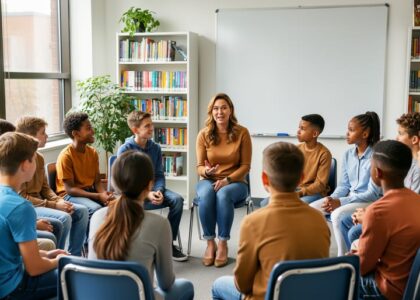
The classroom serves as a unique intersection where diverse cultural perspectives converge and shape the learning experience. Understanding and embracing cultural and linguistic diversity is essential for creating an inclusive educational environment that prepares students for our interconnected world.
Cultural perspectives influence how students process information, engage with learning materials, and interact with their peers and teachers. For example, some cultures prioritize collaborative learning, while others emphasize individual achievement. Recognition of these differences allows educators to design more effective and inclusive learning experiences.
To successfully integrate cultural perspectives into global studies, educators should:
– Incorporate diverse viewpoints and narratives in lesson planning
– Create opportunities for students to share their cultural experiences
– Use culturally responsive teaching strategies
– Encourage critical thinking about cultural assumptions
– Validate different ways of knowing and learning
When students see their cultural identities reflected in the curriculum, they develop stronger engagement and deeper understanding of global concepts. This approach not only enriches the learning experience but also helps develop empathy, cultural competence, and global awareness among all students.
By viewing education through various cultural lenses, teachers can create more meaningful connections between classroom content and students’ lived experiences, ultimately fostering a more inclusive and effective learning environment.

Bridging Global-Local Connections
In today’s interconnected world, effective global studies instruction requires seamlessly connecting students’ local experiences with broader international perspectives. By incorporating community-based learning approaches, educators can help students recognize how global issues manifest in their immediate environment.
Start by encouraging students to identify global themes in their daily lives, such as examining the origins of their food, clothing, or technology. This personal connection creates an emotional investment in learning and helps students understand their role in the global community. Create opportunities for students to interview local immigrants, international business owners, or cultural organizations, building bridges between classroom concepts and real-world experiences.
Digital tools can enhance these connections through virtual exchanges with international classrooms, collaborative online projects, and real-time communication with students worldwide. Consider implementing “global citizen journals” where students document their observations of global-local connections and reflect on their growing understanding of international interdependence.
Remember that effective bridging requires consistent reinforcement. Regular discussions about how international events impact local communities, and vice versa, help students develop a nuanced understanding of global interconnectedness. Encourage students to become active participants in local initiatives that address global challenges, demonstrating how individual actions contribute to worldwide change.
Practical Implementation Strategies
Classroom Activities and Projects
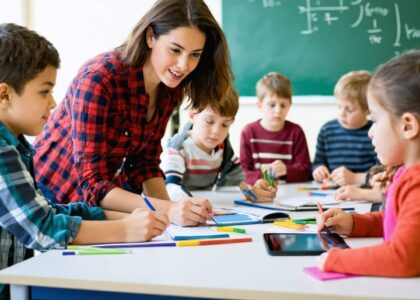
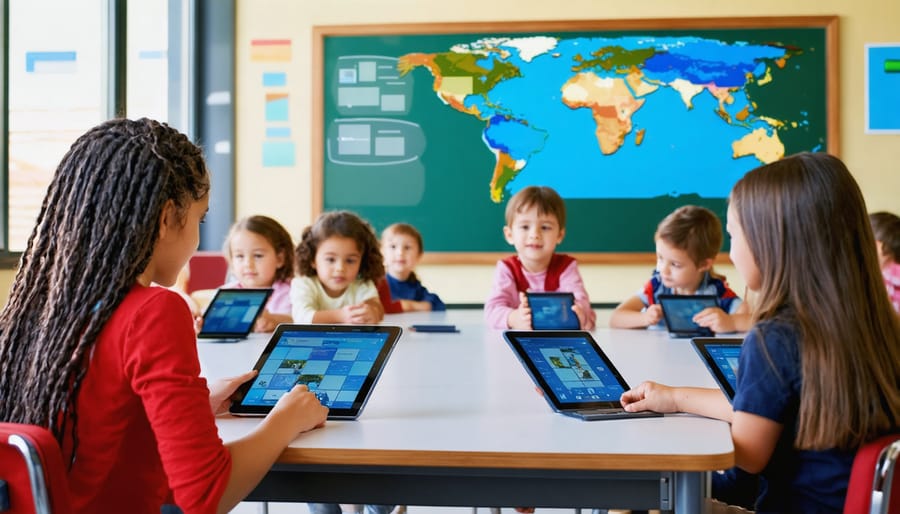
Engaging students in meaningful experiential learning activities is essential for developing integrated perspectives in global studies. Here are several classroom-tested activities that promote deep understanding and cultural awareness:
Global Issue Summit: Organize a mock international conference where students represent different countries and tackle real-world challenges. Students research their assigned nation’s perspective, prepare position papers, and engage in diplomatic negotiations with their peers.
Cultural Exchange Digital Pen Pals: Partner with classrooms worldwide using platforms like ePals or Skype in the Classroom. Students exchange regular correspondence about daily life, traditions, and current events in their respective countries.
Global Arts Integration Project: Students explore global themes through various art forms. They might create masks inspired by different cultures, compose music using international instruments, or design murals representing global unity.
Community Connection Map: Students interview local community members from diverse backgrounds, creating an interactive map that highlights global connections within their neighborhood. This activity demonstrates how international influences shape local communities.
Sustainable Development Goals Challenge: Groups work on month-long projects addressing specific UN Sustainable Development Goals. They research local and global impacts, propose solutions, and create action plans that bridge local and global perspectives.
World News Analysis Portfolio: Students maintain digital portfolios where they collect and analyze news stories from multiple international sources, comparing different cultural perspectives on the same events.
These activities can be modified for different grade levels and integrated across subject areas. The key is maintaining consistent engagement while encouraging students to consider multiple viewpoints and cultural contexts in their learning journey.
Assessment and Feedback Methods
Assessment methods in integrated perspectives should focus on evaluating students’ ability to understand, analyze, and synthesize multiple viewpoints within global contexts. A combination of formative and summative assessments provides the most comprehensive picture of student growth and understanding.
Student portfolios serve as excellent tools for documenting progress over time. These can include reflective journals, research projects, and multimedia presentations that demonstrate students’ evolving understanding of different cultural perspectives. Digital portfolio platforms make it easy for students to collect and showcase their work while receiving ongoing feedback.
Performance-based assessments, such as role-playing exercises and debate presentations, allow students to demonstrate their ability to consider and articulate various viewpoints on global issues. These activities can be evaluated using rubrics that specifically assess perspective-taking skills, cultural sensitivity, and critical thinking.
Regular self-assessment opportunities help students develop metacognitive skills and awareness of their own cultural biases. Simple tools like perspective-taking checklists or cultural competency self-evaluations can be valuable for both students and teachers in tracking progress.
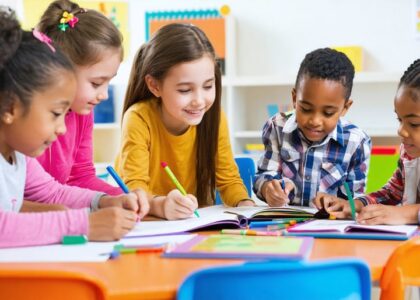
Peer feedback plays a crucial role in developing perspective-taking abilities. Structured peer review sessions, where students evaluate each other’s work using clear criteria, help reinforce the importance of considering multiple viewpoints while building collaborative skills.
For meaningful assessment, teachers should:
– Provide clear rubrics that outline expectations for perspective integration
– Offer regular, specific feedback focused on growth
– Use technology tools to facilitate ongoing assessment
– Create opportunities for student self-reflection
– Incorporate multiple forms of assessment to accommodate different learning styles
Remember that assessment should be viewed as a learning opportunity rather than just evaluation. Feedback should be constructive and growth-oriented, helping students understand how they can continue developing their ability to integrate multiple perspectives in their global understanding.
Technology and Resources
Digital Collaboration Tools
In today’s interconnected world, digital collaboration tools have become essential for creating meaningful global learning experiences. These technology-enhanced learning solutions enable students and educators to bridge geographical distances and cultural boundaries with unprecedented ease.
Popular platforms like Google Workspace for Education and Microsoft Teams provide secure environments where students can collaborate on shared documents, engage in virtual discussions, and create multimedia presentations with peers from around the world. Video conferencing tools such as Zoom and Skype for Education facilitate real-time connections with international classrooms, allowing students to participate in cultural exchanges and collaborative projects.
Project management tools like Trello and Padlet help organize cross-cultural initiatives, while translation apps break down language barriers. Social learning platforms such as ePals and iEARN connect classrooms globally, offering structured opportunities for international collaboration and cultural exchange.
When selecting digital tools, consider accessibility, data privacy, and ease of use for both students and teachers. Start with one or two tools that align with your educational objectives, gradually expanding your digital toolkit as comfort and confidence grow. Remember that technology should enhance, not overshadow, the human connections at the heart of global learning experiences.

Resource Integration Guide
Combining educational resources effectively is key to creating a rich, multifaceted global studies curriculum. Start by identifying your core teaching materials, such as textbooks and digital platforms, then layer in supplementary resources that offer diverse perspectives and engaging experiences.
Create a resource matrix that combines traditional and digital materials. For example, pair conventional readings with interactive maps, virtual museum tours, and real-time news feeds. This approach helps students connect historical context with current global events.
Consider incorporating resources from different cultural contexts. Partner with schools abroad through online exchange programs, utilize international news sources, and showcase multimedia content from various regions. These connections help students understand global perspectives firsthand.
Make use of free educational platforms that offer curated content for global studies. Many organizations provide lesson plans, activity guides, and multimedia resources specifically designed for K-12 classrooms. Remember to evaluate these materials for accuracy, relevance, and cultural sensitivity.
Encourage student involvement in resource selection. Create opportunities for learners to contribute materials from their own cultural backgrounds or discover new resources through guided research. This participatory approach enhances engagement and promotes ownership of the learning process.
Finally, maintain a dynamic resource library that can be easily updated as new materials become available. Share successful resource combinations with colleagues and participate in educator forums to exchange ideas and discover new integration strategies.
As we’ve explored throughout this guide, integrating multiple perspectives in global studies is not just an educational strategy – it’s an essential approach for preparing students for our interconnected world. By implementing the tools and methods discussed, you can create more inclusive, engaging, and meaningful learning experiences that help students develop critical thinking skills and global awareness.
Remember that this journey is ongoing, and success comes through consistent adaptation and refinement of your teaching practices. Start small by incorporating one or two new approaches into your existing curriculum, then gradually expand as you and your students become more comfortable with these methods. Consider joining online educator communities to share experiences and gather new ideas from colleagues worldwide.
Your next steps might include: selecting a specific unit to redesign with integrated perspectives, identifying digital tools that support your teaching goals, or connecting with other classrooms globally. Remember, you’re not just teaching content – you’re helping shape future global citizens who can navigate and contribute to our diverse world with empathy and understanding.
The impact of your work in bringing integrated perspectives to global studies will extend far beyond your classroom, creating ripples of positive change in your school community and beyond.