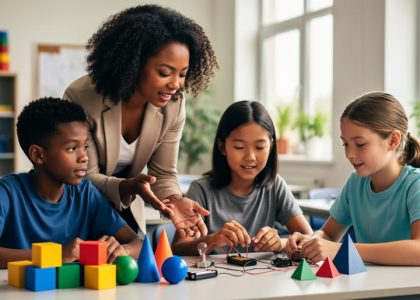
Transform modern education through data-driven innovation and strategic implementation of emerging technologies. Today’s K-12 education challenges demand a dynamic approach that combines personalized learning pathways with robust assessment frameworks. Pioneering educators are revolutionizing classrooms by integrating adaptive learning platforms, implementing research-backed teaching methodologies, and fostering inclusive learning environments that celebrate diverse learning styles.
Educational excellence now hinges on three critical pillars: technology-enhanced instruction that adapts to individual student needs, comprehensive professional development programs that empower teachers with cutting-edge pedagogical tools, and data-informed decision-making processes that drive continuous improvement. By embracing these transformative elements, schools are creating more engaging, effective, and equitable learning experiences that prepare students for tomorrow’s challenges.
Recent studies demonstrate that schools implementing these innovative approaches have seen significant improvements in student engagement, academic performance, and overall educational outcomes. This evidence-based transformation of traditional education models represents a crucial step forward in addressing the evolving needs of modern learners while maintaining high academic standards and educational equity.
Technology Integration That Actually Works
Smart Device Implementation
Integrating smart devices into the classroom requires a thoughtful, structured approach to ensure they enhance rather than distract from learning. Start by establishing clear device usage guidelines and communicating these expectations to both students and parents. Consider implementing a classroom management system that allows you to monitor and control student devices during instructional time.
When selecting educational apps, focus on those that align with your curriculum objectives and provide meaningful learning experiences. Look for apps that offer differentiated learning paths, immediate feedback, and progress tracking capabilities. Popular choices include interactive math programs, reading comprehension tools, and collaborative learning platforms.
Create a balanced approach by incorporating both individual and group activities using tablets. For example, students can work independently on personalized learning assignments, then share their work through collaborative projects. This approach helps develop both autonomous learning skills and teamwork abilities.
To maximize effectiveness, establish a regular schedule for device-based activities and maintain consistent charging and storage procedures. Include digital citizenship lessons to teach responsible device use and online safety. Regular assessment of app effectiveness through student progress data and feedback helps refine your implementation strategy.
Remember to provide adequate technical support and training for both students and staff. Consider appointing student tech leaders who can assist peers with basic troubleshooting, fostering leadership skills while reducing dependency on teacher intervention.

Digital Learning Platforms
In today’s digital age, learning management systems (LMS) and digital teaching tools have become essential components of effective education. These platforms offer unprecedented opportunities to create engaging, personalized learning experiences while streamlining administrative tasks.
Successful implementation begins with selecting the right platform for your school’s needs. Consider factors like user-friendliness, integration capabilities, and available support resources. Popular options like Google Classroom, Canvas, and Schoology offer comprehensive features that support both synchronous and asynchronous learning.
To maximize these platforms’ potential, focus on:
– Creating organized, easily navigable course structures
– Incorporating multimedia content to address diverse learning styles
– Utilizing built-in assessment tools for immediate feedback
– Enabling collaborative features for peer learning
– Tracking student progress through analytics
Regular professional development ensures teachers can confidently use these tools. Start with basic features and gradually introduce more advanced capabilities. Encourage teacher collaboration through platform-specific community forums where educators can share best practices and troubleshoot challenges together.
Remember that technology should enhance, not replace, quality teaching. Use these platforms to supplement traditional instruction and create blended learning environments that meet diverse student needs. Regular feedback from both teachers and students helps optimize platform usage and ensures continuous improvement in digital learning experiences.

Data-Driven Teaching Strategies
Formative Assessment Tools
Formative assessment tools provide educators with valuable real-time insights into student learning, enabling timely interventions and personalized support. Digital tools like Kahoot!, Quizizz, and Plickers have revolutionized how teachers gather immediate feedback during lessons. These platforms make assessment engaging and less intimidating for students while providing teachers with instant data analysis.
Exit tickets, whether digital or paper-based, remain a powerful way to gauge understanding at the end of each lesson. Students can quickly respond to targeted questions, allowing teachers to adjust their next lesson accordingly. Google Forms and Microsoft Forms offer user-friendly options for creating and analyzing exit tickets efficiently.
Portfolio-based assessment tools like Seesaw and ClassDojo enable students to document their learning journey through photos, videos, and written work. These platforms also facilitate meaningful communication with parents, creating a supportive learning community.
For writing assessment, tools like Turnitin and Grammarly help teachers provide detailed feedback while teaching students about academic integrity. Rubric-based assessment platforms such as ForAllRubrics streamline the grading process and ensure consistency in evaluation.
Remember that the most effective formative assessment strategy combines multiple tools based on learning objectives and student needs. Regular check-ins, whether through digital polls, discussion boards, or quick writes, help maintain student engagement and provide valuable data for instructional decision-making.
Personalized Learning Paths
Personalized learning paths represent a transformative approach to education that recognizes and responds to each student’s unique needs, abilities, and learning styles. By leveraging student data and modern educational technology, educators can create customized learning experiences that optimize student engagement and achievement.
The foundation of personalized learning begins with comprehensive student assessment data, including academic performance, learning preferences, and pace of progress. This information enables teachers to design flexible learning pathways that adapt to individual student needs while maintaining alignment with curriculum standards.
Key components of successful personalized learning implementation include:
– Regular progress monitoring through formative assessments
– Flexible pacing that allows students to move at their optimal speed
– Multiple content delivery methods to accommodate different learning styles
– Targeted interventions based on real-time performance data
– Student choice in learning activities and assessment methods
To effectively implement personalized learning paths, educators should:
1. Start with clear learning objectives
2. Use digital tools to track student progress
3. Provide multiple options for content engagement
4. Offer regular feedback and adjustment opportunities
5. Empower students to take ownership of their learning journey
Success in personalized learning requires a balance between structure and flexibility. While students need freedom to explore and learn at their own pace, they also benefit from clear guidelines and support from their teachers. Regular check-ins and data analysis help ensure students stay on track while maintaining the personalized nature of their learning experience.
Professional Development Innovation
Collaborative Learning Communities
In today’s rapidly evolving educational landscape, establishing strong professional learning communities has become essential for continuous improvement in education. These collaborative networks create supportive environments where teachers can share expertise, explore innovative teaching strategies, and work together to enhance student outcomes.
Effective learning communities thrive on regular interaction through both in-person and digital platforms. Teachers can participate in peer observation programs, collaborative planning sessions, and mentorship relationships that foster professional growth. These connections help educators refine their teaching methods, develop new skills, and stay current with best practices.
To build successful collaborative networks, schools should establish dedicated time for teacher collaboration, provide structured formats for sharing experiences, and create safe spaces for honest dialogue about challenges and successes. Digital tools and online forums can extend these conversations beyond school walls, allowing educators to connect with colleagues across different schools and districts.
The impact of strong teacher networks extends directly to student achievement. When educators work together to analyze student data, share effective teaching strategies, and provide mutual support, they create a more cohesive and effective learning environment. This collaborative approach helps identify struggling students earlier, develop targeted interventions, and ensure consistent educational quality across classrooms.
Micro-Credentialing
Micro-credentialing offers teachers a flexible and personalized approach to professional development, allowing them to master specific skills at their own pace. Unlike traditional one-size-fits-all training sessions, these digital badges or certificates recognize mastery in targeted areas such as technology integration, classroom management, or differentiated instruction.
The process typically involves teachers selecting skills they want to develop, completing focused learning activities, and demonstrating competency through evidence-based submissions. For example, a teacher might earn a micro-credential in project-based learning by designing and implementing a project, documenting student outcomes, and reflecting on the experience.
School districts implementing micro-credentialing programs report increased teacher engagement and more effective skill application in the classroom. The system’s success lies in its ability to provide immediate, relevant learning opportunities that directly address classroom needs. Teachers can stack multiple credentials to create a comprehensive professional development portfolio that reflects their growing expertise.
To maximize the impact of micro-credentialing, schools should:
– Align credentials with district goals and standards
– Provide clear assessment criteria
– Offer mentor support during the process
– Create opportunities for peer collaboration
– Recognize and reward achievement
This targeted approach to professional development ensures that teachers receive recognition for the specific skills they develop, leading to more meaningful professional growth and improved student outcomes.
Student Engagement Strategies
Project-Based Learning
Project-based learning transforms traditional classroom experiences into dynamic, real-world applications that engage students deeply in their education. By designing projects that connect curriculum standards to authentic challenges, educators create meaningful learning opportunities that develop critical thinking, collaboration, and problem-solving skills.
To implement effective project-based learning, start with clear learning objectives aligned with your curriculum goals. Design projects that span multiple subjects and encourage students to explore real-world connections. For example, a project on sustainable communities might combine elements of environmental science, mathematics, social studies, and language arts while addressing actual community challenges.
Essential components of successful project-based learning include:
– Student choice and voice in project direction
– Authentic audience engagement beyond the classroom
– Regular feedback and revision opportunities
– Clear assessment criteria and rubrics
– Integration of technology tools and resources
– Reflection periods throughout the process
Teachers can enhance project success by:
– Breaking large projects into manageable phases
– Creating structured collaboration opportunities
– Incorporating regular check-ins and progress monitoring
– Providing scaffolded support for different learner needs
– Celebrating and sharing student achievements
Remember that successful implementation takes time and practice. Start with smaller projects and gradually expand scope and complexity as both you and your students become more comfortable with this approach. Document successes and challenges to refine your practice and share experiences with colleagues.

Social-Emotional Learning Integration
Social-emotional learning (SEL) has become an essential component of effective education, supporting both academic success and personal development. Teachers can seamlessly integrate SEL into their daily instruction through intentional planning and consistent implementation.
Start by incorporating brief emotional check-ins at the beginning of class periods, allowing students to express their feelings and develop emotional awareness. Use collaborative learning activities that naturally promote social skills, such as partner discussions, group projects, and peer feedback sessions. These interactions help students develop empathy, communication skills, and relationship management abilities.
Create opportunities for student reflection through journaling, class discussions, or digital emotion tracking tools. When teaching academic content, highlight the emotional and social aspects of historical events, literary characters, or scientific discoveries. This approach helps students connect curriculum content with real-world social-emotional experiences.
Establish clear classroom routines that include conflict resolution strategies and problem-solving frameworks. Model emotional regulation and positive social interactions, demonstrating how to handle challenging situations professionally and respectfully. Integrate mindfulness practices and stress-management techniques during transitions or before challenging tasks.
Remember to celebrate both academic and social-emotional growth, creating a classroom culture that values personal development alongside academic achievement. Regular communication with families about SEL strategies can extend these practices beyond the classroom, reinforcing their importance in students’ overall development.
As we look to the future of education improvement, the key to success lies in implementing these strategies through a systematic and collaborative approach. Schools that have shown the most significant progress begin with clear goal-setting, followed by targeted professional development and consistent monitoring of outcomes. The integration of technology, data-driven decision-making, and student-centered learning approaches must work in harmony to create lasting positive change.
Moving forward, educators should focus on creating personalized implementation plans that consider their unique school contexts and student populations. Start with small, manageable changes and gradually expand successful initiatives. Regular feedback loops between teachers, administrators, and students help refine these approaches and ensure they meet evolving educational needs.
The future outlook for educational improvement is promising, particularly as more schools embrace adaptive learning technologies and innovative teaching methods. However, success depends on maintaining a balance between technological advancement and human connection in the classroom. Schools should prioritize building strong support systems for teachers while fostering inclusive learning environments that celebrate diverse learning styles and cultural perspectives.
Remember that improvement in education is an ongoing journey rather than a destination. By staying committed to continuous learning, embracing change, and maintaining focus on student success, educators can create more engaging, effective, and equitable learning environments for all students. The key is to remain flexible, responsive to feedback, and dedicated to the shared goal of educational excellence.