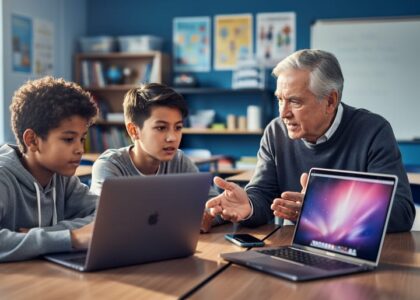
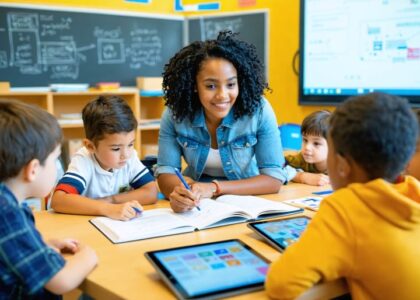
In today’s diverse classrooms, mastering cross-cultural communication isn’t just beneficial—it’s essential for student success. Every interaction between teachers and students from different cultural backgrounds presents both an opportunity and a challenge. Research shows that educators who develop strong cross-cultural communication skills see improved academic outcomes, increased student engagement, and more inclusive learning environments.
The ability to bridge cultural gaps transforms classroom dynamics, enabling teachers to connect with students on a deeper level and create more meaningful learning experiences. Whether navigating different communication styles, understanding nonverbal cues, or addressing cultural sensitivities, these skills help educators build trust and foster an environment where every student feels valued and understood.
As our classrooms continue to grow more diverse, the impact of effective cross-cultural communication extends beyond academic achievement. It shapes students’ social-emotional development, builds cultural competency, and prepares them for success in our increasingly interconnected world. By developing these essential skills, educators don’t just teach subject matter—they create inclusive spaces where diverse perspectives enrich the learning experience for everyone.
For teachers ready to enhance their cross-cultural communication abilities, understanding the fundamental principles and practical strategies is the first step toward creating more culturally responsive classrooms.
Creating a Culturally Responsive Classroom Environment
Physical Space and Visual Representation
Creating an inclusive physical environment is essential for effective cross-cultural communication in the classroom. Start by displaying diverse cultural artifacts, artwork, and multilingual signage that represents your student population. Consider arranging desks in flexible configurations that encourage collaboration and dialogue rather than traditional rows, as different cultures have varying preferences for personal space and group interaction.
Visual aids should reflect diverse perspectives and experiences. Use bulletin boards to showcase student work that celebrates different cultural traditions, languages, and viewpoints. Include maps showing students’ heritage countries and create interactive displays where students can share aspects of their cultural identity.
Pay attention to cultural symbols and their placement. Some items may hold special significance or require respectful positioning. Create designated spaces for cultural exchange, such as a “Cultural Corner” where students can share stories, artifacts, or traditional games from their backgrounds.
Consider lighting, color choices, and room arrangement based on cultural sensitivities. Some cultures may have specific preferences regarding seating arrangements or the direction students face while learning. Regular rotation of displayed materials ensures all cultural groups feel represented and valued throughout the school year.
Building Trust and Psychological Safety
Building trust and psychological safety in a multicultural classroom environment requires intentional effort and consistent practice. Start by creating clear communication guidelines that emphasize respect, active listening, and the value of diverse perspectives. Encourage students to share their cultural experiences by modeling vulnerability and openness yourself.
Implement regular “cultural circle time” where students can safely discuss their traditions, beliefs, and experiences without fear of judgment. Use positive reinforcement when students demonstrate cultural sensitivity and respect for different viewpoints. Address cultural misunderstandings promptly and turn them into learning opportunities rather than sources of conflict.
Create a classroom agreement that outlines expectations for respectful cross-cultural dialogue. Include student input in developing these guidelines to promote ownership and buy-in. Use “I feel” statements and encourage students to express their thoughts without fear of making mistakes.
Remember that building trust takes time. Celebrate small victories when students demonstrate cultural competence and support one another. Maintain consistent follow-through with established guidelines and address any breaches of trust promptly and fairly. This creates a foundation where authentic cross-cultural communication can flourish.
Essential Cross-Cultural Communication Skills for Teachers

Active Listening and Observation
Active listening and observation are fundamental skills that can bridge cultural gaps in your classroom. When communicating across cultures, it’s essential to focus not just on what is being said, but how it’s being expressed through both verbal and non-verbal cues.
Start by practicing mindful presence during conversations with students and families from different cultural backgrounds. This means maintaining appropriate eye contact (while being aware that eye contact norms vary across cultures), adopting an open posture, and showing engagement through subtle nodding or other culturally appropriate gestures.
Pay close attention to tone of voice, pace of speech, and the use of silence, as these elements carry different meanings in various cultures. For example, some cultures view silence as a sign of respect and thoughtful consideration, while others might interpret it as disengagement or disagreement.
Watch for non-verbal signals that might indicate confusion, discomfort, or disagreement. These could include facial expressions, body positioning, or hand gestures. Remember that these cues can have vastly different meanings across cultures – what might be a positive gesture in one culture could be offensive in another.
Create opportunities for students to express themselves in ways that align with their cultural communication styles. This might involve allowing time for reflection before expecting responses, or offering alternative ways to participate in classroom discussions.
When in doubt, respectfully ask for clarification and encourage students and families to share their perspectives on communication preferences. This open dialogue helps build mutual understanding and creates a more inclusive learning environment.

Cultural Self-Awareness
As educators striving toward developing future leaders, understanding our own cultural lens is the first crucial step in effective cross-cultural communication. Our personal experiences, upbringing, and cultural background shape how we interpret and respond to situations in the classroom, often without our conscious awareness.
Take a moment to reflect on your own cultural beliefs and practices. How do they influence your teaching style, expectations of student behavior, or interpretation of parent involvement? For instance, your concept of appropriate classroom participation might be based on cultural norms that differ from those of your students’ families.
Consider keeping a reflection journal to document situations where cultural differences become apparent. Notice your immediate reactions and assumptions. Are you expecting students to maintain direct eye contact when speaking? Do you interpret silence as disengagement? These expectations might stem from your cultural background rather than universal truths.
By acknowledging our cultural biases, we can better recognize when they might hinder effective communication with students and families from different cultural backgrounds. This awareness allows us to adjust our approach and create more inclusive learning environments where all students feel valued and understood.
Remember that cultural self-awareness is an ongoing journey rather than a destination. Regular self-reflection and openness to learning from our diverse school communities help us grow as culturally responsive educators.
Adapting Communication Styles
Adapting your communication style across different cultural contexts requires flexibility, awareness, and practice. As educators, we must recognize that communication preferences vary significantly among cultures, particularly in classroom settings. Start by observing and learning about your students’ cultural backgrounds, including their verbal and non-verbal communication patterns.
Consider these key adaptation strategies:
1. Adjust your speaking pace and clarity based on your students’ English proficiency levels
2. Be mindful of cultural differences in direct versus indirect communication styles
3. Pay attention to non-verbal cues and body language expectations
4. Modify your use of humor and examples to be culturally appropriate
5. Incorporate multiple modes of communication, including digital teaching tools that support diverse learning styles
Remember to create opportunities for students to express themselves in ways that feel comfortable within their cultural framework. For instance, some cultures may prefer written communication over verbal participation, while others might value group discussion over individual responses.
Be patient and open to feedback as you develop these skills. Regular check-ins with students and families can help you understand if your communication adaptations are effective. Consider maintaining a reflection journal to document what works well and what needs adjustment in different cultural contexts. This ongoing process of adaptation and refinement will strengthen your ability to connect with all students meaningfully.
Practical Classroom Strategies
Interactive Learning Activities
Here are several engaging activities you can implement in your classroom to enhance cross-cultural communication skills:
Role-Playing Scenarios: Create situations where students practice navigating cultural differences. For example, have them act out greetings from different cultures or simulate parent-teacher conferences with diverse families.
Cultural Show and Tell: Encourage students to bring items representing their cultural heritage and share stories about their significance. This activity builds understanding while celebrating diversity within your classroom community.
Digital Cultural Exchange: Partner with classrooms from different regions or countries for effective remote communication and cultural exchange projects. Students can share local traditions, customs, and daily life experiences through video calls or collaborative online projects.
Cultural Communication Cards: Create cards featuring various cultural scenarios and communication challenges. Students work in groups to discuss appropriate responses while considering different cultural perspectives.
Non-Verbal Communication Games: Practice interpreting body language and gestures across cultures through interactive games. This helps students understand how non-verbal cues can vary significantly between cultures.
Cultural Perspective Journal: Have students maintain reflection journals where they document their cross-cultural interactions and learning experiences. This promotes self-awareness and cultural sensitivity while providing valuable assessment material.
These activities can be adapted to suit different grade levels and classroom contexts, ensuring all students develop essential cross-cultural communication skills.

Conflict Resolution Techniques
When cultural misunderstandings arise in the classroom, having effective resolution strategies is essential for maintaining a positive learning environment. Start by acknowledging that conflict is natural and can be an opportunity for growth and learning. Create a safe space where students feel comfortable expressing their concerns and perspectives without fear of judgment.
Implement the “HEAR” approach: Hold space for each perspective, Explore the cultural context, Ask clarifying questions, and Respond with empathy. This framework helps teachers and students navigate challenging conversations while maintaining respect for all parties involved.
Use “I” statements to encourage students to express their feelings without blame. For example, “I feel uncomfortable when…” rather than “You always…” This approach helps prevent defensive reactions and promotes constructive dialogue.
Consider establishing a peer mediation program where students from different cultural backgrounds can help resolve conflicts. This not only empowers students but also provides authentic opportunities for cross-cultural understanding.
When addressing cultural conflicts, focus on finding common ground while celebrating differences. Create classroom agreements that incorporate diverse cultural perspectives on conflict resolution. Document these agreements and revisit them regularly with your students.
Remember that resolution doesn’t always mean agreement – sometimes, it means finding respectful ways to acknowledge differences while moving forward together. The goal is to build understanding and maintain positive relationships within your diverse classroom community.
Parent and Family Engagement
Building strong relationships with families from diverse cultural backgrounds requires intentional effort and sensitivity. Start by creating a welcoming environment that acknowledges and celebrates cultural diversity through multilingual signage, diverse artwork, and inclusive materials in your communication center.
Regular two-way communication is essential. Establish multiple channels for families to reach you, including face-to-face meetings, digital platforms, and written correspondence. When possible, provide communications in families’ preferred languages and consider working with cultural liaisons or interpreters to ensure clear understanding.
Consider hosting cultural awareness events where families can share their traditions, foods, and stories. These gatherings help build community and demonstrate your commitment to inclusivity. Regular “coffee chats” or informal meet-ups can also create comfortable spaces for ongoing dialogue.
Be mindful of different cultural perspectives on education, family roles, and communication styles. Some cultures may have different expectations about parent involvement or prefer more formal communication methods. Take time to learn about these preferences and adjust your approach accordingly.
Actively seek feedback from families about their communication needs and preferences. Create surveys in multiple languages, conduct focus groups, or establish a diverse family advisory committee to ensure your engagement strategies are effective and culturally responsive.
Remember that building trust takes time. Maintain consistency in your outreach efforts and demonstrate genuine interest in understanding each family’s unique perspective and needs.
Measuring Success and Continuous Improvement
Evaluating the effectiveness of cross-cultural communication efforts requires both quantitative and qualitative assessment methods. Start by establishing clear baseline metrics through student surveys and self-assessment tools that measure cultural awareness and communication comfort levels. Regular feedback sessions with students and families can provide valuable insights into areas needing improvement.
Create a progress monitoring system that includes observation checklists focused on inclusive communication practices, student engagement levels, and successful cross-cultural interactions. Document specific examples of positive cultural exchanges and challenges encountered, using these as learning opportunities for continuous improvement.
Consider implementing peer observation programs where teachers can learn from each other’s successes and challenges in preparing for tomorrow’s challenges. Maintain a reflective journal to track your growth and identify patterns in cross-cultural interactions.
Set specific, measurable goals for improvement, such as increasing family participation in school events or expanding the representation of diverse perspectives in curriculum materials. Regular reviews of these goals, combined with student achievement data and family engagement metrics, can help gauge the impact of your cross-cultural communication strategies.
Remember that improvement is an ongoing process. Celebrate small victories while maintaining a growth mindset. Share successful strategies with colleagues and remain open to feedback and new approaches that can enhance your cross-cultural communication skills.
Developing strong cross-cultural communication skills is an ongoing journey that enriches our educational environments and prepares students for success in our diverse world. By implementing active listening, showing cultural sensitivity, and maintaining an open mindset, educators can create inclusive spaces where all voices are heard and valued. Remember that mistakes are learning opportunities, and each interaction is a chance to grow and improve. Continue to seek feedback from colleagues, students, and families while staying current with evolving best practices in cross-cultural communication. Your commitment to developing these skills not only enhances your teaching effectiveness but also models essential life skills for your students. Take pride in the positive impact you’re making as you build bridges across cultures in your classroom community.