Youth-led organizations represent a powerful force reshaping our educational landscape, demonstrating how students can transform from passive learners into agents of meaningful change through active citizenship. These student-driven initiatives have emerged as catalysts for social innovation, tackling everything from climate change to educational equity with fresh perspectives and unprecedented digital savvy.
Recent studies show that schools supporting youth-led organizations see a 40% increase in student engagement and leadership development. These organizations don’t just enhance academic achievement; they cultivate essential life skills, from project management to collaborative decision-making, while addressing real community needs.
What sets youth-led organizations apart is their unique ability to identify and respond to challenges from the perspective of those most affected – young people themselves. Whether advocating for mental health resources or implementing peer-tutoring programs, these initiatives demonstrate how empowered students can create sustainable solutions that traditional top-down approaches might miss.
For educators and administrators, understanding and supporting youth-led organizations isn’t just about fostering leadership – it’s about preparing the next generation to tackle complex social challenges with creativity, resilience, and collective action.
The Power of Youth-Led Organizations
Defining Youth-Led Organizations
Youth-led organizations are entities where young people, typically between the ages of 13 and 25, hold primary decision-making power and actively shape the organization’s direction, mission, and activities. These organizations differ from traditional youth programs by placing young people in genuine leadership roles rather than just participating in adult-directed initiatives.
The key characteristics of youth-led organizations include shared power structures where youth hold significant positions on boards or leadership teams, active involvement in strategic planning, and direct control over program development and implementation. Young people manage budgets, coordinate activities, and represent the organization in community partnerships.
To qualify as truly youth-led, organizations must ensure that adult allies serve as mentors and facilitators rather than directors. These adults provide support, guidance, and resources while respecting young people’s autonomy and decision-making authority. The organizational structure typically features peer-to-peer learning, democratic decision-making processes, and opportunities for leadership development at all levels.
Successful youth-led organizations often maintain a balance between structured support and youth autonomy, creating safe spaces where young leaders can learn, grow, and occasionally make mistakes as part of their development process.

Why Youth Leadership Matters
Young leaders bring unique perspectives and innovative solutions to social challenges that adults might overlook. Their firsthand experience with current issues, coupled with their digital nativity and fresh approach to problem-solving, makes them particularly effective change-makers in today’s rapidly evolving world.
Youth leaders often demonstrate remarkable ability to connect with and mobilize their peers, creating authentic engagement that resonates with young community members. Their proximity to the challenges faced by their generation enables them to identify gaps in services and develop targeted solutions that address real needs.
Research shows that when young people take leadership roles, they not only develop crucial life skills but also help create more inclusive and sustainable solutions. Their involvement ensures that programs and initiatives remain relevant and responsive to youth needs, while their energy and optimism often inspire broader community participation.
Moreover, youth leadership provides a vital bridge between generations, helping adults better understand emerging social issues while allowing young people to benefit from experienced mentorship. This intergenerational collaboration strengthens community bonds and creates more effective, long-lasting social change initiatives.
Success Stories in Action
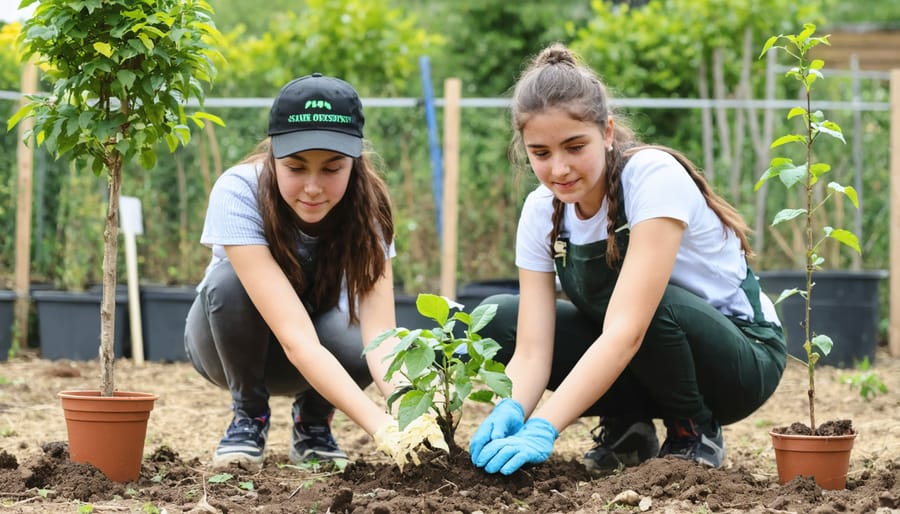
Environmental Initiatives
Young environmental activists are leading remarkable initiatives worldwide, demonstrating the power of youth-driven change. Organizations like Youth Climate Action Network (YouthCAN) have successfully implemented environmental education initiatives in schools across multiple countries, reaching over 50,000 students annually.
The Ocean Warriors Project, founded by high school students in California, has organized beach clean-ups that have removed more than 15 tons of plastic waste from coastal areas. Their innovative approach combines hands-on conservation work with digital advocacy, engaging peers through social media campaigns and educational workshops.
Students for Green Future, a coalition of youth organizations from 30 countries, has successfully lobbied local governments to adopt sustainable practices in urban development. Their achievements include the implementation of renewable energy projects in schools and the creation of community gardens in urban areas.
In Asia, the Green Leaders Network has developed a peer-to-peer mentoring program where experienced young environmentalists guide newcomers in launching their own eco-projects. This model has resulted in the establishment of over 100 local environmental initiatives, from waste reduction programs to biodiversity conservation efforts.
These organizations demonstrate how young people are not just participating in environmental conservation but are actively leading transformative change in their communities, inspiring both peers and adults to take action for a sustainable future.
Social Justice Movements
Young activists have increasingly taken the lead in championing social justice causes, demonstrating remarkable ability to mobilize peers and create meaningful change. Notable examples include student-led climate strikes, which have grown from single-person protests to global movements engaging millions of youth. These initiatives have successfully pushed for environmental policy changes in numerous countries.
In the realm of racial justice, youth organizations have been instrumental in advancing diversity and inclusion efforts through peaceful protests, awareness campaigns, and educational initiatives. Groups like Students Demand Action and March For Our Lives have effectively advocated for gun safety reforms, while organizations such as the Sunrise Movement have combined environmental advocacy with social justice principles.
LGBTQ+ youth groups have established safe spaces in schools and communities, creating peer support networks and promoting inclusivity. Student-led initiatives addressing mental health awareness have resulted in improved resources and support systems in educational institutions. Additionally, youth-driven organizations focusing on educational equity have successfully advocated for curriculum reforms and increased access to educational resources in underserved communities.
These movements demonstrate how young leaders effectively utilize social media and digital platforms to amplify their message, coordinate actions, and build coalitions across geographic boundaries. Their success often stems from combining passionate advocacy with strategic planning and innovative communication approaches.
Supporting Youth-Led Organizations

Creating Supportive Environments
Creating supportive environments for youth-led organizations requires a thoughtful balance of guidance and autonomy. Schools and communities can foster youth leadership by establishing dedicated spaces where young people feel empowered to make decisions and implement their ideas. This begins with developing strong learning partnerships between adults and youth leaders.
Key strategies include providing access to meeting spaces, technology resources, and mentorship opportunities while allowing youth to maintain control over their initiatives. Educators can facilitate this by incorporating leadership development into existing curriculum structures and creating flexible scheduling that accommodates student-led activities.
Community support can be strengthened through:
– Regular forums where youth leaders can present their ideas to stakeholders
– Dedicated funding streams for youth-initiated projects
– Recognition programs that celebrate youth achievements
– Connections with local businesses and organizations
– Professional development opportunities for adult allies
It’s essential to create an environment where failure is viewed as a learning opportunity rather than a setback. This approach helps build resilience and encourages innovation among young leaders. Schools can implement feedback systems that prioritize youth voices and ensure their perspectives are central to decision-making processes.
Success often comes from finding the right balance between structure and freedom, allowing young people to develop their leadership skills while having access to the resources and support they need to succeed.
Resource Access and Management
Effective resource management is crucial for the success of youth-led organizations. To help young leaders access and manage resources efficiently, establish clear financial systems and transparent budgeting processes that students can easily understand and implement. Consider using simple spreadsheet templates or user-friendly budgeting apps designed for youth organizations.
Creating partnerships with local businesses, community organizations, and educational institutions can provide valuable resources beyond financial support. These partnerships often offer meeting spaces, mentorship opportunities, and in-kind donations that help sustain youth initiatives. Encourage young leaders to maintain detailed records of these relationships and resources.
Support youth in developing grant-writing skills and identifying funding opportunities specifically designed for youth-led projects. Many foundations and organizations offer youth-specific grants that have simplified application processes. Guide students in creating resource inventories and action plans that outline their needs and potential sources of support.
Digital tools and platforms can streamline resource management. Consider implementing shared cloud storage for document organization, collaborative project management tools, and communication platforms that help track and allocate resources effectively. Ensure all team members receive proper training in using these tools.
Remember to emphasize sustainable practices in resource management. Help youth leaders develop strategies for long-term resource planning, including succession planning to ensure smooth transitions between leadership teams. Regular resource audits and feedback sessions can help identify areas for improvement and ensure efficient use of available resources.
Building Sustainable Leadership
Building sustainable leadership in youth-led organizations requires intentional planning and a commitment to developing future leaders. Start by creating clear leadership roles and responsibilities that can be easily transferred to new members. Implement a mentorship program where experienced youth leaders guide newer members, sharing knowledge and skills while building confidence.
Documentation is crucial for organizational continuity. Encourage current leaders to maintain detailed records of processes, decisions, and lessons learned. This creates an invaluable resource for future leaders and helps preserve institutional knowledge. Consider using digital platforms for easy access and updating of these materials.
Develop a structured transition plan that begins well before current leaders graduate or move on. This should include shadowing opportunities, gradual transfer of responsibilities, and ongoing support during the transition period. Create leadership development workshops that focus on essential skills like decision-making, conflict resolution, and project management.
To ensure diverse representation in leadership positions, actively recruit members from various backgrounds and experiences. This approach not only strengthens the organization but also provides multiple perspectives in decision-making processes.
Regular evaluation of leadership practices helps identify areas for improvement and adaptation. Encourage feedback from all members and be willing to adjust approaches based on changing needs. Remember that sustainable leadership is about creating a culture of continuous learning and growth, where every member sees themselves as a potential future leader.
Youth-led organizations represent a powerful force for social transformation, demonstrating that young people are not just leaders of tomorrow but change-makers today. Through their innovative approaches, fresh perspectives, and unwavering commitment to social justice, these organizations have proven instrumental in addressing critical community needs and global challenges.
The impact of supporting youth-led initiatives extends far beyond immediate project outcomes. When we invest in youth leadership, we cultivate a generation of engaged citizens who understand the importance of civic participation and collective action. These young leaders develop crucial skills in project management, communication, and problem-solving while building networks that will serve them throughout their careers.
As educators and administrators, our role in nurturing youth-led organizations is crucial. By providing mentorship, resources, and platforms for young voices, we help create sustainable pathways for meaningful youth engagement. This support system enables young people to develop confidence in their abilities and trust in their judgment, leading to more effective and innovative solutions to community challenges.
The success stories we’ve seen from youth-led organizations worldwide demonstrate that when given proper support and recognition, young people can create lasting positive change. From environmental conservation to mental health advocacy, youth leaders have shown remarkable ability to mobilize their peers, engage communities, and influence policy decisions.
Looking ahead, it’s essential to continue breaking down barriers that limit youth participation in decision-making processes. This includes creating more inclusive spaces, providing financial support, and recognizing youth expertise in matters that affect their lives and communities. Educational institutions play a vital role in this process by integrating youth leadership opportunities into their programming and celebrating student-led initiatives.
By supporting youth-led organizations, we invest in a more equitable and sustainable future. The energy, creativity, and determination of young leaders, combined with meaningful adult allyship, creates a powerful foundation for social change that benefits all members of society. As we move forward, let us commit to amplifying youth voices and ensuring that young people have the resources and support they need to continue their important work as catalysts for positive social transformation.