Understanding psychosocial development transforms how we nurture young minds in today’s diverse educational landscape. Erik Erikson’s five stages of psychosocial development offer educators powerful insights into supporting students’ emotional and social growth from early childhood through adolescence. As teachers and administrators in alternative education settings, recognizing these developmental milestones enables us to create more inclusive, supportive learning environments that address the unique needs of each student.
Each stage represents a critical period where students face specific challenges and opportunities for growth. From building trust in early childhood to developing identity during adolescence, these stages shape how students learn, interact, and view themselves. By understanding and actively supporting students through these developmental phases, educators can foster resilience, self-confidence, and social competence.
This practical guide explores how to implement stage-appropriate strategies in alternative education settings, helping teachers create meaningful connections and support systems for their students. Whether you’re working with young children developing basic trust or teenagers exploring their identities, these evidence-based approaches will help you nurture positive psychosocial development in your classroom.
Trust vs. Mistrust in Alternative Learning Environments
Building Trust Through Student-Led Learning
Building trust in alternative classrooms starts with empowering students to take ownership of their learning journey. Create opportunities for students to lead discussions, design projects, and set their own learning goals. Implement peer mentoring programs where experienced students guide newcomers, fostering a supportive community atmosphere.
Incorporate daily check-ins where students share their thoughts, concerns, and achievements. This practice helps develop emotional awareness and strengthens relationships between students and teachers. Use collaborative decision-making processes for classroom rules and consequences, showing students that their voice matters.
Set up trust-building activities like “appreciation circles” where students acknowledge each other’s contributions and growth. Encourage student-led conflict resolution through structured dialogue sessions. These experiences help students develop confidence and interpersonal skills while building mutual trust.
Document student progress through portfolios they create and maintain themselves. This self-reflection tool helps students recognize their growth and take pride in their achievements. Remember to celebrate both individual and group successes, reinforcing the importance of trust and collaboration in the learning environment.
Creating Secure Learning Spaces
Creating a personalized learning environment that supports psychosocial development requires careful attention to both physical and emotional safety. Arrange your classroom with clearly defined spaces for different activities, including quiet corners for reflection and collaborative areas for group work. Ensure that furniture is age-appropriate and arranged to promote both independence and interaction.
Establish consistent routines and clear boundaries while maintaining flexibility to accommodate individual needs. Display student work and culturally diverse materials that reflect your classroom community, helping learners feel represented and valued. Use calming colors and natural lighting when possible, and minimize environmental stressors like excessive noise or cluttered spaces.
Create emotional safety through clear communication channels, predictable responses to challenges, and regular check-ins with students. Implement a system for students to express their feelings and concerns privately, such as a suggestion box or dedicated meeting times. Remember that emotional security develops gradually through consistent, supportive interactions and respect for personal boundaries. When students feel physically and emotionally secure, they’re better positioned to explore, learn, and develop trust in themselves and others.

Autonomy vs. Shame in Progressive Education
Student Choice and Decision-Making
Empowering students to make choices in their learning journey strengthens their sense of autonomy and supports healthy psychosocial development. Start by offering simple choices in daily activities, such as selecting reading materials or project topics that align with curriculum goals. Create a classroom suggestion box where students can contribute ideas for future lessons or activities.
Consider implementing a flexible seating arrangement where students choose their preferred learning spaces. Develop student-led committees that help plan special events or classroom activities. Allow students to set personal academic goals and create their own action plans to achieve them, with guidance from teachers as needed.
Incorporate regular reflection periods where students evaluate their choices and their outcomes. This helps develop decision-making skills and responsibility. Use choice boards or learning menus that provide multiple pathways to demonstrate understanding of concepts. Remember to gradually increase the complexity of choices as students develop stronger decision-making abilities.
When students participate in curriculum planning, they become more invested in their education and develop crucial life skills. Always ensure choices are meaningful and align with learning objectives while maintaining appropriate boundaries and structure.
Supporting Independence While Maintaining Structure
Supporting student independence while maintaining necessary structure requires a delicate balance. Educators can create an environment that encourages autonomy by implementing choice boards, allowing students to select their learning activities within established parameters. This approach helps students develop decision-making skills while ensuring they meet educational objectives.
Consider using scaffolded freedom, where students gradually receive more independence as they demonstrate responsibility and understanding. For example, start with structured choices between two options, then progressively expand to more open-ended projects as students show readiness.
Classroom contracts and collaborative rule-setting can help students feel ownership over their learning environment while maintaining clear boundaries. When students participate in establishing guidelines, they’re more likely to understand and respect them.
Implement regular check-ins and progress monitoring to ensure students stay on track without feeling micromanaged. Use visual schedules and clear routines that students can follow independently, allowing them to take charge of their learning journey while having access to support when needed.
Remember that structure should serve as a framework for growth rather than a limitation. The goal is to empower students while providing the guidance they need to succeed.
Initiative vs. Guilt in Project-Based Learning
Student-Initiated Projects
Empowering students to initiate and lead their own projects is crucial for healthy psychosocial development. Start by creating a supportive classroom environment where students feel safe to express their ideas and take ownership of their learning. Guide students through a structured brainstorming process, helping them identify projects that align with their interests while supporting developmental milestones.
Encourage students to work in small groups or individually, depending on their comfort level. Provide a simple project planning template that includes goals, timeline, resources needed, and expected outcomes. This framework helps students develop initiative while maintaining clear direction.
Support student autonomy by allowing them to choose project topics and presentation methods. Some may prefer creating digital presentations, while others might opt for hands-on demonstrations or artistic expressions. Regular check-ins help monitor progress without undermining student independence.
Remember to celebrate both the process and outcomes. Create opportunities for students to share their projects with peers, fostering a sense of accomplishment and community. This approach naturally reinforces key psychosocial development elements like industry, identity formation, and social competence.

Constructive Feedback Approaches
When providing feedback to support initiative during psychosocial development stages, focus on specific, observable behaviors rather than general statements. Start by acknowledging the student’s effort and highlighting positive actions they’ve taken. For example, saying “I noticed how you helped organize the group project and made sure everyone had a role” is more effective than simply stating “Good job.”
Use the “sandwich” approach: begin with positive observations, address areas for growth, and end with encouraging future possibilities. Frame challenges as opportunities for learning and growth, such as “Next time, you might try…” instead of pointing out what went wrong.
Encourage self-reflection by asking open-ended questions like “What do you think worked well?” or “How might you approach this differently?” This helps students develop their critical thinking skills and take ownership of their learning process.
Remember to maintain consistent feedback channels and create a safe space where students feel comfortable taking risks and trying new approaches. Regular check-ins and progress discussions can help students stay motivated and build confidence in their abilities.
Consider using visual aids or progress trackers to help students visualize their growth and celebrate small wins along their developmental journey.
Industry vs. Inferiority in Skill Development
Personalized Competency Development
To effectively support students through the five stages of psychosocial development, educators must focus on individualized skill development that acknowledges each student’s unique progress and needs. Begin by conducting comprehensive baseline assessments to understand where each student stands in their developmental journey. Use observation checklists, student portfolios, and regular check-ins to track progress across social, emotional, and cognitive domains.
Create personalized learning plans that target specific competencies within each developmental stage. For example, during the industry vs. inferiority stage, some students might need extra support in building task completion confidence, while others may require challenges to develop their problem-solving abilities.
Implement a flexible assessment system that allows students to demonstrate mastery in various ways. This might include project-based assessments, peer evaluations, or self-reflection exercises. Regular feedback sessions help students understand their growth and set meaningful goals for continued development.
Remember to involve students in their own development planning, allowing them to voice their interests and concerns. This collaborative approach enhances engagement and helps students take ownership of their learning journey.
Collaborative Learning Opportunities
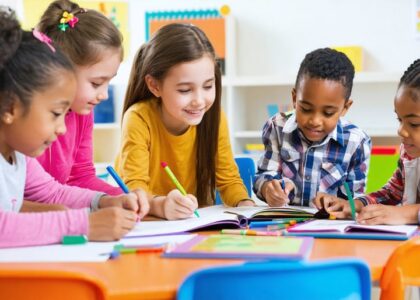
Group activities play a vital role in supporting psychosocial development across all five stages. Consider implementing peer mentoring programs where older students guide younger ones, fostering both leadership and social skills. Create collaborative projects that allow students to work together while exploring their individual identities and strengths.
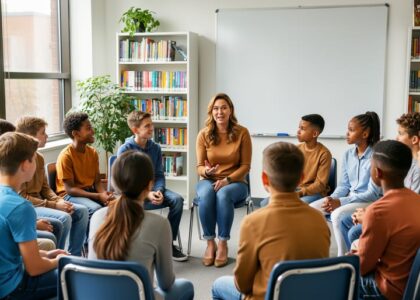
Set up classroom discussion circles where students can share their experiences and perspectives, helping them develop trust and emotional awareness. Design role-playing exercises that let students practice different social scenarios and problem-solving strategies in a safe environment. These activities can be particularly effective when aligned with each developmental stage’s unique challenges and opportunities.
Encourage team-building exercises that promote initiative and cooperation, such as group art projects or community service activities. Create opportunities for students to celebrate each other’s achievements and support one another through challenges. Consider establishing student-led clubs or interest groups that allow for natural social interaction and skill development.
Remember to adapt these collaborative activities to meet diverse learning needs and cultural backgrounds, ensuring all students feel included and valued in the learning process. Regular reflection sessions can help students process their experiences and understand their growth within the group context.

Identity vs. Role Confusion in Alternative Education
Cultural and Individual Expression
In alternative education settings, celebrating personal identity and cultural diversity in education plays a vital role in supporting psychosocial development. Educators can implement activities that honor students’ unique backgrounds while fostering self-expression and community connection. Creative projects like cultural heritage presentations, family story sharing, and identity mapping help students explore and affirm their individual experiences. Collaborative art installations, multicultural festivals, and community service projects encourage students to express themselves while learning about others’ perspectives.
Consider incorporating daily rituals that celebrate diversity, such as morning circles where students share personal stories, multilingual word walls, or cultural exchange days. These activities help build confidence, develop social awareness, and strengthen cultural competency. Digital storytelling projects and student-led cultural workshops can empower learners to take ownership of their narratives while developing leadership skills. Remember to create safe spaces where all voices are heard and respected, ensuring that every student feels valued and represented in the learning community.
Future Planning and Self-Discovery
Supporting students in their journey of self-discovery and future planning is crucial during the psychosocial development stages. Create opportunities for students to explore their interests through career fairs, job shadowing, and informational interviews with professionals. Implement personality assessments and interest inventories that help students understand their strengths and preferences.
Encourage students to maintain reflection journals where they can document their goals, dreams, and evolving interests. Set up mentorship programs that connect students with role models who can share real-world experiences and guidance. Design project-based learning activities that allow students to test different roles and responsibilities in a safe environment.
Use visual tools like vision boards and mind maps to help students articulate their aspirations. Facilitate group discussions where students can share their plans and receive constructive feedback from peers. Consider implementing portfolio development activities where students can collect evidence of their skills and achievements.
Remember to maintain cultural sensitivity and acknowledge that different students may have varying perspectives on success and future planning. Regular check-ins and adjustment of goals ensure students stay motivated and engaged in their personal development journey.
Implementing Erikson’s five stages of psychosocial development in alternative education settings offers transformative opportunities for student growth and success. By incorporating age-appropriate activities, creating supportive learning environments, and maintaining open communication with families, educators can effectively nurture their students’ social-emotional development. Regular assessment and adaptation of teaching strategies ensure that each child’s unique developmental needs are met. Remember that consistency and patience are key – positive changes often emerge gradually as students progress through these crucial developmental stages. Through intentional implementation of these strategies, educators can create inclusive learning spaces where students develop strong identities, build meaningful relationships, and gain the confidence to tackle new challenges. Together, we can foster environments where every student thrives emotionally, socially, and academically.