Today’s classrooms demand a curriculum that honors and amplifies every student’s cultural identity, experiences, and perspective. Culturally responsive teaching transforms traditional education by weaving diverse cultural knowledge, viewpoints, and learning styles into daily instruction. This approach moves beyond surface-level diversity celebrations to create deeply meaningful learning experiences that validate students’ cultural backgrounds while advancing academic excellence.
A culturally responsive curriculum achieves what traditional approaches often miss: it empowers students to see themselves reflected in their learning while developing critical thinking skills about the world around them. Rather than treating diversity as an afterthought, this framework places students’ cultural assets at the center of instruction, creating engaging learning environments where every child can thrive. By intentionally connecting academic content to students’ lived experiences and cultural references, educators can build stronger relationships, increase student engagement, and ultimately improve learning outcomes for all learners.
For educators committed to equity and excellence, understanding and implementing culturally responsive curriculum isn’t just an option—it’s an essential approach to meeting the needs of today’s diverse student populations.
What Makes a Curriculum Culturally Responsive?

Student-Centered Learning Approaches
Effective student-centered learning approaches form the foundation of culturally responsive curriculum design. By actively incorporating students’ lived experiences, cultural knowledge, and personal perspectives into daily lessons, educators create meaningful connections that enhance engagement and understanding.
Start by inviting students to share their stories and experiences through activities like cultural autobiography projects, family history presentations, or community mapping exercises. These activities help students see themselves reflected in the curriculum while teaching their peers about diverse perspectives and experiences.
Create opportunities for student choice in assignments and assessments. Allow learners to demonstrate their understanding through various formats that align with their cultural strengths and learning preferences. This might include oral presentations, visual art, written work, or digital projects.
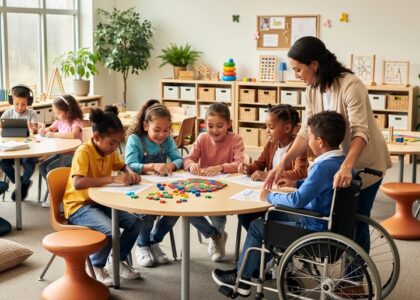
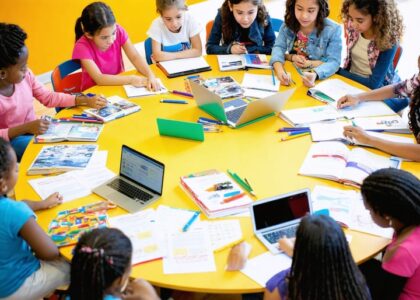
Implement collaborative learning strategies that encourage students to learn from one another’s experiences and viewpoints. Small group discussions, peer teaching, and project-based learning activities help create an inclusive classroom environment where diverse perspectives are valued and shared.
Regular reflection and feedback from students about their learning experiences helps educators adjust and improve their teaching approaches to better serve all learners.
Cultural Knowledge Integration
Successfully integrating cultural knowledge into curriculum requires a thoughtful, multi-layered approach that honors diverse perspectives and experiences. Start by incorporating materials that reflect various cultural viewpoints, including literature, historical accounts, and contemporary resources from different communities. Use authentic voices and primary sources whenever possible to ensure accurate representation.
Create opportunities for students to share their own cultural experiences and knowledge through classroom discussions, projects, and presentations. This not only enriches the learning environment but also validates students’ diverse backgrounds and experiences. Consider implementing a “cultural expert” program where community members, parents, and cultural leaders can contribute their expertise to specific topics.
Weave cultural perspectives throughout the entire curriculum rather than treating them as separate or supplementary content. For example, when teaching mathematics, incorporate problem-solving methods from different cultures or discuss how various societies have approached mathematical concepts. In science, explore how different communities have traditionally understood and interacted with natural phenomena.
Include diverse assessment methods that acknowledge different cultural ways of demonstrating knowledge and understanding. This might involve oral presentations, collaborative projects, or storytelling, alongside traditional written assessments. Remember that cultural integration should be meaningful and purposeful, not superficial or tokenistic.
Key Components of Cultural Responsiveness

Inclusive Content Selection
When selecting content for your curriculum, prioritize materials that reflect the diverse backgrounds, experiences, and perspectives of all students in your classroom. Start by reviewing your current resources and identifying gaps in representation. Look for culturally responsive curriculum examples that showcase diverse authors, characters, and viewpoints.
Choose texts and materials that:
– Feature protagonists and authors from various cultural backgrounds
– Present historical events from multiple perspectives
– Include authentic cultural contexts and experiences
– Avoid stereotypes and oversimplification
– Reflect contemporary issues relevant to students’ lives
Consider incorporating multimedia resources like videos, podcasts, and digital content that represent diverse voices. When selecting materials, involve your students in the process by asking for their input and feedback. This not only ensures relevance but also helps students feel valued and represented in their learning journey.
Remember to regularly evaluate your content selection through an equity lens. Ask yourself:
– Does this material authentically represent diverse cultures?
– Are different perspectives and experiences validated?
– Do students see themselves reflected in the learning materials?
– Does the content challenge cultural biases and promote understanding?
By thoughtfully selecting inclusive materials, you create a learning environment where all students feel acknowledged, respected, and empowered to engage fully in their education.
Authentic Assessment Methods
Assessment methods in culturally responsive curriculum must reflect and respect diverse ways of demonstrating knowledge and understanding. Rather than relying solely on traditional tests and quizzes, educators should implement a variety of assessment strategies that allow students to showcase their learning in culturally meaningful ways.
Performance-based assessments, such as projects, presentations, and demonstrations, enable students to connect learning to their lived experiences. For example, students might create a family history podcast, design a community improvement project, or develop solutions to local environmental challenges.
Portfolio assessment proves particularly effective, as it allows students to collect and reflect on work samples over time, demonstrating growth through artifacts that hold personal and cultural significance. Digital portfolios can include multimedia elements like videos, artwork, and recordings in students’ heritage languages.
Formative assessment strategies should incorporate cultural references and community knowledge. This might include storytelling circles, peer interviews, or collaborative problem-solving activities that draw on diverse cultural perspectives. Regular self-reflection opportunities help students connect academic content with their cultural identities and experiences.
Assessment criteria should be transparent and developed with student input when possible. Rubrics should value multiple perspectives and ways of knowing, while feedback should be delivered in culturally sensitive ways that encourage growth and validate students’ cultural strengths.
Implementation Strategies
Classroom Environment
A culturally responsive curriculum begins with creating an inclusive learning environment where every student feels valued and represented. The physical classroom space should reflect the diverse backgrounds of all students through multicultural displays, multilingual resources, and student-created artifacts that celebrate their heritage.
Teachers should arrange seating to facilitate collaborative learning and dialogue, ensuring students can easily work in pairs or small groups. Cultural elements can be incorporated through reading corners featuring diverse authors, world maps highlighting students’ countries of origin, and bulletin boards showcasing various cultural celebrations and achievements.
The classroom atmosphere should promote respect and open dialogue, where students feel safe sharing their experiences and perspectives. This includes establishing clear guidelines for respectful communication and creating opportunities for students to serve as cultural experts when appropriate. Visual aids, technology, and learning materials should represent diverse perspectives and experiences, helping students see themselves reflected in their learning environment while developing appreciation for others’ cultures.
Teaching Methods
Effective culturally responsive teaching methods engage students through their diverse cultural experiences and learning styles. Teachers can implement multiple strategies to create an inclusive learning environment. Start by incorporating diverse examples and materials that reflect students’ backgrounds, using storytelling techniques from various cultures to explain concepts, and connecting learning objectives to real-world situations relevant to students’ lives.
Group work can be structured to honor different communication styles and cultural perspectives. For example, some students may prefer collaborative problem-solving approaches common in their communities, while others might benefit from individual reflection time before group discussions. Teachers should also vary assessment methods to accommodate different ways of demonstrating knowledge, such as oral presentations, visual projects, or written work.
Instructional differentiation should consider language needs, learning preferences, and cultural contexts. This might include using visual aids, incorporating movement-based activities, or allowing students to express understanding through their preferred communication style. Regular check-ins with students and families help ensure teaching methods remain culturally appropriate and effective.
Remember that culturally responsive teaching is dynamic and requires ongoing adaptation based on student feedback and classroom observations. Success comes from maintaining flexibility and willingness to adjust approaches as needed.
Community Engagement
Community engagement is a vital component of developing and implementing a culturally responsive curriculum. By actively involving families and community members in the curriculum development process, schools can create more authentic and meaningful learning experiences that reflect students’ cultural backgrounds and lived experiences.
Start by establishing regular communication channels with families through newsletters, workshops, and digital platforms. Invite parents and community leaders to share their expertise, cultural traditions, and perspectives during the curriculum planning phase. This collaboration can take various forms, such as cultural advisory committees, focus groups, or community forums where stakeholders can provide input on educational content and teaching approaches.
Consider creating opportunities for community members to serve as guest speakers, cultural mentors, or classroom volunteers. Their presence and contributions can enrich the learning environment and help students see connections between their academic studies and real-world experiences. Additionally, organize cultural events, celebrations, and project presentations that showcase student learning while bringing together families, educators, and community members in meaningful ways.
Remember that effective community engagement is an ongoing process that requires dedication, active listening, and genuine respect for diverse perspectives and experiences.

Measuring Success and Impact
Measuring the success of a culturally responsive curriculum requires both quantitative and qualitative assessment methods. Educators should focus on multiple indicators to gain a comprehensive understanding of their curriculum’s effectiveness.
Student engagement serves as a primary indicator, observable through increased participation, improved attendance rates, and higher levels of classroom interaction. Track these metrics over time while noting any positive trends that emerge after implementing culturally responsive practices.
Academic achievement data provides crucial insights when analyzed through an equity lens. Look for improvements in assessment scores across all student groups and monitor whether achievement gaps are narrowing. However, remember that traditional testing methods may not capture the full impact of cultural responsiveness.
Student feedback is invaluable for measuring success. Regular surveys, focus groups, and informal conversations can reveal how students feel about their learning experience. Pay attention to whether students report feeling represented, understood, and valued in the classroom.
Family and community engagement often increases with effective culturally responsive teaching. Track parent participation in school events, communication frequency, and feedback from family surveys. Strong community partnerships and increased family involvement indicate successful cultural integration.
Consider collecting evidence through:
– Student portfolios showcasing cultural connections
– Classroom observations focusing on inclusive practices
– Teacher reflection journals
– Peer review feedback
– Documentation of cultural learning experiences
Document both immediate outcomes and long-term impacts, such as improved student self-identity, increased cross-cultural understanding, and stronger school-community relationships. Regular evaluation helps refine and strengthen your culturally responsive approach while ensuring it continues to meet the diverse needs of all learners.
Implementing a culturally responsive curriculum is an ongoing journey that requires dedication, reflection, and continuous learning. By embracing the core principles of cultural responsiveness, educators can create inclusive learning environments that celebrate diversity, promote equity, and enhance student engagement. Remember that small changes can make a significant impact – whether it’s incorporating diverse perspectives into lesson plans, using inclusive language, or creating authentic connections with students’ communities.
The success of culturally responsive teaching lies in your commitment to understanding and valuing each student’s unique background while maintaining high academic expectations for all. As you move forward, focus on building meaningful relationships, regularly assessing and adapting your teaching strategies, and collaborating with colleagues to share best practices.
Take the first step today by choosing one aspect of your curriculum to enhance with culturally responsive elements. Your efforts will contribute to creating a more equitable educational experience that empowers all students to succeed. Remember, culturally responsive teaching isn’t just an addition to your curriculum – it’s a transformative approach that benefits every student in your classroom.