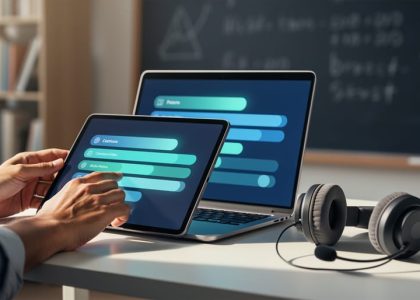
Transform your classroom into a dynamic learning ecosystem where every student thrives at their own pace. Today’s AI-powered learning strategies make personalized education not just possible, but practical for educators at every level.
Personalized learning programs represent a fundamental shift from the traditional one-size-fits-all approach, offering targeted pathways that adapt to individual student needs, learning speeds, and preferences. By combining data-driven insights with flexible curriculum design, these programs empower teachers to provide precise, timely interventions while allowing students to take ownership of their educational journey.
Recent studies show that well-implemented personalized learning initiatives can increase student engagement by up to 40% and improve academic outcomes across diverse learning populations. For educators ready to embrace this transformative approach, the benefits extend beyond academic achievement to include enhanced student confidence, improved classroom management, and more meaningful teacher-student interactions.
This comprehensive guide will walk you through the essential components of building and maintaining an effective personalized learning environment, with practical strategies you can implement immediately in your classroom.
How AI Transforms Individual Learning Paths

Real-Time Assessment and Adaptation
One of the most powerful features of modern personalized learning programs is their ability to monitor and respond to student progress in real time. Through adaptive learning technology, these systems continuously collect data on student performance, engagement levels, and learning patterns. As students work through assignments and activities, the program analyzes their responses, completion times, and areas of difficulty.
This ongoing assessment allows the system to make immediate adjustments to content difficulty and learning paths. When a student consistently performs well, the program automatically introduces more challenging material. Conversely, if a student struggles with certain concepts, the system provides additional support and practice opportunities before advancing to more complex topics.
Teachers receive detailed insights through dynamic dashboards, showing both individual and class-wide progress. These real-time updates enable educators to make informed decisions about when to intervene, which students need additional support, and how to adjust their teaching strategies for optimal learning outcomes. This responsive approach ensures that each student remains appropriately challenged while building confidence and maintaining engagement.
Learning Style Recognition
Modern AI-powered learning platforms excel at recognizing and adapting to individual learning styles, making personalized education more effective than ever before. These systems analyze how students interact with educational content, tracking patterns in their responses, pace, and preferred content formats.
For example, when a student consistently performs better with visual materials, the system automatically incorporates more diagrams, videos, and infographics into their learning path. Similarly, students who learn best through hands-on experiences receive more interactive exercises and practical applications.
The technology considers multiple learning dimensions, including:
– Visual vs. verbal preferences
– Sequential vs. global understanding
– Active vs. reflective processing
– Sensing vs. intuitive learning approaches
What makes this recognition particularly powerful is its dynamic nature. Rather than relying on one-time assessments, AI continuously monitors and adjusts to changes in learning preferences over time. This flexibility ensures that students receive the most effective learning experience as they develop and their preferences evolve.
Teachers can access detailed insights about their students’ learning styles through easy-to-understand dashboards, enabling them to make informed decisions about classroom instruction and support.
Building Your Classroom’s Personalized Learning Environment
Setting Up Digital Learning Profiles
Creating effective digital learning profiles is a foundational step in implementing a successful personalized learning program. Begin by gathering essential information about each student through a combination of assessments, surveys, and observations. Focus on collecting data about learning preferences, academic strengths, areas for growth, and personal interests.
Start with a baseline assessment to understand current academic levels across core subjects. Include questions about preferred learning styles (visual, auditory, kinesthetic) and optimal learning environments. Document any specific accommodations or modifications needed for individual students.
Next, establish clear learning goals with each student. These should be specific, measurable, and aligned with curriculum standards while incorporating student interests and aspirations. Remember to include both short-term objectives and long-term academic targets.
Use digital tools to organize and track this information systematically. Many learning management systems offer built-in features for creating and maintaining student profiles. Regular updates are crucial – schedule monthly check-ins to review and adjust profiles based on student progress and changing needs.
Include space for student self-reflection and feedback. This empowers students to take ownership of their learning journey and helps educators better understand their perspectives. Consider creating a simple template that includes:
– Academic performance data
– Learning preferences and styles
– Personal interests and motivations
– Goals and progress tracking
– Accommodation needs
– Student reflections
– Parent/guardian input
Remember to maintain student privacy and secure all profile information according to school policies and regulations. Share relevant profile information with other teachers and support staff who work directly with the student to ensure consistent support across all learning environments.

Integrating AI Tools with Existing Curriculum
Integrating AI tools into your existing curriculum doesn’t have to be overwhelming. Start by identifying specific learning objectives where AI can enhance your current teaching methods. For example, if you’re already practicing differentiated instruction with technology, AI tools can help streamline the process of creating varied learning paths for students.
Begin with one subject area or unit where you feel most comfortable experimenting. Many educators find success starting with reading comprehension or math practice, where AI-powered adaptive learning platforms can provide immediate feedback and adjust difficulty levels automatically. These tools work alongside your existing lesson plans, complementing rather than replacing traditional teaching methods.
Consider implementing a “blended approach” where AI tools are used for:
– Pre-assessment to gauge student understanding
– Practice sessions during independent work time
– Review and reinforcement of concepts
– Progress monitoring and data collection
Remember to maintain the human element in your teaching. Use AI-generated insights to inform your instructional decisions while continuing to provide personal guidance and support. Schedule regular check-ins with students to discuss their experience with the AI tools and make adjustments as needed.
Collaborate with fellow teachers who are also incorporating AI tools. Share successful strategies and learn from each other’s experiences. Many schools have created teacher-led working groups focused on technology integration, which can provide valuable support and resources for implementing AI effectively.
Most importantly, view AI integration as a gradual process. Start small, celebrate successes, and build upon what works well for your specific classroom context.
Measuring Success in Personalized Learning

Student Progress Tracking
Effective tracking of student progress is essential for the success of any personalized learning program. Digital dashboards and learning management systems provide real-time insights into student performance, allowing teachers to make data-driven decisions about instructional adjustments. These tools typically display key metrics such as completion rates, time spent on tasks, and mastery levels across different subjects.
Regular assessment takes multiple forms, including formative checks, project evaluations, and skill demonstrations. Teachers can use digital portfolios to collect and analyze student work samples, documenting growth over time. These portfolios might include written assignments, video presentations, or interactive projects that showcase learning progression.
Progress monitoring should be collaborative, involving both teachers and students in the tracking process. Students can use self-assessment tools and learning journals to reflect on their achievements and set personal goals. This ownership of learning helps develop metacognitive skills and promotes student agency.
Data visualization tools make it easier to identify patterns in student performance and spot areas needing intervention. Color-coded progress maps and achievement graphs help teachers quickly understand where students stand in their learning journey. Regular progress reports shared with families keep everyone informed and engaged in the student’s educational development.
Remember to celebrate small wins and milestone achievements, as this positive reinforcement motivates students to continue engaging with their personalized learning paths.
Program Adjustment Strategies
Regular assessment and adjustment of your personalized learning program ensures its continued effectiveness and relevance. Start by gathering feedback through student surveys, progress reports, and teacher observations. This multi-source approach provides a comprehensive view of what’s working and what needs improvement.
When data indicates that students aren’t meeting their learning goals, consider adjusting the pace or difficulty level of content. Sometimes, simply changing the delivery method or incorporating different learning tools can make a significant difference. For instance, if students struggle with text-based content, try introducing more visual or interactive elements.
Pay attention to engagement metrics and student participation patterns. If you notice declining engagement, try implementing more collaborative activities or gamified elements. Remember that personalization isn’t just about academic content—it’s also about adapting to students’ emotional and social needs.
Create adjustment cycles that align with your school’s assessment periods. This helps maintain consistency while allowing enough time for meaningful changes to show results. Document all modifications and their outcomes to build a knowledge base for future adjustments.
Most importantly, involve students in the adjustment process. Their input often provides valuable insights that data alone might miss. Regular check-ins and student-teacher conferences can help fine-tune individual learning paths and ensure that personalization truly serves each student’s needs.
Addressing Common Implementation Challenges
Technology Integration Support
Implementing technology in your personalized learning program doesn’t have to be overwhelming. Start by assessing your existing resources and identifying key areas where additional support may be needed. Many schools find success by appointing a dedicated tech coordinator or forming a peer support network where teachers can share solutions and troubleshooting tips.
Consider creating a simple troubleshooting guide that addresses common technical issues. This resource should include step-by-step instructions for basic problems like login difficulties, connectivity issues, and software updates. Keep it accessible in both digital and printed formats for quick reference.
Professional development is crucial for successful technology integration. Schedule regular training sessions focusing on specific tools and platforms used in your program. These sessions can be supplemented with online tutorials, video guides, and collaborative workshops where teachers can practice with new technologies in a supportive environment.
Establish a reliable communication channel for technical support, whether through a help desk system, dedicated email address, or online forum. This ensures teachers can quickly get assistance when needed, minimizing disruption to learning activities.
Remember to maintain a backup plan for technology-dependent lessons. Having offline alternatives ready ensures learning continues even when technical issues arise. Consider creating a shared resource bank where teachers can access and contribute to a collection of both digital and non-digital learning materials.
Don’t forget to leverage your student tech leaders. Many schools have found success in creating student tech teams who can provide basic support and troubleshooting assistance, fostering leadership skills while reducing the burden on teachers.
Maintaining Student Engagement
Maintaining student engagement in a personalized learning environment requires a strategic blend of motivation, feedback, and interactive elements. To effectively boost student engagement, educators should implement a variety of techniques that cater to different learning styles and preferences.
Start by establishing clear learning goals with each student, ensuring they understand the purpose and relevance of their personalized learning path. Create milestone celebrations that acknowledge progress, no matter how small, to build confidence and maintain momentum. Regular check-ins, whether virtual or in-person, help students feel supported and provide opportunities to address challenges before they become obstacles.
Incorporate gamification elements such as point systems, badges, or level achievements to make learning more engaging. These elements can create healthy competition while maintaining focus on individual progress rather than comparison with peers. Interactive content, such as multimedia presentations, virtual simulations, and hands-on projects, helps maintain interest and accommodates different learning preferences.
Encourage peer collaboration through structured group activities that complement individual learning paths. This balance between independent work and social learning creates a supportive community atmosphere while maintaining personalization. Consider implementing student choice boards that allow learners to select from various activities that meet the same learning objective, empowering them to take ownership of their learning journey.
Remember to regularly gather student feedback about their engagement levels and adjust strategies accordingly. This responsive approach ensures the personalized learning program remains effective and meaningful for each student.
As we’ve explored throughout this article, personalized learning programs represent a transformative approach to education that can significantly enhance student engagement and achievement. By implementing these strategies in your classroom, you’re taking an important step toward creating a more inclusive and effective learning environment for all students.
Remember that successful implementation doesn’t happen overnight. Start small by choosing one or two personalized learning strategies that align with your teaching style and classroom needs. As you and your students become more comfortable with these approaches, gradually expand your toolkit and refine your methods based on feedback and results.
The key to success lies in maintaining flexibility and staying responsive to your students’ needs. Regular assessment and adjustment of your personalized learning strategies will help ensure their effectiveness. Don’t hesitate to reach out to fellow educators who have implemented similar programs – their experiences and insights can be invaluable resources on your journey.
Take advantage of available professional development opportunities and digital tools to enhance your personalized learning program. Remember that you’re not just teaching content; you’re empowering students to become independent, confident learners who understand their own learning preferences and needs.
As you move forward, keep celebrating small victories and learning from challenges. Your commitment to personalized learning is an investment in your students’ future success. Together, we can create learning environments that truly serve every student’s unique potential.