In today’s interconnected world, developing global competence through meaningful student engagement has become essential for preparing young minds for an increasingly interconnected future. Global citizenship projects offer educators a powerful platform to transform classroom learning into real-world impact, connecting students with diverse perspectives and challenges across cultures.
These initiatives go beyond traditional curriculum boundaries, enabling students to develop critical thinking skills while fostering empathy and cross-cultural understanding. By engaging in collaborative projects with international partners, analyzing global issues, and creating solutions for worldwide challenges, students become active participants in shaping a more sustainable and equitable world.
Our experience with thousands of educators has shown that successful global citizenship projects not only enhance academic achievement but also cultivate essential 21st-century skills like digital literacy, intercultural communication, and problem-solving abilities. Whether through virtual exchanges, community service initiatives, or environmental conservation efforts, these projects empower students to see themselves as capable agents of positive change in our global community.
Let’s explore how you can create transformative learning experiences that prepare your students for global citizenship while meeting educational standards and fostering meaningful connections across borders.
Building Global Awareness Through Local Action
Connecting Local Issues to Global Challenges
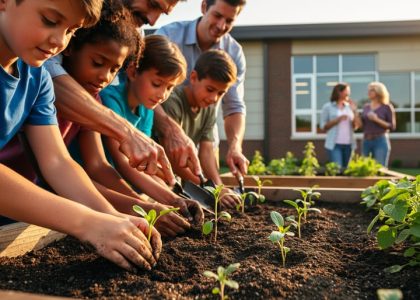
Every local challenge presents an opportunity to understand and address larger global issues. When students work on neighborhood recycling initiatives, they connect directly to worldwide environmental sustainability efforts. A school garden project, for instance, can spark discussions about global food security, sustainable agriculture, and climate change.
Students addressing local homelessness through community outreach naturally explore broader topics of poverty, economic inequality, and social justice on a global scale. Similarly, programs supporting new immigrant families in the school community open conversations about worldwide migration patterns, cultural diversity, and human rights.
Water conservation projects in the school can lead to understanding global water scarcity issues. Anti-bullying campaigns connect to international discussions about peace-building and conflict resolution. Even simple projects like organizing a cultural fair can help students recognize the interconnectedness of our global society.
These local-to-global connections help students understand that their actions have far-reaching impact, fostering both community engagement and global awareness. By starting with familiar local contexts, educators can guide students toward meaningful participation in addressing worldwide challenges.

Cultural Competency Through Community Engagement
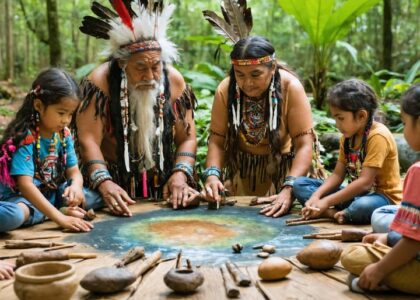
Engaging with diverse communities through service projects provides students with authentic opportunities to develop cultural competency in the classroom and beyond. When students work alongside community members from different cultural backgrounds, they gain firsthand experience in cross-cultural communication, empathy, and mutual understanding.
These interactions help break down stereotypes and preconceptions while building meaningful relationships. Students learn to appreciate different perspectives, traditions, and ways of life through direct engagement rather than abstract concepts. Service projects might include collaborating with immigrant organizations, participating in cultural exchange programs, or working with local community centers serving diverse populations.
To maximize learning outcomes, educators should guide students in reflection activities that connect their service experiences to broader concepts of global citizenship. This can include journaling, group discussions, and multimedia presentations where students share their insights and growth. The combination of hands-on service and structured reflection helps students develop lasting cultural awareness and sensitivity that they can carry forward into their future roles as global citizens.
Designing Effective Service Learning Projects

Project Planning and Goal Setting
Effective project planning begins with establishing clear, measurable objectives that foster global citizenship among students. Start by engaging your students in a collaborative goal-setting process that connects their interests with global issues. Consider using the SMART framework (Specific, Measurable, Achievable, Relevant, and Time-bound) to structure your project goals.
When setting objectives, focus on developing key global citizenship competencies such as cross-cultural understanding, environmental awareness, and social responsibility. For example, if your class is working on a water conservation project, objectives might include researching global water access issues, connecting with students in water-stressed regions, and implementing local water-saving initiatives.
Create a project timeline that breaks down larger goals into manageable milestones. This helps students stay motivated and allows for regular progress checks. Include both individual and group objectives to promote personal growth alongside collaborative skills.
Remember to incorporate reflection points throughout the project. These moments allow students to consider their learning journey and understand how their actions contribute to global citizenship. Use tools like digital portfolios or reflection journals to document progress and insights.
Consider assessment criteria that value both the process and outcome of the project. Look for evidence of growing global awareness, practical skills development, and positive community impact. This balanced approach ensures that students understand the connection between their local actions and global implications.
Incorporating Student Voice and Choice
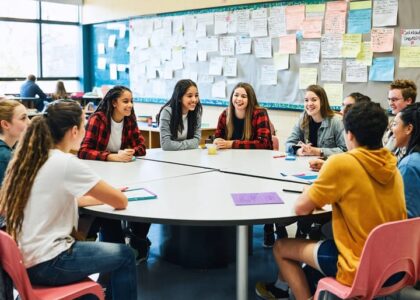
Empowering students to take ownership of their global citizenship projects creates deeper engagement and more meaningful learning outcomes. Start by conducting interest surveys and class discussions to identify issues that resonate with your students. Create opportunities for them to brainstorm project ideas in small groups, encouraging them to connect global challenges with local action.
Implement a democratic process for project selection, allowing students to pitch their ideas and vote on initiatives they find most compelling. This approach helps develop leadership skills while ensuring projects align with students’ genuine interests. Consider using digital polling tools or interactive bulletin boards where students can post and discuss potential project directions.
Provide structured choice boards that offer various ways for students to contribute based on their strengths and preferences. For example, some students might excel at research and planning, while others prefer hands-on implementation or creative documentation. This flexibility allows for multiple entry points into the project while maintaining clear learning objectives.
Encourage student leadership by establishing project committees with rotating roles. These might include research coordinators, community liaisons, and media teams. Support students in creating project timelines and success criteria, guiding them to set realistic goals while maintaining high expectations. Regular reflection sessions help students adjust their approach and celebrate progress, reinforcing their agency in the learning process.
Assessment and Reflection Components
To effectively measure student growth in global awareness, educators should implement a multi-faceted assessment approach that combines both quantitative and qualitative methods. Regular reflection journals allow students to document their evolving perspectives, challenges, and learning moments throughout the project. These personal narratives provide valuable insights into students’ developing cultural understanding and empathy.
Create digital portfolios where students can showcase their project work, including photos, videos, and written reflections from their global citizenship activities. These portfolios serve as powerful evidence of learning and can be shared with the broader school community.
Pre and post-project surveys help track changes in students’ attitudes, knowledge, and behaviors related to global issues. Include questions about cultural awareness, problem-solving abilities, and commitment to civic engagement. Student presentations and group discussions offer opportunities for peer assessment and collaborative reflection.
Consider implementing rubrics that evaluate specific global competencies such as cross-cultural communication, critical thinking about global issues, and collaborative problem-solving. These rubrics should be shared with students at the project’s start to guide their learning journey.
Encourage students to set personal goals related to global citizenship and regularly assess their progress. This self-assessment component helps develop metacognitive skills and ownership of learning. Partner with global education organizations to access established assessment tools and frameworks that align with international standards.
Remember to celebrate growth and achievement throughout the process, creating a positive environment that motivates continued engagement with global issues.
Digital Tools for Global Connections
Virtual Collaboration Platforms
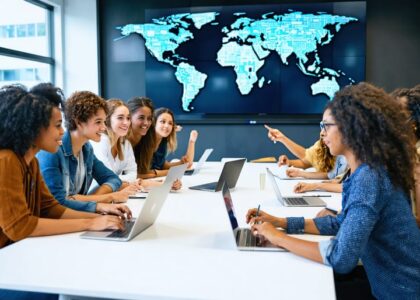
Virtual collaboration platforms have revolutionized how students connect globally, making technology for global learning more accessible than ever. These digital tools create meaningful connections between classrooms worldwide, fostering authentic cultural exchange and collaborative problem-solving.
Popular platforms like ePals and PenPal Schools offer secure environments where students can engage with peers from different countries through structured projects and discussions. Google Classroom’s collaborative features enable real-time document sharing and group work across time zones, while Zoom and Microsoft Teams facilitate face-to-face interactions through video conferencing.
For project-based collaboration, platforms like Padlet and Flipgrid allow students to share multimedia presentations, responses, and creative work with their global partners. These tools support various learning styles and help overcome language barriers through built-in translation features and visual communication options.
When selecting a platform, consider:
– Age-appropriate safety features
– Ease of use for both teachers and students
– Available language support
– Time zone coordination tools
– Technical requirements and accessibility
– Integration with existing school systems
Remember to establish clear communication guidelines and project expectations before starting any virtual collaboration. This ensures all participants can engage meaningfully and benefit from the cultural exchange experience.

Digital Storytelling and Project Documentation
Digital storytelling empowers students to share their global citizenship projects with a wider audience while developing essential media literacy skills. By documenting their journey through photos, videos, blog posts, and social media, students create meaningful narratives that showcase their project’s impact on both local and global communities.
Start by encouraging students to collect multimedia content throughout their project. This can include interviews with community partners, progress updates, challenge moments, and celebration of achievements. Students can use smartphones or basic digital cameras to capture photos and videos, making the process accessible and cost-effective.
Consider creating a class blog or website where students can regularly post updates and reflections. This digital platform serves multiple purposes: it helps students practice writing for an authentic audience, creates a lasting record of their work, and allows families and community members to follow along and engage with the project.
Video documentation is particularly powerful for sharing emotional connections and demonstrating real-world impact. Students can create short documentaries or video diaries using free editing tools. These videos can be shared during school assemblies, community presentations, or online platforms to inspire others and build support for future initiatives.
Remember to obtain necessary permissions for sharing content, especially when featuring community partners or younger students. Guide students in responsible digital citizenship practices while they document and share their work.
Real-World Success Stories
Let’s explore three inspiring examples of how schools have successfully implemented community-based learning projects that fostered global citizenship.
At Lincoln Middle School in Portland, students tackled local food insecurity while learning about global hunger. Their “Growing Together” initiative combined classroom learning about sustainable agriculture with hands-on experience maintaining a school garden. Students partnered with local food banks and connected virtually with schools in Kenya to share farming techniques. The project resulted in 2,000 pounds of fresh produce donated to community members in need and lasting partnerships with their Kenyan peers.
Riverside Elementary in Chicago launched “Ocean Guardians,” where fourth-graders studied marine pollution’s global impact. Students conducted local waterway cleanups, created artwork from collected plastic waste, and developed an awareness campaign that reached 5,000 community members. They collaborated with a coastal school in Philippines through video conferences, sharing data and solutions for reducing plastic waste in their respective communities.
West Valley High School students in Seattle initiated “Digital Bridges,” connecting elderly community members with technology skills while exploring global digital literacy. Students taught basic computer skills to seniors at local residential facilities and created tutorial videos translated into multiple languages. They partnered with schools in Brazil and India to share resources and strategies for addressing the digital divide across generations and cultures.
These success stories demonstrate how service learning projects can meaningfully connect local action with global awareness. Students developed essential skills in cross-cultural communication, problem-solving, and civic engagement while making tangible improvements in their communities. The projects succeeded by combining clear learning objectives, strong community partnerships, and opportunities for authentic global connections.
As we’ve explored throughout this guide, implementing a global citizenship project in your classroom opens up incredible opportunities for student growth and meaningful learning. The impact of these projects extends far beyond traditional academic achievements, fostering empathy, cultural awareness, and problem-solving skills that students will carry with them throughout their lives.
Remember that success in global citizenship education comes through small, consistent steps. Start with one project that aligns with your curriculum goals and gradually expand your efforts. Connect with fellow educators in your school or through online communities to share experiences and resources. Your enthusiasm and commitment will inspire both colleagues and students to embrace global perspectives.
The tools and strategies we’ve discussed provide a foundation, but feel free to adapt them to your unique classroom context. Whether through virtual exchanges, local community partnerships, or environmental initiatives, each project contributes to developing informed, engaged global citizens.
As you embark on this journey, celebrate both small victories and larger achievements. Document your progress, gather student feedback, and continuously refine your approach. Remember that you’re not just teaching content – you’re helping shape the next generation of thoughtful, empathetic global leaders.
Your role in fostering global citizenship is invaluable. By implementing these projects, you’re preparing students to thrive in our interconnected world while making meaningful contributions to their communities and beyond.