Transform your classroom into a dynamic learning environment through collaborative learning strategies that engage, inspire, and elevate student achievement. Research consistently shows that well-structured group work can increase student retention by up to 70% while developing crucial 21st-century skills like critical thinking and communication.
Modern educators face the challenge of implementing effective group work in both physical and digital spaces. This comprehensive guide synthesizes evidence-based collaborative techniques from leading educational researchers, offering practical solutions for common challenges like uneven participation and assessment accuracy. Whether you’re new to collaborative teaching or looking to enhance existing practices, these strategies will help you create an inclusive, engaging learning environment where every student can thrive.
Inside this resource, discover step-by-step frameworks for designing group activities, proven assessment rubrics, and digital tools that streamline collaboration. Learn how to foster meaningful peer interactions while maintaining academic rigor and meeting curriculum standards. Our approach combines theoretical foundations with real-world applications, ensuring you can immediately implement these strategies in your classroom.
Understanding Collaborative Learning in Today’s Classroom
The Science Behind Group Learning
Research consistently demonstrates that collaborative learning activates multiple cognitive and social processes that enhance student learning outcomes. When students work together, their brains engage in what neuroscientists call “social synchrony,” where neural patterns align during shared experiences, strengthening memory formation and comprehension.
Studies show that group learning increases retention rates by up to 90% compared to traditional lecture-based instruction. This improvement stems from peer discussion, immediate feedback, and the opportunity to teach concepts to others – a process that deepens understanding through verbalization and explanation.
The social aspect of collaborative learning triggers the release of positive neurochemicals like dopamine and oxytocin, creating an engaging learning environment that reduces stress and anxiety. This neurological response not only improves academic performance but also develops crucial social-emotional skills.
Recent research highlights that diverse group compositions maximize learning potential, as exposure to different perspectives enhances critical thinking and problem-solving abilities. When students explain their reasoning to peers, they strengthen neural pathways associated with complex thinking and metacognition, leading to more robust learning outcomes.
Key Elements of Successful Collaboration
Successful collaborative learning hinges on five essential elements that work together to create an engaging and productive learning environment. First, positive interdependence ensures that students understand their success is linked to the group’s success. Second, individual accountability keeps each student responsible for their contribution while maintaining group cohesion. Third, promotive interaction encourages students to support and help each other learn, creating a nurturing environment. Fourth, social skills development helps students master communication, leadership, and conflict resolution. Finally, group processing allows teams to reflect on their effectiveness and adjust their approach as needed. When these elements are properly implemented, they create a dynamic learning environment where students feel supported, engaged, and motivated to achieve shared goals.
Essential Collaborative Learning Strategies
Think-Pair-Share Techniques
Think-Pair-Share is a versatile collaborative learning technique that engages students in three distinct phases of learning. In the “Think” phase, teachers present a question or problem, giving students quiet time to process and formulate their thoughts independently. This individual reflection time is crucial for developing critical thinking skills and ensuring all students participate actively. Learn more about how you can cultivate these skills in your classroom in the discussion about critical thinking strategies.
During the “Pair” phase, students turn to a partner to discuss their ideas, compare answers, and build upon each other’s understanding. This step helps build communication skills and confidence, particularly among shy students who might be hesitant to share in larger groups.
Finally, in the “Share” phase, pairs present their discussions to the whole class, fostering broader dialogue and deeper learning. Teachers can enhance this strategy by using digital tools for responses, incorporating writing elements, or extending discussion time based on topic complexity.
To maximize effectiveness, consider these implementation tips:
– Set clear time limits for each phase
– Provide specific discussion prompts
– Use random partner selection to promote diverse interactions
– Monitor conversations to ensure meaningful engagement
– Encourage respectful dialogue and active listening
This strategy works across all grade levels and subject areas, making it a valuable addition to any teacher’s toolkit.

Jigsaw Learning Method
The Jigsaw method transforms your classroom into an engaging collaborative space where every student becomes both a learner and an expert. Start by dividing your class into small home groups of 4-6 students. Assign each student within these groups a unique portion of the lesson material to master. These students then break away to form expert groups with peers who have the same assigned content.
In their expert groups, students work together to thoroughly understand their assigned material, preparing to teach it to their home group members. After sufficient practice and discussion time (typically 15-20 minutes), students return to their home groups. Each member then takes turns teaching their specialized content to the group, ensuring everyone learns the complete lesson.
To maximize effectiveness, provide clear learning objectives and structured guidance sheets for each expert group. Monitor discussions and offer support when needed, but let students take the lead. Consider using simple assessment tools like exit tickets or quick quizzes to verify understanding. This method not only promotes active learning but also builds communication skills and individual accountability while reducing learning anxiety through peer support.

Problem-Based Learning Groups
Problem-based learning groups thrive when structured with clear roles and purposeful organization. Start by forming teams of 4-5 students, ensuring diverse skill levels and backgrounds within each group. Assign specific roles such as facilitator, recorder, timekeeper, and fact-checker to promote accountability and equal participation.
Establish clear problem-solving protocols for teams to follow. The IDEAL method (Identify, Define, Explore, Act, and Look back) provides an effective framework for groups to tackle complex problems systematically. Encourage teams to use collaborative tools like shared digital workspaces or physical brainstorming boards to document their thinking process.
Set specific timeframes for each phase of problem-solving and incorporate regular check-in points. This helps maintain focus and allows for timely intervention if groups encounter difficulties. Create rubrics that evaluate both individual contributions and team outcomes, emphasizing the importance of collective success.
To enhance engagement, rotate roles periodically and provide opportunities for inter-group feedback sessions. This builds leadership skills and ensures all students experience different aspects of team problem-solving. Remember to celebrate both the process and solution, reinforcing the value of collaborative effort in achieving learning goals.
Digital Collaboration Tools
Today’s classroom technology offers exciting opportunities to enhance collaborative learning experiences. Digital collaboration tools can transform how students work together, whether they’re in the same room or connecting remotely. Tools like Google Workspace for Education enable real-time document sharing and editing, allowing students to contribute simultaneously to group projects. Virtual whiteboards such as Miro or Jamboard create spaces where learners can brainstorm, organize ideas, and provide peer feedback.
Video conferencing platforms equipped with breakout rooms facilitate small group discussions and peer tutoring sessions, while project management tools help students organize tasks and track progress. Discussion boards and collaborative presentation tools encourage meaningful dialogue and creative expression. These platforms often include features like commenting, version history, and multimedia integration, making group work more dynamic and inclusive.
To implement these tools effectively, start small with one or two applications that align with your learning objectives. Provide clear guidelines for tool usage and establish protocols for respectful digital interaction. Remember that technology should enhance, not overshadow, the learning experience. Regular check-ins and structured feedback opportunities help ensure that digital collaboration supports your educational goals while fostering essential 21st-century skills.
Peer Teaching and Assessment
Peer teaching and assessment empowers students to take active roles in both instruction and evaluation processes, fostering deeper understanding and responsibility for learning. When students teach their peers, they reinforce their own knowledge while developing crucial communication and leadership skills. To implement effective peer assessment strategies, establish clear rubrics and guidelines that students can easily follow.
Begin with simple peer review activities, such as exchanging written work or practicing math problems together. Gradually progress to more complex tasks like group presentations or collaborative projects where students assess each other’s contributions. Train students in constructive feedback techniques, emphasizing the importance of specific, actionable comments rather than general praise or criticism.
Create structured opportunities for students to reflect on both their teaching and assessment experiences. This might include feedback forms, discussion circles, or journal entries. Remember to monitor and guide these interactions, stepping in when needed to ensure the process remains productive and supportive for all participants.
Implementation and Assessment
Setting Up for Success
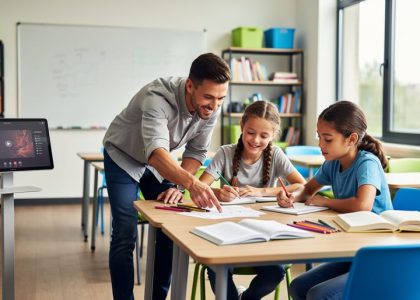
Before implementing collaborative learning strategies, it’s essential to create an environment that supports effective group work and interaction. Start by setting up inclusive learning environments that accommodate all students’ needs. Arrange desks or tables in small clusters to facilitate face-to-face interaction and easy movement between groups.
Consider the following preparation steps:
– Clear pathways between groups for easy teacher access and student mobility
– Readily available supplies and resources for each group
– Visual aids and anchor charts visible from all angles
– Designated roles cards or badges for group members
– Easy access to technology when needed
Equally important is preparing students mentally for collaborative work. Establish clear expectations and ground rules for group interaction, active listening, and respectful communication. Create simple hand signals or visual cues for common needs like requesting help or indicating group readiness. Have backup plans ready for various group sizes and consider how to handle absences or odd numbers of students.
Remember to test your room arrangement with a small group activity before implementing full-scale collaborative projects.

Monitoring Progress
Effective monitoring of collaborative learning is essential for ensuring student success and making necessary adjustments to your teaching strategies. Start by implementing regular check-ins during group work, using simple observation forms to track participation, engagement, and progress toward learning objectives.
Digital tools can streamline your monitoring process. Consider using shared digital workspaces where students can document their contributions and progress in real-time. Platforms like Google Docs or Microsoft Teams allow you to observe group dynamics and individual participation without disrupting the collaborative flow.
Create clear rubrics that assess both individual contributions and group outcomes. These rubrics should evaluate key aspects such as communication skills, task completion, peer support, and content mastery. Share these rubrics with students beforehand so they understand expectations and can self-monitor their progress.
Regular reflection exercises help gauge the effectiveness of collaboration. Implement quick exit tickets, group self-assessments, or brief individual surveys to gather feedback. These insights can highlight areas needing attention and celebrate successful collaboration strategies.
Keep a collaborative learning journal to track patterns, challenges, and breakthroughs across different groups and activities. This documentation helps identify which strategies work best for your specific classroom context and supports continuous improvement of your collaborative learning approach.
Remember to share progress updates with students regularly, celebrating their growth and addressing challenges constructively. This feedback loop creates a supportive environment where students feel motivated to engage in collaborative learning activities.
Overcoming Common Challenges
While collaborative learning offers numerous benefits, educators often face common challenges that can be effectively addressed with the right strategies. One frequent obstacle is uneven participation among students. Combat this by assigning specific roles within groups and implementing structured participation protocols, such as “round-robin” sharing or “think-pair-share” activities.
Time management concerns can be resolved by setting clear timelines and using visual timers. Break larger projects into manageable chunks with specific deadlines for each component. This helps students stay focused and ensures steady progress throughout the collaboration period.
For students who struggle with group dynamics, establish clear communication guidelines and conflict resolution procedures. Create a simple “group contract” template that students can customize and agree upon at the start of their collaboration. This promotes accountability and sets clear expectations for all participants.
Technology access disparities can be addressed by planning alternative formats for collaborative work. Design activities that can be completed both digitally and with traditional materials, ensuring no student is left out due to technical limitations.
Assessment fairness is another common concern. Implement both individual and group evaluation components, using rubrics that clearly outline contribution expectations. Consider incorporating peer evaluations and self-reflection components to provide a more comprehensive assessment of collaborative work.
Finally, support students who may be hesitant to participate by gradually introducing collaborative activities, starting with pairs before moving to larger groups. This builds confidence and collaborative skills progressively.
As we conclude our exploration of collaborative learning strategies, it’s clear that these approaches have the power to transform your classroom into a vibrant, engaging learning environment. By implementing the strategies discussed throughout this guide, you can create meaningful opportunities for students to develop both academic and social-emotional skills.
Remember that successful collaborative learning is a journey, not a destination. Start small by selecting one or two strategies that resonate with your teaching style and your students’ needs. As you and your students become more comfortable with collaborative approaches, gradually introduce additional techniques and modifications.
Your role as a facilitator is crucial in this process. Stay attuned to your students’ interactions, provide support when needed, and celebrate their successes. Don’t be discouraged if some activities don’t work perfectly the first time – adjustments and refinements are natural parts of the implementation process.
We encourage you to share these strategies with your colleagues and create a supportive network of educators committed to collaborative learning. Consider starting a professional learning community within your school to discuss experiences, share resources, and problem-solve together.
By fostering collaboration in your classroom today, you’re helping prepare students for success in an increasingly interconnected world. Take the first step by implementing one strategy tomorrow, and watch as your students grow into confident, cooperative learners.
Remember, every great journey begins with a single step. Your commitment to collaborative learning will make a lasting impact on your students’ educational experience.