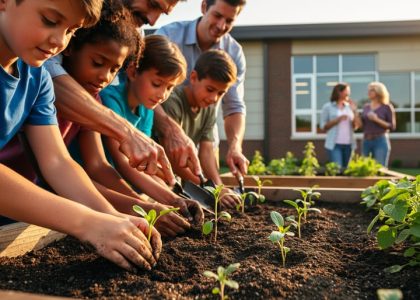
Engage students in real-world learning through community-based instruction (CBI). From hosting a farmers market to restore local wetlands to conducting oral history interviews with senior citizens, CBI immerses learners in authentic experiences that develop academic skills, social-emotional competencies, and civic engagement. Discover inspiring examples of CBI across subject areas and age levels, and learn how to design powerful projects that connect classroom content to community needs. Explore the transformative benefits of CBI, including increased student motivation, enhanced problem-solving abilities, and strengthened school-community partnerships. Empower your students to become active, compassionate citizens who make a difference in their world. Unlock the potential of CBI today.
Service Learning Projects
Service learning is an educational approach that combines academic learning with meaningful community service. In service learning projects, students apply their classroom knowledge and skills to address real-world issues in collaboration with community partners. For example, students might partner with a local non-profit organization to develop and implement a campaign to raise awareness about food insecurity in their area. Through this project, students would gain a deeper understanding of the complex factors contributing to food insecurity while also developing valuable skills such as research, communication, and project management.
Service learning projects offer numerous benefits for both students and the community. By engaging in authentic, hands-on learning experiences, students can develop a stronger sense of civic responsibility and empathy for others. They also have the opportunity to explore potential career paths and build relationships with community members. For the community, service learning projects provide valuable resources and support to address pressing needs. These projects can help to build stronger connections between schools and their surrounding communities, fostering a sense of shared purpose and mutual benefit.
Ultimately, service learning empowers students to make a difference in their communities while also enhancing their academic and personal growth. By integrating service learning into the curriculum, educators can create meaningful, transformative learning experiences that have a lasting impact on both students and the world around them.

Field Trips with a Purpose
Field trips can be powerful tools for community-based learning when structured with clear objectives and authentic connections. Instead of simply visiting a location, educators should design field trips that allow students to actively engage with the community and apply academic skills in real-world contexts. For example, a class studying economics could visit a local business to learn about its operations, challenges, and impact on the local economy. Students could prepare questions for the business owner, observe various roles and processes within the company, and analyze how the business contributes to the community. After the visit, students can reflect on their learning, create presentations about the business, and even propose ideas for improvement or innovation. By structuring field trips as purposeful learning experiences, educators can help students build meaningful connections between classroom content and the world around them, fostering deeper understanding, critical thinking, and community engagement. When planned collaboratively with community partners, field trips can benefit both students and local organizations, creating a mutually enriching learning experience.
Community Expert Presentations
Inviting community members with specific expertise to give classroom presentations is an excellent way to enhance community-based instruction. These experts can provide valuable insights, share real-world experiences, and engage students in authentic learning opportunities. For example, a city planner could be invited to discuss urban development and facilitate a student activity on city planning.
During the presentation, the city planner could explain their role, the challenges they face, and the impact of their work on the community. They could share examples of successful urban development projects and discuss the factors that contribute to a well-designed city. To make the presentation interactive, the city planner could lead a hands-on activity where students work in groups to design their own ideal city, considering aspects such as transportation, housing, green spaces, and community services.
This experience would allow students to apply their learning in a meaningful context, develop problem-solving skills, and gain a deeper understanding of the complexities involved in urban planning. By connecting with a local expert, students can see the relevance of their education and how it relates to real-world issues in their community. Such presentations also foster a sense of civic engagement and inspire students to consider careers in fields that contribute to the betterment of their community.

Museum-School Partnerships
Museums offer a wealth of educational resources that schools can leverage to enhance student learning. By partnering with local museums, educators can provide students with unique, hands-on experiences that bring classroom lessons to life. For example, a history museum might offer artifact kits containing primary sources, replicas, and interpretive materials that teachers can borrow to supplement a unit on local history. These kits allow students to engage with tangible objects from the past, fostering historical thinking skills and deepening their understanding of the subject matter.
In addition to artifact kits, museums may provide trained docents or educators who can visit classrooms to deliver interactive presentations, lead discussions, or facilitate activities related to the museum’s content. These expert guests bring specialized knowledge and enthusiasm that can spark students’ curiosity and inspire further exploration. Museum educators can also work with teachers to develop custom programs aligned with curriculum standards, ensuring the experience supports academic goals.
Beyond in-school visits, museums can serve as immersive field trip destinations where students have the opportunity to explore exhibits, participate in guided tours, and engage in educational workshops or simulations. These out-of-classroom experiences promote active learning, encourage interdisciplinary connections, and expose students to new perspectives. By collaborating with museums, schools expand the boundaries of the traditional classroom, enabling students to learn from and within their local community. These partnerships enrich the educational landscape, providing meaningful, memorable learning opportunities that can have a lasting impact on students’ academic and personal growth.
Community Problem-Solving Challenges
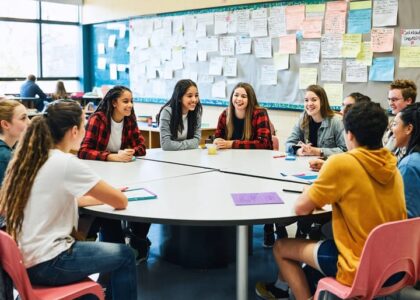
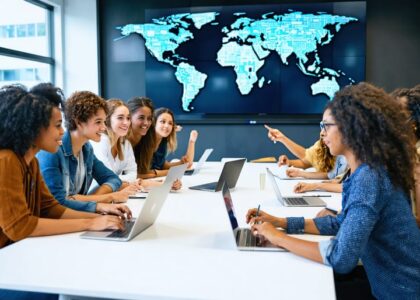
Community problem-solving challenges provide an authentic way for students to apply academic knowledge and skills to real-world issues. In this approach, students identify a local problem, research potential solutions, and take action to address it. For example, a science class might investigate water quality in a nearby river. Students could collect and analyze water samples, interview community members and experts, and create a report with their findings and recommendations. They could then present their work to local officials, environmental groups, or at a community forum. Through this process, students not only deepen their understanding of scientific concepts but also develop critical thinking, communication, and civic engagement skills. They learn the importance of using evidence to support arguments and how to collaborate with others to drive change. By tackling authentic challenges, students gain a sense of empowerment and see the tangible impact of their learning. Community problem-solving projects can be adapted across grade levels and subjects, from elementary students designing a school recycling program to high school students conducting a voter registration drive. The key is to connect academic content with students’ interests and community needs, creating a meaningful context for learning that extends beyond the classroom walls.

Intergenerational Learning Experiences
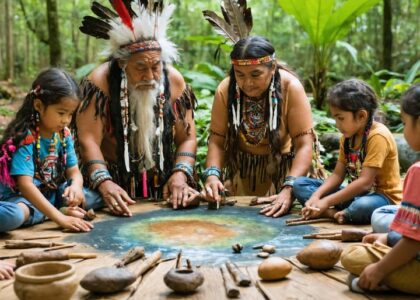
Intergenerational learning experiences, which connect students with older adults for mutual learning, offer a unique and valuable form of community-based instruction. These interactions foster understanding, empathy, and respect between generations while providing rich learning opportunities for both students and seniors. For example, a powerful intergenerational learning project could involve students interviewing older adults about their life experiences, stories, and wisdom. Through these interviews, students develop communication, active listening, and research skills as they engage with living history. They gain insights into different historical eras, cultural backgrounds, and personal triumphs and challenges. The seniors, in turn, have the opportunity to share their knowledge, feel heard and valued, and contribute to the education of younger generations. After conducting the interviews, students can synthesize their findings to create a living history exhibit, showcasing the stories and lessons learned from their senior partners. This exhibit can be shared with the school and wider community, celebrating the value of intergenerational connections and preserving important oral histories. By participating in such meaningful intergenerational experiences, students not only acquire academic skills but also develop social-emotional competencies, cultural understanding, and a sense of civic engagement that contributes to their overall student success. Intergenerational learning projects exemplify the power of community-based instruction to create authentic, mutually beneficial learning experiences that enrich the lives of all involved.
Conclusion
Community-based instruction offers numerous benefits for students, educators, and communities alike. By engaging students in authentic, real-world learning experiences, CBI helps develop critical thinking, problem-solving, and social skills that transfer beyond the classroom. Students gain a deeper understanding of academic concepts by applying them in meaningful contexts, increasing motivation and retention. CBI also fosters a sense of civic responsibility and empathy as students contribute to their local communities.
For educators, implementing community-based instruction can be a rewarding way to transform K-12 education and make learning more relevant and impactful. By partnering with local organizations and businesses, teachers can expand their network of support and access valuable resources to enhance their curriculum. The examples provided in this article demonstrate the versatility of CBI across different subject areas and age levels, from elementary school field trips to high school internships.
We encourage educators to try incorporating one or more of these community-based instruction examples into their teaching practice. Start small by planning a local field trip or inviting a guest speaker, and gradually build up to more complex projects and partnerships. Explore the additional resources available on Teach Find to learn more about best practices, tips, and tools for successful CBI implementation. By embracing community-based instruction, educators can create powerful learning opportunities that inspire students, strengthen communities, and redefine the boundaries of education.