Inclusive & Culturally Responsive Education

Indigenous Knowledge & Practices in Education

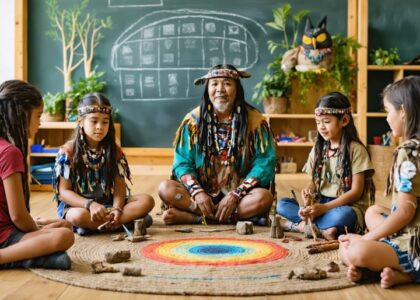
Revive Your Classroom: How Ojibwe Language Teaching Transforms Student Identity

The resurgence of Ojibwe language in classrooms across North America represents more than just linguistic preservation – it embodies cultural healing, community empowerment, and educational innovation. As Indigenous language programs gain momentum, educators stand at the forefront of a transformative movement that connects students with their heritage while …
Multicultural Classroom Strategies

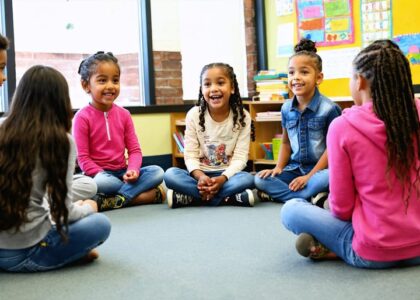
How Oral Storytelling Transforms Cultural Understanding in Your Classroom

Imagine gathering your students in a circle, their eyes wide with anticipation as you share stories that have been passed down through generations. Oral storytelling, one of humanity’s oldest teaching tools, remains a powerful catalyst for creating a culturally responsive classroom environment. Beyond mere entertainment, these living narratives serve as bridges between cultures, connecting students to diverse perspectives while strengthening their listening, speaking, …

Indigenous Knowledge & Practices in Education

Indigenous Teaching Methods Transform Modern Classrooms

Indigenous pedagogy transforms modern education by weaving traditional knowledge systems with culturally responsive teaching strategies. This ancestral approach to learning emphasizes holistic development, connecting students with their cultural heritage while building critical thinking skills through storytelling, experiential learning, and community engagement.
Traditional Indigenous teaching methods offer powerful solutions to contemporary educational challenges. By …

Multicultural Classroom Strategies

Transform Your Teaching With These Powerful Culturally Responsive Practices

Culturally responsive practices transform education by creating inclusive learning environments that honor and leverage students’ diverse backgrounds, experiences, and ways of knowing. These research-backed approaches go beyond surface-level multicultural celebration to fundamentally reshape how we teach, assess, and engage with students. When educators implement culturally responsive practices, they actively bridge the gap between students’ home cultures and school culture, leading to improved academic outcomes, stronger student engagement, and more equitable educational experiences.
Today’s classrooms …