Integrate global perspectives into existing curriculum by connecting core subjects like math, science, and language arts to international issues, cultures, and current events. Use resources like National Geographic Education, iEARN, and the Peace Corps’ World Wise Schools to find lesson plans, activities, and multimedia content that facilitate cross-cultural learning.
Provide professional development opportunities that equip teachers with the knowledge, skills, and confidence to incorporate global competencies into their teaching practice. Partner with organizations like the Asia Society, World Savvy, and VIF International Education to offer workshops, online courses, and immersive travel experiences focused on building educators’ global competence.
Leverage technology to connect students with their peers around the world through collaborative projects, virtual exchanges, and online communities. Platforms like ePals, iEARN, and Global Nomads Group facilitate meaningful interactions that foster empathy, cultural understanding, and 21st-century skills development.
Assess students’ global competence using performance-based tasks, portfolios, and rubrics that measure knowledge, skills, and dispositions related to global awareness, cross-cultural communication, perspective-taking, and action-taking. Consult frameworks like Asia Society’s Global Leadership Performance Outcomes and the PISA Global Competence Framework for guidance on defining and evaluating global competence outcomes.
Integrating International Content into the Curriculum
Social Studies and World Languages
Social studies and world languages are natural starting points for bringing international perspectives into K-12 classrooms. Social studies curricula can be enriched with cross-cultural comparisons, global issues, and diverse historical viewpoints. Educators can use primary sources, documentaries, and virtual exchanges to help students develop global competencies. Similarly, world language instruction provides opportunities to explore the cultures, traditions, and perspectives of different societies. Language teachers can incorporate authentic materials, cultural projects, and communication with native speakers to foster intercultural understanding. By integrating international content into these core subjects, educators can help students develop the knowledge, skills, and attitudes needed to thrive in a globalized world. Interactive tools and community forums can further support teachers in sharing best practices and collaborating on innovative approaches to internationalizing their classrooms. With intentional planning and implementation, social studies and world languages can serve as powerful vehicles for preparing globally-minded citizens.
STEM Subjects
Bringing international perspectives into math and science education can open students’ eyes to the global nature of these subjects. One creative approach is to explore the contributions of mathematicians and scientists from diverse cultures throughout history. For example, students could learn about the ancient Egyptians’ use of geometry in building the pyramids or the Mayans’ development of a sophisticated calendar system. Another idea is to incorporate real-world data from different countries into math problems, such as comparing population growth rates or analyzing global climate patterns. Science classes can also benefit from an international focus, such as studying the biodiversity of rainforests around the world or examining the impact of air pollution in various cities. By making these global connections, educators can help students appreciate the universality of math and science while also developing cross-cultural understanding. Interactive tools like virtual field trips and online collaborations with classrooms abroad can further enhance the international dimension of STEM education.
Arts and Humanities
Engaging students with world literature, art, and music fosters cultural understanding and broadens horizons. Educators can integrate global perspectives by selecting diverse texts that showcase different cultures, traditions, and viewpoints. Analyzing artwork from various regions helps students appreciate the rich tapestry of human creativity. Exploring musical styles from around the globe exposes learners to new rhythms, instruments, and languages. By incorporating these elements into lessons, teachers cultivate empathy, curiosity, and respect for diversity. Collaborative projects, such as virtual art exhibits or international music festivals, allow students to connect with their global peers and celebrate our shared humanity. Embracing the arts and humanities from an international lens prepares students to navigate and contribute to our interconnected world.
Leveraging Technology for Global Collaboration

Virtual Exchange Programs
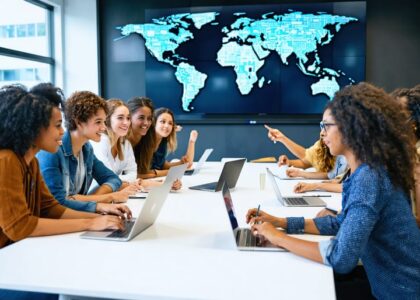
Virtual exchange programs offer a powerful way to connect students across borders and cultures without the need for physical travel. By leveraging online platforms and digital tools, educators can facilitate meaningful interactions between their students and peers from around the world. These programs typically involve collaborative projects, discussions, and cultural sharing activities that help build global competencies and foster cross-cultural understanding.
To ensure successful virtual exchanges, it’s important to carefully design the experience with clear learning objectives and thoughtful facilitation. Educators should provide guidance and support to help students navigate differences in communication styles, time zones, and cultural norms. Incorporating reflection activities and assessments can also deepen the learning and impact of these virtual encounters.
By bringing diverse perspectives into the classroom through technology, virtual exchange programs empower K-12 students to develop the skills and mindsets needed for success in an interconnected world. These immersive online experiences offer a cost-effective and inclusive way to internationalize education and prepare young people for global citizenship.
Global Project-Based Learning
Global project-based learning offers a powerful way to engage students in collaborative problem-solving with international teams. By connecting classrooms across borders, educators can create authentic learning experiences that develop critical 21st-century skills like communication, creativity, and cultural competence. To get started, consider partnering with schools in other countries through platforms like ePals or iEARN. These networks facilitate student-led projects on topics ranging from environmental sustainability to social justice. As students work together to research, brainstorm solutions, and present their findings, they gain valuable insights into diverse perspectives and ways of thinking. Teachers play a crucial role in structuring the projects, providing guidance, and assessing learning outcomes. With thoughtful planning and facilitation, global project-based learning can transform the classroom into a dynamic, inclusive space where students are empowered to make a difference in the world. By embracing this approach, K-12 educators can help prepare the next generation of global citizens and changemakers.

Professional Development for Global Educators
Online Courses and Webinars
Online courses and webinars offer educators the flexibility to gain valuable global education skills on their own schedules. These interactive learning opportunities cover topics like integrating international perspectives into lesson plans, facilitating cross-cultural communication, and using technology to connect classrooms worldwide. Expert instructors provide practical strategies and resources that can be immediately applied in the classroom setting. Participants also benefit from engaging with a supportive community of like-minded educators passionate about internationalizing K-12 education. Whether you’re looking for a comprehensive course or a focused webinar on a specific global education topic, these online offerings empower teachers to expand their skills and create more globally-minded learning environments for their students.
International Teaching Fellowships
International teaching fellowships provide immersive opportunities for educators to deepen their cultural understanding and expand their pedagogical knowledge. These transformative experiences allow teachers to live and work in diverse educational settings around the world, gaining firsthand insights into different teaching practices, curricula, and student populations. By engaging with local communities and collaborating with international colleagues, fellows develop cross-cultural competencies and global perspectives that enrich their teaching practice. From short-term summer programs to year-long placements, international teaching fellowships offer a range of options to suit different professional goals and schedules. Participants return to their home classrooms with renewed enthusiasm, innovative ideas, and a toolkit of strategies for fostering global citizenship among their students. Whether you’re a seasoned educator or just starting your career, an international teaching fellowship can be a powerful catalyst for personal and professional growth, equipping you to create more inclusive, globally-minded learning environments that prepare students for success in an interconnected world.
Measuring the Impact of Global Education Initiatives
Formative Assessments
In a globally-focused K-12 classroom, formative assessments play a crucial role in monitoring student progress and fostering reflective learning. Educators can use a variety of ongoing evaluation techniques to gauge students’ understanding of international perspectives and cross-cultural competencies. Reflective journals encourage students to critically examine their own cultural assumptions and growth throughout the learning process. Portfolios showcase students’ best work, demonstrating their ability to apply global knowledge and skills across different contexts. Engaging students in peer discussions and debates on international issues promotes active learning and helps teachers identify areas where further support may be needed. By incorporating diverse assessment strategies, educators can create a supportive environment that values student voice and empowers learners to take ownership of their global education journey. Regular feedback and opportunities for self-evaluation ensure that students are well-prepared to navigate an increasingly interconnected world beyond the classroom walls.
Summative Assessments
Summative assessments in international K-12 education should effectively measure students’ global learning outcomes and competencies. Culminating projects and presentations offer an authentic way for students to demonstrate their understanding and application of global perspectives, cross-cultural communication skills, and critical thinking abilities. These assessments may take various forms, such as research papers, multimedia presentations, or community action projects that address real-world global issues. By engaging in these culminating experiences, students not only showcase their learning but also develop valuable skills in collaboration, problem-solving, and self-reflection. Teachers can use rubrics and portfolios to evaluate students’ growth and provide meaningful feedback. Importantly, summative assessments should be culturally responsive and allow for diverse ways of demonstrating knowledge. By designing assessments that align with global learning goals, educators can ensure that students are well-prepared to navigate and contribute to an interconnected world.

In conclusion, educators play a pivotal role in preparing K-12 students for success in an increasingly interconnected world. By integrating global perspectives into the curriculum, fostering cross-cultural understanding, and developing essential 21st-century skills, teachers can empower their students to become globally competent citizens. This process requires a commitment to ongoing professional development, collaboration with international colleagues, and a willingness to embrace diverse perspectives in the classroom.
As educators, we have the unique opportunity to shape the minds of the next generation and equip them with the knowledge, skills, and attitudes necessary to thrive in a globalized society. By providing students with meaningful opportunities to engage with the world beyond their own borders, we can help them develop empathy, cultural sensitivity, and a sense of global responsibility. Whether through virtual exchanges, language learning, or project-based learning, there are countless ways to bring the world into the classroom and inspire students to become active participants in the global community.
As we move forward in this endeavor, it is essential that we continue to support one another, share best practices, and advocate for the importance of international education at all levels. By working together as a global community of educators, we can create a brighter future for our students and our world. So let us embrace this challenge with enthusiasm, creativity, and a steadfast commitment to preparing our students for success in an interconnected world.