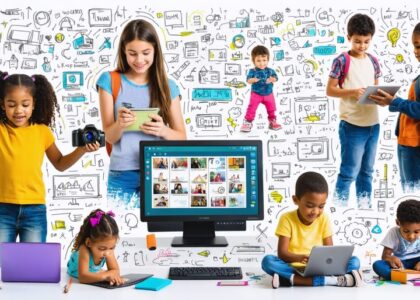
Embrace interdisciplinary education to break down barriers between subjects and cultivate well-rounded learners. By integrating knowledge and skills from various disciplines, students develop a holistic understanding of complex issues and real-world challenges. Interdisciplinary education fosters critical thinking, creativity, and problem-solving abilities that transcend traditional subject boundaries. It prepares learners to navigate an increasingly interconnected world where innovation often emerges at the intersection of different fields. Educators who embrace interdisciplinary approaches create dynamic learning environments that engage students, promote collaboration, and inspire a lifelong love for learning across diverse subjects.
What is Interdisciplinary Education?

Key Elements
The key elements of interdisciplinary education involve the integration of multiple disciplines, fostering collaboration among educators and students from different subject areas. This approach encourages a holistic understanding of complex topics, allowing students to make connections across traditional academic boundaries. Interdisciplinary education emphasizes the development of critical thinking skills, problem-solving abilities, and creativity by exposing students to diverse perspectives and methodologies. It also promotes cognitive development by challenging students to apply knowledge and skills from various disciplines in novel contexts. Effective interdisciplinary education requires a supportive learning environment that values inquiry, experimentation, and open communication. Educators must be willing to step outside their comfort zones, collaborate with colleagues from other disciplines, and adapt their teaching strategies to facilitate interdisciplinary learning experiences. By embracing these key elements, educators can create a dynamic and engaging learning environment that prepares students for the complexities of the real world.
Interdisciplinary vs. Multidisciplinary
Interdisciplinary education integrates knowledge and methods from multiple disciplines to create a holistic learning experience. It focuses on understanding complex issues by drawing connections between different fields. In contrast, multidisciplinary approaches involve studying a topic from the perspective of several disciplines independently, without necessarily integrating their insights.
While both approaches expose students to diverse viewpoints, interdisciplinary education goes a step further by fostering collaboration and synthesis across disciplines. This approach helps students develop critical thinking, problem-solving, and communication skills that are essential for navigating real-world challenges. Multidisciplinary learning, on the other hand, provides a broader understanding of a topic but may not always emphasize the interconnectedness of different disciplines.
Ultimately, both approaches have their merits and can be used in combination to provide a well-rounded education. The choice between interdisciplinary and multidisciplinary learning depends on the specific learning objectives and the complexity of the topics being studied.

Benefits of Interdisciplinary Education
Developing Critical Thinking Skills
Interdisciplinary education cultivates critical thinking skills by challenging students to analyze complex issues from multiple angles. By integrating knowledge and methodologies from various disciplines, learners develop the ability to identify connections, evaluate evidence, and formulate well-reasoned arguments. Engaging in interdisciplinary problem-solving tasks encourages students to think creatively, consider alternative perspectives, and apply their knowledge to real-world situations. This approach moves beyond rote memorization, fostering higher-order thinking skills such as analysis, synthesis, and evaluation. Through interdisciplinary learning experiences, students develop the mental flexibility and critical thinking abilities necessary to navigate an increasingly complex and interconnected world. By providing opportunities for students to grapple with authentic, multi-faceted challenges, interdisciplinary education equips them with the critical thinking tools they need to become effective problem-solvers and decision-makers in their future academic and professional endeavors.
Preparing for Real-World Challenges
Interdisciplinary education plays a crucial role in preparing students for the challenges they will face beyond the classroom. By integrating knowledge and skills from multiple disciplines, learners develop the adaptability and critical thinking needed to navigate complex, real-life situations. This holistic approach encourages students to make connections, analyze problems from various perspectives, and collaborate effectively with diverse teams. Engaging in interdisciplinary projects and case studies helps students build the confidence and resilience necessary to tackle real-world issues. Moreover, exposure to a wide range of disciplines sparks creativity and innovation, enabling students to develop novel solutions to pressing challenges. By prioritizing interdisciplinary learning, educators equip their students with the tools and mindset to thrive in an increasingly interconnected and complex world, setting them up for success in their personal and professional lives.
Promoting Creativity and Innovation
Interdisciplinary education fosters creativity and innovation by exposing students to diverse perspectives, methodologies, and ways of thinking. When students engage with multiple disciplines, they develop the ability to make unique connections, leading to creative problem-solving and groundbreaking ideas. By breaking down silos between subjects, interdisciplinary learning encourages students to think outside the box and apply knowledge in novel ways. This cross-pollination of ideas sparks curiosity, enhances critical thinking skills, and prepares students to tackle complex challenges with innovative solutions. Educators can nurture creativity and innovation by designing learning experiences that integrate multiple disciplines, encouraging collaboration, and providing opportunities for students to explore the intersections between subjects.
Implementing Interdisciplinary Education

Designing Integrated Curricula
To design integrated curricula, start by identifying common themes or skills that span multiple disciplines. Collaborate with colleagues to map out connections and develop cross-curricular projects that allow students to explore topics from various perspectives. Ensure learning objectives from each subject area are met while creating a cohesive, engaging experience. Incorporate real-world applications and problem-solving to demonstrate the relevance of interdisciplinary learning. Provide opportunities for student choice and differentiation to cater to diverse learning styles and interests. Regularly assess and refine your integrated units based on student feedback and outcomes. By thoughtfully planning and implementing interdisciplinary curricula, you can foster critical thinking, creativity, and a deeper understanding of the interconnectedness of knowledge. Embrace the power of collaboration and experimentation as you design transformative learning experiences that prepare students for the complexities of the modern world.
Fostering Collaboration
Fostering collaboration in interdisciplinary education involves creating an environment that supports and encourages teamwork among students and teachers from different disciplines. One effective strategy is to design projects and assignments that require input and expertise from multiple subject areas, compelling students to work together and learn from each other’s unique perspectives. Teachers can model collaborative behavior by engaging in cross-disciplinary planning and co-teaching, demonstrating the value of shared knowledge and diverse skill sets. Establishing dedicated spaces and times for interdisciplinary collaboration, such as learning labs or professional learning communities, provides opportunities for students and educators to exchange ideas, solve problems, and innovate together. By celebrating successful collaborative efforts and highlighting the impact of interdisciplinary teamwork, schools can cultivate a culture that values and promotes cooperation across traditional academic boundaries.
Assessing Interdisciplinary Learning
Assessing interdisciplinary learning involves evaluating students’ ability to integrate knowledge and skills from multiple disciplines. Educators can use formative assessments, such as reflective journals, group discussions, and problem-solving tasks, to monitor student progress throughout the learning process. Summative assessments, including portfolios, presentations, and collaborative projects, demonstrate students’ mastery of interdisciplinary concepts and skills. To evaluate program effectiveness, educators can analyze student outcomes, gather feedback from students and teachers, and compare results to traditional single-discipline approaches. By using a variety of assessment methods and continuously refining their strategies, educators can ensure that interdisciplinary programs are meeting their goals and supporting student growth.
In conclusion, interdisciplinary education holds immense potential to transform learning experiences and equip students with the skills they need to thrive in an interconnected world. By breaking down traditional subject silos and fostering connections across disciplines, educators can create dynamic and engaging learning environments that encourage critical thinking, creativity, and problem-solving. The benefits of interdisciplinary education are far-reaching, from enhancing academic performance and student engagement to developing essential 21st-century skills and preparing students for future careers.
As we move forward, it is crucial for educators to embrace the power of interdisciplinary education and explore innovative ways to integrate it into their teaching practices. By collaborating with colleagues, seeking professional development opportunities, and leveraging resources and tools, educators can successfully implement interdisciplinary approaches that resonate with their students and school communities.
The future of education lies in our ability to adapt, innovate, and inspire. By embracing the transformative potential of interdisciplinary education, we can empower our students to become lifelong learners, critical thinkers, and agents of change. Together, let us forge a path towards a more holistic, interconnected, and meaningful educational experience that prepares our students for the challenges and opportunities that lie ahead.